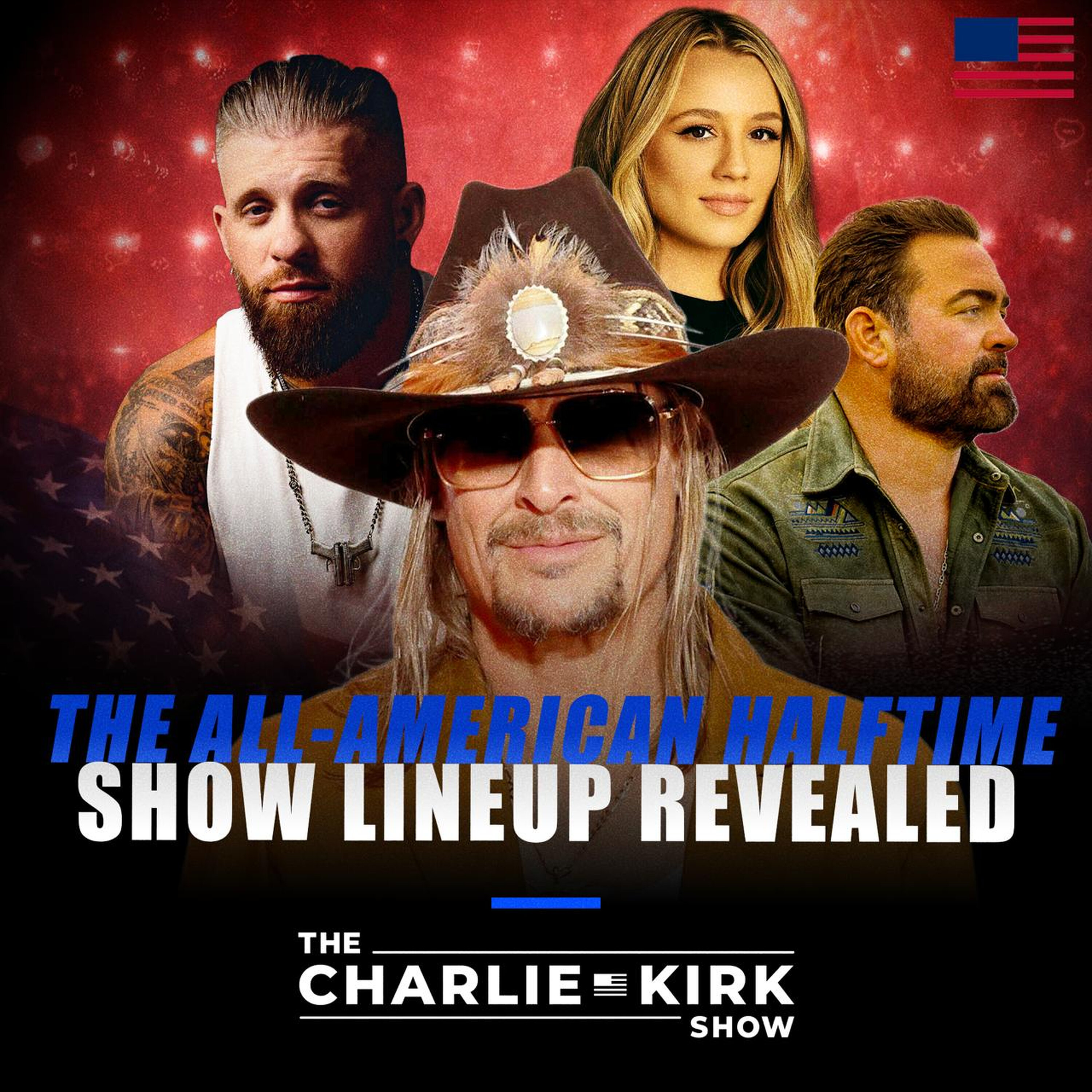
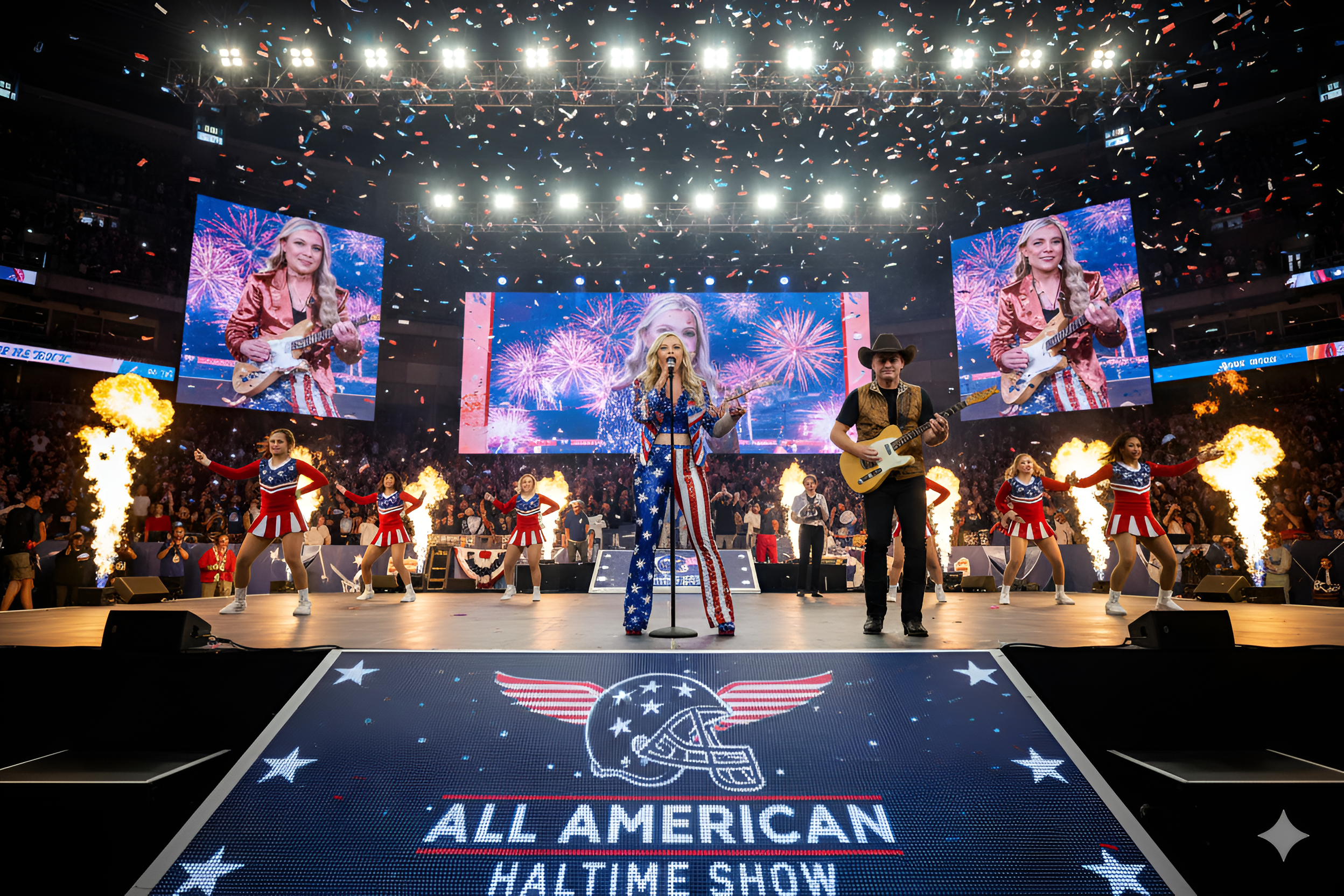
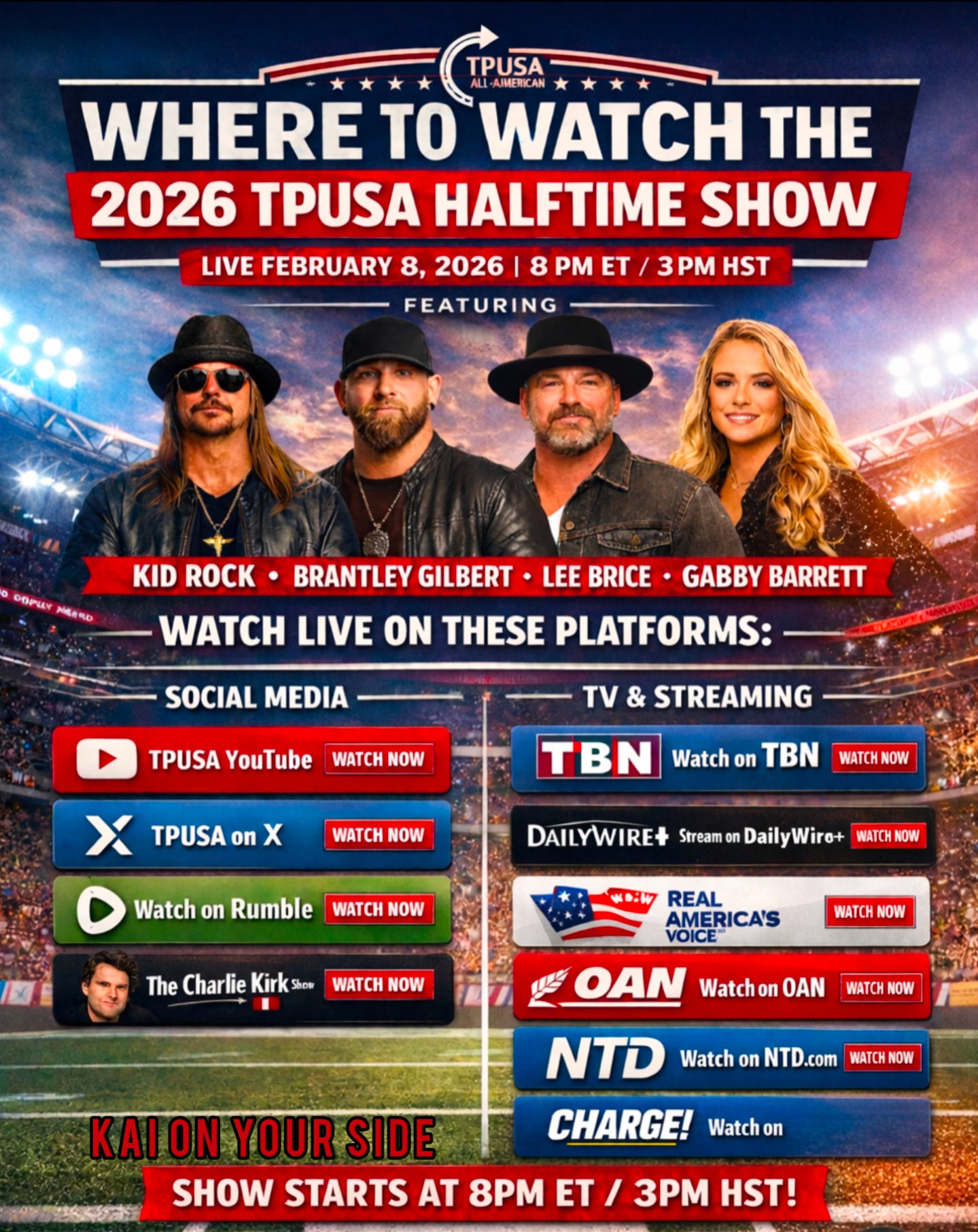
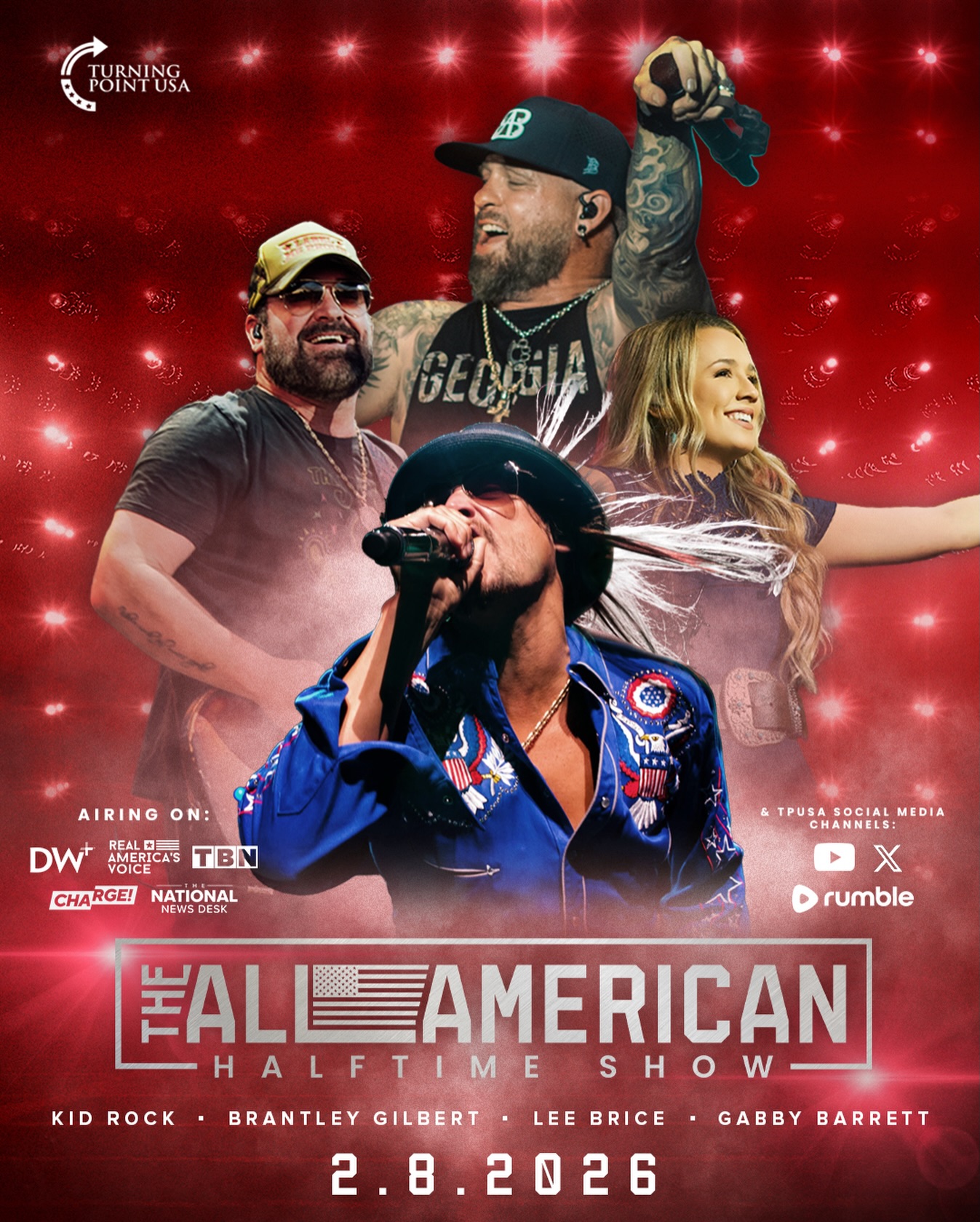
Halftime show sponsorships represent the pinnacle of sports marketing and entertainment integration, offering brands unmatched live broadcast visibility and cultural relevance. By securing title naming rights, on-air integration, and multi-platform digital activations during high-profile American sports broadcasts, major sponsors turn brief game breaks into high-impact, multi-channel branding moments that generate billions of impressions.
Anatomy of a Halftime Sponsorship: How Brands Claim America’s Biggest Stage
Sponsoring a major American halftime show is far more than purchasing a standard 30-second commercial spot during a broadcast break. It is a comprehensive media partnership that integrates a corporate identity into the narrative and visual presentation of the event itself. Whether sponsoring the Super Bowl Halftime Show, the College Football Playoff halftime activations, or premier youth showcases like the NBC Sports All-American Bowl Halftime Show, brands purchase an exclusive window of undivided viewer attention.
| Halftime Sponsorship Integration Matrix |
|---|
| 1. Broadcast Title Integration ("Presented By" Naming Rights) |
| 2. In-Stadium Branding (LED Boards, Turf Logos, On-Field Stage) |
| 3. Digital & Streaming Audio/Video Pre-Rolls & Overlays |
| 4. Live Experiential Activations (Tuition Toss, Fan Contests) |
| 5. Post-Event Replay Rights (Social Media Clips, YouTube Views) |
The mechanics of these sponsorship agreements typically hinge on four core assets:
- Title Naming Rights: The brand's name becomes part of the official event title (e.g., the Apple Music Super Bowl Halftime Show or the Navy Federal Credit Union All-American Bowl Halftime Show). This guarantees verbal mentions by play-by-play commentators, prominent lower-third graphics, and title placement across electronic program guides (EPGs).
- Broadcast Commercial Inventory: Sponsors receive guaranteed 30- or 60-second commercial inventory directly leading into and exiting the halftime performance, securing high viewership windows before fans step away from screens.
- On-Site and In-Stadium Presence: Physical signage, branded staging, custom LED ribbing, and field-level branding ensure that both live stadium attendees and television cameras capture the brand at every angle.
- Second-Screen and Social Rights: Modern sponsorship deals grant digital rights to distribute cutdowns, behind-the-scenes footage, artist interviews, and interactive fan voting across YouTube, TikTok, X, and Instagram.
When combined, these elements create what sports marketers term a "clean environment"—a designated period during an otherwise noisy sporting event where competing advertiser messages are strictly minimized, giving the title sponsor an exclusive spotlight.
High-Impact Sponsorship Case Studies Across American Sports
To understand how companies leverage this spotlight, it is helpful to examine how leading brands across different industries construct their halftime show campaigns.
- 1990s: Marching Bands & Pageantry
- 2010s: Consumer Brands (Pepsi)
- 2020s+: Digital Media & Streaming (Apple Music)
Apple Music & Pepsi: The Super Bowl Halftime Blueprint
The Super Bowl Halftime Show represents the absolute benchmark of live entertainment sponsorships. When Pepsi held the naming rights from 2012 to 2022, the beverage giant utilized the 12-minute concert format to anchor its broader "Live For Now" global marketing campaign. Pepsi used the platform to bridge linear television with digital consumer promotions, running months of pre-show talent teasers and retail sweepstakes.
In late 2022, Apple Music acquired the multi-year naming rights in a deal estimated at $50 million annually. Apple’s strategy shifted the focus from traditional consumer packaged goods (CPG) marketing to ecosystem integration. Apple uses the halftime platform to drive subscriptions to Apple Music, promote spatial audio recordings of the performance, and distribute exclusive pre-show artist interviews via Apple Music 1 radio.
Dr Pepper: The College Football Tuition Challenge
In college athletics, Dr Pepper demonstrated how a sponsor can build an iconic brand asset around a halftime segment. Rather than sponsoring a musical performance, Dr Pepper created the "Tuition Toss," hosted during conference championship halftime breaks. By awarding college tuition dollars to students throwing footballs through oversized soda cans, the brand aligned itself directly with higher education and collegiate traditions, turning a commercial intermission into a compelling human-interest sporting event in its own right.
Navy Federal Credit Union: The All-American Bowl
At the high school showcase level, Navy Federal Credit Union has backed the All-American Bowl’s halftime festivities on NBC Sports. By supporting the nation's elite high school athletes and marching band members, the financial institution reinforces its commitment to community, youth development, and military-affiliated families. The sponsorship demonstrates that halftime spotlighting is equally effective for mission-driven, targeted financial services seeking affinity marketing.
Financial Economics: Cost Structure and Media Value Equivalence
Securing a high-profile halftime sponsorship requires significant capital investment, split between rights fees paid to the league or broadcaster and external activation budgets spent to leverage the asset.
| Budget Category | Allocation |
|---|---|
| Rights Fee | 50-60% |
| Production & Staging | 25-30% |
| Media & Activation | 15-20% |
Rights Fees vs. Activation Budgets
A baseline rule in sports sponsorship measurement is the activation ratio. For every dollar spent on baseline sponsorship rights fees, a brand typically spends between $1.00 and $3.00 on secondary activations, including:
- Production Expenses: Paying for custom stage builds, light shows, audio engineering, and specialized broadcast talent.
- Paid Media Amplification: Purchasing digital ad units, social media boosts, and out-of-home (OOH) billboards leading up to the game.
- Consumer Promotions: Running retail displays, packaging takeovers, sweepstakes, and experiential pop-ups in the host city.
Calculating Earned Media Value (EMV)
Brands justify these investments by evaluating Media Value Equivalence (MVE) and Earned Media Value (EMV). MVE calculates what it would cost to purchase the equivalent amount of airtime and digital impressions through standard commercial ads.
Because a halftime title sponsorship includes constant logo placement, verbal mentions, and social media trending topics, the total media value frequently quadruples the initial rights fee. Post-event digital replays extend this value further; performance videos uploaded to YouTube and social platforms routinely generate hundreds of millions of additional views months after the broadcast ends.
Comparative Breakdown of Halftime Sponsorship Models
Different sporting events cater to distinct brand objectives, audience demographics, and media budgets. The table below outlines how primary halftime sponsorship models compare across major American sports properties.
| Sponsorship Tier / Event Type | Estimated Rights Fee Range | Target Audience Scope | Primary Rights & Deliverables | Core Strategic Objective |
|---|---|---|---|---|
| Mega-Event Title Sponsor (e.g., Super Bowl) | $40M – $60M annually | Global (100M+ live viewers) | Exclusive title rights, multi-platform streaming rights, on-field logo, key ad inventory | Global brand dominance, streaming subscriber growth, cultural milestone ownership |
| Collegiate Championship Sponsor (e.g., CFP / Conference Halftimes) | $3M – $10M annually | National / Regional sports fans | On-field experiential event (e.g., contest/giveaway), broadcast lower-thirds, ad units | Youth market affinity, college student engagement, brand loyalty |
| All-American Showcase Sponsor (e.g., All-American Bowl) | $500K – $2M annually | High school sports, military, families | Marching band title rights, youth athlete profiles, dedicated broadcast segments | Community goodwill, grassroots recruitment, targeted financial/brand messaging |
| Regular Season Broadcast Presenter (e.g., Sunday Night Football) | $1M – $5M per season | Regional & National sports viewers | "Halftime Report" naming rights, studio desk branding, analyst script mentions | Consistent weekly reach, high frequency, product feature highlights |
Multi-Platform Brand Activation Strategies
To maximize the return on a halftime show sponsorship, marketing teams execute multi-stage campaigns that launch weeks prior to kickoff and extend long past the final whistle.
- T-minus 4 Weeks: Teaser Clips & Social Speculation Campaigns
- T-minus 1 Week: Host City Experiential Pop-Ups & Retail Tie-ins
- Game Day: Real-Time Broadcast & Social Command Center
- Post-Event: VOD Distribution, Audio Tracks, & PR Reporting
1. Pre-Event Teaser Campaigns
Modern sponsors build anticipation through coordinated digital teasers. By releasing short behind-the-scenes clips of artist rehearsals, stage setups, or contest preparation, sponsors capture early search volume and generate social media discussion long before the event begins.
2. Live Second-Screen Integration
During the broadcast, consumer attention is split between the television screen and mobile devices. Successful sponsors deploy dedicated digital command centers during the live show to post real-time updates, high-definition photography, and interactive polls. This ensures that when the event trends globally on social networks, the sponsor's brand account remains at the center of the conversation.
3. Post-Show Content Longevity
The broadcast conclusion marks the beginning of the post-event content cycle. High-definition performance uploads, downloadable audio tracks, and behind-the-scenes documentaries turn a 15-minute live show into a long-tail digital asset. Sponsors whose rights agreements include post-event digital distribution rights continue to collect impressions and user engagement for years.
Strategic Risks and Brand Protection in Live Halftime Shows
While halftime sponsorships offer massive audience reach, live television broadcasts carry inherent risks that require proactive brand safety strategies.
| Potential Hazard | Mitigation Strategy |
|---|---|
| Live Broadcast Slip | Time-Delay Buffers |
| Unrehearsed Statements | Strict Contract Terms |
| Technical Failure | Redundant AV Systems |
Managing Live Broadcast Volatility
Live performances are unpredictable. Technical glitches, artist missteps, or unscripted political statements can disrupt a carefully managed corporate message. Sponsors work closely with network standards and practices teams to enforce five-second broadcast delays and establish strict contractual parameters regarding stage performance content.
Alignment of Brand Values
A key challenge in sponsoring music-driven halftime shows is ensuring that the featured artist's public image aligns with the corporate sponsor's brand values. A misalignment can result in negative public relations or consumer backlash. As a result, sponsor legal teams retain approval rights over artist selections, stage design themes, and guest appearances.
Blueprint for Maximizing Halftime Show Sponsorship Value
For corporate marketing executives and brand strategists evaluating high-profile sports and halftime sponsorships, achieving positive Return on Ad Spend (ROAS) requires structured execution:
- Negotiate Comprehensive Digital Rights: Ensure sponsorship contracts include permanent rights to post-event video clips, audio distribution, and second-screen digital channels—not just linear broadcast mentions.
- Establish Clear Attribution Metrics: Define success criteria upfront using direct metrics such as app installations, promo code redemptions, brand lift studies, and earned media value rather than relying solely on raw television ratings.
- Integrate Retail and Omnichannel Touchpoints: Link the sponsorship directly to point-of-sale promotions, special edition product packaging, or digital sweepstakes to drive measurable sales volume during the campaign window.
- Deploy Real-Time Social Operations: Maintain an active digital media team during the live broadcast to publish real-time reaction content, engage with fans, and capitalize on viral moments as they happen.
- Develop Crisis Mitigation Protocols: Establish clear rules regarding broadcast delays, artist guidelines, and real-time PR response plans to safeguard corporate reputation during unscripted live events.
Frequently Asked Questions
What does it cost to sponsor a major halftime show?
Sponsorship costs vary widely based on event scale. Entitlement rights for premier mega-events like the Super Bowl Halftime Show cost upwards of $50 million per year, while college football conference championship or showcase bowl halftime sponsorships generally range from $500,000 to $10 million depending on broadcast network reach and activation scale.
How do sponsors measure the ROI of a halftime show partnership?
Sponsors track Return on Investment using Media Value Equivalence (MVE), direct brand-lift surveys, web traffic spikes, social media engagement metrics, and sales conversion rates from linked consumer promotions run before and after the event.
Who controls the creative direction of a halftime performance?
Creative direction is a collaboration between the event producer (such as the league or network), the performing artist's management team, and the title sponsor. While artists design the musical set, sponsors hold contractual approval rights over branding integration, stage logos, and overall brand safety.
Why do consumer brands prefer halftime sponsorships over standard commercial ads?
Halftime sponsorships offer exclusive, clutter-free branding. Standard commercial breaks feature multiple competing ads where viewers may tune out or skip content, whereas title halftime sponsorships integrate the brand directly into the main entertainment broadcast.
How have digital streaming platforms impacted halftime show sponsorships?
Streaming platforms have extended the lifespan of halftime show sponsorships. Instead of relying solely on a single live television broadcast, sponsors now benefit from millions of post-event views on YouTube, social media platforms, and music streaming apps.
Strategic Action Plan for High-Stakes Brand Partnerships
Securing a halftime show sponsorship offers brands an unmatched opportunity to capture consumer attention, but converting high viewership into lasting brand equity requires careful strategic planning. Organizations planning to invest in premier sports halftime sponsorships should begin by conducting a comprehensive audit of their cross-platform media capabilities.
To maximize return on investment, brand leadership must align rights negotiations with clear business objectives—whether driving digital app downloads, elevating global brand perception, or launching consumer promotions. By pairing live broadcast entitlements with robust second-screen social coverage, post-event digital distribution, and proactive brand protection protocols, companies can turn a brief halftime intermission into an enduring marketing asset.