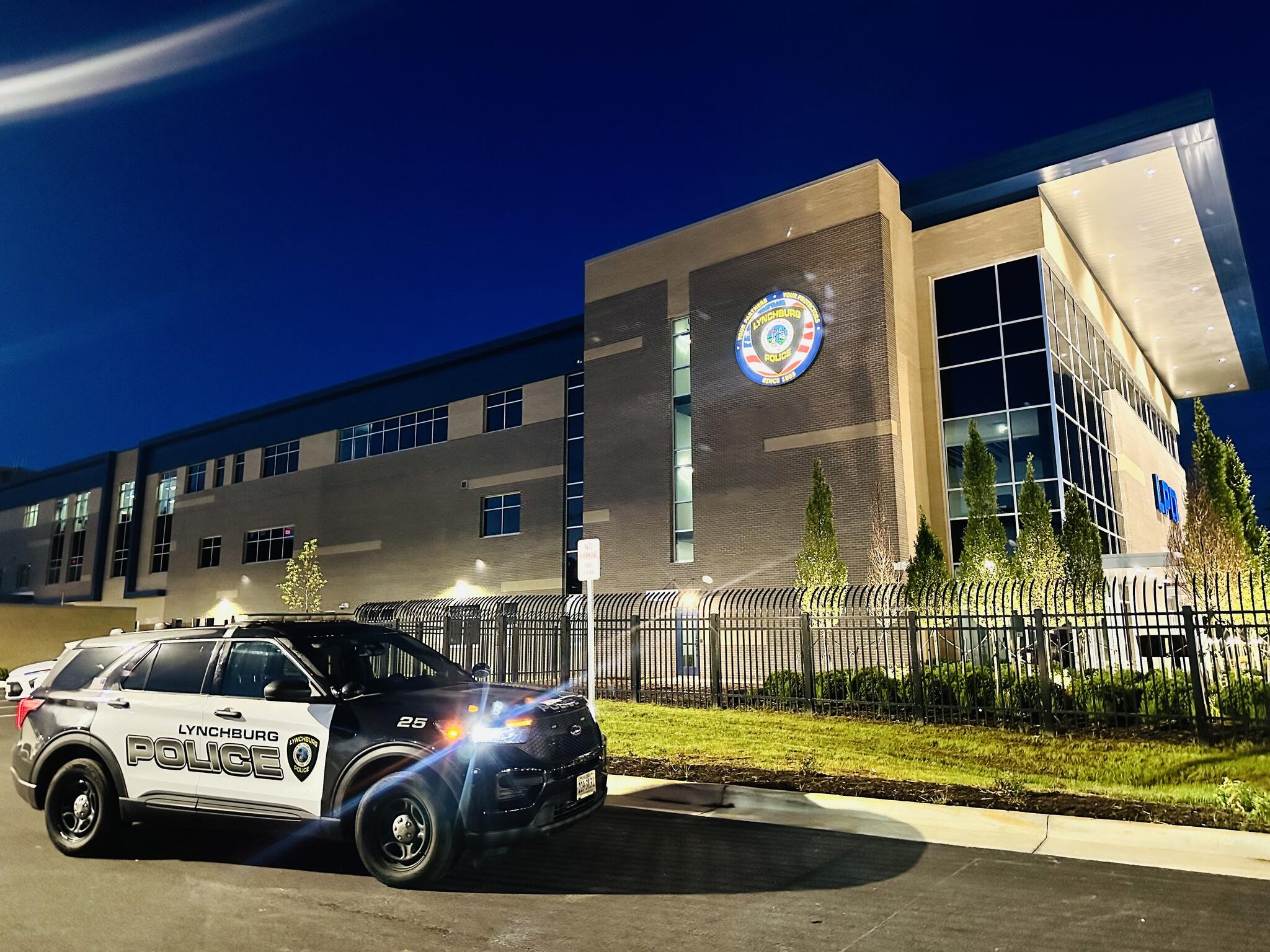
The Lynchburg Police Department (LPD) serves as the primary law enforcement agency for the City of Lynchburg, Virginia, a vibrant municipality often referred to as the "Hill City." As of 2026, the LPD remains a cornerstone of municipal stability, managing public safety for a population exceeding 80,000 residents, alongside a significant daily influx of students from Liberty University, the University of Lynchburg, and Virginia University of Lynchburg. Operating out of its modernized headquarters and various precinct stations, the department has evolved into a data-driven, community-oriented organization that prioritizes transparency, technological integration, and proactive crime prevention.
Modernizing Public Safety: The LPD Strategic Vision for 2026
By 2026, the Lynchburg Police Department has fully implemented its multi-year strategic modernization plan, focusing on "Intelligence-Led Policing" (ILP). This framework utilizes advanced analytics to deploy resources where they are most needed, moving away from purely reactive patrolling. The department's commitment to the Commission on Accreditation for Law Enforcement Agencies (CALEA) standards ensures that every operational procedure meets rigorous international benchmarks for excellence.
The 2026 operational landscape for the LPD is defined by several key pillars:
- Real-Time Crime Center (RTCC) Integration: The LPD now utilizes a sophisticated RTCC that aggregates data from city-wide traffic cameras, automated license plate readers (ALPR), and community-shared digital evidence to provide officers with live intelligence during active calls.
- Enhanced Crisis Intervention: In partnership with regional health providers, the LPD utilizes a co-responder model where mental health professionals accompany officers on specific behavioral health calls, reducing the need for force and improving clinical outcomes.
- Transparency through Technology: 100% of field operations are documented via high-definition body-worn cameras (BWC) with automated activation triggers, ensuring accountability and protecting both citizens and officers.
Core Divisions and Specialized Units of the LPD
The hierarchy of the Lynchburg Police Department is designed to address the diverse needs of a growing urban center. Each division operates with specific technical mandates and performance metrics updated for the 2026 fiscal year.
The Field Operations Bureau
This is the most visible arm of the LPD, encompassing the Patrol Division. In 2026, patrol beats are dynamically adjusted based on seasonal population shifts and historical crime data. This bureau also manages the K-9 Unit, which is trained in both narcotics detection and search-and-rescue operations within the rugged terrain surrounding the James River.
The Criminal Investigations Division (CID)
The CID handles complex cases that require long-term investigation, including homicide, cybercrime, and financial fraud. By 2026, the CID has expanded its Digital Forensics Unit to combat the rise in sophisticated phishing and identity theft targeting the city’s aging population and student demographics.
The Professional Standards Unit
This unit is responsible for internal affairs, ensuring that the department’s 160+ sworn officers adhere to the strict 2026 Code of Conduct. They also manage the department’s accreditation process, maintaining the prestigious CALEA "Gold Standard."
Navigating LPD Services: A Resident’s Procedural Manual
Accessing police services in Lynchburg has been streamlined through digital transformation. Whether you are a resident of Wyndhurst or a business owner in Downtown Lynchburg, understanding how to interact with the LPD is vital for legal compliance and personal safety.
- Emergency Reporting (911): Used for crimes in progress, fires, or life-threatening medical emergencies. In 2026, the Lynchburg Emergency Communications Center supports "Next-Gen 911," allowing for the transmission of video and photos directly from a caller’s smartphone to dispatchers.
- Non-Emergency Inquiries: For reporting past-tense crimes or quality-of-life issues (like noise complaints), residents should use the non-emergency line at (434) 847-1602.
- Online Reporting Portal: Minor incidents such as "hit and run" on unoccupied vehicles, identity theft, or lost property can be reported through the official LPD web portal. This generates a temporary case number immediately, which is essential for insurance claims.
- Obtaining Police Records: Requests for accident reports or incident summaries are governed by the Virginia Freedom of Information Act (VFOIA). In 2026, these can be requested and paid for through a secure online document portal, typically processed within five business days.
Public Safety Infrastructure and Technical Specifications
The LPD utilizes high-tier equipment and software to maintain its operational edge. In 2026, the fleet and communication systems adhere to the following technical standards:
| System Category | Technical Specification / Standard | 2026 Operational Status |
|---|---|---|
| Radio Communications | P25 Phase II Digital Trunked System | Fully Interoperable with State/Local Agencies |
| Fleet Vehicles | Hybrid-Electric Pursuit Rated Interceptors | 65% Fleet Electrification Milestone Met |
| Records Management | Cloud-Native CJIS-Compliant Platform | Real-time synchronization with Virginia State Police |
| Digital Evidence | AES-256 Encrypted Cloud Storage | Mandatory 180-day retention for all BWC footage |
| Traffic Enforcement | LiDAR and Automated Speed Abatement | Deployments in School and Work Zones only |
Comparative Analysis: Community Policing vs. Traditional Enforcement
The Lynchburg Police Department has shifted its philosophy significantly over the last decade. Below is an analysis of how their modern approach compares to traditional law enforcement models.
Community-Oriented Policing (The 2026 LPD Model)
The LPD focuses on building social capital within neighborhoods like Diamond Hill and Old Town. By assigning officers to specific geographic sectors for extended periods, the department fosters trust. The "Pros" include higher clearance rates for crimes due to better witness cooperation and a reduction in use-of-force incidents. The "Cons" involve a higher requirement for staffing and specialized training budgets.
Traditional Incident-Driven Policing (The Legacy Model)
This model focuses almost exclusively on rapid response to 911 calls. While efficient for immediate crisis management, it often fails to address the root causes of systemic crime. In 2026, the LPD uses this only for high-priority emergency scenarios, having moved away from it for day-to-day community management.
Career Path and Recruitment in 2026
As of 2026, the Lynchburg Police Department is actively seeking candidates who possess not only physical fitness but also high emotional intelligence and technological literacy.
- Compensation: The 2026 starting salary for a Police Officer Trainee is approximately $58,500, with significant increases upon completion of the academy.
- Benefits: LPD officers participate in the Virginia Retirement System (VRS) and receive a comprehensive "Hill City" wellness package, including mental health support and tuition reimbursement for continuing education at local universities.
- The Academy: Recruits undergo 24 weeks of intensive training at the Central Virginia Criminal Justice Academy (CVCJA), covering legal codes, de-escalation tactics, and advanced firearms proficiency.
Frequently Asked Questions (FAQ)
How do I get a copy of an accident report in Lynchburg, VA?
You can request an accident report online through the LPD’s secure records portal or visit the Records Division at 905 Court Street. As of 2026, reports are typically available within 72 hours of the incident. You will need the case number provided by the responding officer and a valid form of identification. A nominal administrative fee applies to all non-involved third parties.
Does the Lynchburg Police Department offer fingerprinting services for employment?
Yes, the LPD provides digital Livescan fingerprinting services for city residents and those seeking employment within the city limits. These services are available by appointment only on Tuesdays and Thursdays. Applicants must bring their own fingerprint cards if provided by an employer, though the LPD can provide standard FBI FD-258 cards for a small additional fee.
How can I report a crime anonymously in Lynchburg?
You can provide anonymous tips through Central Virginia Crime Stoppers by calling 1-888-798-5900 or using the "P3 Tips" mobile app. Information provided through Crime Stoppers that leads to an arrest may be eligible for a cash reward. The LPD does not track the IP addresses or phone numbers of tipsters using this encrypted third-party system.
What is the "Community Action Team" (CAT)?
The CAT is a specialized unit within the LPD that focuses on long-term problem-solving in specific neighborhoods. Unlike patrol officers who move from call to call, CAT officers attend neighborhood watch meetings and work with city planners to address environmental factors that contribute to crime, such as poor lighting or abandoned properties.
How does the LPD handle noise complaints in 2026?
Noise complaints are handled under the Lynchburg City Code, which prohibits "unreasonably loud, disturbing, or unnecessary noise" that jeopardizes public health or safety. Officers utilize calibrated decibel meters in 2026 to verify violations in residential zones. While the first instance often results in a warning, subsequent violations within a 12-month period can lead to criminal summons or civil penalties.
Expert Insight for Lynchburg Residents
For those living in or visiting Lynchburg in 2026, the most effective way to ensure a positive interaction with law enforcement is through proactive engagement. The LPD offers a "Citizens Police Academy" twice a year, providing an inside look at department operations. Furthermore, the department’s 2026 transparency dashboard allows any resident to view real-time crime maps and departmental use-of-force statistics, fostering a culture of mutual accountability. If you find yourself in a situation requiring police intervention, remain calm, keep your hands visible, and follow all verbal commands—modern body camera systems are there to record the facts of the encounter for the protection of all parties involved.