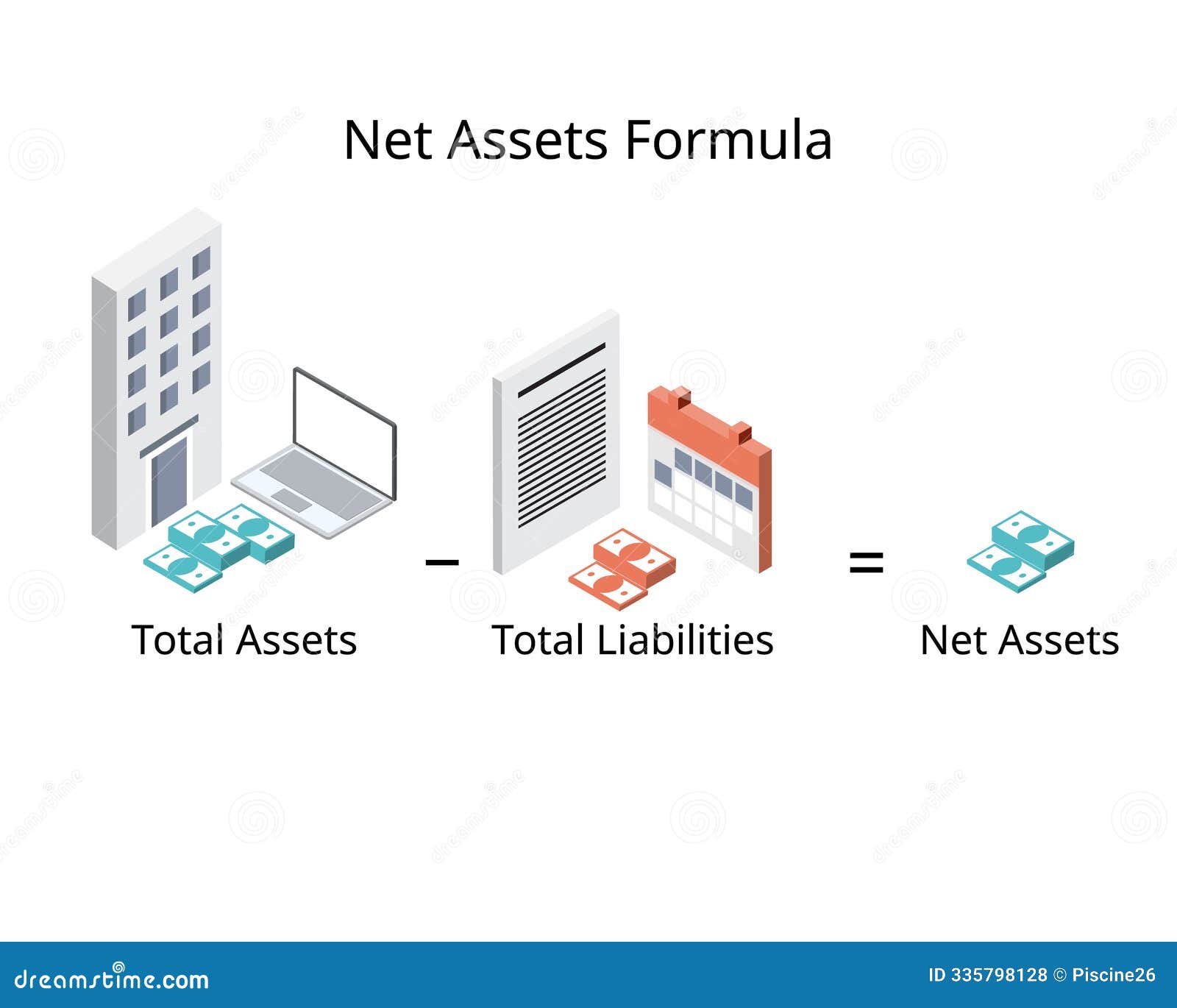
The fundamental financial formula all assets minus all liabilities equals net worth defines an individual's or organization's net financial value. By subtracting total debt obligations (liabilities) from total owned property and capital (assets), this calculation reveals true solvency, liquidity, and overall financial health beyond simple income levels.
Disclaimer: This guide is for educational purposes only and does not constitute formal financial, legal, or accounting advice. Personal and business financial structures vary; consult a Certified Public Accountant (CPA) or Certified Financial Planner (CFP) for tailored guidance.
The Core Financial Equation Explained
At its foundation, net worth represents what remains after every financial obligation is satisfied using available resources. The classic equation is expressed as:
$$\text{Net Worth} = \text{Total Assets} - \text{Total Liabilities}$$
In corporate accounting, this exact relationship is known as Owner's Equity or Stockholders' Equity, expressed via the accounting equation: $\text{Assets} = \text{Liabilities} + \text{Equity}$.
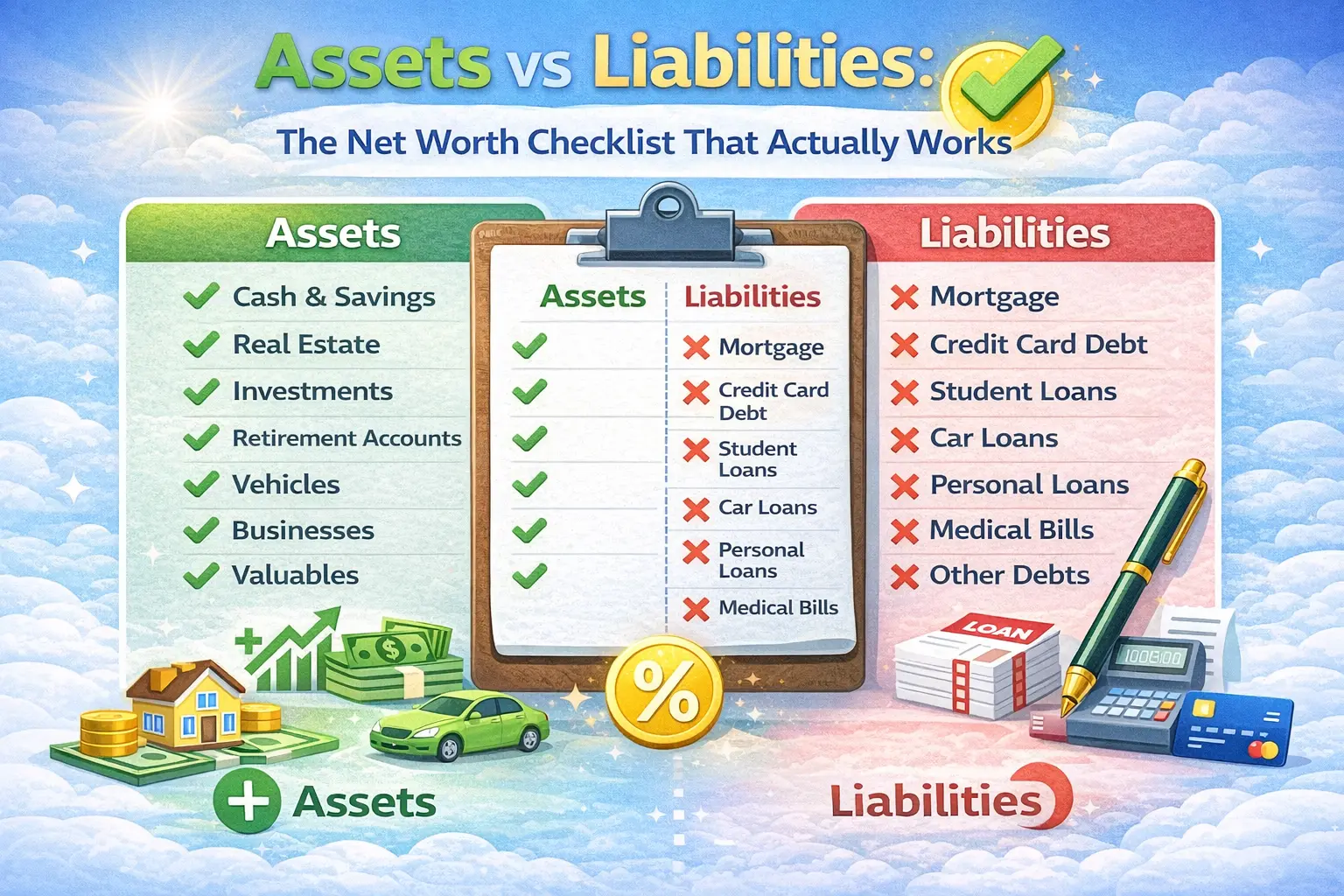
- TOTAL ASSETS (Checking, Investments, Real Estate, Vehicles, Equity)
- MINUS (-) LIABILITIES (Mortgages, Credit Cards, Student Loans, Auto Loans, Taxes)
- TOTAL NET WORTH (Positive Solvency or Negative Deficit)
Income measures incoming cash flow over a specific period, whereas net worth measures accumulated wealth at a single point in time. An individual can earn a high annual salary but possess a low or negative net worth if their liabilities exceed their asset values. Conversely, a modest income earner can build a substantial net worth through consistent savings, debt minimization, and asset appreciation.
Tracking this breakdown over time allows individuals and businesses to measure true financial progress, evaluate risk tolerance, and prepare for major milestones such as retirement, business expansion, or estate transfers.
Deconstructing Assets: What You Own and How to Value It
Assets are resources with economic value that an individual or business owns or controls, with the expectation that they will provide future benefit. In a comprehensive net worth breakdown, assets must be accurately categorized and evaluated based on their current Fair Market Value (FMV)—the price an item would sell for on the open market between a willing buyer and a willing seller.
- TOTAL ASSET SPECTRUM
- LIQUID ASSETS
- Cash & Savings Account
- Money Market Funds
- Brokerage Holdings (Stocks/ETFs)
- ILLIQUID / FIXED ASSETS
- Primary Real Estate
- Private Business Equity
- Vehicles & Personal Property
- LIQUID ASSETS
1. Cash and Liquid Assets
Liquid assets are cash or items that can be converted into cash almost immediately without a significant loss in value. These form the baseline of emergency funds and operational liquidity.
- Checking and Savings Accounts: Bank deposits held at insured institutions such as those covered by the Federal Deposit Insurance Corporation.
- Money Market Instruments and CDs: Short-term fixed-income investments, certificate of deposit balances, and Treasury bills.
- Physical Currency: Cash on hand.
2. Investment and Retirement Assets
Investment assets are holdings intended to generate income or appreciate over time. When valuing tax-advantaged accounts, account holders should recognize that future distributions may carry tax obligations.
- Taxable Brokerage Accounts: Stocks, bonds, mutual funds, exchange-traded funds (ETFs), and commodities held in standard trading accounts.
- Retirement Accounts: Traditional 401(k)s, 403(b)s, Traditional IRAs, Roth IRAs, and SEP-IRAs.
- Pension Cash Value and Annuities: The current cash surrender value of life insurance policies or accrued pension balances.
3. Personal and Real Assets
Real assets include physical property owned by an individual or business. Valuing these requires realistic appraisal rather than relying on initial purchase price.
- Real Estate: Primary residences, vacation homes, land, and commercial property. Value should reflect current market comps minus estimated closing costs if liquidating.
- Vehicles: Automobiles, motorcycles, boats, and recreational vehicles. These are depreciating assets and must be listed at current resale value (e.g., via Kelley Blue Book), not original purchase price.
- Personal Property: Jewelry, high-end electronics, artwork, collectibles, and valuable home furnishings. Only include items with verifiable resale value.
4. Business Equity and Intangibles
For business owners and entrepreneurs, equity in private enterprises represents a substantial portion of net worth.
- Ownership Stakes: The valuation of privately held companies, partnerships, or sole proprietorship net asset values.
- Intellectual Property: Patents, trademarks, and royalty rights that generate ongoing cash flow.
Deconstructing Liabilities: What You Owe and How to Categorize It
Liabilities represent all outstanding financial obligations or claims owed to external creditors, lenders, suppliers, or government entities. In the net worth equation, liabilities subtract directly from total assets.
1. Short-Term and Revolving Liabilities
Short-term liabilities are financial debts typically due within one year or managed on a continuous revolving basis.
- Credit Card Balances: Total outstanding balances across all personal and business credit cards.
- Personal Loans and Lines of Credit: Unsecured personal loans, payday loans, or outstanding balances on personal lines of credit.
- Medical Bills and Outstanding Payables: Unpaid healthcare obligations, outstanding utility bills, or short-term vendor payables.
- Accrued Taxes Due: Unpaid income taxes, property taxes, or corporate tax liabilities due to federal or state authorities like the Internal Revenue Service.
2. Long-Term Debt Obligations
Long-term liabilities consist of major loans amortized over multiple years. For net worth calculations, only include the current principal balance, not the total sum of future interest payments over the life of the loan.
Mortgages: Outstanding principal on primary residential mortgages, secondary home loans, or rental property mortgages.
Home Equity Loans and HELOCs: Drawn balances on home equity lines of credit or second mortgages.
Student Loans: Federal and private educational loans owed by the individual or guaranteed for dependents.
Auto Loans: Remaining principal owed on vehicle financing agreements.
LIABILITY BREAKDOWN
- CURRENT / REVOLVING DEBT
- Credit Card Balances
- Unpaid Medical Bills
- Tax Liabilities Due
- LONG-TERM SECURED DEBT
- Mortgage Principal Balance
- Student Loan Principal
- Auto Loan Principal Balance
- CURRENT / REVOLVING DEBT
Net Worth Categorization Matrix
The table below illustrates how common financial items are classified within a net worth statement, including their valuation methodology and typical impact on balance sheet liquidity.
| Item Category | Classification | Asset or Liability | Preferred Valuation Method | Liquidity Classification |
|---|---|---|---|---|
| Bank Savings & Checking | Cash Equivalent | Asset | Face / Nominal Value | High (Immediate) |
| Brokerage Stock Portfolio | Investment | Asset | Current Market Price | High (1-3 Days) |
| Traditional 401(k) / IRA | Retirement Investment | Asset | Fair Market Value (Pre-Tax) | Moderate (Penalty/Tax applied on early exit) |
| Primary Residence | Real Estate | Asset | Comparable Market Analysis (CMA) | Low (Illiquid) |
| Personal Automobiles | Vehicle | Asset | Current Resale Value (Depreciated) | Moderate-Low |
| Credit Card Balances | Revolving Debt | Liability | Current Statement Balance | High Liquidity Demand |
| Mortgage Outstanding | Secured Long-Term Debt | Liability | Current Principal Balance | Low Liquidity Demand (Scheduled) |
| Federal Student Loans | Unsecured Debt | Liability | Current Principal Balance | Low Liquidity Demand (Scheduled) |
| Business Ownership Equity | Business Asset | Asset | Net Asset Value or Valuation Multiple | Low (Illiquid) |
Step-by-Step Guide: How to Calculate Your Net Worth Breakdown
Calculating net worth accurately requires systematic gathering of financial records and realistic valuation. Follow these four steps to build an accurate financial statement.
Step 1: Document and Value All Assets
Gather recent account statements and market estimates. List each item under its appropriate asset class and calculate the sum.
- List liquid bank accounts, taxable investments, and retirement balances.
- Determine realistic values for real estate and vehicles using current market data.
- Avoid inflating asset values based on sentimental worth.
Step 2: Sum All Current Liability Balances
Obtain the latest payoff statement or account ledger for every debt account.
- Record current principal balances for all mortgages, auto loans, and student debt.
- Add up all credit card statements, tax obligations, and personal debts.
- Do not add future interest to principal balances; use the exact current balance owed.
Step 3: Apply the Core Formula
Subtract total liabilities from total assets to determine your overall net worth.
$$\text{Net Worth} = \text{Total Assets} - \text{Total Liabilities}$$
Step 4: Evaluate Liquid Net Worth Separate from Total Net Worth
Calculate your Liquid Net Worth by subtracting short-term liabilities from short-term liquid assets:
$$\text{Liquid Net Worth} = \text{Liquid Assets} - \text{Short-Term Liabilities}$$
Liquid net worth reflects your ability to handle immediate financial emergencies without selling real estate, liquidating retirement accounts, or taking on high-interest debt.
| Item | Amount |
|---|---|
| ASSETS: | |
| Cash & Checking Accounts | $15,000 |
| Brokerage & Retirement Accounts | $185,000 |
| Primary Residence (Market Value) | $400,000 |
| Automobile (Resale Value) | $20,000 |
| TOTAL ASSETS | $620,000 |
| LIABILITIES: | |
| Credit Card Balances | $3,000 |
| Auto Loan Principal Balance | $12,000 |
| Mortgage Principal Balance | $260,000 |
| Student Loan Balance | $15,000 |
| TOTAL LIABILITIES | $290,000 |
| NET WORTH CALCULATION: | |
| Total Assets ($620,000) - Total Liabilities ($290,000) | |
| TOTAL NET WORTH | $330,000 |
Personal Net Worth vs. Corporate Balance Sheets
While the equation $\text{Assets} - \text{Liabilities} = \text{Net Worth}$ remains mathematically identical across personal and corporate finance, accounting standards govern how these items are valued and reported.
Personal Financial Statements
Guided by personal financial planning standards, personal balance sheets focus primarily on Fair Market Value (FMV). The goal is to reflect what an individual's holdings would net if converted to cash today. Tax consequences on pre-tax retirement accounts are often noted in footnotes or calculated as estimated tax liabilities.
Corporate Balance Sheets
Regulated by frameworks such as the Financial Accounting Standards Board (FASB) under Generally Accepted Accounting Principles (GAAP), corporate balance sheets list assets based primarily on Historical Cost adjusted for depreciation, amortization, and impairment, rather than fluctuating market values.
| Personal Balance Sheet | Corporate Balance Sheet |
|---|---|
| Valued at Fair Market Value (FMV) | Valued at Historical Cost less Depreciation (GAAP) |
| Assets - Liabilities = Personal Net Worth | Assets = Liabilities + Stockholders' Equity |
Corporations separate assets into current (expected to convert to cash within 12 months) and non-current categories, providing strict disclosures surrounding contingent liabilities and debt covenants.
Common Valuation Pitfalls to Avoid
Errors in net worth statements typically arise from overestimating asset values or omitting hidden liabilities.
- Overestimating Vehicle and Property Values: Relying on past purchase prices or inflated home estimates without deducting real estate broker commissions (typically 5–6%) leads to an overstated net worth.
- Ignoring Deferred Tax Liabilities: Traditional retirement accounts (such as a 401(k) or IRA) consist of pre-tax dollars. Withdrawing these funds incurs ordinary income tax. Calculating total net worth without accounting for expected tax liability paints an overly optimistic picture.
- Counting Future Income as Current Assets: Salaries, anticipated annual bonuses, or expected inheritances are future cash flows, not current assets. They cannot be included until they are received and deposited.
- Including Total Lifetime Interest in Debt Balances: Adding future interest charges to mortgage or student loan balances artificially inflates liabilities. Only record the principal payoff balance.
- Confusing Income with Net Worth: High annual earnings do not guarantee financial stability. Net worth is the sole indicator of accumulated net asset value.
Frequently Asked Questions About Net Worth Calculations
What does a negative net worth mean?
A negative net worth occurs when an individual's or organization's total liabilities exceed their total assets. This state, often called technical insolvency, is common among recent university graduates carrying student loan debt or young adults purchasing homes with small down payments. It can be remediated over time through debt paydown and asset accumulation.
Does primary home equity count toward net worth?
Yes, home equity—calculated as the current fair market value of the home minus the outstanding mortgage principal balance—counts directly toward total net worth. However, home equity is an illiquid asset; it cannot be accessed without selling the property, refinancing, or opening a home equity line of credit.
How do taxes affect a net worth breakdown?
Taxes reduce liquid net worth when accrued taxes are due (such as unpaid property or income taxes recorded under short-term liabilities). Additionally, tax-deferred accounts like traditional 401(k)s carry embedded future tax liabilities upon withdrawal, whereas Roth IRAs grow tax-free and represent net post-tax value.
How often should net worth be calculated?
Calculating net worth on a quarterly or annual basis is ideal for most individuals. Tracking it too frequently (such as daily or weekly) can cause unnecessary distress due to standard market volatility in brokerage and retirement accounts.
Is liquid net worth more important than total net worth?
Neither is universally more important; they serve different diagnostic functions. Total net worth provides a big-picture overview of long-term solvency and wealth accumulation, while liquid net worth measures immediate resilience against financial emergencies and short-term liquidity risk.
Action Plan: Establishing a Net Worth Tracking System
Building and maintaining an accurate net worth statement requires consistent monitoring and deliberate management of assets and debts.
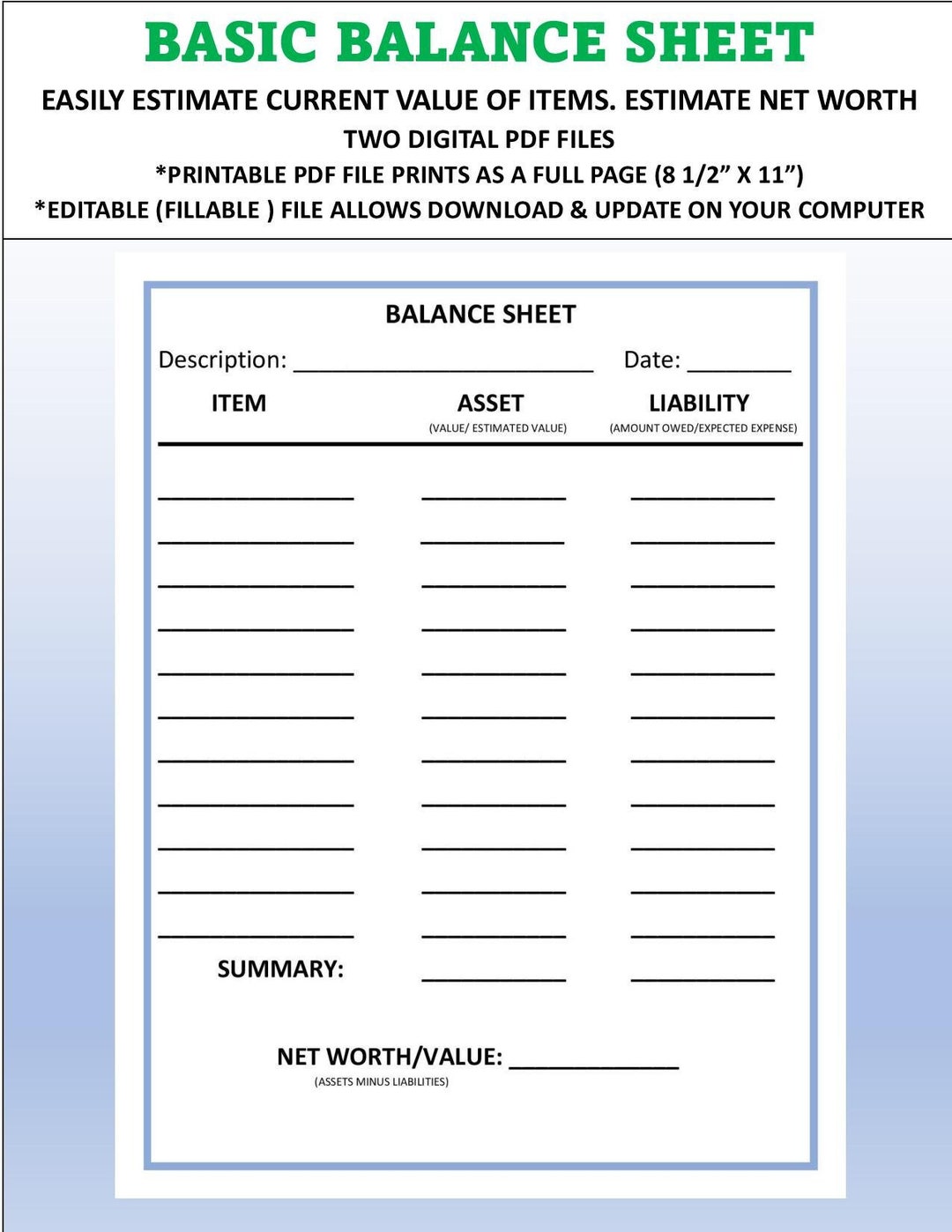
- Create an Initial Balance Sheet Audit: Gather statements for every bank account, loan, credit card, and investment portfolio. Record baseline numbers in a financial management spreadsheet or software application.
- Standardize Valuation Rules: Establish consistent guidelines for valuing illiquid assets. Update vehicle values annually using recognized auto guides, and review property value estimates using local market sales data.
- Prioritize High-Interest Debt Paydown: Reducing high-interest debt directly improves net worth by eliminating compound interest losses. For debt reduction guidance, review resources provided by the Consumer Financial Protection Bureau.
- Automate Asset Accumulation: Set up automatic monthly contributions to retirement accounts and investment portfolios to ensure steady asset growth.
- Schedule an Annual Review: Rebalance your balance sheet at the end of each fiscal year to assess progress, adjust for tax changes, and realign investments with your long-term goals.