The Bridgerton universe revolves around Regency-era London's high-society marriage market, tracking core romantic pairings from initial introductions and scandalous gossip to enduring matrimony across novels and screen adaptations.
Since its television debut on Netflix and its origins in Julia Quinn’s bestselling book series, Bridgerton has captured global attention through its vivid exploration of love, status, and personal growth. Each season of the television adaptation—and each corresponding novel—focuses on a specific sibling or central figure within the Ton, guiding them through the treacherous waters of courtship. Understanding these core pairings requires examining how they navigate social expectations, personal demons, and external pressures to find lasting affection. This complete guide breaks down every principal couple at the heart of the franchise, analyzing their individual dynamics, narrative arcs, and distinct contributions to the overarching saga.
Understanding the Regency Marriage Market and the Bridgerton Family Dynamics
The foundation of the Bridgerton universe rests on the strict social conventions of Regency-era England, where the annual social season dictates the fortunes of aristocratic families. Young ladies are presented to the Queen, and mothers scheme to secure advantageous matches before the window of opportunity closes. Within this competitive environment, the Bridgerton family holds a prominent and well-regarded position, characterized by close sibling bonds, deep-seated loyalty, and a matriarch, Violet Bridgerton, who genuinely desires love matches for all eight of her children, named alphabetically from Anthony to Hyacinth.
While secondary characters provide rich subplots, the core pairings drive the narrative forward. Every romance functions as a character study, exploring themes ranging from duty and trauma to independence and social reform. As the television series adapts each novel sequentially or with deliberate creative reordering, these couples demonstrate that love in the Ton is rarely straightforward. Examining the structural progression of these romances reveals how societal pressures amplify personal stakes, transforming ballroom dances and scandalous promenades into battles for emotional survival and mutual respect.
Daphne Bridgerton and Simon Basset (Season 1)
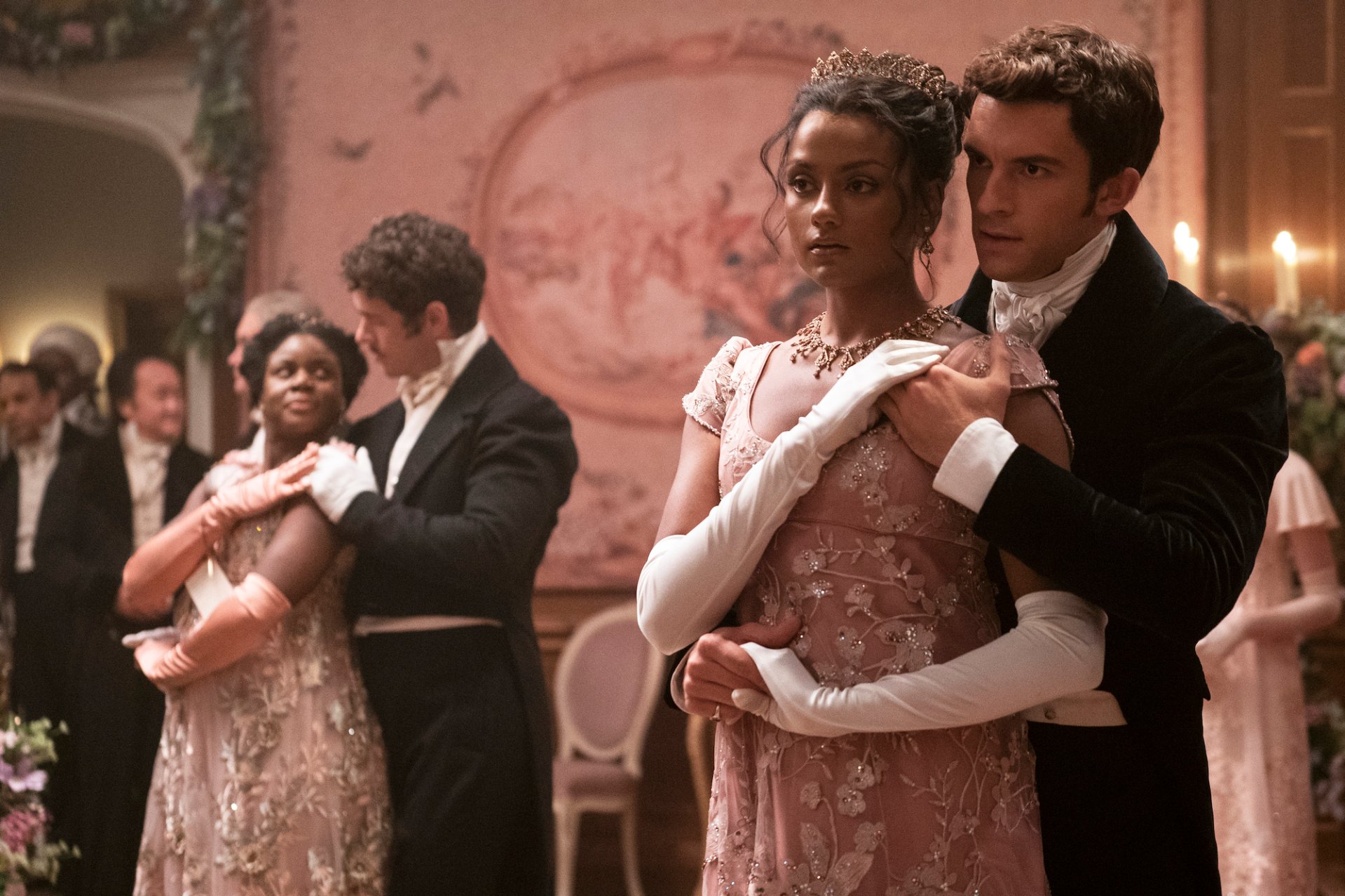
The inaugural pairing of the franchise establishes the template for subsequent romances, pairing the eldest Bridgerton daughter, Daphne, with Simon Basset, the brooding Duke of Hastings. Daphne enters the marriage market as the diamond of the first water, yet her lack of worldly experience leaves her vulnerable to unwanted suitors. Simon, burdened by a vow to spite his late father by letting his ducal line die out, seeks refuge from matchmaking mamas. Their initial meeting leads to a calculated fake courtship designed to fend off predatory debutantes and elevate Daphne's desirability.
As the ruse deepens, genuine attraction develops, culminating in a rushed marriage born of scandal rather than careful planning. Their subsequent conflict centers on Simon’s deep-seated resentment toward his father and his stubborn refusal to have children, which clashes with Daphne’s desire for a complete family. The resolution of their conflict requires vulnerability, emotional maturity, and forgiveness. Daphne and Simon’s arc demonstrates that overcoming personal trauma is essential for building a healthy partnership, establishing a high standard for the romances that follow.
Anthony Bridgerton and Kate Sharma (Season 2)
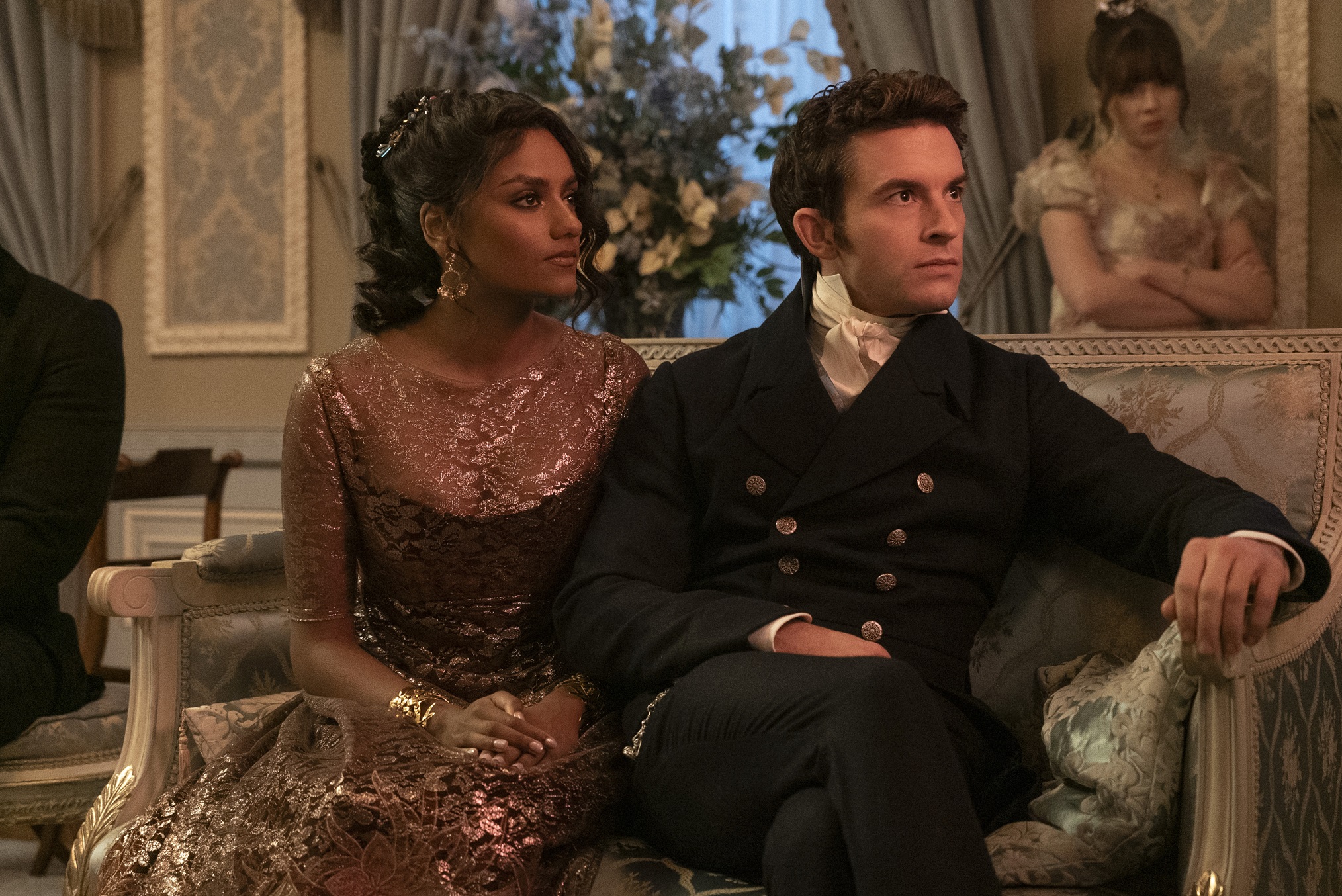
Shifting focus to the head of the household, the second pairing features Viscount Anthony Bridgerton and the fiercely protective newcomer Kate Sharma. Anthony approaches the marriage market with cold, clinical detachment, viewing matrimony solely as an estate duty rather than an emotional endeavor. He resolves to marry Edwina Sharma, Kate’s younger half-sister, whom the Queen names the diamond of the season. Kate, recognizing Anthony’s lack of genuine affection, attempts to thwart the match to protect her sister’s happiness.
The dynamic between Anthony and Kate relies on mutual stubbornness, shared familial duty, and intense chemistry. Both characters carry profound burdens: Anthony is haunted by the sudden death of his father at a young age, while Kate feels responsible for her family's financial stability and social standing. Their verbal sparring gradually transforms into profound understanding as they confront their fears of vulnerability. Their eventual union highlights the triumph of shared resilience over rigid obligation, proving that true partnerships require mutual equals who challenge and support one another.
Colin Bridgerton and Penelope Featherington (Season 3)
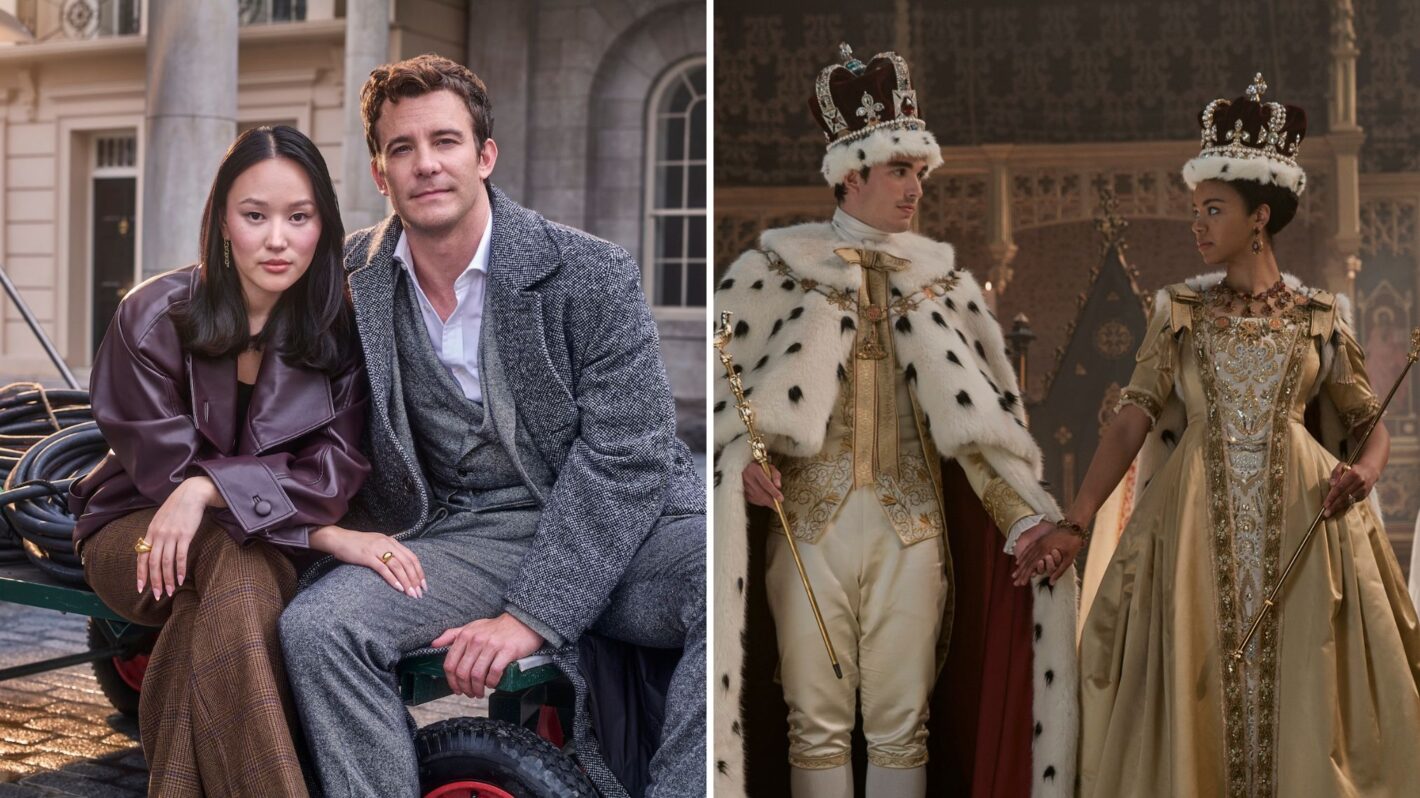
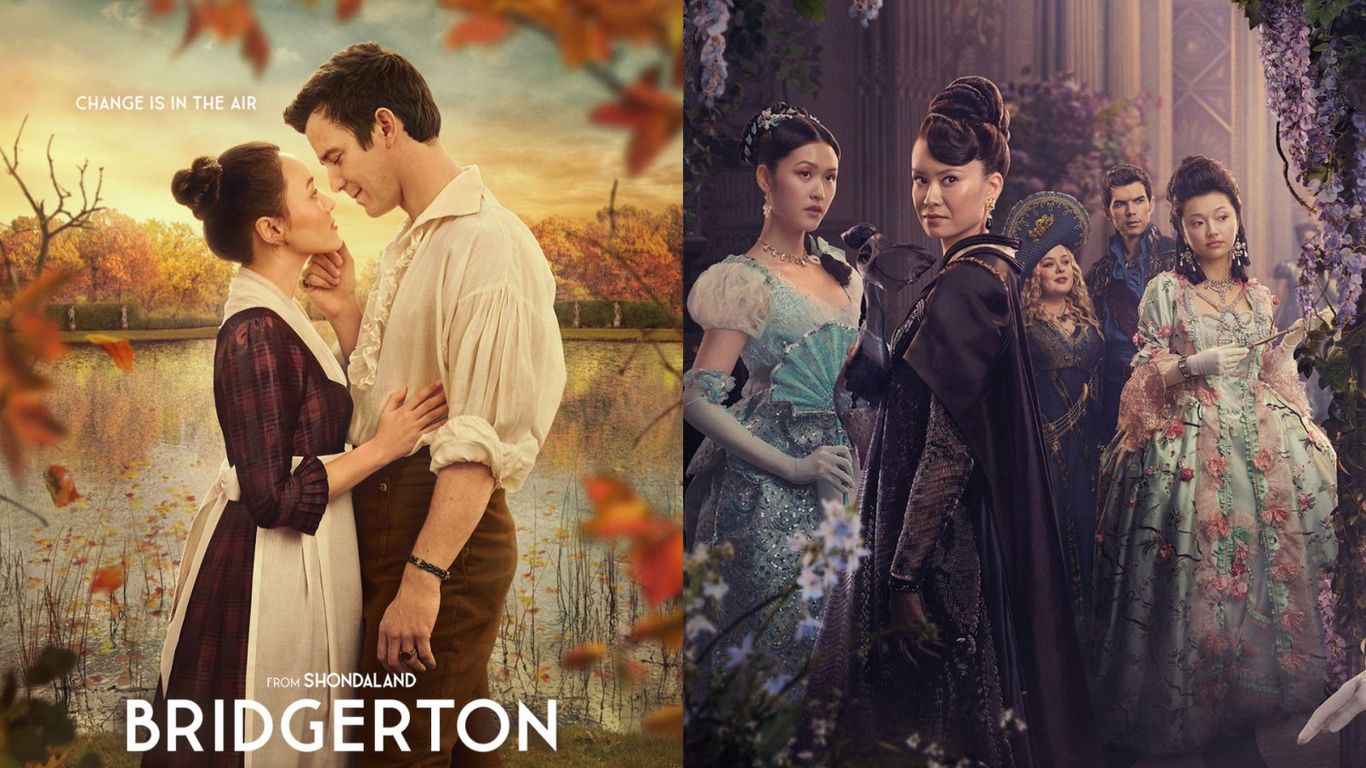
The third major pairing brings together longtime friends Colin Bridgerton and Penelope Featherington, a relationship built on years of shared history and hidden truths. Colin returns from his travels abroad with a newly polished, worldly persona, while Penelope continues to navigate the fringes of society, quietly nursing unrequited love for him while publishing scandalous gossip under the pseudonym Lady Whistledown. When Penelope resolves to find a husband who will grant her independence from her overbearing mother, Colin offers to mentor her in the art of flirtation.
This arrangement quickly unravels as Colin realizes his feelings for Penelope extend far beyond friendship. However, the core conflict of their romance hinges on Penelope’s secret identity as Lady Whistledown, a revelation that threatens to destroy both her social standing and Colin’s pride. Their journey explores themes of authenticity, acceptance, and the courage to be seen for who one truly is. Colin must learn to value Penelope for her intellect and ambition rather than viewing her merely as a damsel in need of protection, cementing a modern partnership based on complete transparency.
Benedict Bridgerton and Sophie Beckett (Book Focus)
While later television seasons continue to unfold, the literary series provides the blueprint for the remaining core Bridgerton pairings, beginning with the second-eldest son, Benedict. Known for his artistic temperament and initial reluctance to conform to societal expectations, Benedict’s story takes a Cinderella-inspired turn when he meets a mysterious woman in silver at a masquerade ball. This woman is Sophie Beckett, the illegitimate daughter of an earl relegated to working as a maid after her father’s death.
Benedict spends years searching for his elusive silver-gloved lady, unaware that she is the servant working in his orbit. When he eventually encounters her in difficult circumstances, his protective instincts clash with the rigid class boundaries of Regency society. Their romance examines the complexities of social stratification and personal integrity. Benedict must choose between bowing to familial expectations and honoring a love that defies convention, while Sophie must learn to trust a man from a world that has repeatedly mistreated her.
Eloise Bridgerton and Sir Phillip Crane (Book Focus)
Eloise Bridgerton, celebrated for her sharp wit, feminist ideals, and disdain for conventional courtship, finds her unexpected match in Sir Phillip Crane, a botanist and grieving widower. Following a lengthy correspondence initiated by condolences over Marina Thompson's death, Eloise and Phillip develop a mental rapport through letters before meeting in person. When Eloise impulsively runs away to visit Phillip at his remote estate, they are forced to navigate an immediate, unrefined introduction.
Their pairing bridges the gap between intellect and domestic reality. Phillip is a brooding, practical man struggling to raise two unruly children, while Eloise is accustomed to intellectual stimulation and urban society. Their romance highlights the process of mutual adaptation. Eloise discovers that domestic life does not preclude intellectual fulfillment, and Phillip learns to open his home and heart to genuine companionship. It is a pairing defined by the collision of independent minds finding unexpected comfort in quiet domesticity.
Francesca Bridgerton and Michael Stirling / John Stirling (Book/Screen Focus)
Francesca Bridgerton occupies a unique space within the franchise, known for her quiet demeanor, love of music, and desire for privacy amidst a boisterous family. Her literary journey involves two distinct relationships: her initial marriage to John Stirling, Earl of Kilmartin, and her subsequent romance with John’s cousin and successor, Michael Stirling. John and Francesca share a quiet, profound love characterized by deep peace and mutual respect, free from the theatrical drama that surrounds her siblings.
Following a tragic loss, Francesca’s story evolves through her relationship with Michael, a man who has secretly loved her for years while harboring guilt over his feelings for his cousin's wife. Their pairing explores grief, guilt, and the complicated process of finding a second chance at love without invalidating the past. Francesca’s narrative challenges the notion that all great romances must begin with a thunderous ballroom clash, offering instead a tender meditation on enduring devotion and emotional recovery.
Gregory Bridgerton and Lucy Abernathy (Book Focus)
The final romantic arc of the original book series focuses on the youngest Bridgerton son, Gregory, a hopeless romantic who firmly believes in the idealized concepts of love found in poetry and literature. His heart is initially set on Hermione Watson, but he soon realizes that her affections lie elsewhere. To win her over, Gregory enlists the help of Hermione’s sharp-witted and pragmatic friend, Lucy Abernathy.
As Gregory and Lucy collaborate, a deep friendship forms, eventually upending Gregory's romantic fantasies as he realizes that Lucy is his true match. However, complications arise when Lucy is promised in marriage to another man, forcing Gregory to embark on a dramatic rescue mission reminiscent of the gothic novels he admires. Their pairing highlights the transition from youthful fantasy to mature reality, proving that sustainable love requires practical partnership alongside romantic passion.
Hyacinth Bridgerton and Gareth St. Clair (Book Focus)
Hyacinth Bridgerton, the youngest of the siblings, matches her mother’s intelligence and surpasses everyone in sharp wit and observational skill. Unfazed by the traditional marriage market, she finds herself drawn to Gareth St. Clair, a notorious rake with a troubled family history and a penchant for trouble. Their dynamic is kick-started when Gareth enlists Hyacinth's help to translate an old Italian diary that holds the key to his inheritance.
The pairing of Hyacinth and Gareth relies on intellectual sparring, shared mischief, and mutual respect. Neither character suffers fools lightly, and their interactions are marked by brilliant banter and rapid-fire dialogue. As they decode the mystery within the diary, they uncover deeper layers of vulnerability and family trauma. Their romance celebrates the power of intellectual equals who challenge each other to grow beyond their reputations, closing the core literary generation with a vibrant flourish.
Comparative Overview of Core Bridgerton Pairings
| Couple | Primary Medium | Central Theme / Conflict | Defining Dynamic |
|---|---|---|---|
| Daphne & Simon | Season 1 / Book 1 | Overcoming past trauma and family legacy | Fake courtship to genuine vulnerability |
| Anthony & Kate | Season 2 / Book 2 | Balancing heavy familial duty with personal desire | Intellectual sparring and stubborn equals |
| Colin & Penelope | Season 3 / Book 4 | Unrequited love, hidden identities, and honesty | Friends-to-lovers with high stakes secrets |
| Benedict & Sophie | Book 3 | Class divides and societal expectations | Cinderella dynamic across social strata |
| Eloise & Phillip | Book 5 | Intellectual independence versus domestic reality | Pen pals meeting in unexpected circumstances |
| Francesca & John / Michael | Book 6 | Quiet devotion, grief, and second chances | Serene partnership evolving through loss |
| Gregory & Lucy | Book 7 | Transforming romantic idealism into reality | Pragmatic collaboration turning to passion |
| Hyacinth & Gareth | Book 8 | Family legacy, secrets, and sharp wit | Intellectual banter and joint investigations |
Frequently Asked Questions
Which Bridgerton couple is featured in Season 3 of the television series?
Season 3 of the television adaptation focuses on Colin Bridgerton and Penelope Featherington, shifting the narrative chronology from the books to highlight their long-standing friendship, hidden identities, and transition into romance.
Are all the core couples featured in both the books and the television series?
While Julia Quinn’s book series contains eight distinct novels detailing the romances of all eight Bridgerton siblings, the television adaptation is released progressively across multiple seasons, adapting and reordering storylines to fit television pacing.
What is the significance of Lady Whistledown in the pairings?
Lady Whistledown’s gossip column acts as an external pressure and catalyst for many of the core pairings, most notably in Season 3, where her secret identity directly impacts her relationship with Colin Bridgerton.
How do the television adaptations differ from the original books?
The television series frequently introduces expanded supporting storylines, diverse casting choices, and altered chronological order for the sibling romances, while maintaining the core emotional arcs and thematic focus of the novels.
Which Bridgerton couple deals with the theme of grief and second chances?
Francesca Bridgerton’s story, focusing on her relationships with John Stirling and later Michael Stirling, primarily explores the complexities of grief, emotional recovery, and finding love after experiencing profound loss.
Can the Bridgerton books be read out of publication order?
While each book focuses on a different sibling and can technically be read as a standalone romance, reading them in publication order provides a richer understanding of recurring secondary characters and the evolving family dynamic over time.
Navigating the Universe of Regency Romance
To fully appreciate the world of Bridgerton, readers and viewers should start by identifying their preferred narrative tropes—whether that is the classic enemies-to-lovers dynamic of Anthony and Kate or the slow-burn friends-to-lovers arc of Colin and Penelope. Engaging with both the original Julia Quinn novel series and the Shondaland television adaptation offers a comprehensive view of how Regency romance themes are interpreted across different mediums. For newcomers, exploring the series chronologically by publication date ensures that character introductions and family developments unfold naturally, providing maximum context for each high-society scandal and triumphant love match.