Navigating live entertainment venues requires a clear understanding of architecture, sightlines, and configuration options. For eventgoers planning an outing in downtown Miami, the James L. Knight Center remains a premier multipurpose facility hosting concerts, theatrical productions, comedy shows, and corporate conventions. This comprehensive seating guide for 2026 provides everything you need to know about the venue layout, tier breakdowns, ADA accommodations, and strategic ticket selection to ensure an optimal experience.
Venue Architecture and Configuration Overview
The James L. Knight Center, located at 400 SE 2nd Ave, Miami, FL 33131, is housed within the complex that also features the Hyatt Regency Miami. The main performance hall, often referred to as the Knight Center Auditorium, features a versatile theater-style setup designed to scale according to the event. Unlike massive open-air amphitheaters or giant sports arenas, this mid-sized venue offers an intimate acoustic and visual environment, typically accommodating between 4,500 and 5,000 patrons depending on the specific staging requirements of each tour or production.
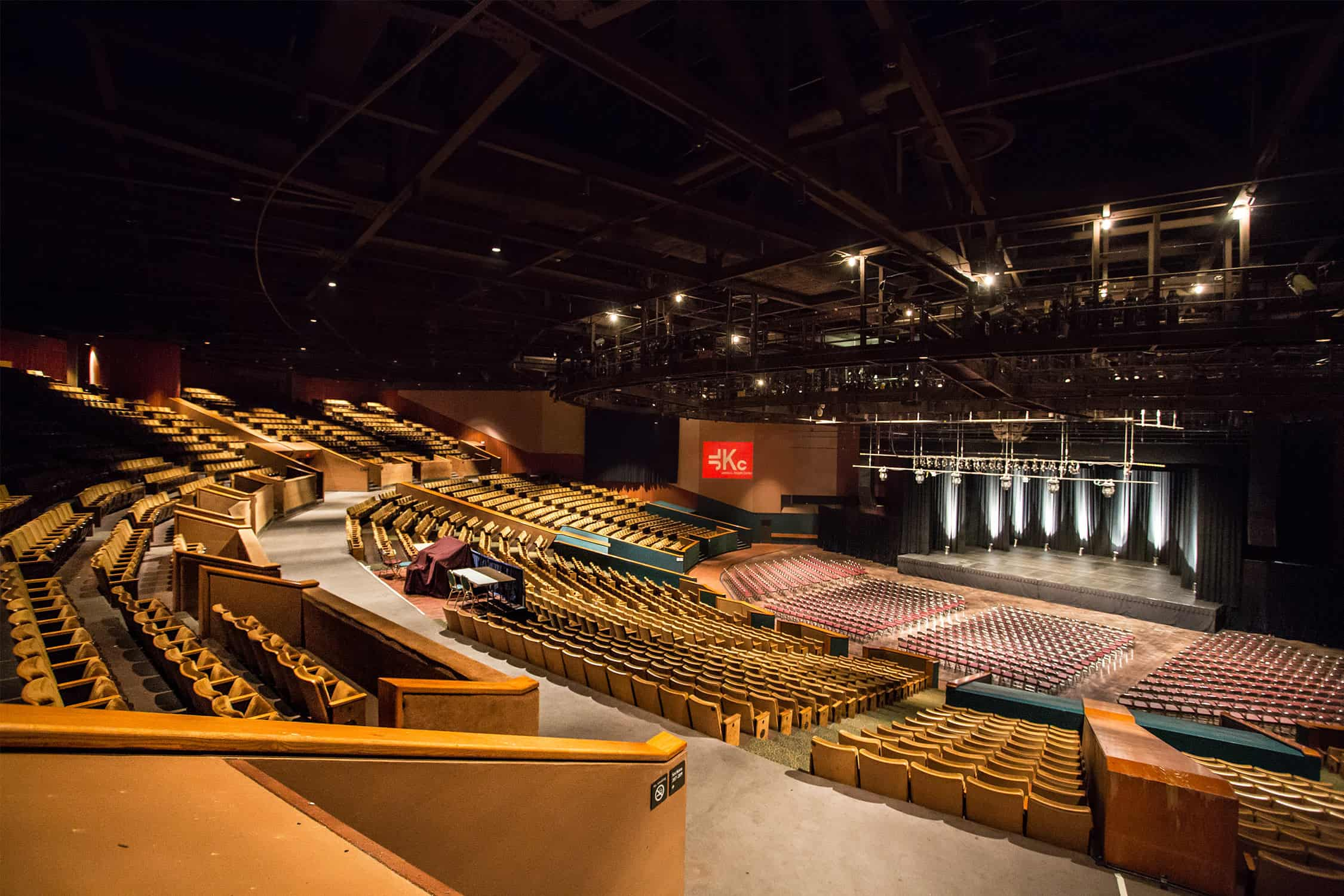
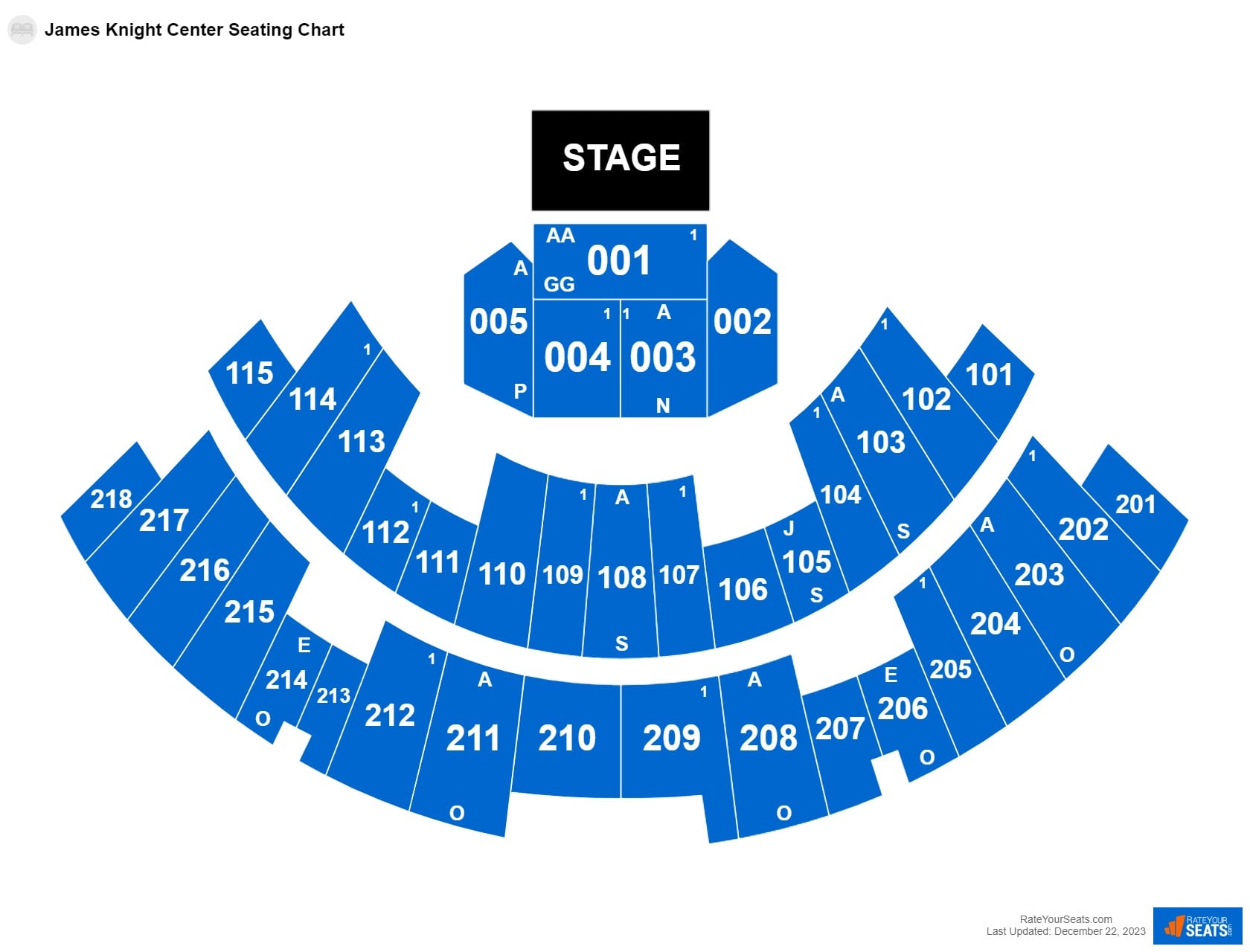
The seating bowl is traditionally divided into three primary vertical tiers: the Orchestra level on the ground floor, the Mezzanine level in the middle, and the Balcony level overhead. Each section utilizes standard numeric row sequencing, with seat numbers typically starting from the low numbers on the right side of a section when facing the stage and moving toward higher numbers on the left. Understanding this progression is crucial when selecting side-view versus center-view tickets.
Detailed Breakdown of Seating Tiers
To choose the right ticket for your 2026 event, you must evaluate the unique advantages and compromises associated with each level of the auditorium.
Orchestra Level
The Orchestra section sits directly on the main floor and places audiences closest to the performers. This tier is further subdivided into Orchestra Center, Orchestra Left, and Orchestra Right.
- Orchestra Center (Rows A through Z): Widely considered the best seats in the house. Rows A through C put you face-to-face with the stage, though extreme front rows may require looking slightly upward. Rows D through M offer the ultimate balance of proximity and eye-level perspective.
- Orchestra Left and Right: These side sections flank the center. While rows closer to the center aisle provide wonderful views, seats positioned near the far outer walls can experience slight angle obstructions, particularly for productions with elaborate stage sets or side-mounted video screens.
Mezzanine Level
Positioned directly above the rear portion of the Orchestra, the Mezzanine level provides an elevated perspective that is favored by many theater purists and concertgoers who prefer seeing complex stage lighting and choreography in full context.
- Front Mezzanine: Rows near the front of this tier offer unobstructed, elevated sightlines that look straight down onto the stage without requiring you to crane your neck.
- Rear Mezzanine: While farther back, these rows remain reasonably close to the action and often represent a high-value sweet spot for budget-conscious buyers who still want an overhead view.
Balcony Level
The Balcony tier is the highest elevation in the James L. Knight Center, offering steep elevation and expansive views of the entire auditorium.
- Sightline Dynamics: While ticket prices in the Balcony are generally the most affordable, patrons should note the height and distance from the stage. Performers will appear smaller, making binoculars or reliance on the house video screens beneficial for detailed viewing.
- Aisle Access: Rows near the top of the Balcony feature steeper incline steps, so individuals with vertigo or mobility sensitivities should carefully review row numbers before purchasing.
Venue Seating Tier Comparison
| Section Tier | Elevation Profile | Proximity to Stage | Best Suited For | Potential Trade-Offs |
|---|---|---|---|---|
| Orchestra Center | Ground Level (Flat to slight slope) | Immediate to Close | Hardcore fans, concert lovers, immersive theater | Higher price point; front rows require looking up |
| Orchestra Sides | Ground Level (Outer wings) | Close to Moderate | General attendance, quick aisle access | Extreme side angles can create partial views |
| Front Mezzanine | Low Elevation (First raised tier) | Moderate | Broad-view enthusiasts, families, musicals | High demand leads to competitive pricing |
| Rear Mezzanine | Mid Elevation | Moderate to Far | Budget-conscious buyers wanting good overhead views | Distance from stage reduces facial expression visibility |
| Balcony | High Elevation (Top tier) | Maximum Distance | Large-scale productions, tight-budget attendance | Steep steps; performers appear quite small |
Accessibility and ADA Seating Accommodations
The James L. Knight Center complies fully with the Americans with Disabilities Act (ADA) to ensure all guests enjoy equal access to live events.
- Wheelchair-Accessible Locations: Dedicated ADA seating platforms are integrated across various price tiers, primarily situated at the rear of the Orchestra section and specific accessible rows in the Mezzanine. These spaces accommodate wheelchairs and companion seating.
- Companion Seating: To prevent separation, the venue generally permits the purchase of adjacent companion seats for each ADA ticket holder, subject to availability at the time of booking.
- Assisted Listening Devices: Patrons with hearing impairments can request complimentary assisted listening devices from the guest services desk inside the main lobby by providing a valid form of identification as a deposit.
Insider Tips for Selecting the Best Seats
Securing an ideal vantage point involves more than just picking a section. Apply these strategic recommendations when browsing interactive seating maps:
- Check for Mixing Consoles: For certain contemporary concerts, the sound and lighting engineering board is placed in the center of the Orchestra floor (usually around Row P through V). While professional audio engineers keep setups compact, seats directly behind the mixing booth can have minor interruptions in sightlines.
- Evaluate Overhangs: The overhang from the Mezzanine level can slightly obstruct the very top rows of the rear Orchestra. If you prefer a completely open sky view above you, aim for Orchestra rows ahead of the Mezzanine overhang.
- Prioritize Center Aisles: If you value quick entry, exit, and restroom breaks, select seats located near the center aisles rather than deep against the outer walls.
Frequently Asked Questions
What is the capacity of the James L. Knight Center auditorium?
The main performance hall typically seats between 4,500 and 5,000 people, depending on whether the floor is configured with reserved seating or general admission standing room. This mid-sized capacity ensures an intimate experience compared to massive arenas.
Are there any obstructed view seats in the venue?
Most seats offer clear views, but extreme side sections in the Orchestra and upper rows beneath architectural overhangs can feature minor restrictions. Official ticketing platforms generally flag restricted-view seats prior to checkout.
How do I access ADA seating when buying tickets?
ADA-compliant seats can be filtered and selected directly through authorized ticketing providers like Ticketmaster by toggling the accessibility icon on the seating map, or by contacting the venue box office directly.
Can I bring bags into the seating area?
The venue enforces strict bag policies for security purposes. Small clutches and purses are typically permitted, while oversized backpacks and large luggage pieces must be checked or left at home.
Where is the best acoustic spot in the auditorium?
Sound engineers generally design the acoustic profile to peak in the Orchestra Center and the Front Mezzanine tiers, where direct sound waves and house speaker arrays blend harmoniously.
Are food and beverages allowed at my seat?
Purchased snacks and beverages from the concourse bars are generally allowed inside the seating bowl, provided patrons remain respectful of neighboring guests and dispose of waste properly.
Plan your next entertainment outing at the James L. Knight Center by reviewing active event calendars, analyzing interactive seat maps for your specific performance, and securing tickets early to guarantee your preferred perspective.