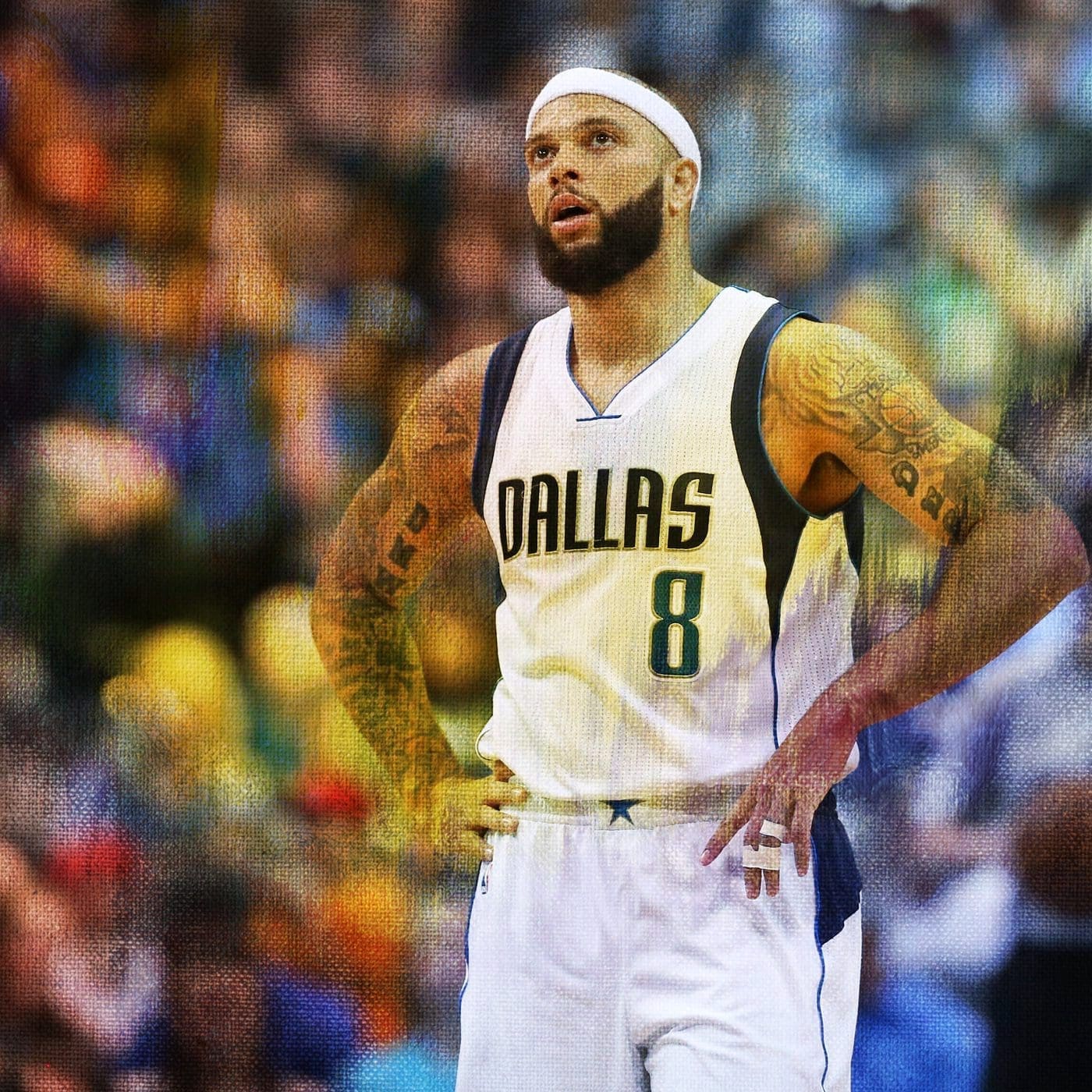
As of 2026, Deron Williams maintains a disciplined physical profile, with his current weight estimated between 215 and 220 pounds. Since stepping away from professional basketball in 2017, the three-time NBA All-Star has transitioned from the high-cardio demands of the hardwood to a focus on functional strength, combat sports training, and longevity. His physical evolution reflects a deliberate shift from the "power point guard" archetype of the mid-2000s to a versatile athlete in his early 40s.
The Evolution of Deron Williams’ Physical Profile
Deron Williams entered the NBA in 2005 as one of the most physically imposing point guards the league had seen. Standing 6 feet 3 inches with a broad frame, he possessed a unique combination of strength and agility that allowed him to overpower smaller defenders and outmaneuver larger ones. During his collegiate years at the University of Illinois, Williams was noted for his "sturdy" build, which scouts initially feared might lead to weight issues. However, he silenced critics by arriving at the 2005 NBA Draft in peak condition, weighing approximately 209 pounds.
Throughout his 12-season NBA career, his weight fluctuated based on injury status and team requirements. During his prime years with the Utah Jazz (2005–2011), he was typically listed between 205 and 210 pounds. This was considered his "fighting weight" for basketball—heavy enough to drive through contact in the paint but light enough to sustain the pace of Jerry Sloan’s flex offense.
As he moved to the New Jersey/Brooklyn Nets, chronic ankle injuries began to impact his ability to maintain consistent conditioning. By the mid-2010s, Williams often played closer to 215 or 220 pounds. The added weight was a double-edged sword; while it provided a physical advantage in the post, it increased the load on his lower extremities, contributing to the "heavy-footed" perception that shadowed his later years in Dallas and Cleveland.
Analyzing the Transition: From the Hardwood to the Boxing Ring
One of the most significant "career changes" for Williams occurred post-retirement when he pivoted toward combat sports. In December 2021, Williams participated in a high-profile exhibition boxing match against former NFL running back Frank Gore. This event required a complete overhaul of his physical profile.
Training for boxing necessitated a shift from basketball-specific endurance (explosive sprints and lateral movement) to combat conditioning (rotational power and sustained aerobic output). For the Gore fight, Williams weighed in at 211.2 pounds, placing him firmly in the cruiserweight category. This transformation was notable because it showcased a leaner, more muscular version of Williams than fans had seen during his final years with the Cleveland Cavaliers in 2017.
In 2026, his physical regimen is largely influenced by his involvement with Fortis MMA in Dallas. Rather than training for the 82-game grind of an NBA season, Williams focuses on Brazilian Jiu-Jitsu and striking. This has resulted in a "current profile" that prioritizes core stability and upper-body strength. While he is heavier than his rookie weight, the composition of that weight is vastly different, featuring a higher percentage of lean muscle mass compared to his late-career NBA days.
Comprehensive Career Statistics and NBA Milestones
To understand the magnitude of Deron Williams' impact, one must look at the statistical output he maintained during the "Golden Age" of NBA point guards. For nearly half a decade, the debate over the league’s best floor general was a two-man race between Williams and Chris Paul.
Williams was a master of the double-double, combining elite scoring with visionary passing. His signature move—the "crossover"—relied heavily on his physical strength to freeze defenders before he accelerated toward the rim.
| Statistical Category | NBA Career Average | Peak Season (2010-2011) |
|---|---|---|
| Points Per Game (PPG) | 16.3 | 20.1 |
| Assists Per Game (APG) | 8.1 | 10.3 |
| Rebounds Per Game (RPG) | 3.1 | 4.0 |
| Field Goal % | 44.5% | 45.8% |
| Free Throw % | 82.2% | 85.0% |
| Games Played | 845 | 82 (2007-08) |
Williams’ career totals include over 13,000 points and nearly 7,000 assists. He was a two-time Olympic Gold Medalist (2008, 2012) and a two-time All-NBA Second Team selection. His ability to maintain these stats while managing a physical profile that was often under scrutiny speaks to his high basketball IQ and fundamental skill set.
Physical Measurements and Comparative Data
Williams’ physical dimensions were a primary reason he was selected 3rd overall in 2005, ahead of Chris Paul. His wingspan and hand size allowed him to defend multiple positions, a trait that became highly valued as the league moved toward positionless basketball.
| Feature | Measurement/Value | Context |
|---|---|---|
| Height | 6' 3" (191 cm) | Standard for elite PGs of his era. |
| Wingspan | 6' 6.25" | Provided a significant reach advantage in passing lanes. |
| Draft Weight (2005) | 209 lbs | Considered "robust" for a 21-year-old guard. |
| Boxing Weight (2021) | 211 lbs | Leanest post-retirement physique. |
| Current Weight (2026) | ~218 lbs | Balanced for general health and MMA training. |
| Vertical Leap | 35 inches (at draft) | Exceptional for a player of his bulk. |
The Impact of Injuries on Career Longevity
Any discussion of Williams’ physical profile must address his history of ankle injuries. During his tenure with the Brooklyn Nets, Williams underwent multiple procedures, including cortisone injections and surgeries to remove bone spurs and loose bodies.
These injuries changed how he carried his weight. To compensate for reduced lateral quickness, Williams often leaned into his strength, becoming a "bully ball" point guard. However, the additional weight required to play this style often exacerbated the inflammation in his joints. By 2026, Williams has reportedly moved away from high-impact activities like basketball to preserve his joint health, opting instead for low-impact grappling and golf, which explains his current stable and healthy weight.
Managing Longevity: Deron Williams in 2026
Now in his early 40s, Williams’ "stats" are no longer measured in points and assists but in health markers and athletic versatility. He remains a prominent figure in the Dallas sports scene, often seen at the Mavericks' facility or training at Fortis MMA.
His career change from athlete to entrepreneur and combat sports enthusiast has allowed him to escape the "yo-yo" dieting and intense caloric requirements of professional basketball. In 2026, he follows a regimen that emphasizes:
- Functional Hypertrophy: Maintaining muscle mass to support metabolic health.
- Mobility Work: Addressing the scar tissue from years of NBA-related ankle and wrist injuries.
- Low-Impact Cardio: Replacing 94-foot sprints with cycling and swimming to maintain a healthy cardiovascular profile without stressing his joints.
His current physical state is a testament to the modern retired athlete's ability to "re-spec" their body for a second act. While his NBA playing days are long over, the physical foundation he built as a world-class athlete remains evident.
FAQ: Deron Williams Physical and Career Profile
What was Deron Williams' highest playing weight?
During his later years with the Brooklyn Nets and Dallas Mavericks, Williams was frequently reported to be playing at 220–225 pounds. While this helped him post up smaller guards, it was often cited as a factor in his recurring ankle and calf issues.
Did Deron Williams ever officially retire from boxing?
After his victory over Frank Gore in 2021, Williams famously stated he was "one and done." While he continues to train in MMA and boxing disciplines for fitness in 2026, he has not returned to the professional or exhibition ring for a sanctioned bout.
How do Deron Williams' career stats compare to Chris Paul?
While Chris Paul has had greater longevity and higher total assists/steals, Deron Williams was often considered the superior scorer and physical force during their head-to-head prime (2007–2011). Williams averaged more points and rebounds during those peak years, whereas Paul led in efficiency and playmaking.
What is Deron Williams doing for work in 2026?
Williams has transitioned into a successful post-NBA life as an investor and entrepreneur. He is a partial owner of Fortis MMA and is involved in several real estate ventures. He also makes frequent appearances as a basketball analyst and remains active in charitable endeavors in the Dallas area.
What were Deron Williams' most significant career injuries?
The most impactful injuries were chronic synovitis and bone spurs in both ankles. These issues began during his time in New Jersey and required multiple off-season surgeries, eventually robbing him of the elite "first step" that made his crossover so lethal.
Recommended Action for Fitness Enthusiasts
For those looking to emulate the "longevity" phase of Deron Williams' physical profile, focusing on cross-training is essential. Transitioning from high-impact sports (like basketball) to resistance-based movements (like Jiu-Jitsu or controlled weightlifting) can help maintain muscle mass while protecting aging joints. In 2026, the "Deron Williams model" serves as a blueprint for former competitive athletes seeking to stay fit without the wear and tear of their original sport.