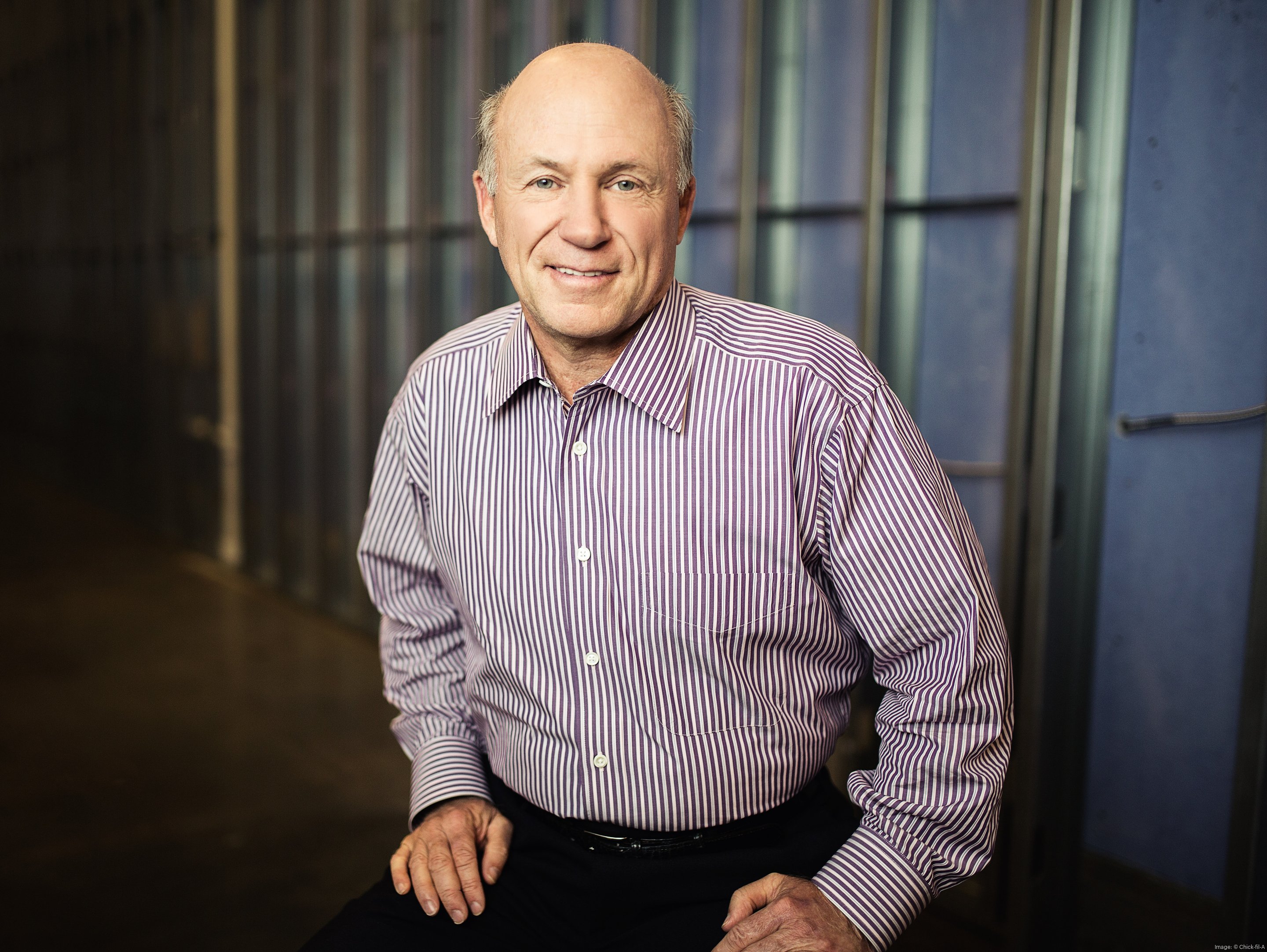
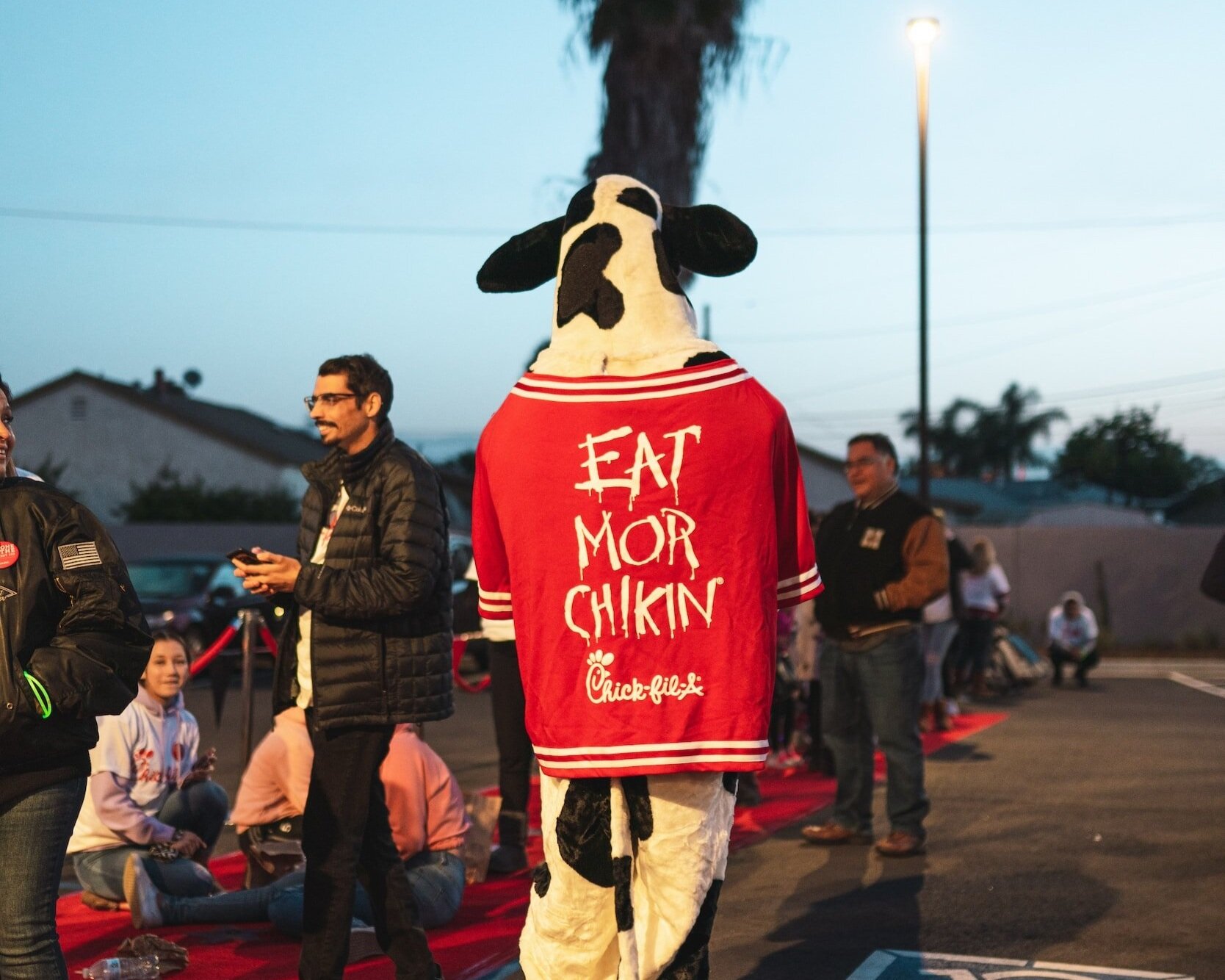
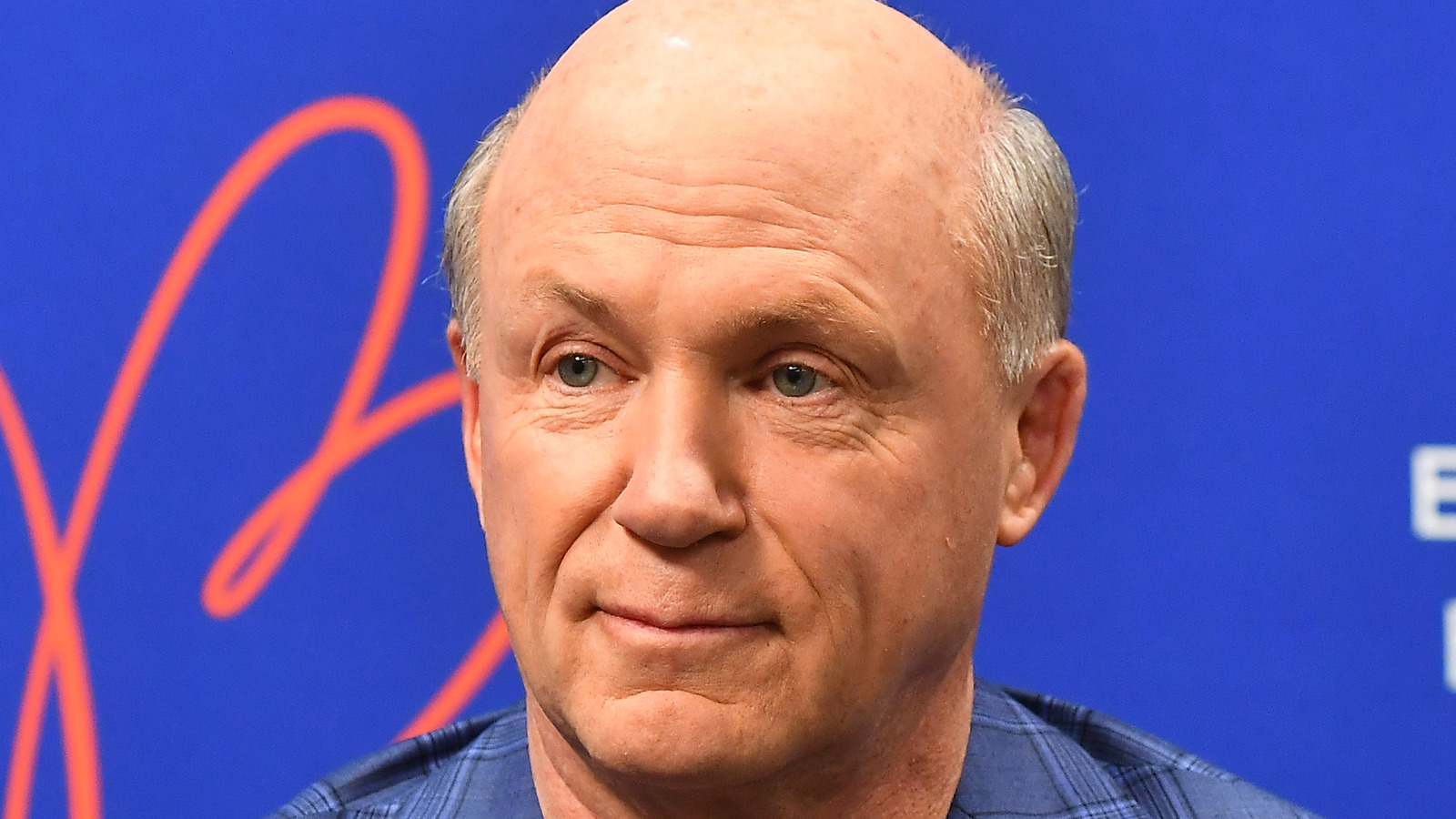
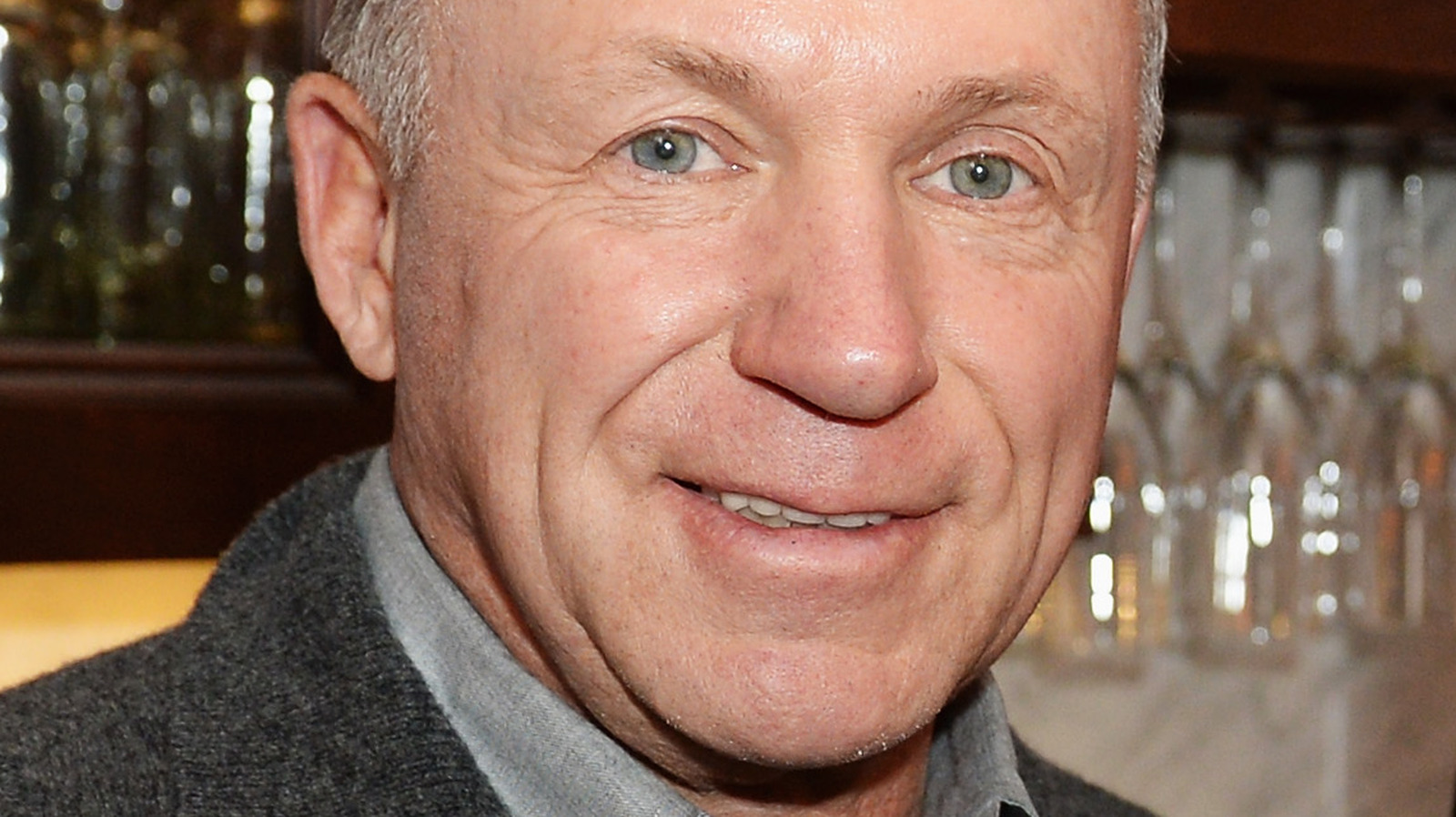
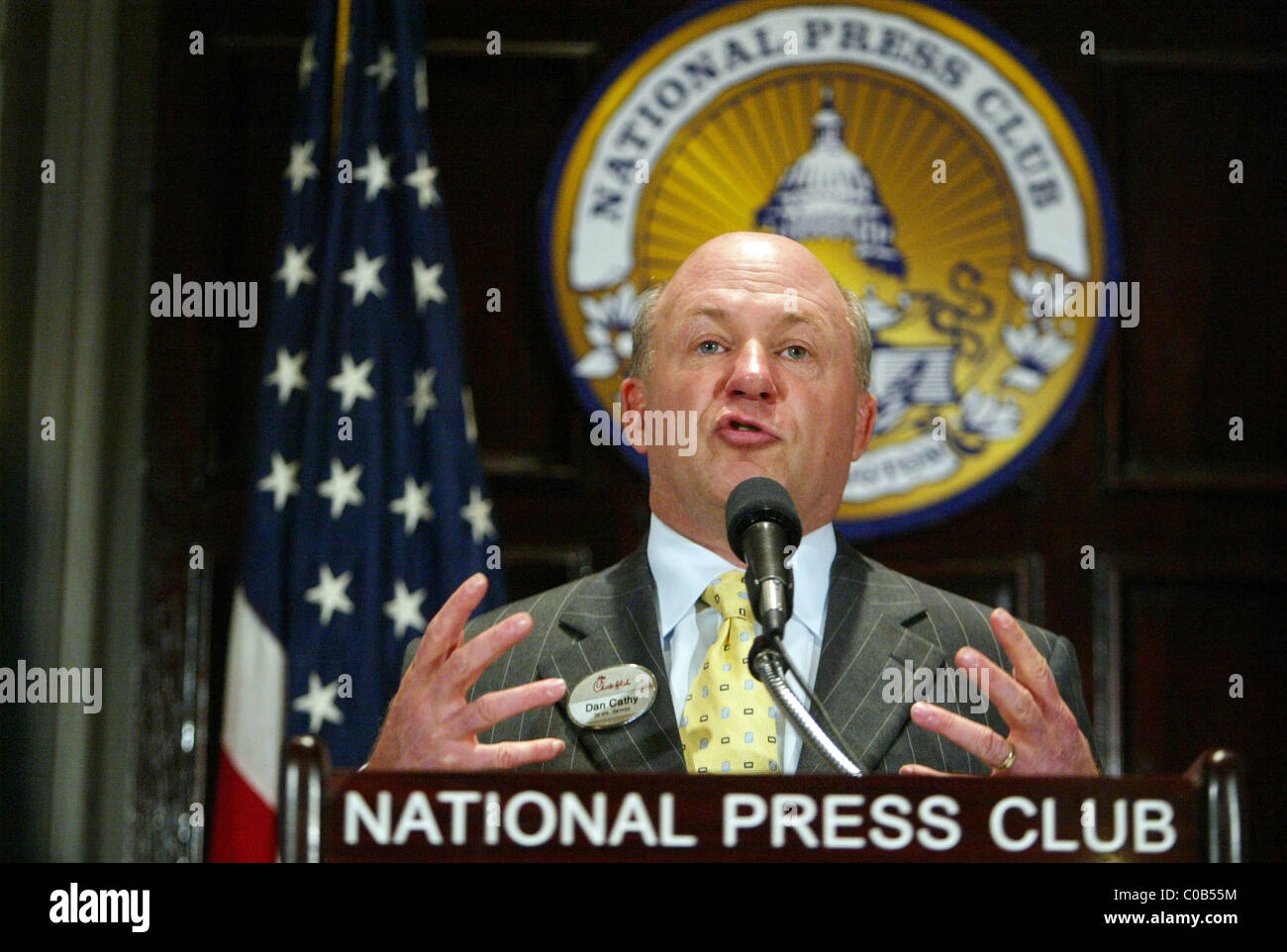
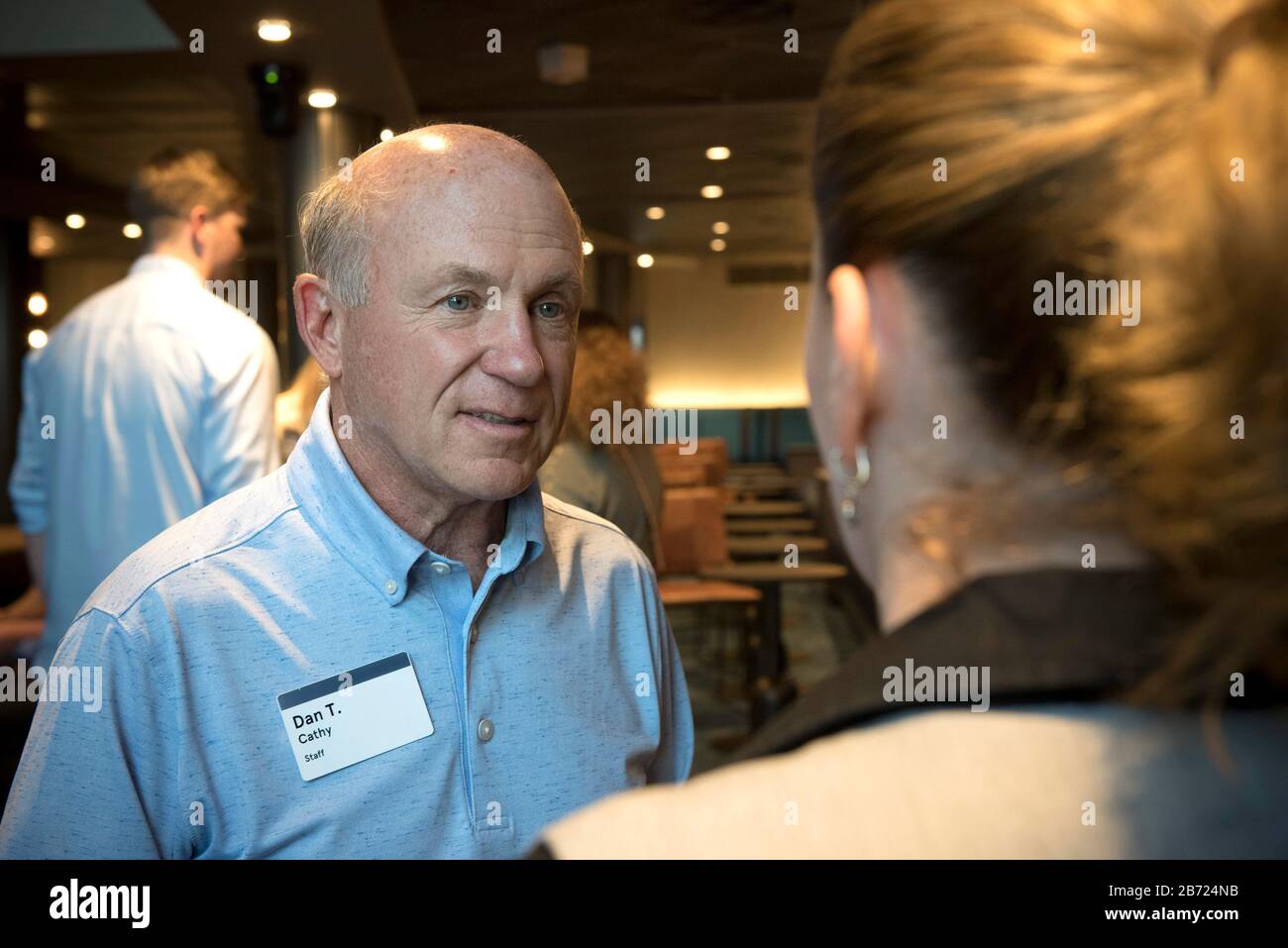
As of 2026, Dan Cathy, the Chairman of Chick-fil-A, possesses an estimated net worth of approximately $11.8 billion. His wealth is primarily derived from his equity in the privately held family empire, which remains the third-largest quick-service restaurant chain in the United States by sales, driven by a unique "servant leadership" model and a highly selective franchise strategy.
The Financial Profile of Dan Cathy in 2026
Dan Cathy’s net worth is a direct reflection of the exponential growth of Chick-fil-A, a company founded by his father, S. Truett Cathy, in 1946. Unlike many of its competitors, Chick-fil-A is not a publicly traded entity. It is an S-Corporation owned entirely by the Cathy family. This private structure means that Dan Cathy’s wealth is not subject to the daily volatility of the stock market, but rather to the internal valuation of the company's massive cash flow and real estate holdings.
In 2026, Chick-fil-A continues to outpace industry averages in revenue per unit. While a typical McDonald’s or Wendy’s might see significant annual sales, a single Chick-fil-A location often generates more than double the revenue of its closest competitors, despite being closed one day a week. Dan Cathy’s portion of this success is bolstered by the company’s vertical integration, including its distribution arms and real estate subsidiaries. Because the company owns the land and buildings for most of its locations, the asset base underlying Cathy's net worth includes billions of dollars in prime commercial real estate across North America and increasingly in international markets like the United Kingdom and Asia.
Beyond the restaurant empire, Dan Cathy has diversified his interests into film production and urban development. His involvement with Trilith Studios (formerly Pinewood Atlanta Studios) has positioned him as a major player in the entertainment industry. Trilith is one of the largest production facilities in North America, serving as the filming location for numerous blockbuster franchises. This diversification has added layers of stability and growth to his portfolio outside of the quick-service food industry.
The Evolution of Leadership: Servant Leadership in Action
Dan Cathy’s leadership style is defined by the concept of "servant leadership," a philosophy that flips the traditional corporate hierarchy on its head. In this model, the role of the executive is to serve the employees, who in turn serve the customers. Cathy has famously spent time working behind the counters of his own restaurants, cleaning tables, and interacting directly with "Operators"—the company’s term for franchisees—to understand the ground-level realities of the business.
This approach is not merely symbolic; it is integrated into the corporate culture of the Atlanta-based Support Center. Under Cathy’s guidance, the company has prioritized "emotional intelligence" and "hospitality" over mere transactional speed. This is most evident in the "Second Mile Service" initiative, which encourages employees to go beyond basic service expectations—such as walking customers to their cars with umbrellas during rainstorms or using the signature phrase "my pleasure."
By fostering a culture where employees feel valued and supported, Cathy has maintained one of the highest retention rates in the industry. In a 2026 labor market characterized by high turnover and automation, Chick-fil-A’s ability to attract and keep talent remains its greatest competitive advantage. Cathy's leadership suggests that a company’s culture is its brand, and that financial success is a byproduct of how well a company treats its people.
The Chick-fil-A Business Strategy: A Model of Scarcity and Quality
The business strategy employed by Dan Cathy is fundamentally different from the standard franchise model seen in the fast-food industry. Most chains seek rapid expansion by allowing wealthy investors to buy dozens or hundreds of locations. Chick-fil-A, conversely, employs a "one-operator, one-store" rule. This ensures that every restaurant has a dedicated leader who is deeply involved in the local community.
The barrier to entry for a Chick-fil-A franchise is notoriously low in terms of capital—often only $10,000—but the selection process is more rigorous than gaining admission to an Ivy League university. The company receives over 60,000 applications annually but selects fewer than 100 new Operators. This strategy creates a partnership where the company pays for the equipment and real estate while the Operator manages the daily execution in exchange for a profit-sharing arrangement.
Comparison of Franchise Models (2026 Data)
| Feature | Chick-fil-A Strategy | Typical QSR Competitor |
|---|---|---|
| Initial Capital Requirement | Low (~$10,000) | High ($500k - $2M+) |
| Operator Ownership | Profit-sharing/Operating rights | Equity ownership of unit |
| Multi-unit Ownership | Rare/Discouraged | Standard/Encouraged |
| Selection Rate | < 1% of applicants | Variable based on net worth |
| Real Estate Control | Corporate-owned | Often Operator-leased or owned |
| Operating Days | 6 Days (Closed Sunday) | 7 Days |
This strategy ensures that the brand remains consistent. Because Operators are not spread thin across multiple locations, they can focus on the minute details of food safety, speed of service, and staff training. Dan Cathy has often stated that the goal is not to be the biggest, but to be the best, and this focus on quality over quantity has paradoxically led to the company becoming one of the biggest.
Cultural Identity and the "Closed on Sunday" Policy
One of the most recognizable aspects of Chick-fil-A’s business strategy is its commitment to remaining closed on Sundays. This policy was established by S. Truett Cathy and has been staunchly defended by Dan Cathy throughout his tenure. From a purely financial perspective, closing one day a week should result in a 14% loss in potential revenue. However, the policy has become a powerful marketing tool and a cornerstone of the company’s recruitment strategy.
The Sunday closure serves three primary purposes:
- Employee Well-being: It guarantees a predictable day of rest for employees, which is a significant draw for high-quality talent who value work-life balance.
- Operational Efficiency: It allows for deep cleaning and maintenance without disrupting service.
- Brand Scarcity: It creates a "craving effect" where customers are more likely to visit on Mondays or Saturdays because the product is unavailable for a 24-hour window.
By 2026, this policy has become a case study in values-based business. While many retailers have moved toward 24/7 operations to maximize margins, Chick-fil-A has proven that a company can achieve industry-leading profitability while adhering to a set of non-negotiable principles. This consistency has built a level of brand loyalty that few other corporations enjoy.
Strategic Growth and the 2026 Outlook
Heading into the latter half of the decade, Dan Cathy’s strategic focus has shifted toward international expansion and digital integration. For decades, Chick-fil-A focused almost exclusively on the American Southeast. Under Dan's chairmanship, the company has successfully penetrated urban markets like New York City and Chicago, and in 2026, it is aggressively expanding into the European and Asian markets.
The international strategy mirrors the domestic one: slow, intentional growth with a focus on localizing the supply chain. In the UK, for instance, the company has invested heavily in sourcing local poultry to maintain its quality standards. Simultaneously, Cathy has overseen a massive digital transformation. The Chick-fil-A mobile app and "One" loyalty program now account for a significant portion of total sales, allowing the company to use data analytics to personalize offers and streamline the drive-thru experience.
Innovation in "Express" units and "Mobile-Only" pickup locations has allowed the brand to thrive in high-density urban environments where traditional drive-thrus are not feasible. This adaptability, combined with a refusal to compromise on core values, defines Dan Cathy’s 2026 business outlook. The company remains a private, family-controlled entity, with Andrew Cathy (Dan’s son) now serving as CEO, ensuring that the leadership transition maintains the family’s long-term vision.
Practical Leadership Takeaways from the Cathy Era
For business leaders and entrepreneurs, the success of Dan Cathy offers several actionable lessons:
- Focus on People over Profits: By investing in the growth and well-being of employees, a company can create a self-sustaining cycle of high performance and customer loyalty.
- Maintain Brand Consistency: A highly selective franchise model may slow growth initially, but it ensures that the brand is never diluted by poor management at the local level.
- Value-Based Decision Making: Standing by core principles—even when they seem to contradict short-term financial logic—can build long-term brand equity and consumer trust.
- Vertical Integration: Controlling the real estate and the supply chain provides a level of financial stability that third-party dependencies cannot offer.
Frequently Asked Questions
What is Dan Cathy’s current role at Chick-fil-A?
As of 2026, Dan Cathy serves as the Chairman of the Board. He stepped down as CEO in 2021, handing the reins to his son, Andrew Cathy, but he remains deeply involved in the company’s strategic direction and international expansion efforts.
How does Chick-fil-A maintain such high revenue despite being closed on Sundays?
The "Closed on Sunday" policy creates a sense of scarcity and ensures that employees are well-rested, leading to higher productivity during the other six days. Additionally, Chick-fil-A units have a significantly higher throughput (cars per hour) in their drive-thrus compared to any other fast-food chain, maximizing revenue during operating hours.
Will Chick-fil-A ever go public?
There are no current plans for Chick-fil-A to go public. The Cathy family has a legal agreement and a deep personal commitment to keeping the company private to ensure it continues to operate according to the founding family’s values and principles.
How much of Dan Cathy’s net worth is liquid?
Because Chick-fil-A is a private company, the vast majority of Dan Cathy’s net worth is tied up in business equity and real estate. While he has significant liquidity from years of dividends and other investments like Trilith Studios, he is a "paper billionaire" whose wealth is primarily an estimation of the company's total market value.
What is the "Second Mile Service" philosophy?
This is a leadership and operational concept based on the biblical injunction to go the extra mile. In a business context, it means providing unexpected levels of hospitality, such as bringing food to the table in a quick-service setting or proactively assisting customers with their needs before they ask.
Implementing the Cathy Model in Modern Business
To apply the strategies that have built Dan Cathy’s multi-billion dollar empire, organizations should begin by auditing their own corporate culture. The success of Chick-fil-A suggests that the most effective way to improve the bottom line is to improve the quality of the interaction between the frontline employee and the customer. This requires a shift from "managing" employees to "empowering" them.
Leaders should consider adopting a more rigorous selection process for key partners and managers, prioritizing character and cultural fit over technical skill or capital availability. In 2026, as technology and AI take over more transactional tasks, the "human element" of hospitality and servant leadership becomes even more valuable. Companies that can replicate the sense of community and service found in a Chick-fil-A restaurant will be the ones that thrive in an increasingly automated world.