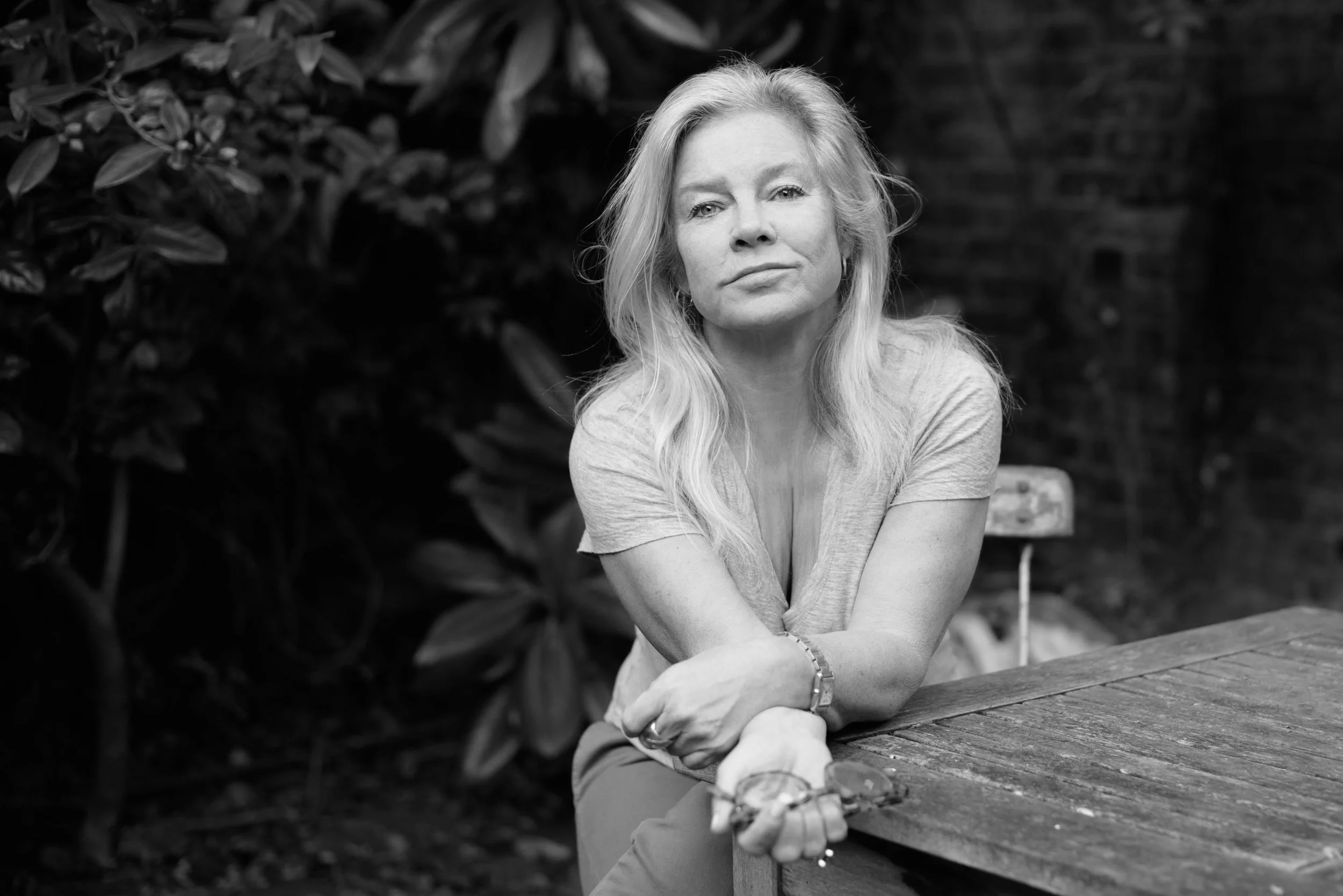
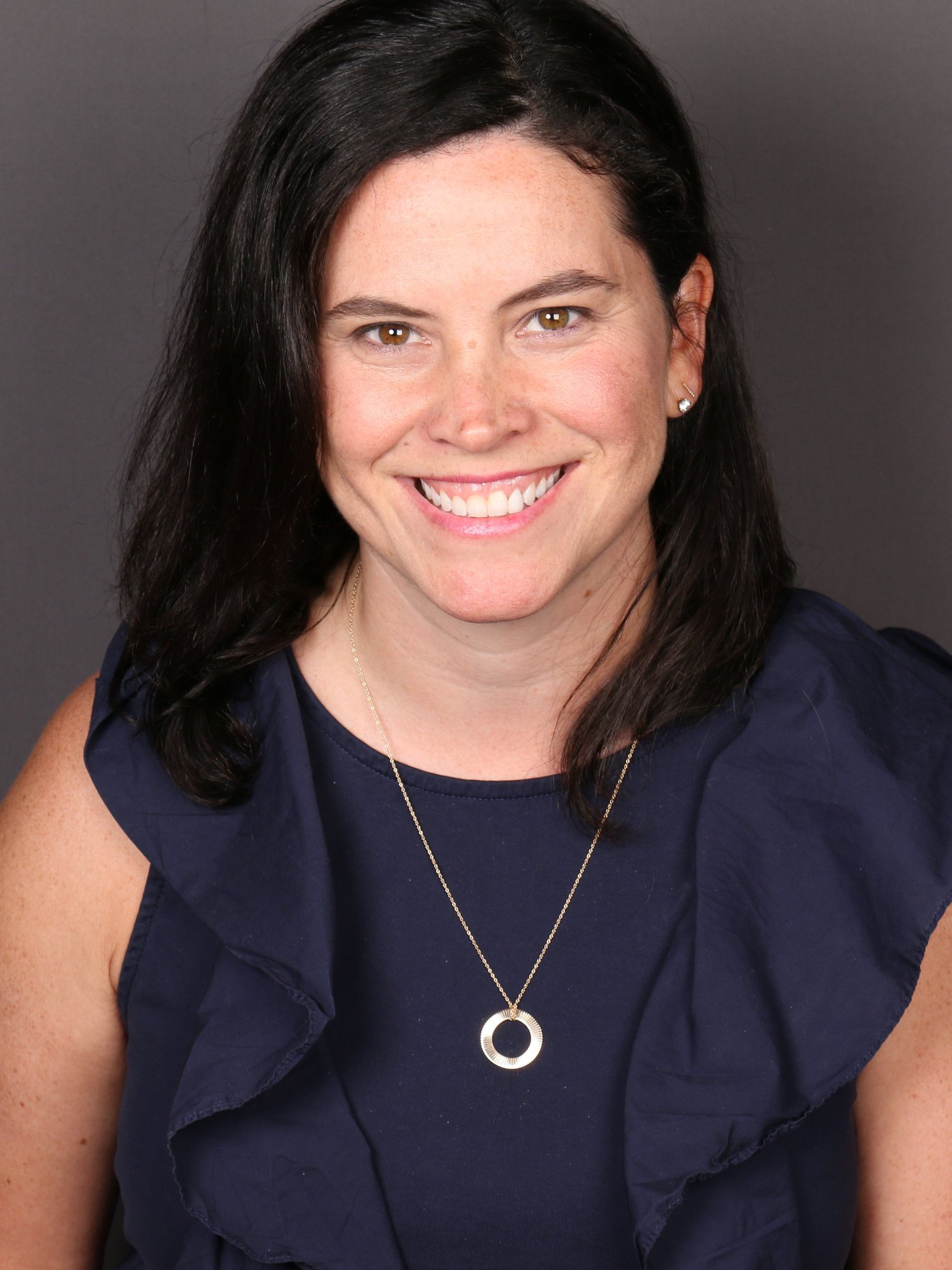
Alison Owen is an Academy Award-nominated British film and television producer whose career spans more than three decades of independent and studio filmmaking. As the founder of Ruby Films and co-founder of Monumental Pictures, she has produced landmark titles including Elizabeth, Saving Mr. Banks, Jane Eyre, Suffragette, and Back to Black, shaping modern British screen production.
While casual audiences may occasionally recognize her name through her artistic family—she is the mother of pop icon Lily Allen and actor Alfie Allen—Owen’s enduring reputation in the entertainment industry rests on her commercial acumen, advocacy for women filmmakers, and persistent championing of character-driven drama. Her career offers a masterclass in navigating the volatile landscape of international co-productions and independent financing.
Early Career and the Transition from Music Videos to Feature Film
Alison Owen entered media production during the vibrant visual revolution of the 1980s. Initially working within music video production and commercial projects through companies like Limelight Productions, she collaborated with prominent musical artists and directors who were redefining screen aesthetics. This fast-paced, visually daring environment served as an intensive training ground, instilling a sharp sense of budgeting discipline, rhythm, and visual narrative under tight operational constraints.
By the late 1980s and early 1990s, Owen shifted her focus toward feature narrative work. Her early production credits reflected an affinity for subcultures, distinctive voices, and gritty contemporary realism:
- Early Collaborations: She served as a producer on projects such as the 1991 comedy-drama Hear My Song, directed by Peter Chelsom, which earned substantial critical praise, a BAFTA nomination, and demonstrated her ability to bring regional British stories to international attention.
- Cult Projects: In 1993, she produced The Young Americans, directed by Danny Cannon, an urban crime thriller notable for introducing innovative contemporary British directing talent and featuring an early soundtrack contribution from Björk.
- Development of Ruby Films: Recognizing the necessity of retaining creative control and packaging projects from concept to distribution, Owen established Ruby Films, an independent production company that quickly became a fixture in the UK film ecosystem.
This transition from short-form visual work to complex feature narratives gave Owen an instinctive grasp of both style and narrative substance, preparing her for the ambitious period projects that would come to define her mid-career.
The Breakthrough: Elizabeth and Global Recognition
The defining turning point in Owen’s producing career came in 1998 with the historical drama Elizabeth, directed by Shekhar Kapur and scripted by Michael Hirst. The project represented a significant departure from standard British period dramas of the era, which were often characterized by polite drawing-room aesthetics and reserved staging.
Instead, Owen and Kapur envisioned a visceral, high-stakes political thriller that treated Tudor court politics with the tension and ruthlessness of The Godfather. Owen cast the then relatively unknown Australian stage actress Cate Blanchett in the title role—a casting choice that met with initial skepticism from traditional financiers but ultimately earned universal critical acclaim and catapulted Blanchett to global stardom.
Key Milestones of the 1998 Film "Elizabeth":
- 7 Academy Award Nominations (including Best Picture for Alison Owen)
- 12 BAFTA Award Nominations (winner of 6, including Outstanding British Film)
- Golden Globe Award for Best Actress in a Motion Picture – Drama (Cate Blanchett)
- Established a new template for visually bold, modern-paced historical cinema
The success of Elizabeth established Owen as an elite producer capable of packaging prestigious, high-concept European period films for broad international cinema distribution without compromising creative vision.
Ruby Films and Major Critical Works
Following the worldwide success of Elizabeth, Owen channeled her momentum through Ruby Films, developing a multifaceted slate that balanced literary adaptations, psychological thrillers, and television prestige drama. Her approach emphasized close creative partnerships with screenwriters and directors, frequently spotlighting complex female protagonists.
Literary Adaptations and Period Dramas
Owen demonstrated an enduring talent for revitalizing classic literature. In 2011, she produced Cary Joji Fukunaga’s adaptation of Charlotte Brontë's Jane Eyre, starring Mia Wasikowska and Michael Fassbender. The production stripped away conventional romantic sentimentalism, framing the narrative through a gothic, psychological lens that resonated strongly with contemporary critics and younger audiences.
In 2008, she produced Justin Chadwick's The Other Boleyn Girl, an adaptation of Philippa Gregory’s bestseller starring Natalie Portman and Scarlett Johansson. While polarized by historical purists, the film achieved strong international box office returns, confirming Owen's knack for marrying historical intrigue with star-driven global appeal.
Studio Collaborations: Saving Mr. Banks
One of Owen’s most commercially significant achievements came with the 2013 biographical drama Saving Mr. Banks, produced alongside Ian Collie and BBC Films, and distributed by Walt Disney Pictures. Directed by John Lee Hancock, the film depicted the contentious, two-decade effort by Walt Disney (Tom Hanks) to acquire the screen rights to P.L. Travers’s (Emma Thompson) beloved book Mary Poppins.
The production was a complex legal and creative endeavor. It required balancing biographical authenticity with the creative sensitivities of The Walt Disney Company, depicting Walt Disney on screen in a narrative context for the first time in the studio's history. The film was both a critical and financial triumph, earning nearly $120 million worldwide and securing numerous award nominations.
Monumental Pictures and Championing Women in Screenwriting and Directing
In 2014, Alison Owen joined forces with fellow veteran British producer Debra Hayward (whose credits include Les Misérables and Atonement) to establish Monumental Pictures. The partnership was forged around a deliberate, explicit mandate: to build a female-led, commercially viable production company that prioritized female perspectives behind and in front of the camera.
Monumental Pictures established strategic backing through alliances with key financiers and distributors, allowing Owen and Hayward to greenlight ambitious projects that traditional male-dominated production outfits often sidelined.
Suffragette (2015)
Directed by Sarah Gavron and written by Abi Morgan, Suffragette stands as one of Monumental’s signature statements. Centered on the working-class foot soldiers of the British women's suffrage movement rather than exclusively focusing on its aristocratic leadership, the film starred Carey Mulligan, Helena Bonham Carter, and Meryl Streep. The production achieved unprecedented access to film inside the UK Houses of Parliament—the first commercial film ever granted permission to do so.
Commercial Romantic Drama: Me Before You (2016)
Demonstrating that Monumental was not strictly an art-house prestige vehicle, Owen produced the 2016 adaptation of Jojo Moyes’s bestselling novel Me Before You, directed by Thea Sharrock and starring Emilia Clarke and Sam Claflin. Produced on an efficient mid-tier budget of approximately $20 million, the film grossed over $208 million worldwide, serving as a powerful industry counterpoint to the prevailing belief that theatrical romantic dramas lacked global commercial viability.
Back to Black (2024)
Continuing her interest in iconic, tragic musical narratives, Owen and Hayward produced Back to Black, the biographical feature tracking the rise and artistry of British singer-songwriter Amy Winehouse. Directed by Sam Taylor-Johnson and starring Marisa Abela, the project required navigating sensitive estate approvals, complex music licensing, and intense international media scrutiny.
Comparative Filmography and Strategic Milestones
The following table provides an analytical breakdown of selected key productions in Alison Owen’s filmography, highlighting genre, directorial pairings, key cast, and industry recognition.
| Project Title | Year | Primary Director | Key Cast | Primary Focus & Industry Impact |
|---|---|---|---|---|
| Hear My Song | 1991 | Peter Chelsom | Ned Beatty, Adrian Dunbar | Independent regional comedy-drama; earned BAFTA nomination and established early producing credentials. |
| Elizabeth | 1998 | Shekhar Kapur | Cate Blanchett, Geoffrey Rush | Academy Award nominee for Best Picture; modernized the cinematic visual language of the period drama. |
| Sylvia | 2003 | Christine Jeffs | Gwyneth Paltrow, Daniel Craig | Biographical drama exploring the relationship between Sylvia Plath and Ted Hughes; highlighted focus on literary figures. |
| The Other Boleyn Girl | 2008 | Justin Chadwick | Natalie Portman, Scarlett Johansson | High-profile historical drama that achieved international commercial success via major studio distribution. |
| Jane Eyre | 2011 | Cary Joji Fukunaga | Mia Wasikowska, Michael Fassbender | Acclaimed gothic adaptation emphasizing psychological realism; earned universal critical praise. |
| Saving Mr. Banks | 2013 | John Lee Hancock | Emma Thompson, Tom Hanks | Mainstream studio prestige biography; balanced complex corporate IP negotiation with character drama. |
| Suffragette | 2015 | Sarah Gavron | Carey Mulligan, Helena Bonham Carter | Flagship Monumental Pictures release; first commercial production granted access to film inside the British Parliament. |
| Me Before You | 2016 | Thea Sharrock | Emilia Clarke, Sam Claflin | Exceptional commercial success ($208M+ box office on a modest budget); highlighted global appetite for romantic drama. |
| Back to Black | 2024 | Sam Taylor-Johnson | Marisa Abela, Jack O'Connell | High-profile biographical music feature; extensive logistical packaging involving music rights and estate negotiations. |
Television Productions and Serial Storytelling
While best recognized for theatrical cinema, Owen has maintained a robust presence in television production, adapting to the shifts of the streaming era. Through both Ruby Film and Television and Monumental Television, she has developed long-form series that allow for deep character development.
- Prestige Period Television: Owen executive produced Small Island (2009), based on Andrea Levy’s novel exploring Jamaican migration to post-war Britain, which won an International Emmy Award. Other television works include adaptations such as Jane Eyre (2006 for BBC) and Case Histories (2011–2013), based on the Kate Atkinson detective novels starring Jason Isaacs.
- Modern Comedy and Drama: Through Monumental Television, Owen and Debra Hayward executive produced the critically lauded television comedy series Harlots (2017–2019), developed with Moira Buffini and Alison Newman for Hulu and ITV Encore. Exploring 18th-century London through the lens of women running rival brothels, the show received high praise for its all-female writing and directing rooms and its unsentimental historical perspective.
- Contemporary Sitcoms: Monumental also co-produced the BBC comedy Ghosts (2019–2023), which became one of the most successful and exported British sitcom formats of the modern era, later adapted into a hit American network series.
The Allen Family Creative Dynasty
Public interest in Alison Owen frequently intersects with her family life, as she sits at the center of one of contemporary Britain’s most recognized creative dynasties.
She was married to Welsh actor and musician Keith Allen from 1982 to 1989. Together, they had three children: singer, songwriter, and author Lily Allen; actor Alfie Allen (widely acclaimed for his portrayal of Theon Greyjoy in HBO's Game of Thrones); and Sarah Owen, who co-founded the vintage clothing boutique Lucy in Disguise with Lily. Owen later had a son, Edward, with art director Harry Enfield.
Rather than relying on institutional nepotism, Owen’s children have consistently spoken of a childhood steeped in the chaotic, working realities of film sets, script readings, and musical rehearsals. While their high-profile careers have occasionally brought intense tabloid attention, Owen has remained focused on her corporate and creative responsibilities as a producer, maintaining a distinct professional identity separate from the public celebrity of her children.
Production Methodology: Lessons for Independent Filmmakers
Owen’s longevity in an industry notorious for rapid producer burnout offers several concrete lessons for independent film packaging and production management:
- Strategic IP Acquisition: Owen has continually targeted intellectual property that possesses strong preexisting literary followings—from Philippa Gregory and Charlotte Brontë to Jojo Moyes—while applying fresh, non-traditional directorial perspectives to keep the material relevant.
- Cultivating Emerging Talent: By trusting younger or non-traditional directors (such as pairing Cary Joji Fukunaga with Jane Eyre or Shekhar Kapur with Elizabeth), she avoids the formulaic execution that often plagues prestige cinema.
- Navigating Public and Private Financing: Owen has mastered the delicate art of assembling composite financing, utilizing British film tax credits, national lottery funding via the BFI, European co-production treaties, and American studio distribution guarantees to mitigate downside risk.
- Institutional Advocacy: Throughout her career, Owen has used her standing on advisory boards and industry bodies to advocate for equitable working conditions, better parental support for crew members on sets, and structured pipelines for women entering technical film trades.
Frequently Asked Questions
What is Alison Owen best known for?
Alison Owen is best known as an Academy Award-nominated British film producer responsible for historical and contemporary dramas such as Elizabeth (1998), Saving Mr. Banks (2013), Jane Eyre (2011), and Suffragette (2015). She is also widely known as the co-founder of Monumental Pictures alongside Debra Hayward.
Has Alison Owen won an Academy Award?
Owen was nominated for an Academy Award for Best Picture for producing Elizabeth at the 71st Academy Awards in 1999 (shared with producers Eric Fellner and Tim Bevan). While the film itself won the Oscar for Best Makeup and received seven nominations, the Best Picture statuette went to Shakespeare in Love. Owen has won and been nominated for numerous British Academy Film Awards (BAFTAs) throughout her career.
What is the difference between Ruby Films and Monumental Pictures?
Ruby Films was established by Alison Owen in the 1990s as her primary independent production banner, responsible for titles such as Hear My Song, Sylvia, and The Other Boleyn Girl. In 2014, Owen partnered with fellow producer Debra Hayward to create Monumental Pictures (and Monumental Television), an enterprise explicitly aimed at producing female-driven commercially viable film and television, including Suffragette, Me Before You, and the television series Harlots.
How is Alison Owen related to Lily Allen and Alfie Allen?
Alison Owen is the mother of both pop artist Lily Allen and actor Alfie Allen. Their father is Welsh actor Keith Allen, to whom Owen was married during the 1980s. Despite the family’s collective fame, Owen built her professional reputation in film production independently of her children's careers in music and acting.
Key Industry Takeaway and Legacy
Alison Owen’s career demonstrates that independent producers do not need to choose between commercial scale and distinct artistic integrity. By deliberately centering female-led narratives long before diversity initiatives became standard studio policy, she established a production model that combines rigorous financial planning with progressive creative risk. Film students, independent producers, and media executives studying sustainable production strategies can look to Owen’s career for practical blueprints on how to successfully bridge the divide between British cultural storytelling and global theatrical distribution.