Comenity Bank (a division of Bread Financial) and Synchrony Bank stand as the two most prominent pillars in the private-label credit card industry. For consumers and retailers in 2026, choosing between these two institutions often dictates the quality of mobile banking interfaces, rewards structures, and customer service experiences. This analysis provides a technical breakdown of how these issuers compare to help you determine which best aligns with your financial requirements.
Institutional Profiles and Market Positioning in 2026
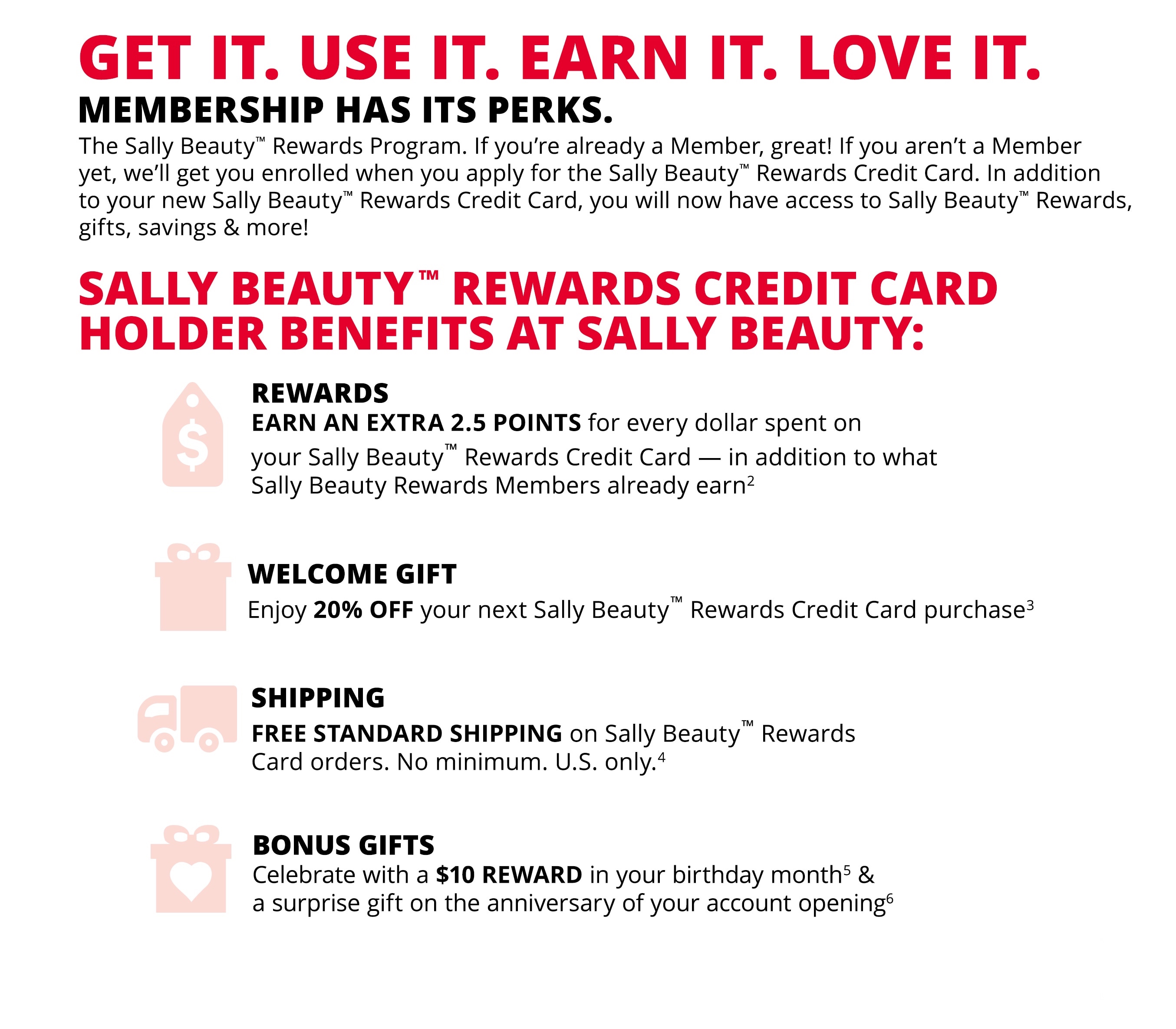
Both institutions dominate the "retail-partnered" credit card space. Comenity Bank specializes in co-branded retail cards, primarily serving department stores, home goods retailers, and niche apparel brands. Their infrastructure is built to facilitate seamless point-of-sale financing and store-branded loyalty programs.
Synchrony Bank, conversely, functions as a massive diversified consumer financial services company. While they also maintain a vast portfolio of retail-partnered cards, they have expanded significantly into healthcare financing (CareCredit) and direct-to-consumer high-yield savings products. As of 2026, Synchrony has heavily invested in digital-first banking architecture, often outperforming legacy banking structures in mobile app responsiveness and real-time transaction reporting.
Core Technical Differentiators for Consumers
When evaluating these issuers, the decision usually rests on three pillars: technical stability, rewards flexibility, and dispute resolution efficiency. The following table illustrates the primary operational differences observed in the current market environment.
| Feature | Comenity Bank | Synchrony Bank |
|---|---|---|
| Primary Focus | Co-branded retail loyalty cards | Diversified retail and direct banking |
| Mobile App Status | Functional but brand-specific | Highly integrated, unified platform |
| Healthcare Financing | Limited retail-linked options | Dominant via CareCredit integration |
| Savings Product | Basic, via Bread Financial | Competitive high-yield savings/CDs |
| Dispute Efficiency | Standardized, moderate wait times | High, utilizes AI-driven triage |
| Underwriting Speed | Generally slower, legacy backend | Rapid, automated decision engines |
Navigating the Rewards Ecosystem
Rewards structures vary significantly based on whether you are utilizing a store-specific card or a general-purpose credit line. Comenity Bank cards are traditionally "closed-loop" or "limited-loop," meaning they provide the highest value when redeemed within the partner store ecosystem. In 2026, their loyalty programs are heavily tied to tiered spending thresholds—frequently rewarding customers with store credit rather than cash-back liquidity.
Synchrony Bank has increasingly pivoted toward "hybrid" rewards. Many of their 2026 card offerings allow for the conversion of points into statement credits or direct deposits into Synchrony high-yield savings accounts. This adds a layer of liquidity that many Comenity-issued cards lack. If your objective is pure cash-flow management rather than store-specific discounts, the Synchrony ecosystem generally provides greater versatility.
Customer Support and Digital Accessibility Standards
A primary pain point for consumers in 2026 is the quality of digital banking interfaces. Synchrony has set a higher bar in this regard, offering a centralized dashboard for managing multiple credit lines, high-yield savings accounts, and investment products under a single login. Comenity, by contrast, frequently requires separate logins for different retail cards, which can lead to fragmented financial management.
For users prioritizing customer support, it is critical to note the following:
Service Accessibility Standards Both banks operate under stringent regulatory guidelines, but their communication channels differ. Synchrony has implemented AI-integrated chatbots that resolve routine queries regarding balances and payment due dates without human intervention. Comenity continues to rely on a more traditional, representative-led service model. If you prefer human interaction over automated systems, Comenity's support structure may feel more personalized, though potentially slower to resolve complex billing disputes.
Risk Assessment and Underwriting Guidelines
Both banks utilize internal proprietary models for risk assessment. In 2026, applicants should be aware of the "Retail-Credit Bias." Because these banks are heavily invested in the retail sector, they are more likely to approve applicants with "thin" credit files or lower credit scores compared to traditional national banks like Chase or Bank of America.
However, this accessibility comes with trade-offs:
- Variable APRs: Both institutions often apply the maximum allowable interest rates on retail cards, which can exceed 30% APR in the 2026 fiscal environment.
- Hard Inquiry Impact: Because these banks often issue cards for individual store partners, applying for multiple retail cards from the same issuer within a short timeframe may trigger multiple hard inquiries on your credit report, impacting your FICO score.
- Credit Limit Stability: Both banks are known for aggressive "account cooling" or credit limit reductions if your overall utilization ratio across other accounts increases significantly, a risk management practice intensified in the current economic cycle.
Frequently Asked Questions
Which bank offers better interest rates on savings products?
Synchrony Bank consistently offers higher APY (Annual Percentage Yield) on high-yield savings accounts compared to the core offerings under the Bread Financial (Comenity) umbrella. Synchrony’s status as a direct-to-consumer bank allows them to pass on more competitive rates to savers looking to build emergency funds.
Is it easier to get approved for a Synchrony or Comenity card?
Both are more accessible than traditional tier-one credit issuers; however, approval is contingent on the specific retail partner's underwriting criteria. If you have a damaged credit history, look for "second-chance" retail cards offered by both banks, but expect higher APRs and lower starting credit limits.
Can I manage all my retail cards in one place?
Synchrony provides a unified dashboard for its proprietary products, whereas Comenity Bank’s infrastructure often requires separate portals for each individual store-branded card. If digital convenience is a priority, Synchrony’s platform is objectively superior in 2026.
How do I resolve a billing error with these banks?
Both institutions are subject to the Fair Credit Billing Act. You must submit a written dispute within 60 days of the statement date. Synchrony offers a more robust online portal for tracking the progress of these disputes, while Comenity often requires more traditional postal mail or secure message communication.
Which bank is better for healthcare expenses?
Synchrony is the clear leader in this niche, primarily because of the ubiquity of CareCredit. If you anticipate significant medical, dental, or veterinary expenses in 2026, the Synchrony ecosystem provides far more network integration than any product offered by Comenity.
Strategic Recommendation for 2026
If you are a frequent shopper at a specific retailer, the choice will likely be made for you based on the store's banking partner. However, if you are looking to open a new credit line to optimize your financial management, prioritize Synchrony Bank for its superior digital interface, liquidity in rewards, and integrated banking services. Comenity Bank remains a viable option for those specifically seeking store-branded perks and tiered loyalty benefits but falls short in overall account management efficiency. Monitor your credit utilization closely, as both banks are highly sensitive to systemic shifts in consumer debt levels throughout the 2026 calendar year.