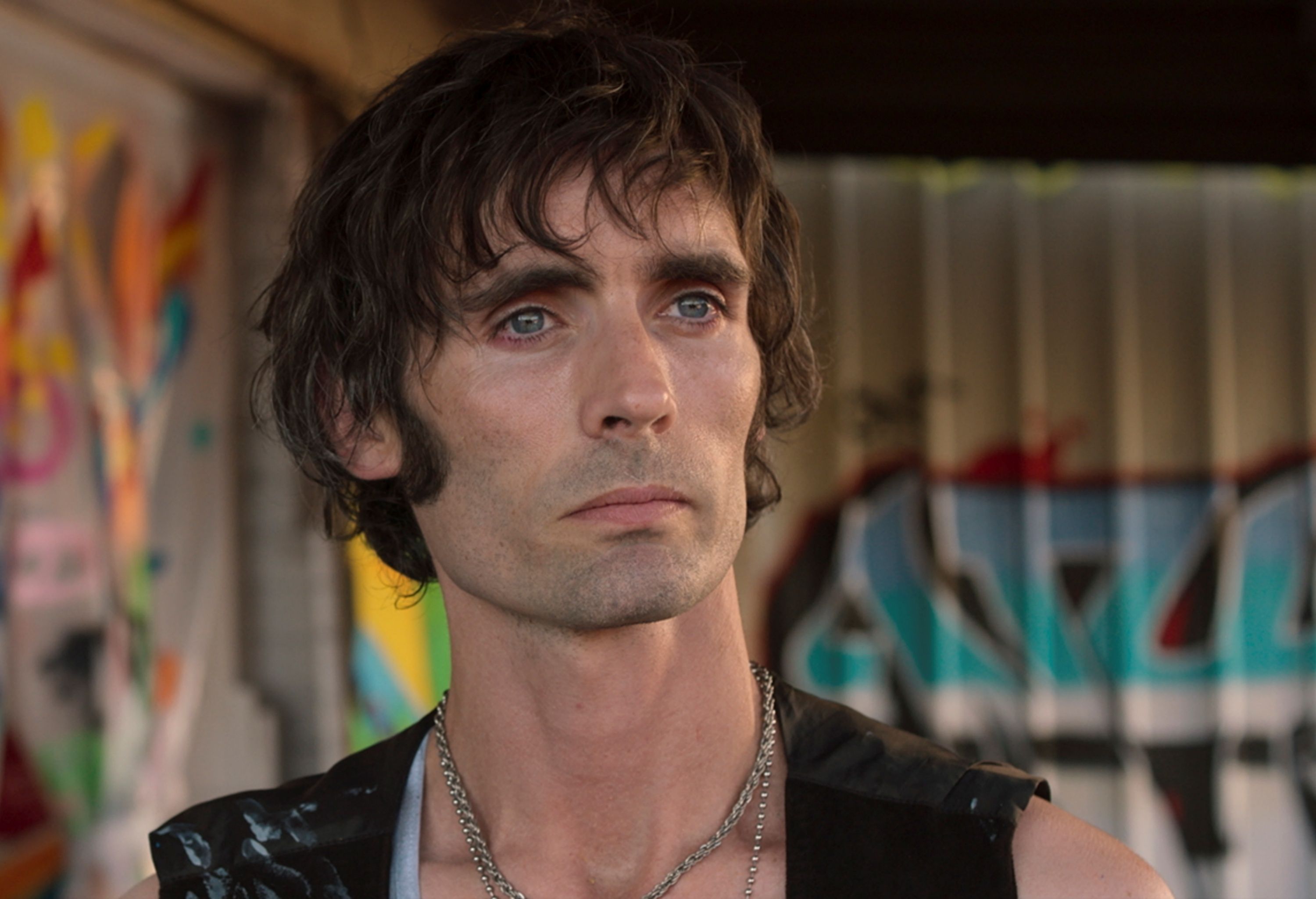
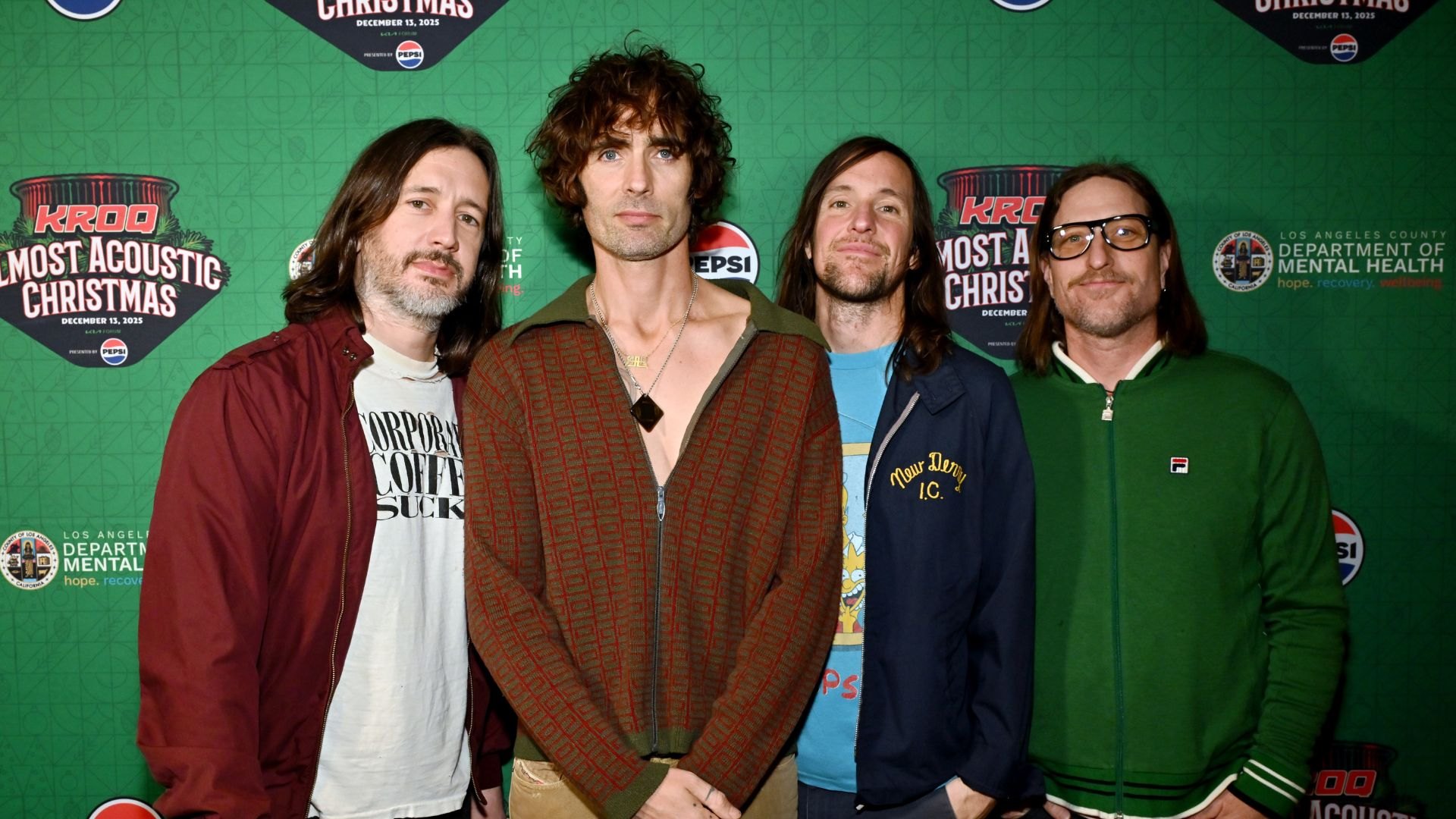
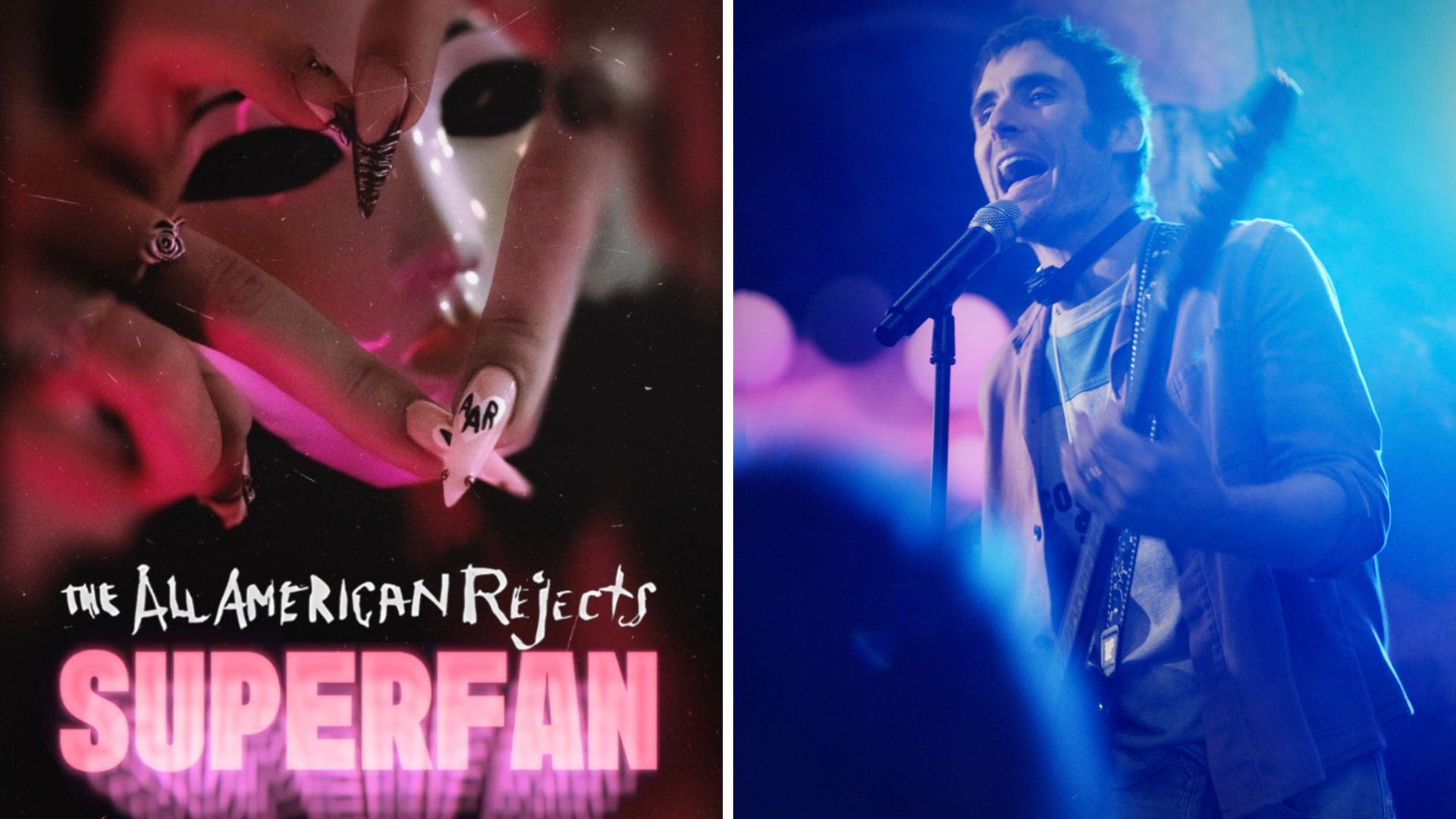
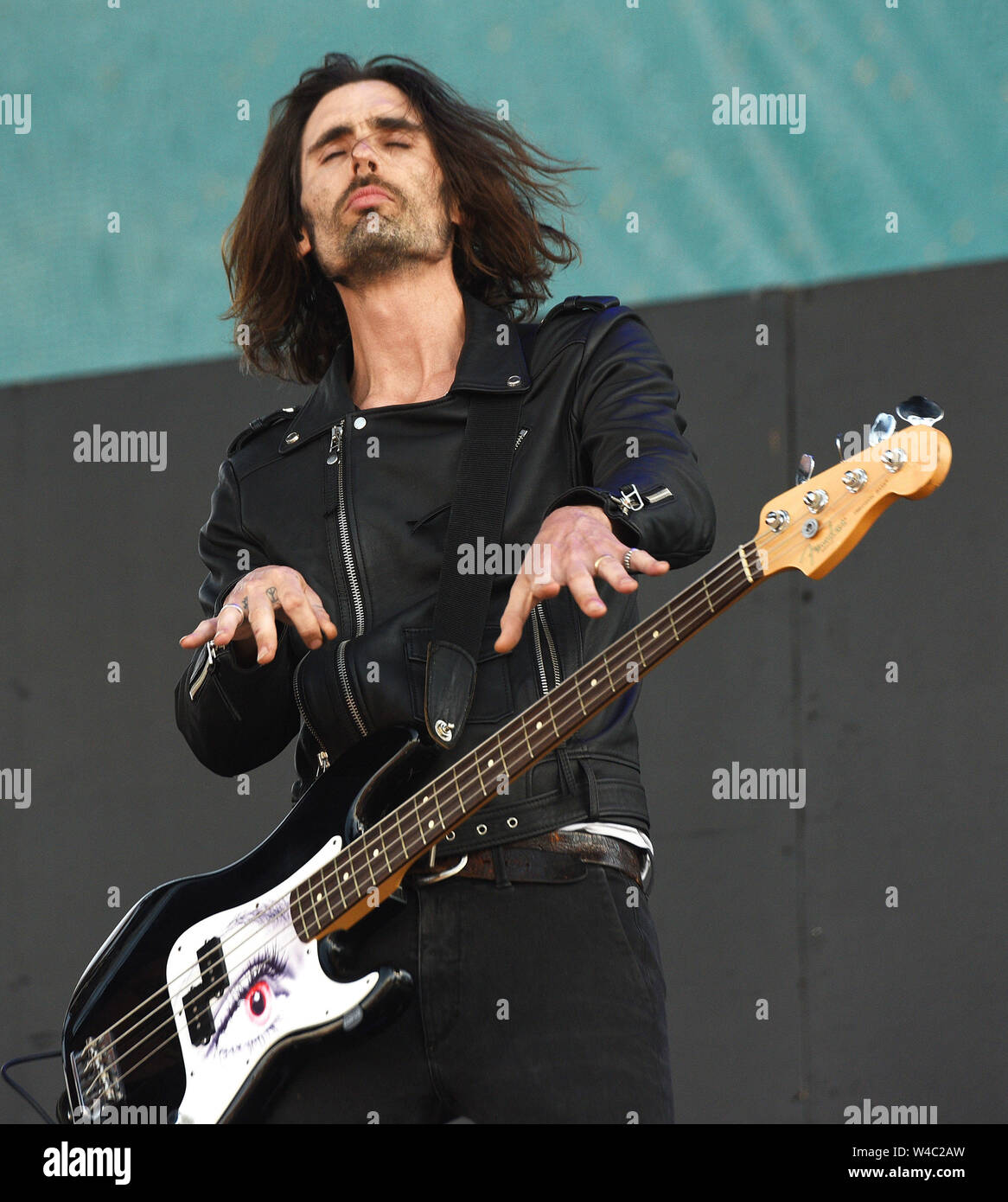
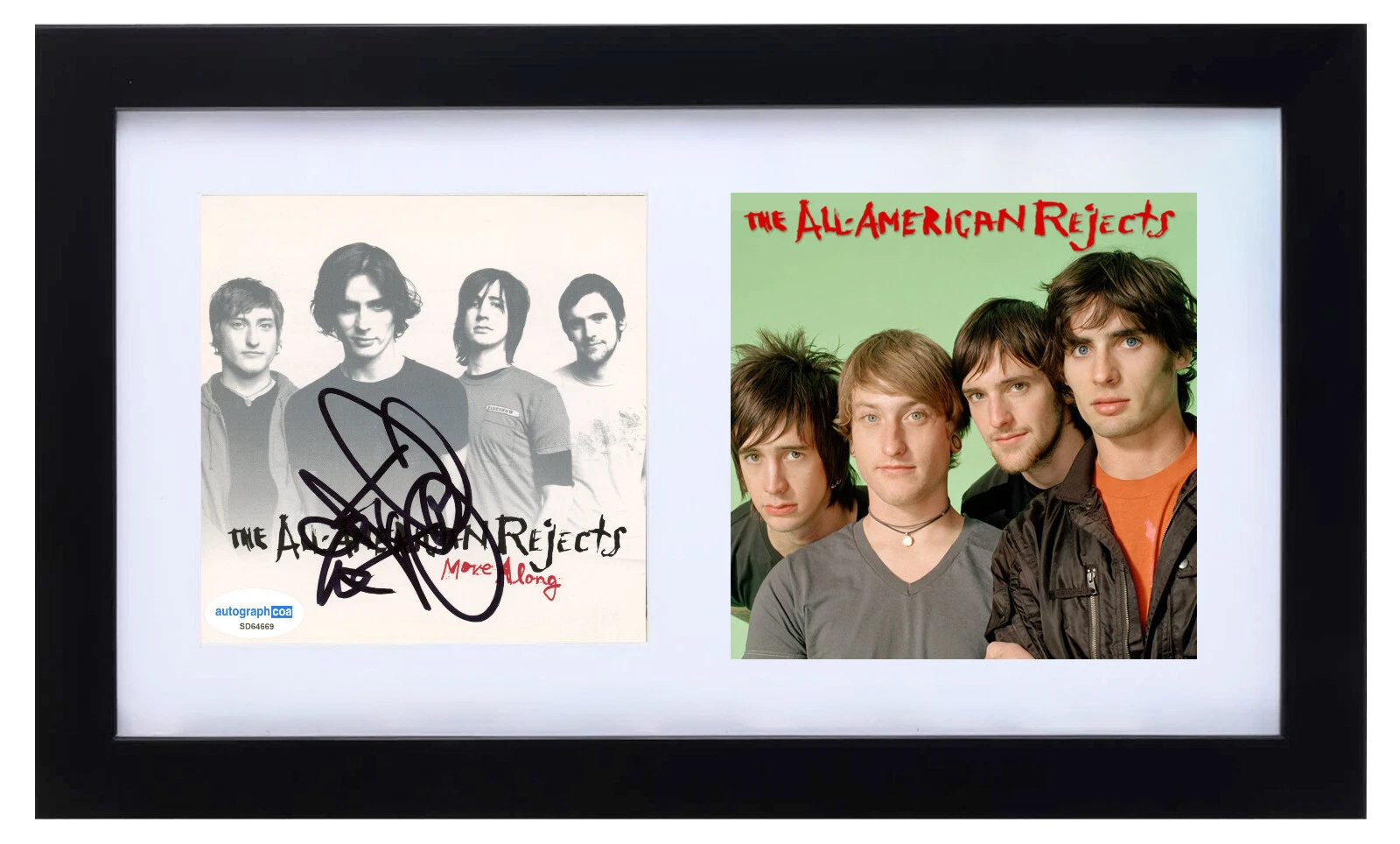
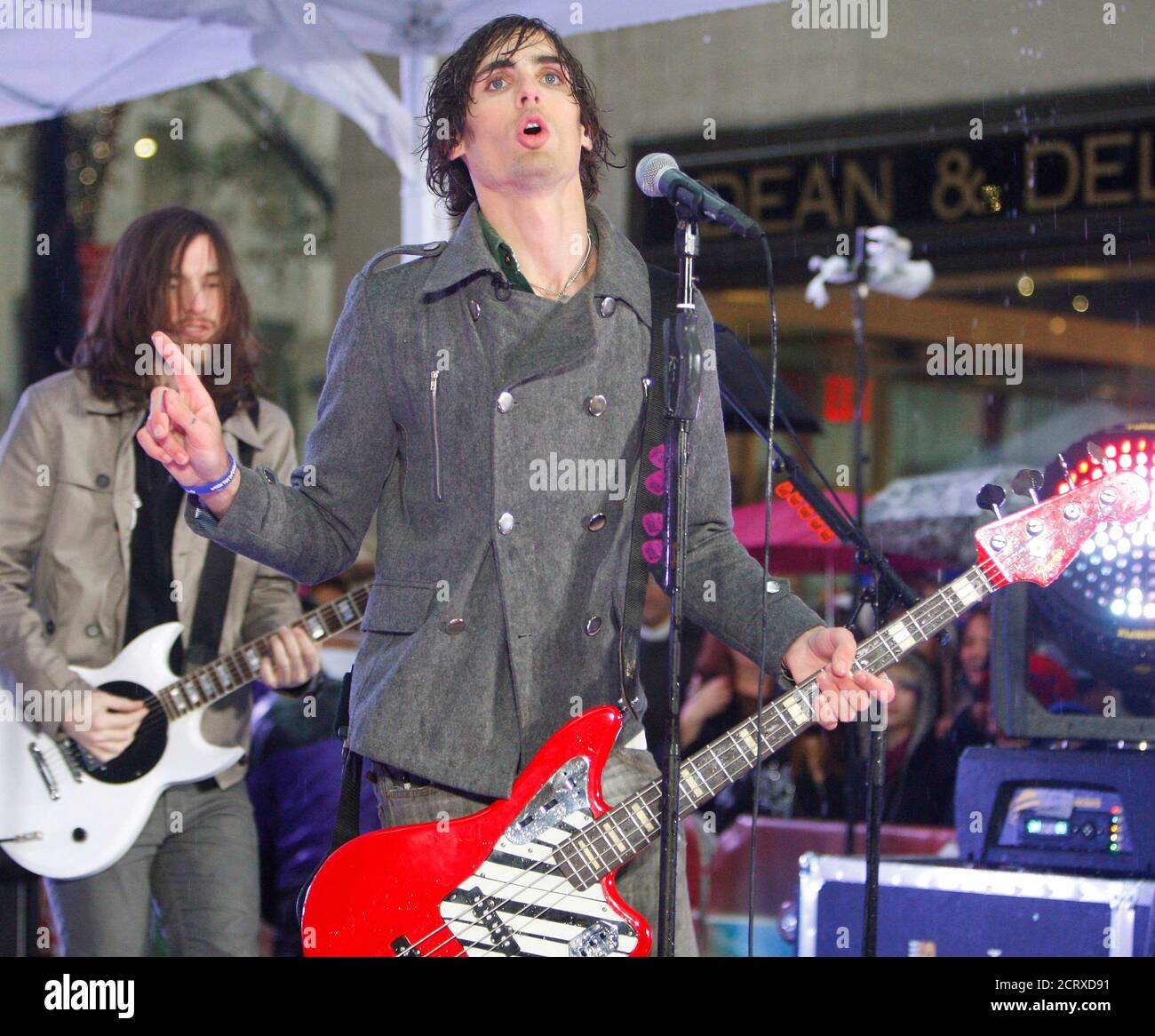
Tyson Ritter’s journey as the frontman of The All-American Rejects showcases one of the most distinctive trajectories in modern alternative rock. Rising from Stillwater, Oklahoma, Ritter combined expressive vocals, theatrical stage presence, and sharp songwriting to power multi-platinum hits like "Dirty Little Secret" and "Gives You Hell," establishing a lasting impact across pop-punk and alternative pop.
The Early Years: From Stillwater to Mainstream Breakthrough
The story of Tyson Ritter and The All-American Rejects began in Stillwater, Oklahoma, during the late 1990s. As a teenager, Ritter met guitarist and songwriter Nick Wheeler at a local venue, establishing a creative partnership that formed the backbone of the band. While Wheeler brought intricate guitar arrangements and structural discipline, Ritter contributed dynamic lead vocals, bass lines, and an innate knack for hook-driven melodies.
In the early 2000s, the duo recorded early demos that caught the attention of independent label Doghouse Records. The release of their self-titled debut album, The All-American Rejects (2002), propelled the band from local high school shows into national radio rotation. Driven by the breakthrough single "Swing, Swing," the album captured the angst and yearning of youth culture at the turn of the millennium.
Ritter’s vocal delivery on early tracks blended raw emotion with pop accessibility. Unlike many of his contemporaries in the emerging emo and pop-punk scenes who relied heavily on harsh vocal strain or unrefined shouting, Ritter possessed a natural vocal agility and melodic sense. His performance on "Swing, Swing" demonstrated an ability to pivot from tender, conversational verses to explosive, wide-open choruses—a hallmark that defined the band's identity.
- Early Formation (Stillwater, OK)
- Self-Titled Debut (2002)
- Single: "Swing, Swing"
- Major Label Breakthrough (2005)
- Album: "Move Along"
- Self-Titled Debut (2002)
The success of their debut earned the group a major-label deal with Interscope Records, setting the stage for their commercial and artistic peak in the mid-2000s.
Mid-2000s Pop-Punk Peak: The Move Along Era
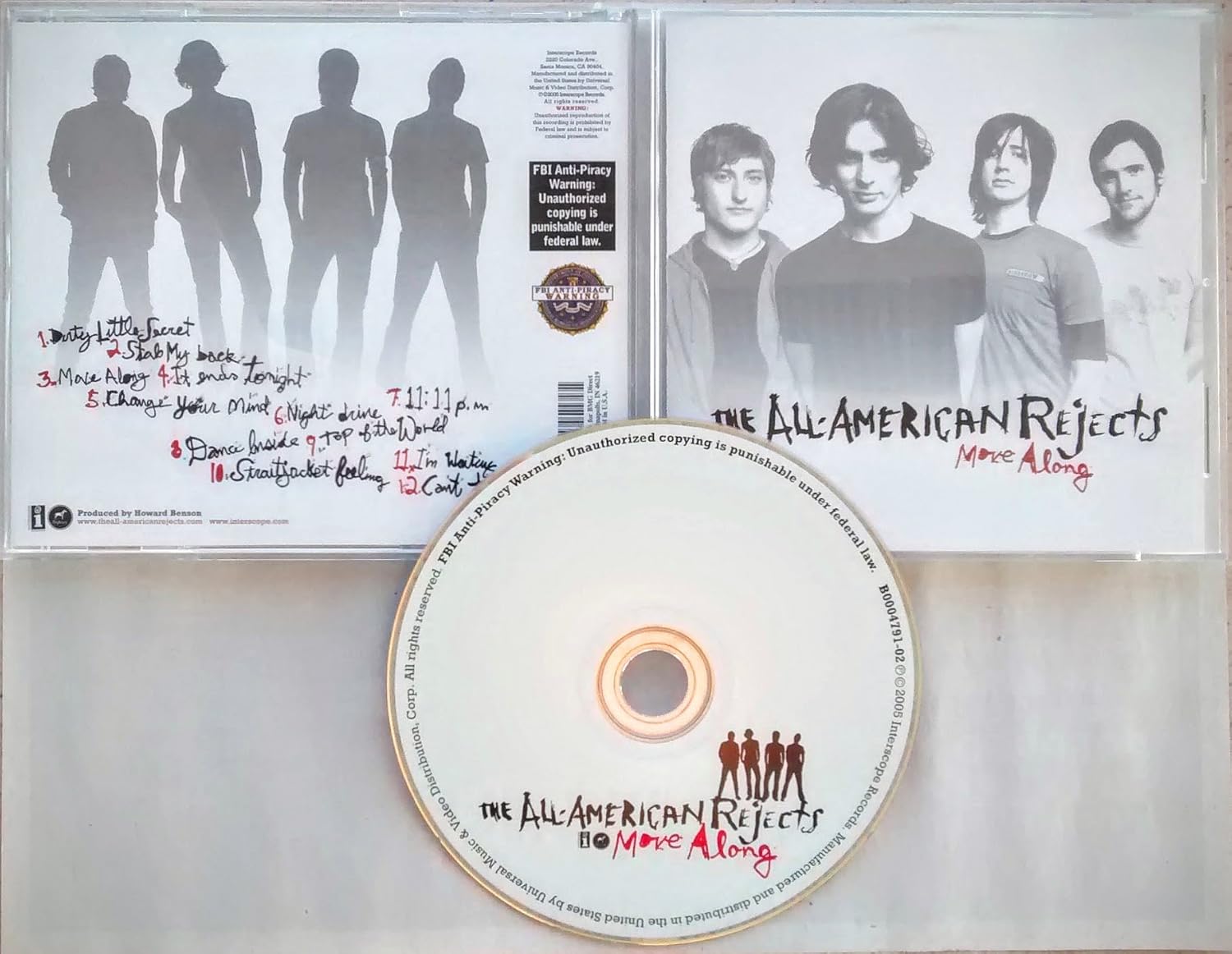
By 2005, alternative rock and pop-punk had reached the peak of mainstream cultural saturation. The All-American Rejects capitalized on this moment with their sophomore release, Move Along, produced by Howard Benson. The album became a defining soundtrack of the era, achieving double-platinum certification and spawning three massive hit singles: "Dirty Little Secret," "Move Along," and "It Ends Tonight."
During this period, Ritter’s role as both a performer and pop cultural figure expanded significantly. His charismatic, slightly cynical, yet deeply romantic persona anchored the band’s music videos and live shows.
| "Move Along" Era Highlights | Description |
|---|---|
| "Dirty Little Secret" | Upbeat, anthem-driven pop-punk staple. |
| "Move Along" | Percussive, motivational rock anthem. |
| "It Ends Tonight" | Piano-driven, dramatic rock ballad. |
The song "Dirty Little Secret" demonstrated Ritter’s lyricism—combining narrative intimacy with stadium-ready hooks. Meanwhile, the title track "Move Along" showcased his ability to deliver inspirational themes without descending into pure cliché, supported by heavy drum grooves and driving bass lines.
The album’s signature ballad, "It Ends Tonight," marked a key evolution in Ritter’s vocal delivery. Swapping driving bass guitars for dramatic piano chords and orchestral arrangements, Ritter delivered a controlled, vulnerable performance that proved the band could excel outside the boundaries of standard pop-punk templates.
Maturation and Melodrama: When the World Comes Down and Beyond
Following the massive success of Move Along, the band faced the challenge of evolving their sound while maintaining their core audience. In 2008, they released When the World Comes Down, an album that embraced broader sonic textures, darker lyrical themes, and expanded instrumentation.
The album's lead single, "Gives You Hell," became the biggest commercial success of the band's career. Co-written by Ritter and Wheeler, the track topped Billboard’s Mainstream Top 40 chart and achieved multi-platinum status worldwide.
- "Gives You Hell" (2008)
- Peak Position: #4 Billboard Hot 100
- Style: Spiteful pop-rock with choir accompaniment
- Vocal Delivery: Playful, sarcastic, infectious cadence
What made "Gives You Hell" unique was its departure from traditional rock instrumentation in favor of a stomping, choir-backed rhythm and an unapologetically spiteful narrative. Ritter’s vocal performance carried a sarcastic, tongue-in-cheek energy that resonated broadly across demographic lines.
In 2012, the band released their fourth studio album, Kids in the Street, produced by Greg Wells. The record represented a creative departure, incorporating synth-pop elements, sprawling atmospheric arrangements, and nostalgic lyrical narratives. Songs like "Beekeeper's Daughter" and the title track "Kids in the Street" highlighted Ritter’s mature songwriting, reflecting on aging, lost youth, and the shifting landscape of adult life.
Deconstructing the Vocal Style and Soul of Tyson Ritter
To understand Tyson Ritter’s impact as a vocalist and songwriter, it is essential to analyze the technical and emotional components of his musicality. His approach sits at the intersection of power pop precision, post-grunge grit, and theatrical vocal character.
Vocal Range and Performance Dynamics
Ritter operates primarily in a tenor range, characterized by a bright timbre and clean resonance in his upper register. Key elements of his vocal style include:
- Dynamic Contrast: Shifting seamlessly from a breathy, narrative vocal tone in verses to full-throated chest voice power on choruses.
- Controlled Strain: Utilizing subtle vocal rasp at key emotional peaks without compromising pitch clarity or stability.
- Rhythmic Phrasing: Off-beat vocal entrances and syncopated delivery that create momentum, particularly in fast-tempo rock tracks.
Lyrical Themes and Narrative Identity
The "soul" of Ritter’s songs often revolves around themes of dualism—juxtaposing romantic earnestness with sharp cynicism, and adolescent bravado with deep self-doubt. His songs frequently explore:
- Bittersweet Nostalgia: Reflecting on past relationships, hometown roots, and the passage of time.
- Defiant Independence: Constructing songs around self-reliance and rejection of external expectations.
- Vulnerability vs. Mockery: Alternating between genuine heartbreak ("It Ends Tonight") and sarcastic kiss-offs ("Gives You Hell").
Comparative Analysis of Key Tracks Across Eras
The following table provides an overview of essential tracks in Tyson Ritter’s catalog with The All-American Rejects, detailing their musical style, vocal characteristics, and lyrical focus.
| Song Title | Release Year | Primary Genre / Style | Key Vocal Characteristic | Central Lyrical Theme |
|---|---|---|---|---|
| "Swing, Swing" | 2002 | Pop-Punk / Emo | Energetic, raw melodic belts | Heartbreak and youth longing |
| "Dirty Little Secret" | 2005 | Alternative Rock / Pop-Rock | Crisp, rhythmically driving tenor | Hidden relationships and secrecy |
| "Move Along" | 2005 | Power Pop / Rock | Powerful, rhythmic chant vocals | Resilience and perseverance |
| "It Ends Tonight" | 2006 | Orchestral Rock Ballad | Tender, controlled head-to-chest transitions | Finality and emotional exhaustion |
| "Gives You Hell" | 2008 | Pop-Rock / Stomp Pop | Sarcastic, rhythmic, choir-backed lead | Defiance and spiteful satisfaction |
| "Kids in the Street" | 2012 | Synth-Rock / New Wave | Melodramatic, nostalgic phrasing | Youthful innocence and nostalgia |
| "Sweat" | 2017 | Glam Rock / Funk Pop | Falsetto accents, theatrical vocal runs | Sensuality and identity exploration |
Beyond the Rejects: Acting, Side Projects, and Musical Evolution
In addition to his work with The All-American Rejects, Tyson Ritter has developed a versatile career as an actor and multi-disciplinary artist. His transition into film and television demonstrated a dramatic flair that mirrors his onstage persona.
Film and Television Work
Ritter’s acting credits span both comedic and dark dramatic roles, demonstrating significant range across high-profile productions:
- Television: Recurring and guest roles in series such as Parenthood, Preacher (playing both Jesus Christ and his descendant Humperdoo), Rake, and The Idol.
- Film: Performances in feature films including The House Bunny (2008), Miss You Already (2015), and Peppermint (2018).
- Tyson Ritter's Creative Portfolio
- Music: The All-American Rejects (Lead Singer/Bassist)
- Side Project: Now More Than Ever (Indie Rock Trio)
- Acting: Television (Preacher, Parenthood) & Feature Films
Side Projects: Now More Than Ever
Expanding his musical horizons, Ritter launched the indie-rock supergroup Now More Than Ever alongside musicians Scott Chesak and Izzy Fontaine. The project debuted their full-length album Creatures in 2023, showcasing a sound heavily influenced by 1980s synth-pop, power pop, and modern indie music. The project allowed Ritter to explore lighter, danceable textures while retaining his signature melodic sensibility.
Despite exploring acting and external musical ventures, Ritter has maintained periodic touring and single releases with The All-American Rejects, continuing to headline major alternative music festivals and nostalgia-driven arena tours.
Frequently Asked Questions
What is Tyson Ritter’s role in The All-American Rejects?
Tyson Ritter is the lead vocalist, bassist, pianist, and co-primary songwriter for The All-American Rejects. He co-founded the group alongside lead guitarist and backing songwriter Nick Wheeler.
Did Tyson Ritter write the band's major hits?
Yes, Tyson Ritter co-wrote all of the band’s major hits with guitarist Nick Wheeler. Typically, Wheeler develops the musical compositions and guitar riffs, while Ritter crafts the vocal melodies, bass lines, and lyric concepts.
Is Tyson Ritter still performing with The All-American Rejects?
Yes, Tyson Ritter continues to record and tour with The All-American Rejects. While the band shifted focus toward standalone singles and EP releases following their 2012 album Kids in the Street, they remain an active touring act.
What musical projects has Tyson Ritter pursued outside of the band?
Outside of The All-American Rejects, Ritter formed the indie-pop group Now More Than Ever, releasing their debut album Creatures in 2023. He has also established an extensive career as an actor in film and television.
Recommended Listening Guide for Exploring Tyson Ritter’s Catalog
For listeners seeking a comprehensive overview of Tyson Ritter's musical progression, the following sequence provides an ideal entry point across eras:
- The Early Breakthrough (2002–2003): Listen to "Swing, Swing" and "Time Stands Still" from The All-American Rejects to experience the band's raw, unpolished pop-punk energy.
- The Commercial Peak (2005–2006): Stream the full Move Along album, focusing on "Dirty Little Secret," "Move Along," and "It Ends Tonight" to hear polished studio production and radio-ready hooks.
- The Experimental Maturation (2008–2012): Explore "Gives You Hell," "Mona Lisa," and "Kids in the Street" to appreciate expanded instrumentation and varied lyrical themes.
- Modern Singles & Side Projects (2017–Present): Check out the single "Sweat" alongside tracks from Now More Than Ever's album Creatures to discover Ritter's modern vocal evolution and synth-pop influences.