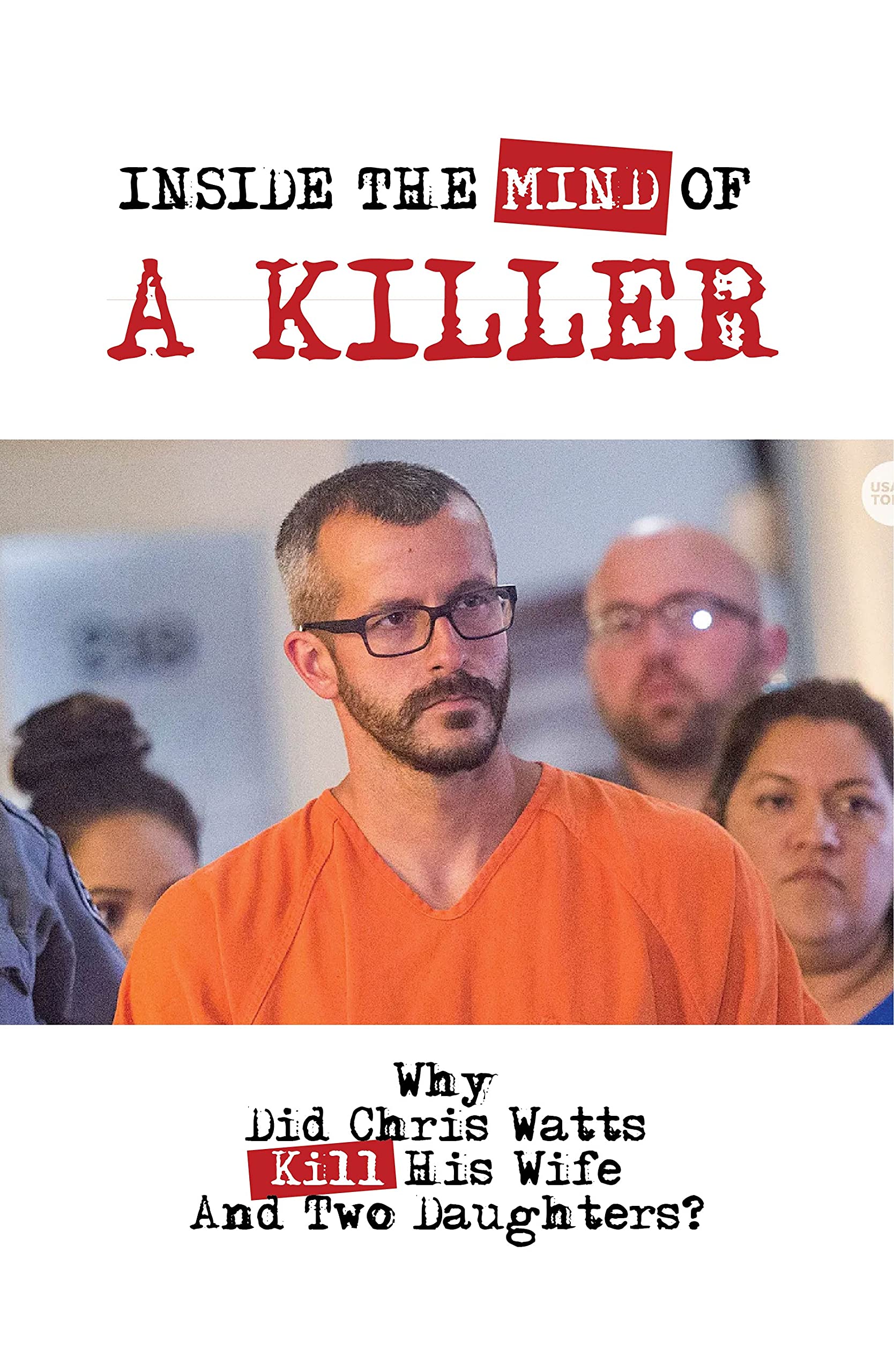
Chris Watts murdered his family because he sought a "fresh start" with his mistress, Nichol Kessinger, while feeling increasingly trapped by a failing marriage and mounting financial ruin. Driven by a desire to escape his domestic obligations and $70,000 in debt without the perceived social or financial stigma of a divorce, he chose to eliminate his wife and children to reset his life.
The 2018 murders of Shanann Watts and her daughters, Bella and Celeste, remain one of the most analyzed cases of "family annihilation" in American history. As of 2026, forensic psychologists and criminal investigators continue to use this case as a primary study for identifying the intersection of emotional detachment, infidelity, and extreme financial stress. Understanding why this tragedy occurred requires a deep look into the hidden stressors that resided behind the family’s carefully curated social media presence.
The Timeline and Key Facts of the August 2018 Murders
To understand the motive, one must first look at the clinical execution of the crime. On the early morning of August 13, 2018, Shanann Watts returned home to Frederick, Colorado, from a business trip in Arizona. Hours later, she was dead. According to Chris Watts' eventual confession, an argument ensued regarding their separation. Chris strangled Shanann in their bed, then drove her body, along with his two living daughters, to a remote oil site owned by his employer, Anadarko Petroleum.
At the site known as Cervi 319, Watts smothered his daughters, four-year-old Bella and three-year-old Celeste. He buried Shanann in a shallow grave and disposed of his daughters' bodies in separate crude oil tanks. The calculated nature of these actions—choosing a location where he had sole access and disposing of the bodies in a way he believed would mask the scent—points to a premeditated desire to erase his past completely.
The initial investigation was sparked by a welfare check requested by Shanann’s friend, Nickole Atkinson. Chris’s initial behavior was characterized by a "chilly" detachment and a series of media interviews where he pleaded for their return while appearing remarkably calm. This facade broke down during a polygraph test administered by the CBI, leading to his partial confession and the subsequent recovery of the bodies.
Analyzing the Primary Motive: The Mistress and the "Fresh Start"
The most immediate catalyst for the murders was Chris Watts' intense desire to pursue a new life with Nichol Kessinger, a co-worker with whom he had begun an affair in June 2018. In the weeks leading up to the murders, Watts experienced what psychologists call "limerence"—an involuntary state of intense romantic infatuation. He began to view his wife, Shanann, and even his children, as obstacles to this new identity.
Watts was leading a double life. With Kessinger, he was a fit, unencumbered man looking toward a future; with Shanann, he was a father of two (with a third on the way) burdened by a mortgage he couldn't afford and a marriage that had become contentious. Investigators found that Watts had been searching for secluded vacation spots with Kessinger and discussing a future that did not include his family.
His choice to kill rather than divorce is often attributed to his "nice guy" persona. Watts was pathologically obsessed with how others perceived him. A divorce would involve a public admission of failure, a loss of the family home, and the social stigma of being a "deadbeat dad" or an unfaithful husband. By killing his family, he mistakenly believed he could simply walk away from his old life and start over with Kessinger without the legal and social repercussions of a traditional separation.
The Role of Financial Pressure and Debt
While the affair provided the emotional spark, the Watts family's dire financial situation provided the structural pressure that made Chris feel "trapped." Behind the photos of a beautiful home and luxury cars was a household on the brink of total collapse.
The 2015 Bankruptcy and Recurring Debt
The Watts family had filed for Chapter 7 bankruptcy in 2015, just three years before the murders. At that time, they were approximately $70,000 in debt, largely consisting of credit card balances and medical bills. Despite this "clean slate," they quickly fell back into the same patterns. By 2018, they were facing a lawsuit from their Homeowners Association (HOA) for unpaid dues and were significantly behind on their $3,000 monthly mortgage payments.
The Appearance of Wealth vs. Reality
Shanann was heavily involved in a multi-level marketing (MLM) company called Le-Vel, selling "Thrive" products. This lifestyle required maintaining an image of high-tier success, which included expensive "lifestyle" cars and frequent travel. However, internal records suggested that the income generated by these sales did not cover the expenses required to maintain the business and the family’s standard of living.
| Financial Indicator | Status in August 2018 | Impact on Motive |
|---|---|---|
| Mortgage Status | Several months behind; pending foreclosure risk. | Increased the feeling of an inevitable domestic collapse. |
| HOA Litigation | Active lawsuit for $1,500+ in arrears. | Public embarrassment and legal pressure. |
| Le-Vel Income | Inconsistent; high overhead for "lifestyle" maintenance. | Pressure to maintain a false persona of success. |
| Retirement Accounts | Chris had withdrawn $10,000 from his 401(k). | Signified a desperate attempt to stay afloat. |
Chris Watts later admitted that he felt powerless in the family’s financial decision-making. Shanann managed the finances, and Chris often felt he had no say in the spending that was leading them back into bankruptcy. The prospect of a third child added further financial weight that Chris felt he could not bear. In his mind, killing the family was a way to "delete" the debt and the obligations associated with his Frederick, Colorado, life.
Psychological Profile: Why He Didn't Just Divorce
One of the most frequent questions in the Watts case is why a seemingly "normal" man didn't simply file for divorce. Criminal profilers categorize Chris Watts as a "Family Annihilator." Unlike typical criminals who have a history of violence, family annihilators often have no prior criminal record and are seen by their communities as helpful, quiet, and devoted.
Watts lacked the emotional intelligence and conflict-resolution skills to handle the complexities of a divorce. He was a "conflict-avoider." Throughout his marriage, he deferred to Shanann’s strong personality. When the affair with Kessinger gave him a taste of a life where he felt "empowered," he viewed the existing structure of his life as a cage.
Psychologists suggest that Watts experienced a "psychological detachment" from his family. By the time he committed the murders, he had dehumanized Shanann and his daughters, viewing them not as people he loved, but as "units" of responsibility that needed to be removed. This detachment is why he was able to go to work, eat pizza, and send normal text messages shortly after disposing of their bodies.
Legal Consequences and the 2019 Confession
In November 2018, Chris Watts pleaded guilty to nine counts, including first-degree murder and the unlawful termination of a pregnancy. He took a plea deal to avoid the death penalty, which was still an option in Colorado at the time. He was sentenced to five life sentences without the possibility of parole.
In February 2019, investigators from the CBI and FBI visited Watts at the Dodge Correctional Institution in Wisconsin for a five-hour follow-up interview. It was during this session that Watts provided the most harrowing details of the murders, admitting that he had tried to smother the girls in the house first, but they "woke back up" before he took them to the oil site. This second confession shattered any remaining public perception that the murders were a "crime of passion" or a spontaneous reaction to an argument.
Key Factors Identified in Official Reports:
- Premeditation: Searching for the oil site's GPS coordinates and planning his work schedule for that morning.
- Total Deception: His ability to maintain a calm exterior during the initial 48 hours of the investigation.
- Lack of Remorse: His initial attempts to blame Shanann for the girls' deaths (a claim he later retracted).
Practical Lessons from the Watts Case for 2026
As we look at this case in 2026, it serves as a critical warning regarding the "digital facade" and the pressures of modern lifestyle expectations. The Watts case highlighted how social media can mask profound domestic and financial dysfunction.
For those studying criminal justice or domestic advocacy, the case emphasizes that domestic violence does not always look like physical abuse. It can manifest as extreme control, isolation, or, in Watts’ case, a sudden and catastrophic "snap" driven by long-term suppressed resentment and a desire for a new identity.
Frequently Asked Questions
Was Nichol Kessinger involved in the murders?
No evidence has ever been produced to link Nichol Kessinger to the planning or execution of the crimes. While her presence was the primary motive for Chris Watts to want a "new life," she cooperated with the police once she realized he had lied about the status of his divorce and his family’s disappearance. She has since entered witness protection or changed her identity for her safety.
Why did Chris Watts blame Shanann initially?
During his first confession, Chris claimed he saw Shanann strangling the girls via a baby monitor and he killed her in a "fit of rage." This was a calculated lie designed to garner sympathy and reduce his culpability. He eventually admitted to killing all three of them himself during the 2019 Wisconsin interview.
Did the 401(k) withdrawal play a role in the crime?
Yes. Chris Watts withdrew approximately $10,000 from his retirement account shortly before the murders. This was seen by investigators as a sign of extreme financial desperation. It was likely used to pay for the family's mortgage or other pressing debts, further illustrating the "walls closing in" feeling that contributed to his mental state.
What happened to the Watts house?
The house in Frederick, Colorado, sat in legal limbo for years due to the complexity of the case and the liens against the property. It was eventually sold after multiple foreclosure attempts and remains a private residence. Authorities and neighbors have consistently discouraged "true crime tourism" at the site to respect the community and the victims.
Was Chris Watts under the influence of "Thrive" patches?
There has been speculation that the "Thrive" patches Watts used (which contain high levels of caffeine and other stimulants) contributed to his lack of sleep and agitated state. However, toxicology and psychological evaluations did not find that the patches were a primary cause of the murders. The motive was psychological and circumstantial, not drug-induced.
Seeking Resources on Domestic and Financial Stress
If you or someone you know is experiencing extreme domestic or financial pressure, it is vital to seek help before the situation escalates into a mental health crisis. Resources are available for those feeling "trapped" by debt or failing relationships:
- National Domestic Violence Hotline: Provides confidential support for those in high-conflict or abusive situations.
- National Foundation for Credit Counseling (NFCC): Offers professional guidance for families facing bankruptcy or foreclosure, helping to manage the stress of financial collapse.
- Mental Health Crisis Lines: Many states offer 24/7 support for individuals contemplating drastic actions due to life stressors.
Understanding the Chris Watts case is not just about the "true crime" fascination; it is about recognizing the warning signs of hidden debt, infidelity-driven detachment, and the dangerous psychological phenomenon of the family annihilator.