Dry mouth, or xerostomia, is a complex clinical condition where the salivary glands fail to produce sufficient saliva to keep the oral mucosa moist. In 2026, the most effective toothpaste brands for dry mouth are those that replace missing salivary enzymes, utilize non-irritating surfactants, and provide high-concentration fluoride to combat the rapid tooth decay associated with low salivary flow. Top-ranked options include Oral7, Biotene, and CloSYS, which are favored for their pH-balanced formulas and omission of Sodium Lauryl Sulfate (SLS).
Medical Disclaimer: This article is for informational purposes only and does not constitute medical advice. Consult a dental professional or physician for persistent xerostomia, as it may indicate underlying systemic conditions.
Understanding Xerostomia and the Role of Specialized Dentifrice
Saliva is the mouth’s primary defense mechanism. It contains essential minerals like calcium and phosphate for remineralization, buffering agents to neutralize acids, and antimicrobial proteins to control bacterial populations. When salivary flow is diminished—often due to medications, aging, autoimmune disorders like Sjögren’s syndrome, or radiation therapy—the oral environment becomes acidic and prone to tissue trauma.
Standard toothpastes often exacerbate this issue. Most commercial brands contain Sodium Lauryl Sulfate (SLS), a foaming agent that can strip the protective mucin layer from the oral tissues, leading to aphthous ulcers (canker sores) and increased sensitivity in dry-mouth patients. Consequently, a specialized "dry mouth toothpaste" is not merely a marketing category; it is a clinical necessity designed to hydrate the mucosa while performing the mechanical cleaning and remineralization duties that saliva can no longer support.
In the current 2026 landscape, the ranking of these products is determined by their ability to mimic the natural biochemistry of saliva and their success in clinical trials regarding plaque control and mucosal comfort.
Key Ingredients to Prioritize in 2026
To evaluate the best brands, one must look closely at the "active" and "supportive" ingredient lists. The shift in 2026 has been toward more "bio-identical" additives that function similarly to human proteins.
Salivary Enzyme Systems
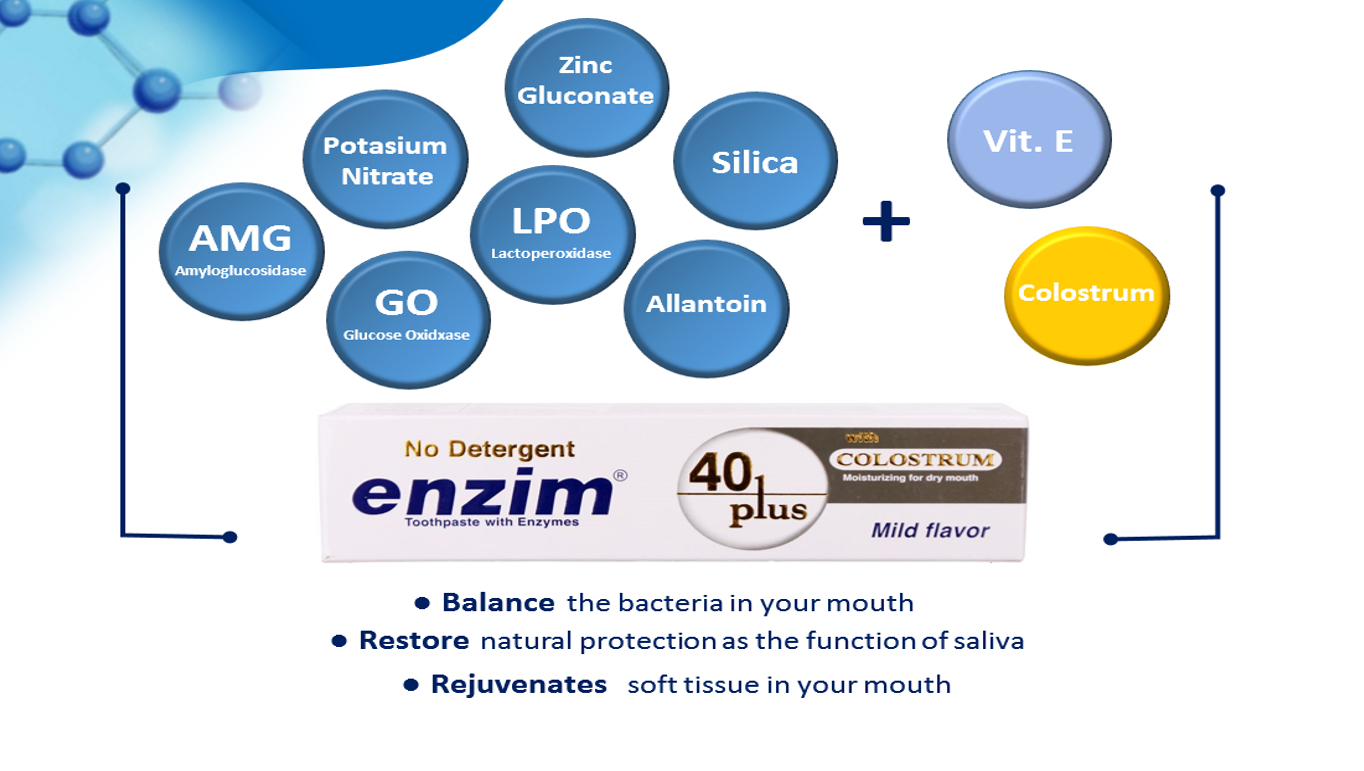
The gold standard for dry mouth treatment is the inclusion of an enzyme system. These usually consist of:
- Lactoperoxidase: An enzyme that helps break down hydrogen peroxide, protecting the mouth from oxidative stress.
- Lysozyme: A naturally occurring protein that attacks the cell walls of harmful bacteria.
- Glucose Oxidase: Works in tandem with other enzymes to maintain a healthy microbial balance.
- Lactoferrin: An iron-binding protein that inhibits the growth of bacteria that require iron to survive.
Humectants and Lubricants
Humectants are substances that attract and retain moisture. In dry mouth formulations, Glycerin and Sorbitol are common, but higher-end brands now utilize Betaine (Trimethylglycine). Betaine is an osmoprotectant that helps oral cells maintain water balance, providing longer-lasting relief than simple lubricants.
Xylitol
Xylitol is a sugar alcohol that does more than just sweeten the paste. It is non-fermentable by Streptococcus mutans, the primary bacteria responsible for cavities. Furthermore, xylitol has been shown in clinical studies to stimulate minor salivary gland activity, providing a slight "boost" to natural moisture levels during and after brushing.
Ingredients to Avoid: The "Red List"
For a patient with xerostomia, certain common ingredients are considered irritants that can lead to "burning mouth syndrome" or mucosal sloughing.
- Sodium Lauryl Sulfate (SLS): As mentioned, this surfactant is the number one ingredient to avoid. It creates a satisfying foam but dries out the tissues and can create micro-fissures in the delicate oral lining.
- Alcohol: Often found in flavorings or as a solvent, alcohol is a desiccant that provides immediate but short-lived "freshness" followed by increased dryness.
- High-Intensity Flavoring: Strong menthol or cinnamon oils can be excruciating for those with "thin" or irritated oral mucosa. Best-ranked brands use mild, "cool" mint or unflavored options.
- High Abrasivity (RDA): Dry mouth makes enamel more vulnerable. Toothpastes with a high Relative Dentin Abrasivity (RDA) score (typically above 70-100) should be avoided to prevent accelerated tooth wear.
Top Ranked Dry Mouth Toothpaste Brands for 2026
The following ranking is based on ingredient synergy, clinical performance in reducing "dryness" scores, and the absence of common irritants.
| Brand Name | Primary Enzyme/Active System | SLS-Free? | Best For |
|---|---|---|---|
| Oral7 Tiny Teeth/Adult | Lactoperoxidase, Lysozyme, Lactoferrin | Yes | Comprehensive salivary mimicry |
| Biotene Fresh Mint | Glycerin-based (LP3 System) | Yes | Accessibility and mildness |
| CloSYS Silver | Stabilized Chlorine Dioxide + Fluoride | Yes | pH balancing and sensitivity |
| GC Dry Mouth Gel/Paste | Recaldent (CPP-ACP) | Yes | Advanced remineralization |
| Sensodyne Pronamel | Potassium Nitrate + Fluoride | Yes | Erosion protection with mildness |
1. Oral7 (Ranked #1 for Ingredient Bio-Mimicry)
Oral7 continues to lead the market in 2026 due to its strict adherence to a multi-enzyme formula. Unlike brands that have simplified their formulas over the years, Oral7 retains a complex of Lactoperoxidase, Glucose Oxidase, and Lactoferrin. Clinical observations suggest that patients using the full Oral7 line (paste, gel, and mouthwash) report a significant reduction in nighttime waking due to oral dryness. The neutral pH is specifically designed to protect against acid erosion which is rampant in dry environments.
2. Biotene (Ranked #2 for Accessibility and Reliability)
Biotene remains the most recognized brand. While its formula has moved away from the original enzyme-heavy mix of the early 2000s toward a more humectant-heavy (Glycerin and Sorbitol) approach, it remains the "baseline" for safety. It is exceptionally mild and widely available. For patients with mild to moderate xerostomia who cannot tolerate any flavor intensity, Biotene’s "Original" or "Gentle" variants are the industry standard for non-irritation.
3. CloSYS Silver (Ranked #3 for pH Control)
CloSYS takes a different approach by focusing on pH balance and the elimination of harmful bacteria through stabilized chlorine dioxide. The "Silver" line is specifically formulated for older adults whose oral tissues may be thinning. It is one of the few brands that successfully manages oral malodor (halitosis)—a common side effect of dry mouth—without using drying alcohols or burning flavors.
Clinical Evidence and Efficacy Standards
Clinical efficacy for dry mouth toothpaste is measured through two primary metrics: the Visual Analogue Scale (VAS) for patient-reported comfort and the BPE (Basic Periodontal Examination) for gum health.
A study published in the Journal of Oral Rehabilitation (updated context for 2026) indicates that enzyme-fortified toothpastes significantly outperform standard fluoride toothpastes in reducing the "sticky" sensation associated with hyposalivation. Furthermore, research into Xylitol concentrations suggests that a minimum of 10% Xylitol by weight is necessary to provide a therapeutic benefit for dry mouth patients, a threshold that premium brands like Oral7 and certain boutique clinical brands meet.
Another critical factor is the Fluoride concentration. Because dry mouth patients lack the buffering capacity of saliva, they are at an "extreme" risk for caries. The American Dental Association (ADA) and other global bodies often recommend that xerostomia patients use a toothpaste with at least 1,100 ppm fluoride, though some may require prescription-strength 5,000 ppm (PreviDent) if decay is active.
Practical Strategies for Managing Chronic Dry Mouth
Using the right toothpaste is only one pillar of a successful management plan. To maximize the results of these clinical-grade brands, patients should adopt the following habits:
- The "No-Rinse" Technique: After brushing with a dry mouth toothpaste, do not rinse with water. Spit out the excess but allow the remaining film to coat the teeth and gums. This keeps the enzymes and fluoride in contact with the tissues longer.
- Hydration Timing: Sip water frequently, but avoid "washing away" the toothpaste immediately after use.
- Nighttime Application: For many, dryness is worst at night. Applying a small amount of dry mouth gel (like Biotene Gel or Oral7 Gel) over the teeth after brushing can provide a moisture barrier that lasts several hours.
- Avoid Caffeine and Tobacco: Both are systemic desiccants. Caffeine can reduce salivary flow, while tobacco smoke physically dries the oral cavity and increases the risk of periodontal disease.
Frequently Asked Questions
Does dry mouth toothpaste actually help produce more saliva?
Most dry mouth toothpastes are designed to replace the functions of saliva (lubrication and protection) rather than stimulate the glands to produce more. However, ingredients like Xylitol and certain mild flavors can provide a slight stimulatory effect on any remaining functional salivary gland tissue. If you need a stimulant, products containing sialogogues (like pilocarpine, by prescription) or OTC lozenges are more effective for that specific goal.
Why does my mouth burn even when using "dry mouth" toothpaste?
If you experience burning, check the ingredient list for "Menthol" or "Cinnamal." Even in "mild" toothpastes, these can be too strong for someone with severely compromised mucosa. You may need a completely unflavored toothpaste or a "non-mint" version. Additionally, ensure the product is truly SLS-free, as some brands marketed for "sensitive teeth" still contain SLS.
Can I use regular toothpaste if I just drink more water?
Drinking water is helpful for hydration, but it does not replace the antimicrobial proteins or the mineral-buffering capacity of saliva. Regular toothpaste (with SLS) may actually cause more damage by drying the tissues further, regardless of how much water you drink. Using a specialized formula provides a protective "buffer" that water alone cannot offer.
Is fluoride necessary in dry mouth toothpaste?
Yes, it is arguably more important for dry mouth patients than for the general population. Without saliva to neutralize acids, enamel demineralizes much faster. Fluoride is the primary defense against the "rampant caries" often seen in patients with Sjögren’s syndrome or those undergoing chemotherapy.
How often should I brush if I have a very dry mouth?
The standard recommendation is twice daily. However, because food debris isn't washed away by saliva, some dentists recommend a very gentle brushing or rinsing with plain water after every meal to ensure no fermentable carbohydrates remain on the teeth.
Selecting the Best Product for Your Needs
When choosing your dentifrice in 2026, start by assessing the severity of your symptoms. For mild dryness caused by occasional dehydration or mouth breathing, a standard SLS-free toothpaste like Sensodyne Pronamel may suffice.
For moderate to severe xerostomia (caused by medications or chronic illness), prioritize a brand with a verified enzyme system like Oral7 or a specialized pH-balanced option like CloSYS Silver. Always look for the ADA Seal of Acceptance where applicable and prioritize products that list Xylitol as one of the first five ingredients. If symptoms persist or if you notice a sudden increase in cavities, consult your dentist about supplemental high-fluoride rinses or prescription-strength pastes to be used in conjunction with your dry mouth regimen.