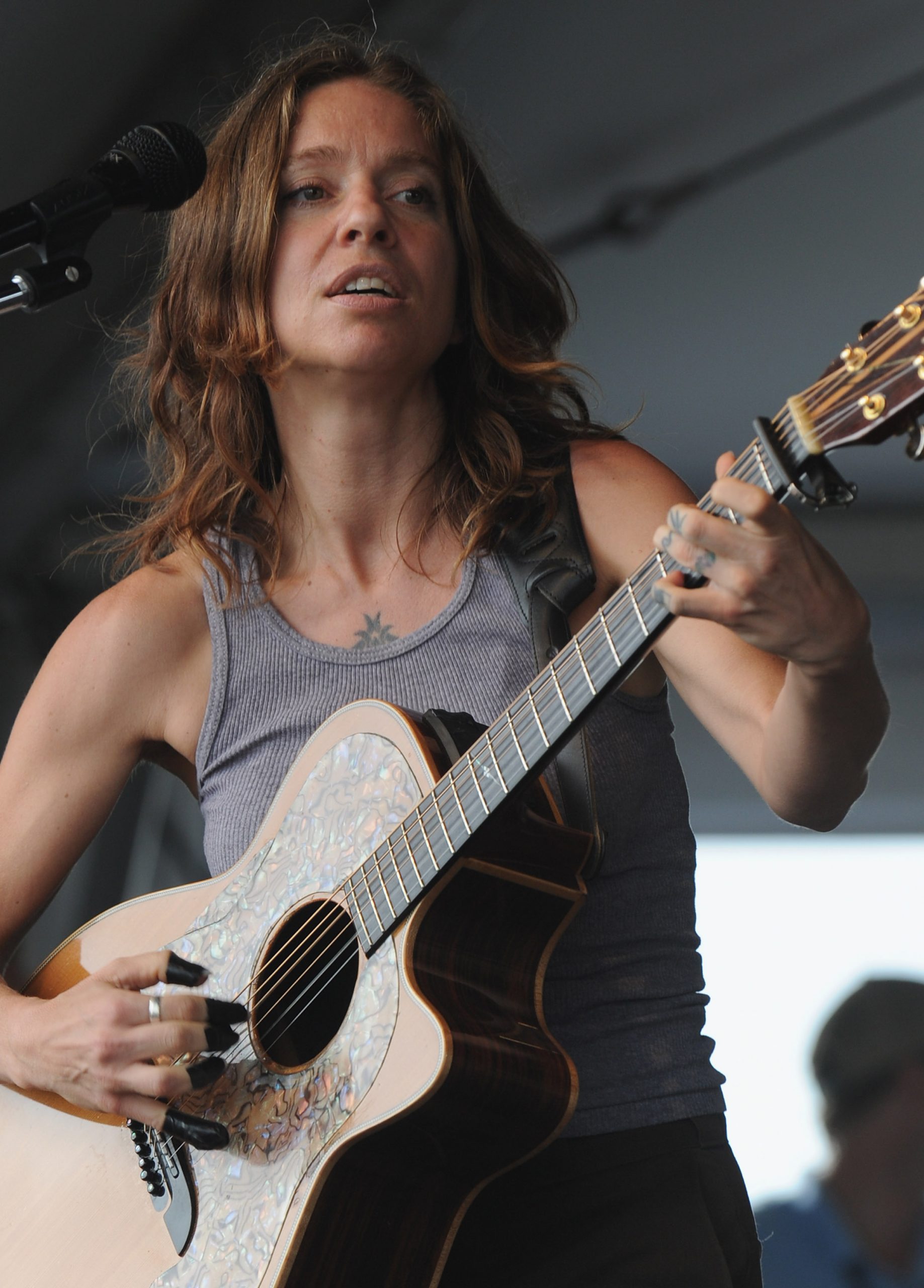
Ani DiFranco is an iconic American singer-songwriter, multi-instrumentalist, and activist widely recognized as a pioneer of the independent music industry. Over a career spanning more than three decades, she has released over twenty studio albums, founded the groundbreaking independent record label Righteous Babe Records, and amassed an estimated net worth of $5 million through relentless touring, direct-to-fan sales, and self-managed artistic control.
The Early Years and Musical Beginnings in Buffalo
Born Angela Marie DiFranco on September 23, 1970, in Buffalo, New York, Ani DiFranco grew up in a working-class environment that exposed her to music and social consciousness at an early age. She began playing the guitar at age nine, learning cover songs outside local folk coffeehouses and busking on street corners. By the time she was a teenager, DiFranco was writing her own material, drawing heavy inspiration from the fierce independence of the punk rock movement as well as traditional acoustic folk idioms.
Emancipated from her family at the age of fifteen, she moved into an apartment in Buffalo and supported herself by playing local gigs in bars and clubs. This period forged her resilient, self-reliant ethos. She learned early on how to book her own shows, manage sound systems, and connect directly with audiences without the buffer of artist management. Her formative years in Western New York established the foundation for a lifetime of artistic autonomy, teaching her that mainstream corporate music structures were entirely optional for a viable, long-term musical career.
Founding Righteous Babe Records and Industry Independence
In 1990, at the age of nineteen, DiFranco made a decision that would redefine her career and influence the broader independent music landscape: she founded her own record label, Righteous Babe Records. Operating out of Buffalo, the label was built on the principle of absolute artistic freedom and ownership of master recordings. Rather than signing away her copyrights to a major label conglomerate, DiFranco retained 100% control over her music, her image, and her business operations.
Righteous Babe Records started as a grassroots operation, initially funded by DiFranco's earnings from constant touring. As her audience grew through word-of-mouth and underground acclaim, the label expanded its scope. Eventually, Righteous Babe began signing and supporting other eclectic, politically engaged artists, including Utah Phillips, Andrew Bird, and Anais Mitchell. By rejecting traditional record deals, DiFranco demonstrated that an artist could build a sustainable, lucrative career while maintaining total creative control. Her business model became a textbook case study in modern independent music distribution and publishing.
Musical Evolution and Career Milestones
DiFranco’s self-titled debut album, released in 1990, established her signature percussive acoustic guitar style and unvarnished lyricism. Throughout the 1990s, she maintained a punishing release schedule, putting out a new album almost every year. Records such as Puddle Dive (1993), Not a Pretty Girl (1995), and Dilate (1996) expanded her critical acclaim and widened her devoted fanbase. Her music fearlessly tackled complex social issues, including abortion rights, domestic abuse, homophobia, racism, and corporate greed, alongside deeply introspective examinations of love and personal identity.
| Album Title | Release Year | Key Themes and Characteristics | Commercial / Critical Impact |
|---|---|---|---|
| Ani DiFranco | 1990 | Acoustic punk, raw production, foundational songwriting | Established her DIY ethos and launched Righteous Babe Records |
| Not a Pretty Girl | 1995 | Feminism, systemic critique, gender roles | Breakthrough critical success; expanded national touring base |
| Dilate | 1996 | Heartbreak, emotional vulnerability, toxic relationships | Widely regarded as a masterpiece of confessional folk-rock |
| Little Plastic Castle | 1998 | Horn arrangements, commercial accessibility, capitalism | Reached #69 on the Billboard 200; broad mainstream exposure |
As her career progressed into the 2000s and 2010s, DiFranco experimented with diverse instrumentation, incorporating jazz, funk, soul, and spoken word into her acoustic framework. Albums like Knuckle Down (2005) and Allergic to Water (2014) showcased a more mature, contemplative songwriting style while maintaining her signature rhythmic drive. In 2019, she published her critically acclaimed memoir, No Walls and the If It Ain't Broke You Can't Fix It Yet, offering a candid look into her upbringing, activism, and the early days of building her independent empire.
Financial Standing and Net Worth Analysis
Ani DiFranco holds an estimated net worth of $5 million. Unlike mainstream pop acts who accumulate wealth through multi-platinum record sales engineered by major label advances and corporate sponsorships, DiFranco’s financial standing is the result of direct-to-fan economics, publishing royalties, and decades of relentless, self-booked touring.
Because she owns the master recordings of virtually her entire catalog through Righteous Babe Records, DiFranco captures a significantly higher percentage of every album sold, streamed, or licensed than artists signed to traditional record contracts. Furthermore, her rigorous touring schedule across North America, Europe, and Australia has consistently generated robust ticket and merchandise revenue. While she has never chased Top 40 radio hits, her steady, highly loyal audience ensures predictable, long-term streams of independent revenue, making her net worth a testament to sustainable, independent career management.
Activism, Social Engagement, and Cultural Impact
Beyond her music, DiFranco has spent her entire adult life deeply embedded in political and social activism. She has used her platform to support grassroots organizations, environmental causes, reproductive rights, and progressive political campaigns. Her song "Tambourine" and various benefit concerts have raised hundreds of thousands of dollars for charitable initiatives.
DiFranco’s cultural impact is measured not just in record sales, but in the path she paved for subsequent generations of independent musicians. Long before digital distribution platforms, Bandcamp, and social media made DIY music promotion accessible to everyone, DiFranco proved that an artist could bypass the traditional gatekeepers of the music industry entirely. Her legacy remains deeply intertwined with the empowerment of women in music and the ongoing viability of artist-owned enterprise.
Frequently Asked Questions
What is Ani DiFranco's net worth?
Ani DiFranco has an estimated net worth of $5 million, accumulated primarily through decades of independent touring, merchandise sales, and owning 100% of her master recordings via Righteous Babe Records.
When did Ani DiFranco found Righteous Babe Records?
She founded Righteous Babe Records in 1990 when she was just nineteen years old, establishing it in her hometown of Buffalo, New York, to maintain total control over her music and business.
What musical style is Ani DiFranco known for?
DiFranco is best known for her fierce acoustic folk-rock style, characterized by highly energetic, percussive guitar playing, socially conscious lyrics, and a blend of folk, punk, jazz, and funk influences.
How many albums has Ani DiFranco released?
Throughout her prolific career, DiFranco has released over twenty studio albums, alongside numerous live recordings, EPs, and collaborative projects, almost all distributed through her own label.
Is Ani DiFranco still touring and releasing music?
Yes, she continues to write, record, and tour actively, maintaining a dedicated international fanbase and occasionally releasing new material through Righteous Babe Records while engaging in literary and activist projects.