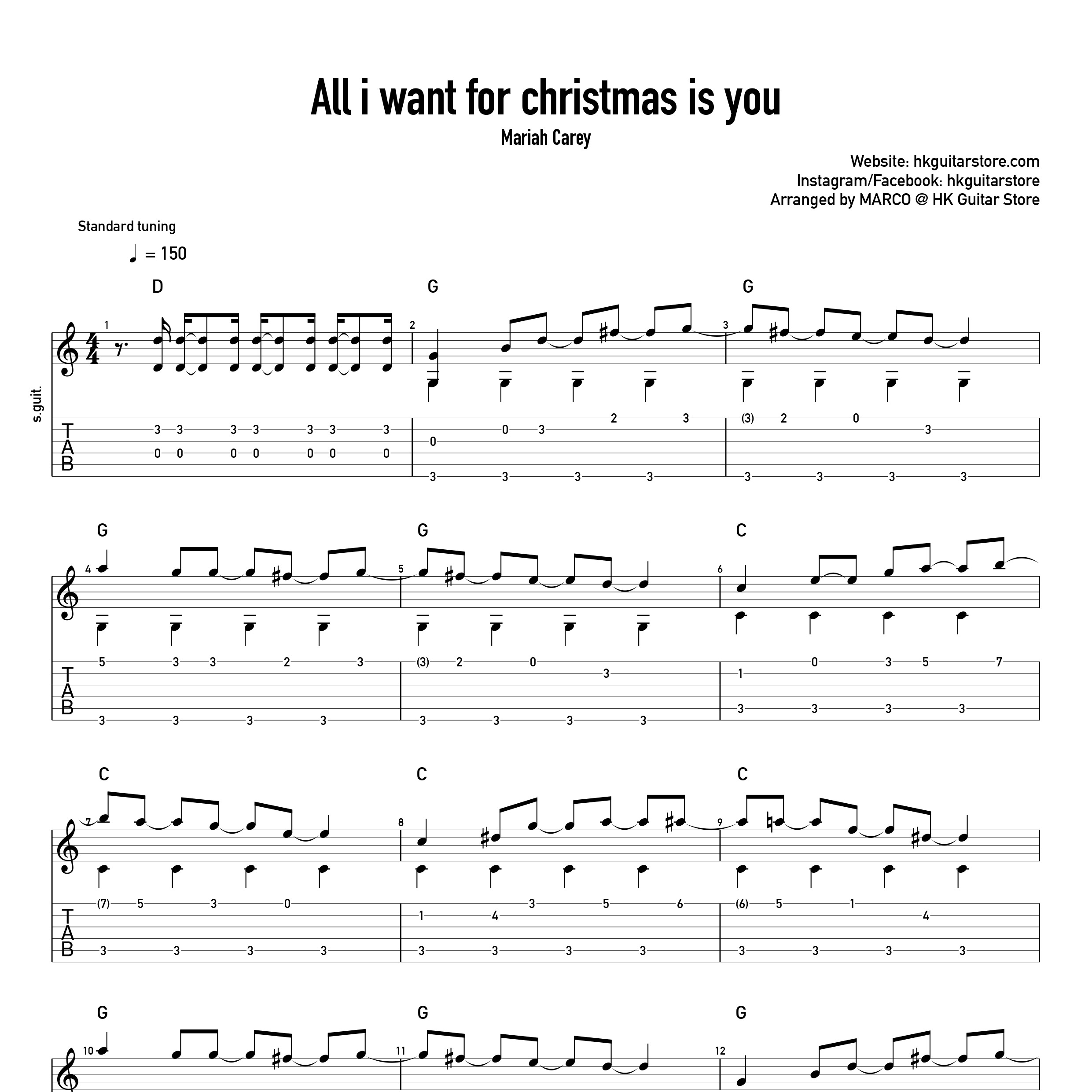
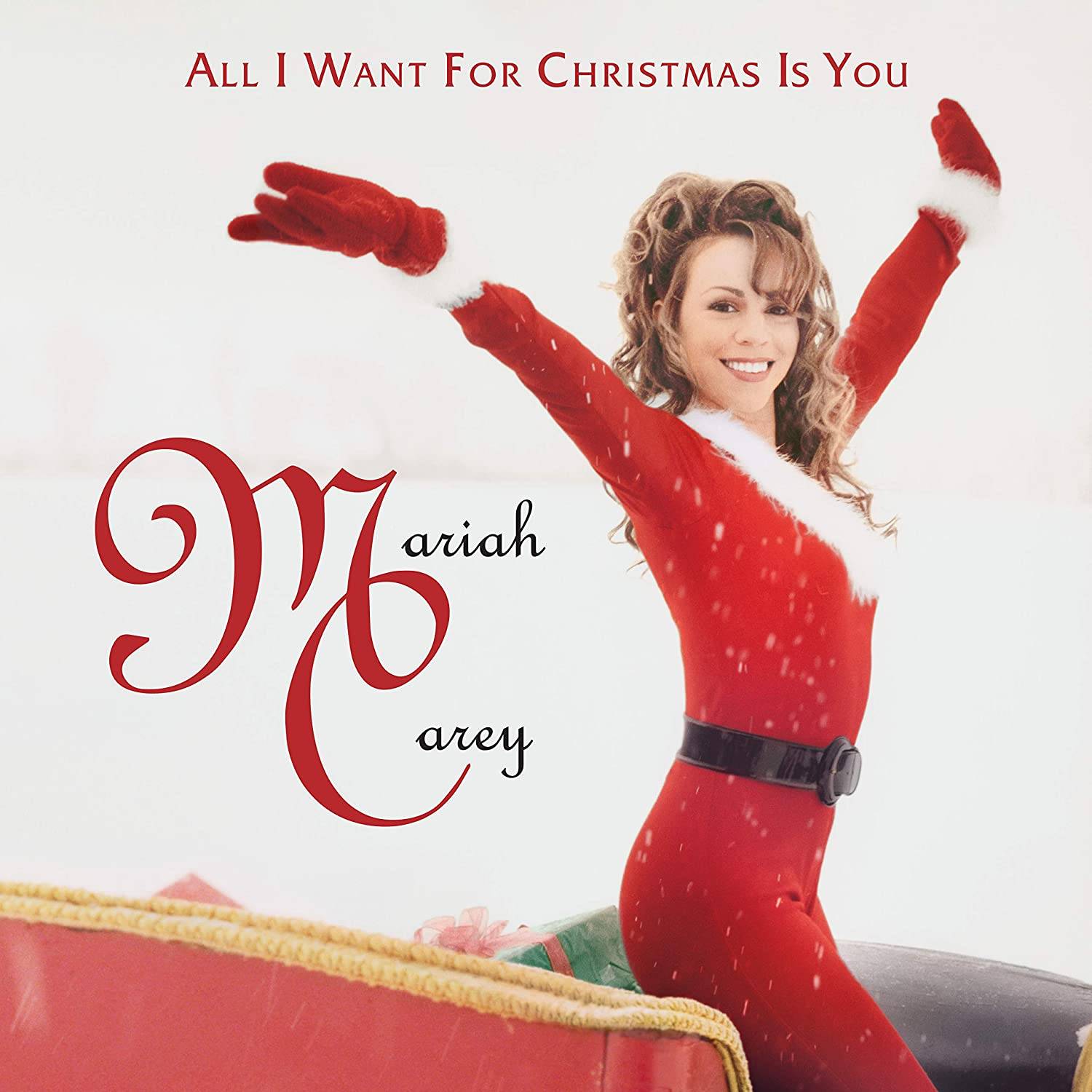
The iconic holiday anthem "All I Want for Christmas Is You" was composed and produced by Mariah Carey and Walter Afanasieff. Released in 1994 as part of the album Merry Christmas, the song blended 1960s-style production with modern pop sensibilities, eventually becoming the most successful holiday single by a female artist and a defining pillar of the global festive soundtrack.
The Creative Partnership: Mariah Carey and Walter Afanasieff
To understand the origins of the ultimate festive soundtrack, one must look at the collaborative synergy between Mariah Carey and Walter Afanasieff in the early 1990s. At the time, Carey was already a global superstar, and Afanasieff was her trusted primary collaborator. Before "All I Want for Christmas Is You," the duo had already produced massive hits, including the ballad "Hero."
Afanasieff, a classically trained musician and seasoned producer, provided the technical backbone for Carey’s melodic ideas. In 1994, the concept of a contemporary artist releasing an original Christmas album was considered a risky career move, often reserved for artists whose careers were waning. However, Carey and Afanasieff approached the project with the intent of creating something that felt like a "standard" rather than a fleeting pop hit.
Their partnership was rooted in a shared appreciation for the "Wall of Sound" production technique pioneered by Phil Spector in the 1960s. While Carey brought the initial lyrical hook and a simple melody played on a Casio keyboard, Afanasieff expanded the arrangement into a lush, orchestral-style pop production. This collaboration ensured that the song bridged the gap between the nostalgia of the 1940s and 1950s and the high-fidelity demands of the 1990s.
The Composition Process: From Summer Heat to Winter Magic
The creation of "All I Want for Christmas Is You" is often surrounded by the legend that it was written in just 15 minutes. While the core melodic hook and lyrics were indeed conceived quickly during a summer songwriting session in Upstate New York, the structural refinement took significantly longer. Carey wanted the song to capture the specific "spirit" of the holidays—optimistic, romantic, and timeless.
The songwriting process began with Carey experimenting with a keyboard and a melody that mimicked the upbeat tempo of 1950s rock and roll. Unlike many traditional Christmas carols that rely on somber religious themes or slow-tempo nostalgia, Carey and Afanasieff focused on a "celebratory" vibe. They intentionally avoided specific references to toys, Santa Claus (in the narrative sense), or religious figures to keep the song’s appeal universal and centered on human connection.
Walter Afanasieff has noted in various interviews, including with The New York Times, that the song's brilliance lies in its simplicity. It starts with a slow, crystalline intro featuring a celesta and bells, which then explodes into a high-energy "shuffled" beat. This transition is a classic songwriting trope designed to build anticipation, a technique the composers used to ensure the song would dominate radio play and dance floors alike.
The "Christmas Chord" and Music Theory Secrets
One of the reasons "All I Want for Christmas Is You" feels so much like a classic holiday song is its clever use of music theory. Afanasieff and Carey utilized a specific chord progression that is rare in modern pop but common in the "Great American Songbook."
The most notable element is the use of the minor subdominant (iv) chord, often referred to as the "Christmas chord." In the key of G major (the song's original key), this is a C minor chord played while the melody continues in a major feel. This specific harmonic choice creates a sense of "yearning" or "bittersweet nostalgia" that listeners subconsciously associate with holiday classics like Irving Berlin’s "White Christmas."
Beyond the chords, the arrangement features:
- The Sleigh Bell Pattern: A consistent 8th-note rhythm on the sleigh bells that drives the percussion.
- Background Vocals: Multi-layered "ooohs" and "aaahs" that mimic a gospel choir, providing a thick, warm texture.
- The Tempo: At approximately 150 beats per minute, it is significantly faster than most Christmas standards, which contributes to its "infectious" energy.
Technical Production: The Paradox of a "Live" Sound
A common misconception about the song is that it was recorded with a full live orchestra and band. In reality, nearly the entire track was programmed by Walter Afanasieff. Because the duo wanted a specific, punchy sound that was difficult to capture with live musicians in 1994, Afanasieff used a Roland JV-1000 synthesizer and a digital sequencer to create the drums, bass, and piano tracks.
The only "live" elements on the final master are Mariah Carey’s lead vocals and the background vocals (provided by Carey, Melonie Daniels, Kelly Price, and Shanrae Price). This technical approach was revolutionary at the time; it allowed for a "perfect" 1960s pastiche that was actually a product of 1990s digital precision. By 2026, this production style remains the benchmark for how to synthesize vintage warmth with modern clarity.
This programming choice was also strategic. It ensured that the percussion remained incredibly crisp, which helped the song stand out on FM radio. The "handclaps" and "snaps" were meticulously placed to emphasize the "backbeat," a hallmark of the Motown sound that Carey and Afanasieff were attempting to emulate.
Economic and Cultural Impact of the Festive Soundtrack
As of 2026, "All I Want for Christmas Is You" has transcended its status as a mere song to become a global financial phenomenon. It is estimated that the song earns Carey and Afanasieff between $2.5 million and $3 million in royalties every year. This "festive soundtrack" has topped the charts in dozens of countries and was the first holiday song to be certified Diamond by the RIAA.
| Feature | Statistical Detail |
|---|---|
| Composers | Mariah Carey, Walter Afanasieff |
| Release Date | October 29, 1994 |
| Album | Merry Christmas |
| BPM | 150 BPM |
| Peak Chart Position | #1 (Multiple consecutive years) |
| Digital Streams | 2.5 Billion+ (as of 2026) |
| Primary Instruments | Roland JV-1000, Sleigh Bells, Celesta |
The song’s longevity is partially due to its integration into pop culture. From its prominent placement in the 2003 film Love Actually to the "Mariah is Defrosting" social media memes that appear every November, the track is now the unofficial signal that the holiday season has begun. For the composers, this represents the pinnacle of "evergreen" songwriting—a track that requires no new marketing to achieve annual dominance.
Contemporary Relevance and the 2026 Landscape
In the year 2026, the influence of Carey and Afanasieff’s work is visible in how modern artists approach holiday music. While many attempt to recreate the magic of "All I Want for Christmas Is You," few have matched its balance of technical complexity and emotional accessibility. The song remains the "ultimate festive soundtrack" because it does not feel dated; its 1960s-inspired roots were already "retro" in 1994, which paradoxically makes it immune to the changing trends of the 2020s.
According to data from Billboard, the song's dominance has actually increased in the streaming era. Because algorithms prioritize "seasonal" and "high-engagement" content, the song is automatically pushed to the top of every festive playlist globally the moment the calendar hits November 1st. This has created a feedback loop where each generation discovers the song as if it were a new release, cementing its place in the musical canon.
Why the Song Never Gets Old
The secret to its "un-skippable" nature lies in the vocal performance. Carey uses her signature range, from soulful low notes to her famous whistle register, but she keeps the delivery "playful" rather than "operatic." This makes the song approachable for karaoke and sing-alongs, which is a key requirement for any track aspiring to be part of the "ultimate" festive soundtrack.
Potential Legal and Creative Legacy
The legacy of the composers was briefly clouded by a copyright lawsuit from Andy Stone (of Vince Vance & the Valiants), who claimed the title was stolen from his 1989 song. However, legal experts and the United States Copyright Office have noted that "All I Want for Christmas Is You" is a common phrase and that the musical composition of Carey’s track is entirely original. This victory for the composers protected the song’s status as a unique piece of intellectual property.
Frequently Asked Questions
Who actually wrote "All I Want for Christmas Is You"?
The song was co-written by Mariah Carey and Walter Afanasieff. Carey typically focused on the lyrics, vocal arrangements, and the core melody, while Afanasieff focused on the harmonic structure, orchestration, and technical production. Both are credited as songwriters and producers on the track.
Is the song's "15-minute" writing story true?
Yes and no. The initial "spark" of the song—the main melody and the "All I want for Christmas is you" hook—was conceived by Carey in about 15 minutes while she was playing a Casio keyboard. However, the full arrangement, the "minor iv" chord transition, and the layers of production took several weeks of collaboration between Carey and Afanasieff to perfect.
What instruments are used in the track?
Most of the music is synthesized. Walter Afanasieff used a Roland JV-1000 synth to program the drums, piano, bass, and orchestral flourishes. The only live sounds are the vocals and some additional percussion like the sleigh bells. This gives the song its distinctively clean yet retro sound.
How much does Mariah Carey make from the song each year?
While exact figures vary based on streaming and licensing, estimates suggest she earns roughly $2.5 million to $3 million annually in royalties. This figure has grown in 2026 due to the expansion of global streaming platforms and synchronized licensing in films and advertisements.
What makes the song a "modern standard"?
It is considered a modern standard because it is the only holiday song written in the last 40 years to achieve the same level of ubiquity as classics like "Jingle Bells" or "White Christmas." Its combination of high-tempo energy and classic 1960s harmonic structures makes it feel both fresh and timeless.
Next Steps for Building Your Festive Soundtrack
To truly appreciate the work of the composers, listeners should explore the technical nuances of the song through a high-fidelity audio system. If you are curating a festive playlist in 2026, consider these actions:
- Analyze the Arrangement: Listen for the transition between the slow intro and the fast "shuffle" beat at the 0:45 mark to understand how the composers build energy.
- Compare Versions: Listen to the original 1994 version alongside the "Extra Festive" 2010 version to see how the production was updated for a newer generation.
- Explore the Album: To get a full sense of the Carey-Afanasieff partnership, listen to the entire Merry Christmas album, which features other original compositions like "Miss You Most (At Christmas Time)."
- Vocal Study: For aspiring singers, the track serves as a masterclass in "vocal layering," where Carey acts as her own choir through multi-track recording.