The "shocking betrayal" in All in the Family refers to the Season 8 episode "Edith's 50th Birthday," where a man posing as a detective attempts to sexually assault Edith Bunker. This landmark 1977 episode shattered sitcom conventions, depicting a brutal violation of the domestic sanctuary and causing deep family turmoil as the Bunkers grappled with the traumatic aftermath.
The Narrative Foundation of "Edith's 50th Birthday"
In the history of American television, few moments are as visceral or as unexpected as the events of "Edith's 50th Birthday." Aired as a two-part special in September 1977, the episode began with the lighthearted, frantic energy typical of the Bunker household. Archie, Gloria, and Mike are preparing a surprise party for Edith at the Stivics' house next door. The "betrayal" of the audience’s expectations begins the moment Edith is left alone in the house to finish some baking.
The intruder, played by David Dukes, enters the home under the guise of a police officer. This is the first layer of betrayal—the exploitation of authority and safety. By the time the viewer realizes the "detective" is a predator, the tension has shifted from a comedy of errors to a psychological thriller. The scene is famously agonizing; it lasts nearly ten minutes in real-time, focusing on Edith's growing realization of danger. Unlike contemporary dramas that might use fast cuts or a heavy score, All in the Family used silence and the mundane sounds of a kitchen to heighten the horror.
The "shocking betrayal" culminates when the intruder forces Edith onto the couch. The physical attack is thwarted only when Edith, showing an inner strength rarely seen in her "Dingbat" persona, shoves a burning cake into the attacker's face and flees. This moment redefined Edith Bunker as a character, moving her beyond the caricature of a submissive housewife into a figure of profound resilience.
Analyzing the Betrayal of the Domestic Sanctuary
The domestic sanctuary is a core tenet of the traditional multi-camera sitcom. For seven seasons, 704 Hauser Street was a place of loud arguments and bigoted rants, but it was fundamentally "safe." The intrusion of a rapist into this space was a meta-betrayal of the genre itself. By 2026, media historians still point to this episode as the moment the "laugh track" died—not literally, but symbolically. The audience at the time was reportedly stunned into a silence that the producers chose to leave largely intact.
This violation of the home also represented a betrayal of the social contract. The attacker did not break in; he was invited in because he presented a badge. For Edith, a character defined by her innate trust and kindness, this was a soul-crushing revelation. The turmoil that followed was not just about the physical danger she escaped, but the realization that her worldview—one where everyone is essentially good—was fundamentally flawed.
The choice of the attacker’s profession (even as a ruse) was a deliberate commentary by the show’s creator, Norman Lear. It highlighted how predators use the structures of society to isolate and victimize women. In the context of 1977, and still relevant in 2026, this underscored the vulnerability of women within their own homes, a topic that was rarely, if ever, addressed on prime-time television.
Family Turmoil: The Psychological Aftermath for the Bunkers
While the attack itself was the catalyst, the "family turmoil" mentioned in the series history focuses on the fallout within the Bunker and Stivic households. The second part of the episode explores the different ways the family members process the trauma.
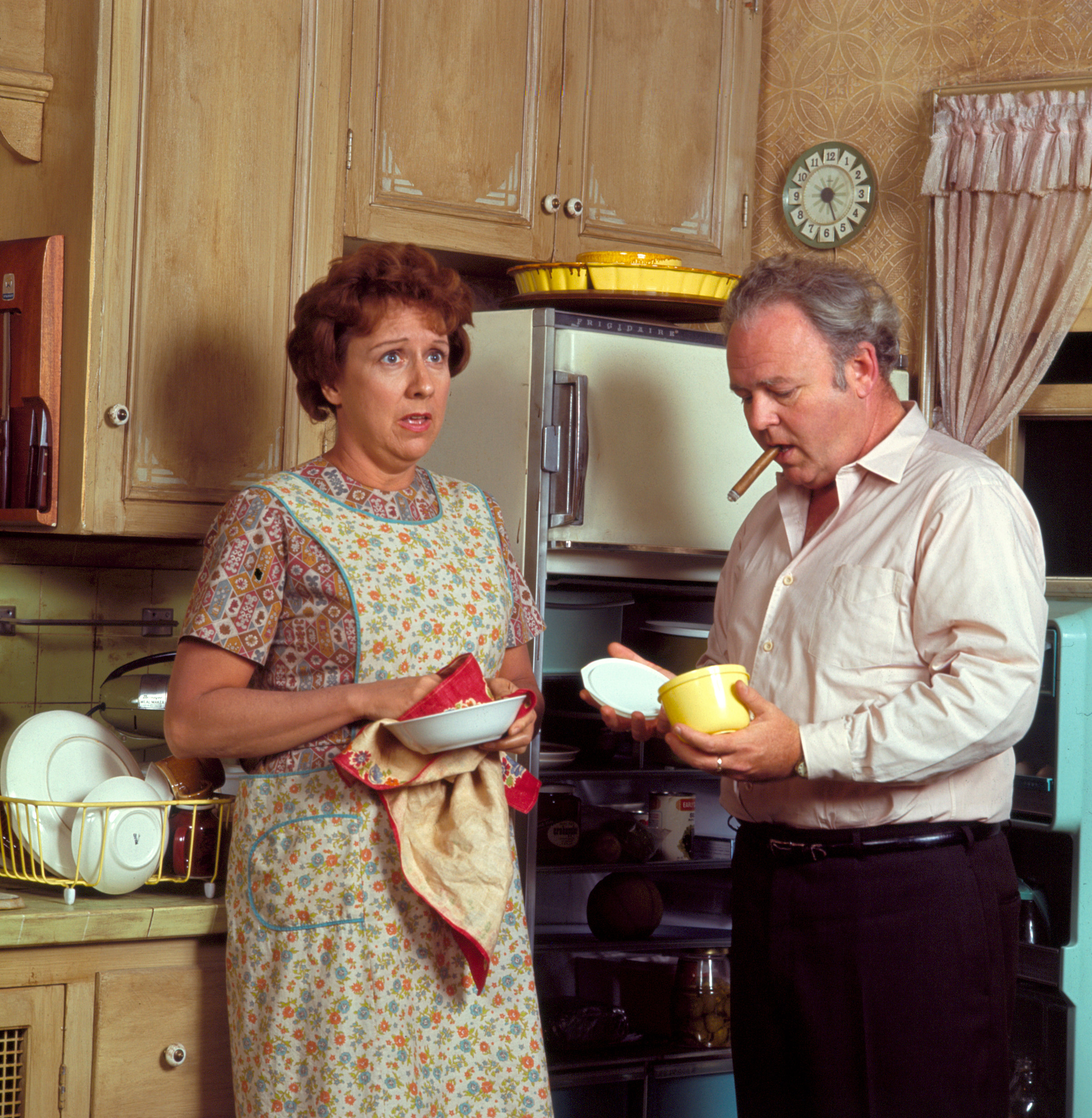
Archie Bunker’s reaction is particularly complex. True to his character, Archie’s first instinct is a mix of rage and an inability to deal with his own feelings of failure as a "protector." He struggles with the fact that he was next door, celebrating, while his wife was fighting for her life. This internal guilt manifests as irritability and a desire to "just move on," which causes significant friction with Gloria and Mike, who advocate for Edith to seek professional counseling and report the crime properly.
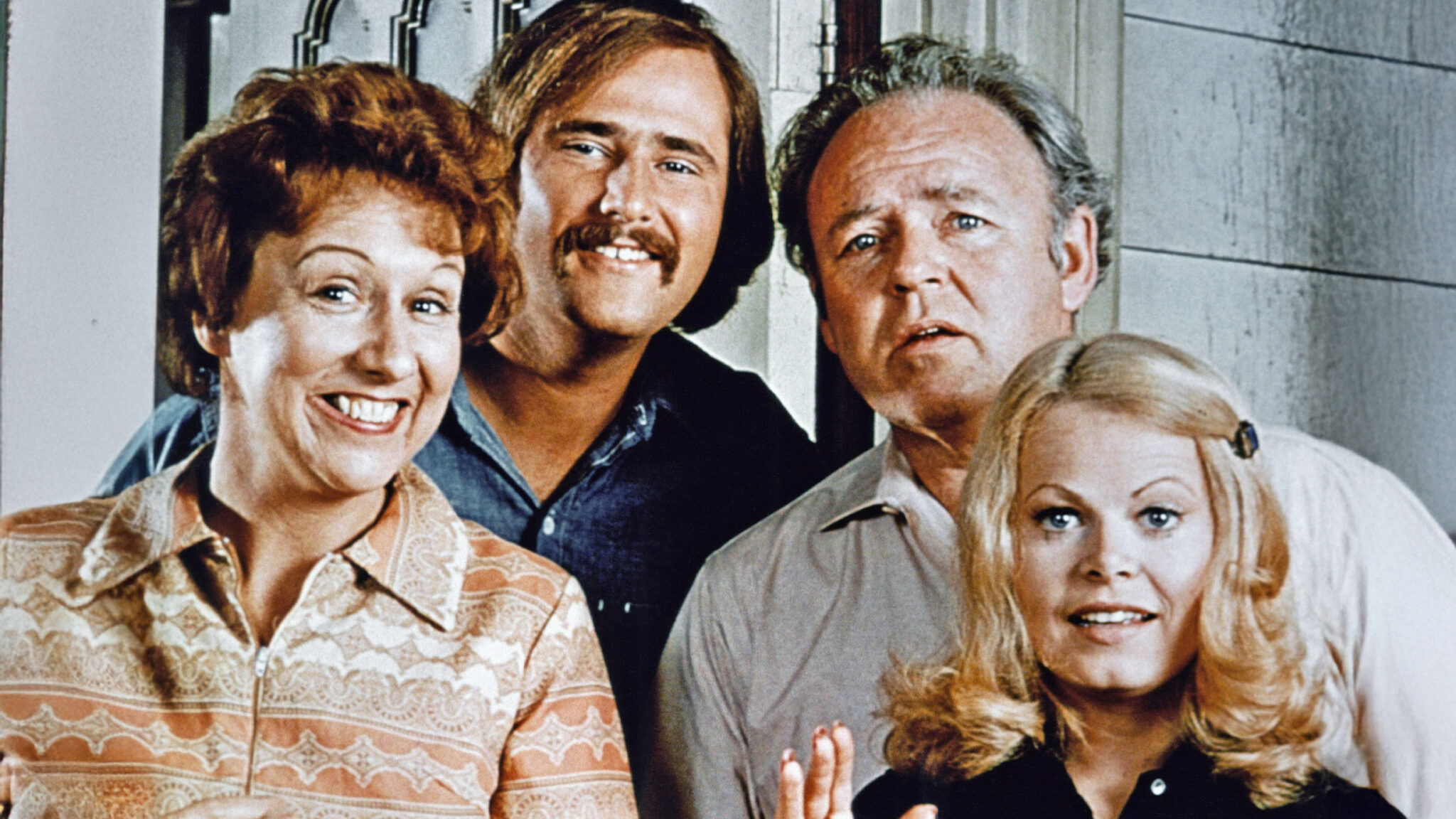
Gloria and Mike represent the evolving social consciousness of the late 1970s. They recognize that Edith is suffering from what would now be diagnosed as Post-Traumatic Stress Disorder (PTSD). The turmoil arises when the family's traditional "hush-hush" approach to tragedy clashes with the need for modern psychological healing. Edith’s subsequent fear of being alone and her reluctance to leave the house create a heavy, somber atmosphere that persists long after the "detective" has fled.
Technical Execution and Artistic Courage
The episode is a masterclass in tension. Director Paul Bogart and writers Bob Schiller and Bob Weiskopf took a significant risk by pivoting the show’s tone so sharply. The use of a "bottle episode" format—focusing almost entirely on the interaction between Edith and her attacker in the living room—traps the audience with her.
Jean Stapleton’s performance earned her immense critical acclaim. Her ability to transition from the cheerful, humming Edith to a woman paralyzed by terror, and finally to a survivor driven by adrenaline, remains one of the most powerful arcs in sitcom history. The "shocking betrayal" of the comedy format allowed the show to tackle the reality of sexual assault with a gravity that a standard drama might not have achieved, precisely because the audience was so invested in Edith’s well-being.
| Element of the Episode | Traditional Sitcom Expectation | "Edith's 50th Birthday" Reality | Impact on Audience |
|---|---|---|---|
| Guest Character | Wacky neighbor or misunderstood relative | A violent sexual predator | Total subversion of safety |
| Primary Conflict | A misunderstanding about a party | An attempted rape and home invasion | Psychological trauma |
| Resolution | Everyone laughs and eats cake | The cake is used as a weapon; trauma persists | Shift to serious social commentary |
| Archie’s Role | Providing comic relief through bluster | Dealing with emasculation and guilt | Deepening of the lead character |
| Tone | Lighthearted and episodic | Serialized trauma and somber realism | Groundbreaking television |
The Cultural Legacy in the 2020s
As of 2026, "Edith's 50th Birthday" is frequently cited in discussions regarding "Very Special Episodes" and the evolution of the sitcom. While many 1970s shows attempted to tackle "issues," All in the Family succeeded because it didn't treat the attack as a one-off plot point. The incident changed Edith. In later seasons, her increased independence and her willingness to stand up to Archie can be traced back to the strength she discovered during the attack.
The episode also served as a public service. At the end of the original broadcast, Jean Stapleton appeared out of character to provide information for rape crisis centers. This was a revolutionary move that used the power of broadcast television to provide actionable help to victims. The "shocking betrayal" of the audience's comfort zone was necessary to bring a hidden, shameful topic into the light of the American living room.
Furthermore, the episode forced a conversation about victim-blaming. Archie’s initial discomfort and his questions about why Edith let the man in were reflective of the societal attitudes of the era. By showing Archie’s eventual realization of his own wrongheadedness, the show educated its audience on how to support survivors rather than interrogate them.
Production Challenges and Censorship
It is important to note the hurdles the production team faced with CBS censors. The network was extremely hesitant to air a story involving attempted rape on a show that was essentially a comedy. Norman Lear famously fought to keep the scene as realistic and harrowing as possible, arguing that to sanitize the violence would be a disservice to the millions of women who had experienced similar traumas.
The compromise was that the physical violence was kept to a minimum, focusing instead on the psychological coercion and the threat of force. This turned out to be an artistic benefit; the threat of what could happen, combined with the attacker’s cold, methodical behavior, made the episode far more terrifying than a more graphic depiction might have been. The "shocking betrayal" was psychological, making it more resonant and harder for the audience to shake off.
FAQ
Why is the episode called a "shocking betrayal"?
The term "shocking betrayal" refers both to the narrative—where an intruder uses a police badge to betray Edith’s trust—and the television medium itself, which betrayed the expectations of the sitcom genre by presenting a harrowing, non-comedic depiction of sexual violence.
What happened to the man who attacked Edith?
In the episode, Edith escapes by throwing a burning cake in the attacker's face. He is later caught by the actual police after Edith provides a description. The second part of the episode deals with the legal process and the emotional difficulty Edith faces in identifying her attacker.
Did this episode change All in the Family forever?
Yes. It marked a permanent shift in Edith Bunker's character. She became less of a comedic foil and more of a resilient, complex woman. It also signaled the show's transition into more serious, dramatic territory as it moved into its final seasons and eventually transitioned into Archie Bunker's Place.
How did audiences react to the episode in 1977?
The reaction was overwhelmingly one of shock followed by praise. While some viewers were disturbed by the content, the episode received high ratings and Jean Stapleton won an Emmy for her performance. It is now considered one of the most important episodes in TV history.
Is the episode still relevant in 2026?
Absolutely. The themes of domestic safety, the exploitation of authority by predators, and the psychological impact of trauma remain highly relevant. It is studied in media courses as a prime example of how television can influence social change.
Assessing the Enduring Impact of the Bunker Turmoil
The "family turmoil" sparked by the attack on Edith served as a blueprint for how television could handle serious trauma within a familiar cast. By 2026, we see the influence of this episode in almost every "prestige" comedy-drama that tackles heavy themes. The Bunkers' struggle to return to normalcy was not a "lesson of the week" but a fundamental shift in their family dynamic.
For viewers today, watching "Edith's 50th Birthday" is an exercise in empathy. It reminds us that behind the laughter of classic television were creators and actors willing to risk their popularity to tell uncomfortable truths. The betrayal of the home's safety was a necessary narrative device to illustrate that no one is immune to the realities of the world, even in the supposedly safe confines of a 1970s sitcom. The turmoil experienced by Archie and Edith was, in many ways, the turmoil of a country learning to face its own shadows.