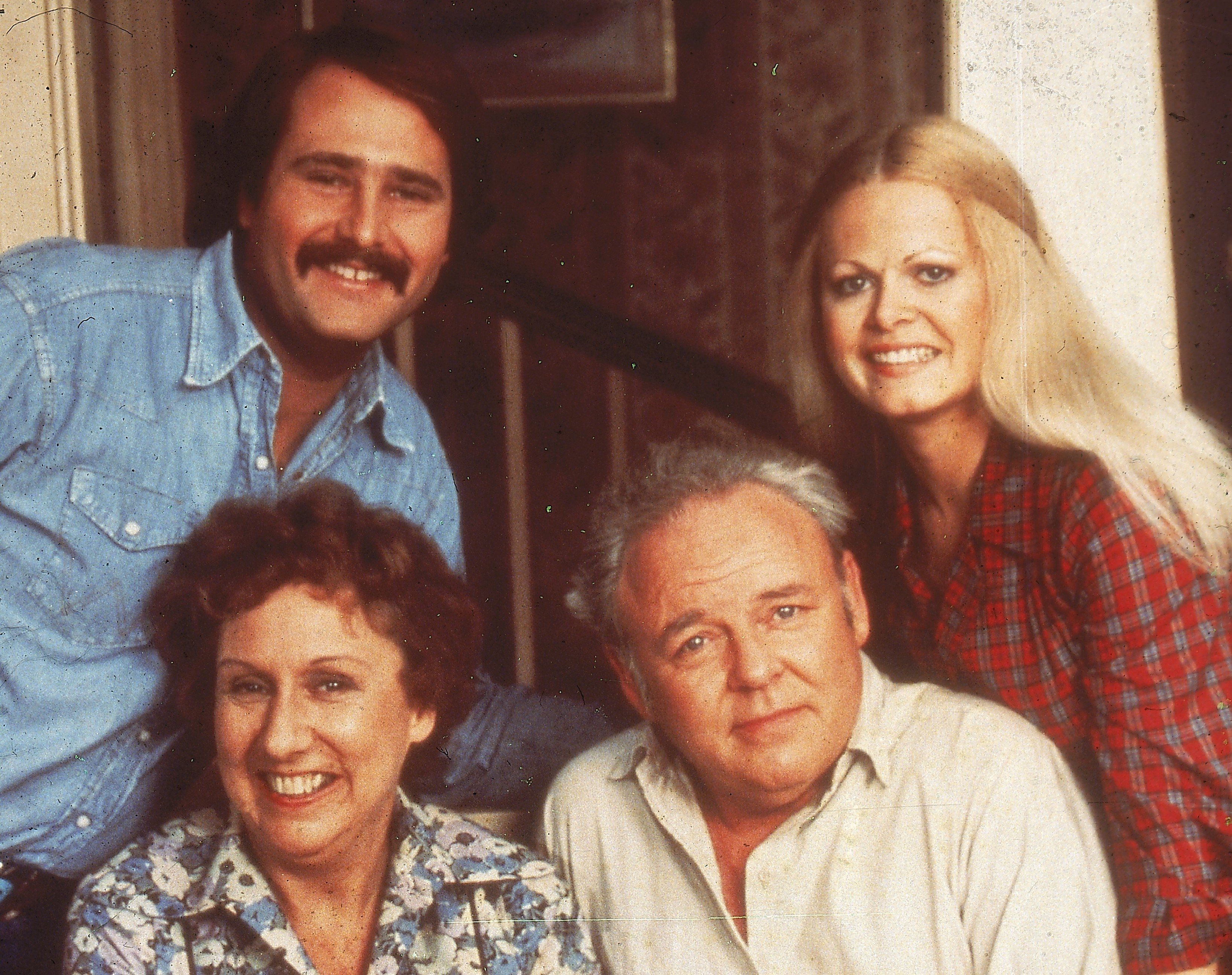
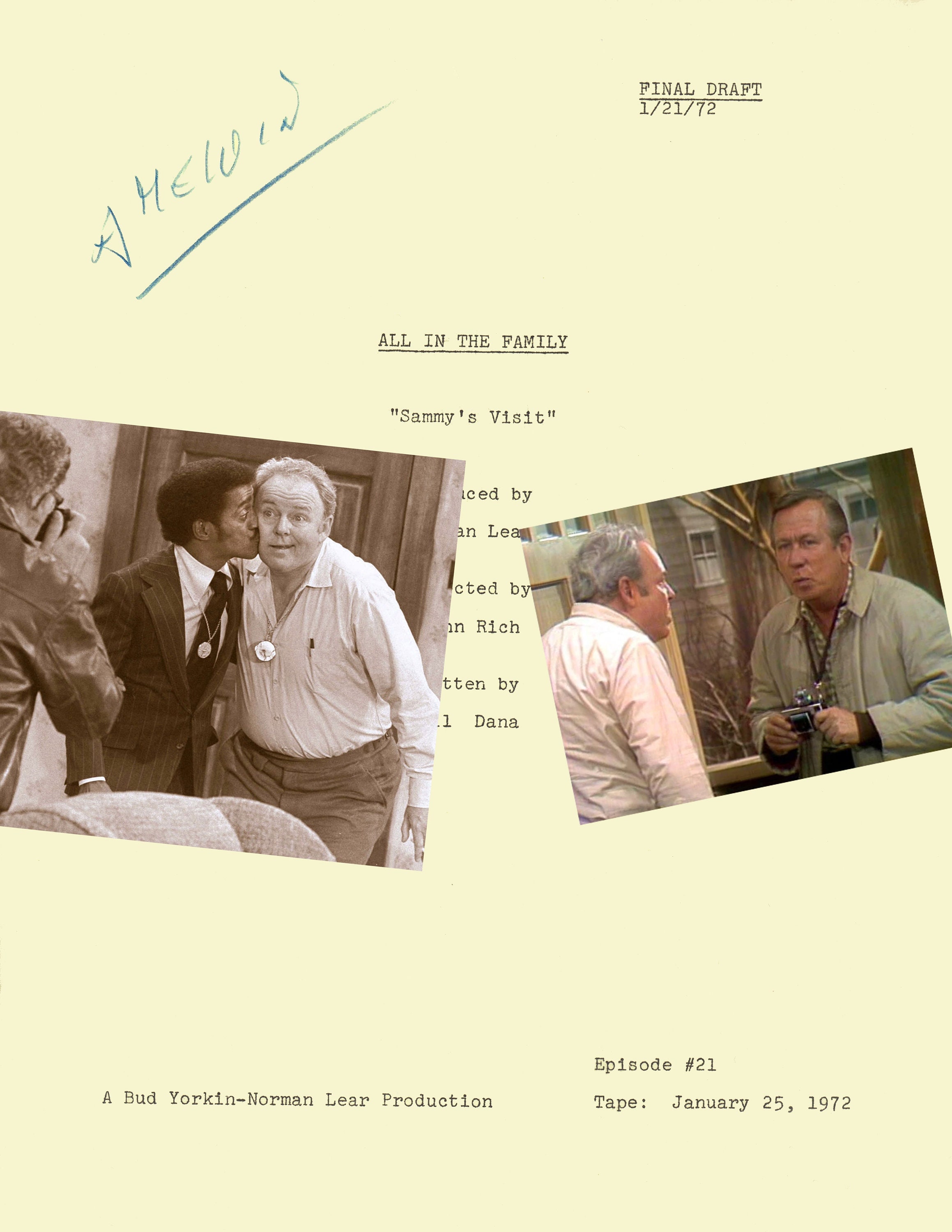
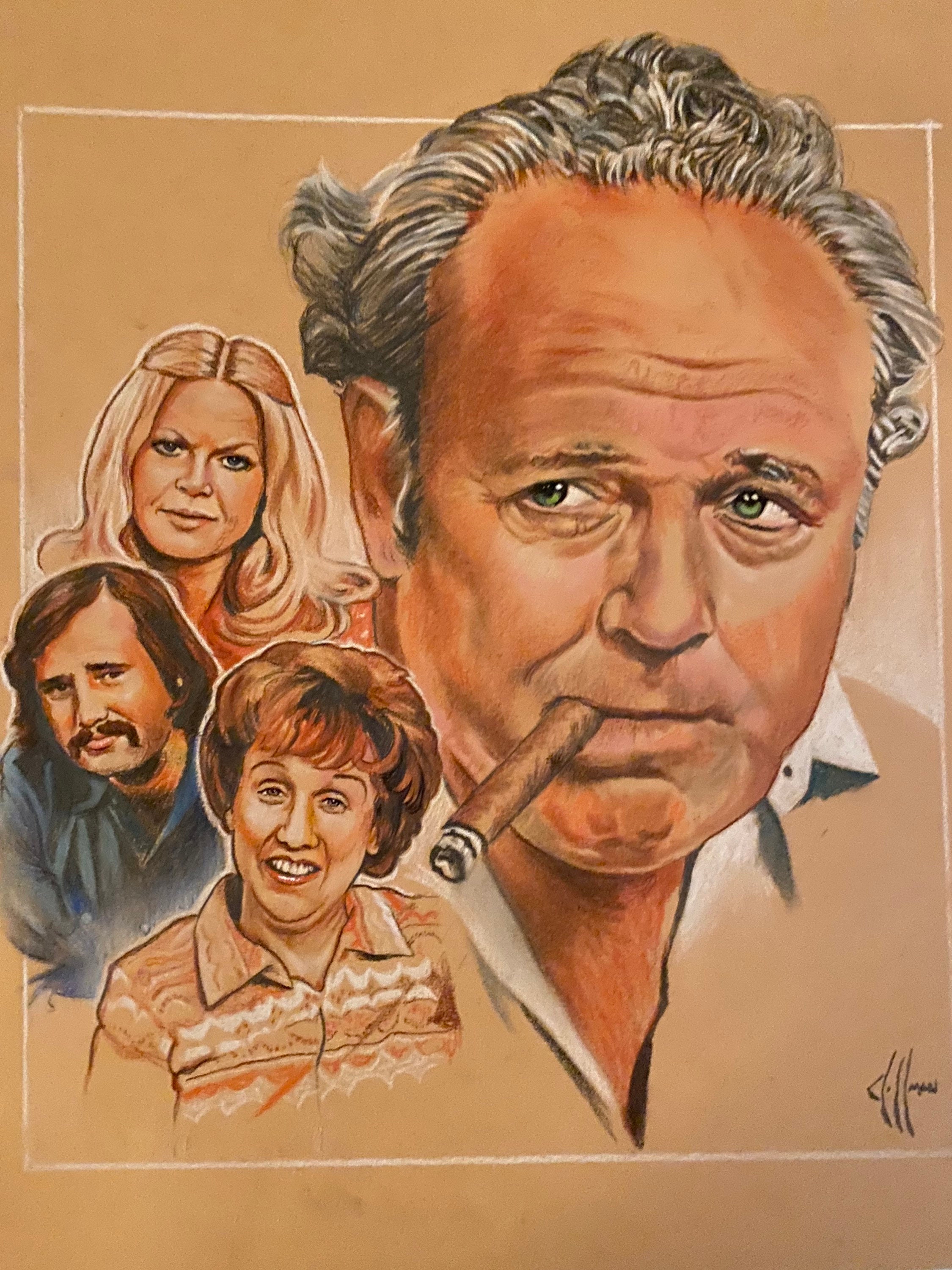
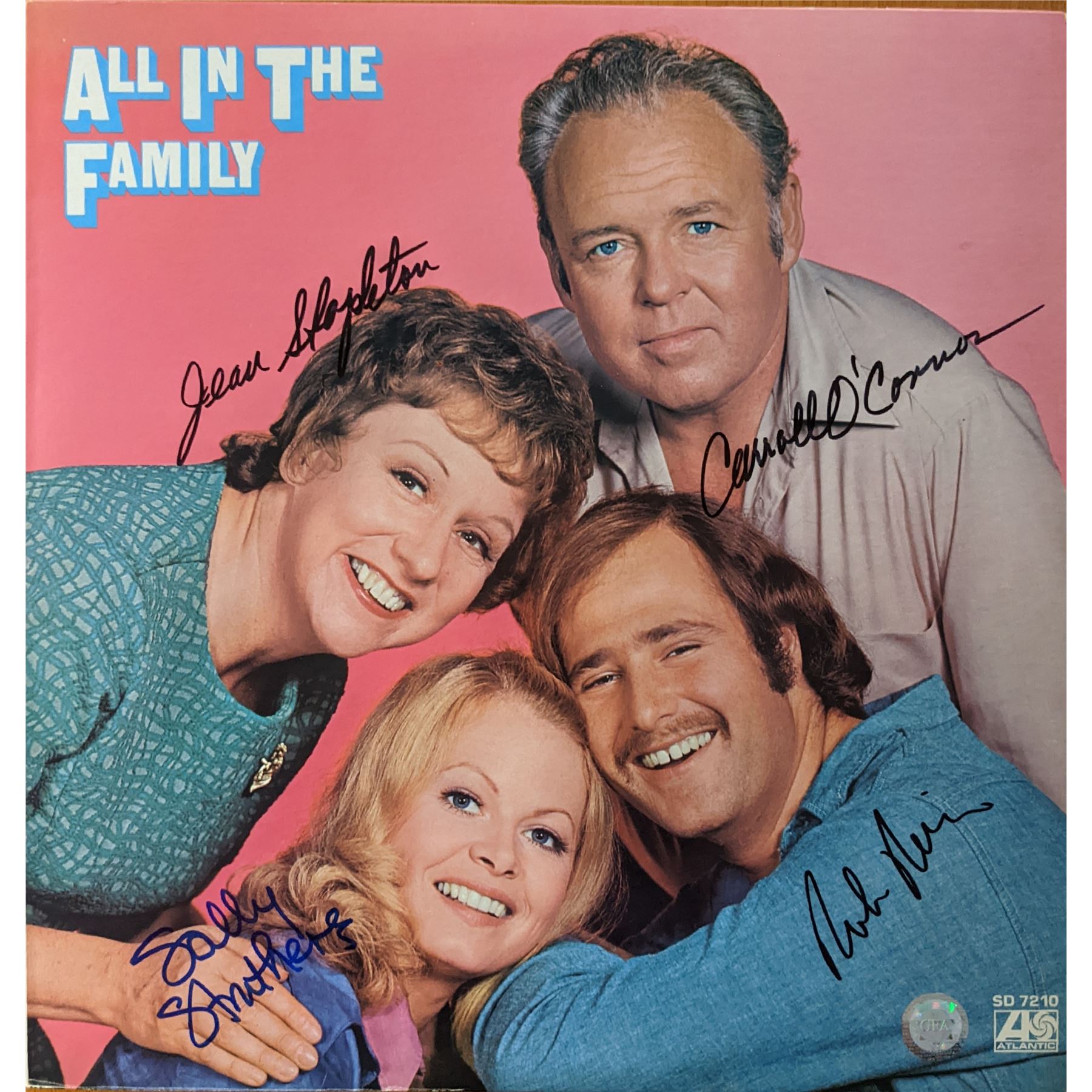
The writing staff of All in the Family was a collective of creative masters led by Norman Lear and Bud Yorkin, who fundamentally reshaped American television. Key contributors included Michael Ross, Bernie West, Bob Schiller, and Bob Weiskopf, whose scripts used biting satire to address racism, sexism, and politics. This guide explores the writers who turned Archie Bunker into a cultural icon and established the "relevance" era of sitcoms.
The Architectural Vision of Norman Lear and Bud Yorkin
To understand the writing of All in the Family, one must first look at the foundation laid by Norman Lear and his partner at Tandem Productions, Bud Yorkin. While the show was famously adapted from the British series Till Death Us Do Part (created by Johnny Speight), Lear’s genius lay in his ability to "Americanize" the conflict, rooting it in the specific anxieties of the United States during the Vietnam War era and the Civil Rights movement.
Lear was more than a producer; he was the primary architect of the show's tone. He insisted that the comedy be "character-driven" rather than "gag-driven." In the writers' room, this meant that every joke had to emerge from Archie’s specific worldview or Edith’s innate innocence. Lear’s background in variety television gave him a sense of pacing, but his personal convictions pushed the show toward social advocacy. Under his guidance, the writers were encouraged to look at the morning newspapers for inspiration, ensuring that the Bunkers' living room reflected the volatile reality of 1970s America.
Bud Yorkin’s influence was equally vital, particularly in the early stages of development. Yorkin focused on the technical execution and the casting, ensuring that the writers' words were delivered with the necessary gravitas. Together, they fostered a writing environment that was notoriously intense. Scripts were often rewritten minutes before filming to ensure that the "truth" of a scene wasn't lost to a cheap laugh. This dedication to authenticity is what separated the "creative masters" of All in the Family from the writers of more traditional, escapist sitcoms of the 1960s.
The Core Writing Engine: Michael Ross and Bernie West
If Norman Lear was the visionary, Michael Ross and Bernie West were the engine room. This writing duo was responsible for many of the most iconic episodes of the series and served as script supervisors who maintained the show's distinctive voice during its peak years. Ross and West had a unique ability to humanize Archie Bunker without excusing his bigotry, a delicate balance that was essential for the show’s longevity.
Their writing style was characterized by "dialectical humor"—placing Archie’s working-class conservatism in direct, explosive conflict with his son-in-law Mike’s (the "Meathead") academic liberalism. Ross and West understood that the audience needed to see the logic (however flawed) behind Archie’s outbursts. They didn't write him as a villain, but as a man confused by a changing world. This nuance allowed the show to reach both liberal and conservative audiences simultaneously.
The duo was also instrumental in developing the character of Edith Bunker. While Archie provided the conflict, Edith provided the heart. Ross and West wrote Edith’s "dingbat" persona with a hidden wisdom, often allowing her to be the one who unwittingly exposed the absurdity of Archie’s arguments. Their work earned them multiple Emmy Awards and established the template for the "socially relevant" sitcom that would dominate the 1970s.
Transitioning the Legacy: Bob Schiller and Bob Weiskopf
As the series matured into the mid-1970s, veteran writers Bob Schiller and Bob Weiskopf joined the team, bringing a wealth of experience from the "Golden Age" of television. Having written for I Love Lucy, they understood the mechanics of classic physical comedy and timing, which they seamlessly integrated into the gritty, topical world of the Bunkers.
Schiller and Weiskopf were masters of the "long-form" sitcom story arc. During their tenure, the show began to move beyond simple one-off arguments into more complex, multi-episode narratives. They were responsible for scripts that dealt with aging, menopause, and the changing economic landscape of the mid-70s. Their contribution was vital in preventing the show from becoming a caricature of itself. They ensured that as Carroll O'Connor and Jean Stapleton aged with their characters, the writing reflected the physical and emotional realities of late middle age.
Their presence in the writers' room also provided a bridge between generations. They could craft a classic "slow burn" comedy sequence—reminiscent of the best vaudeville—while still adhering to Lear’s mandate for social relevance. This hybrid approach kept All in the Family at the top of the ratings even as newer, flashier shows began to emerge.
Technical Mastery: The Writing of Archie Bunker’s Malapropisms
One of the most technically difficult aspects of writing for All in the Family was the creation of Archie Bunker’s unique vocabulary. Archie’s "malapropisms"—the mistaken use of a word in place of a similar-sounding one—were not merely linguistic accidents; they were carefully crafted tools used to illustrate his lack of formal education and his desire to sound more authoritative than he was.
Writers like Bill Davenport and Lou Derman had to be linguistically inventive. Phrases like "the ivory showers" (instead of ivory towers) or "a pigment of your imagination" (instead of figment) were designed to be funny, but also to reveal Archie’s internal biases. Writing these required a deep understanding of Archie’s psychology. The writers had to ensure that Archie never sounded stupid, but rather misinformed.
This technical precision extended to the "Meathead’s" dialogue as well. Mike Stivic had to be written as a well-meaning but often arrogant intellectual. The writers used Mike to voice the perspectives of the younger generation, but they were careful to make him just as susceptible to hypocrisy as Archie. This balance ensured that the show never felt like a lecture; it felt like a family argument where no one was entirely right or entirely wrong.
Notable Writers and Their Definitive Contributions
The following table highlights the key writers who shaped the series and the specific impacts they had on the show’s legacy:
| Writer(s) | Key Contributions | Impact on the Show |
|---|---|---|
| Norman Lear | Show Creator, Executive Producer | Established the "Relevance" movement; set the moral compass. |
| Michael Ross & Bernie West | "Sammy’s Visit," "The Bunkers and the Luckys" | Developed the Archie vs. Mike dynamic; primary architects of the peak years. |
| Bob Schiller & Bob Weiskopf | "Edith’s 50th Birthday," "Archie’s Brief Encounter" | Introduced sophisticated story arcs and blended classic comedy with grit. |
| Bill Davenport | "Archie and the Editorial," "The Games Bunkers Play" | Master of Archie’s linguistic style and situational conflict. |
| Lou Derman | "Gloria’s Pregnancy," "Archie’s Fraud" | Focused on the domestic tensions and the evolving role of women. |
| Mickey Rose | Various early Season 1 episodes | Brought a sharper, "Woody Allen-esque" wit to the initial character sketches. |
The "Relevance" Strategy: Writing for Social Change
The writers of All in the Family operated under a specific philosophy often called "Relevance." In the context of 1970s television, this meant moving away from the "rural comedies" like The Beverly Hillbillies and toward urban, realistic settings. The writers were tasked with tackling subjects that were previously considered "taboo" for television.
To achieve this, the writing room functioned almost like a newsroom. They discussed contemporary issues such as the Watergate scandal, the Equal Rights Amendment, and the energy crisis. However, the mastery of the writing lay in how these issues were filtered through the characters. A script about the energy crisis wasn't about politics; it was about Archie trying to save money on his heating bill while blaming "foreigners."
This strategy required a high level of bravery from the writing staff. They often faced pushback from CBS censors regarding language and subject matter. The writers had to become adept at "negotiating" with the network, sometimes giving up one "hell" or "damn" to keep a more substantial plot point about racial integration or breast cancer. This friction actually improved the writing, forcing the creative masters to find more clever, indirect ways to make their points.
The Collaborative Role of Carroll O'Connor
It is impossible to discuss the writers of All in the Family without mentioning the lead actor, Carroll O'Connor. As the series progressed, O'Connor became increasingly involved in the writing process, eventually becoming a writer and producer in his own right. His deep understanding of Archie Bunker’s Irish-American roots in Queens allowed him to provide a level of specificity that the regular writing staff sometimes lacked.
O'Connor often clashed with Norman Lear over the direction of the scripts. While Lear wanted to keep Archie as a sharp-edged satiric figure, O'Connor pushed for more moments of vulnerability. This creative tension resulted in some of the show's most powerful moments, such as the episode "Archie in the Hospital," where Archie’s fear of the unknown is laid bare.
The "creative mastery" of the show was, in many ways, a result of this push-and-pull between the staff writers and the actors. Jean Stapleton also contributed to the writing of Edith by suggesting character beats that emphasized her emotional intelligence. This collaborative atmosphere meant that the scripts were living documents, constantly evolving to match the growth of the performers.
Studying the Scripts: A Legacy of Craft
As of 2026, the scripts for All in the Family are studied in film and television programs as masterclasses in dialogue and structure. The writers demonstrated that a sitcom could be both a commercial success and a vehicle for profound social commentary. Their ability to generate laughter from the most uncomfortable aspects of the human condition remains a benchmark for comedy writers today.
For those looking to understand the mechanics of the show, the Paley Center for Media and the Television Academy Archives provide extensive resources on the writing process of Tandem Productions. These archives reveal the numerous drafts and revisions that each episode underwent, highlighting the meticulous care taken by Lear and his team.
The legacy of these writers can be seen in modern "prestige" comedies that tackle difficult social issues. By breaking the mold of the 1950s and 60s, the creative masters of All in the Family gave future generations of writers the permission to be honest, angry, and hilarious all at once.
Frequently Asked Questions
Who was the most frequent writer for All in the Family?
While many writers contributed, the team of Michael Ross and Bernie West were the most prolific during the show's formative and highest-rated years. They wrote or supervised dozens of episodes and were primarily responsible for maintaining the consistency of the characters' voices.
Did Norman Lear write every episode?
No. While Norman Lear was the creator and executive producer who oversaw every script, he did not write every episode himself. He acted as the "head writer" and final arbiter of the tone, often performing uncredited polishes on scripts to ensure they met his standards for social relevance and character integrity.
Was Archie Bunker based on a real person the writers knew?
Archie Bunker was primarily based on Alf Garnett from the British show Till Death Us Do Part, but Norman Lear has often stated that Archie was also heavily influenced by his own father, Herman Lear. The writers drew from their own experiences with stubborn, opinionated relatives to give Archie his uniquely American flavor.
How did the writers handle the controversy surrounding the show?
The writers handled controversy by leaning into it rather than shying away. They used the "Archie vs. Mike" dynamic to voice both sides of a controversial issue, which allowed the show to claim it was presenting a balanced view. This "safety valve" often mollified network censors while still allowing the writers to tackle provocative topics.
Where can I find original All in the Family scripts to read?
Original scripts can be found in the Library of Congress and at various university film archives, such as the USC Cinematic Arts Library. These scripts are valuable for understanding how the writers used stage directions and specific phrasing to guide the actors' performances.
Practical Recommendation for Aspiring Writers
If you are an aspiring television writer or a fan of the genre, the best way to appreciate the masters of All in the Family is to watch an episode followed by a reading of its script. Pay close attention to the "beat" of the arguments. Notice how the writers never let a scene go too long without a laugh, even during moments of intense drama. This "tension and release" technique is the hallmark of the show’s creative team and remains the gold standard for writing socially conscious comedy. To further your study, consider exploring the Writers Guild of America (WGA) archives for insights into the labor and creative rights of the writers during that era.