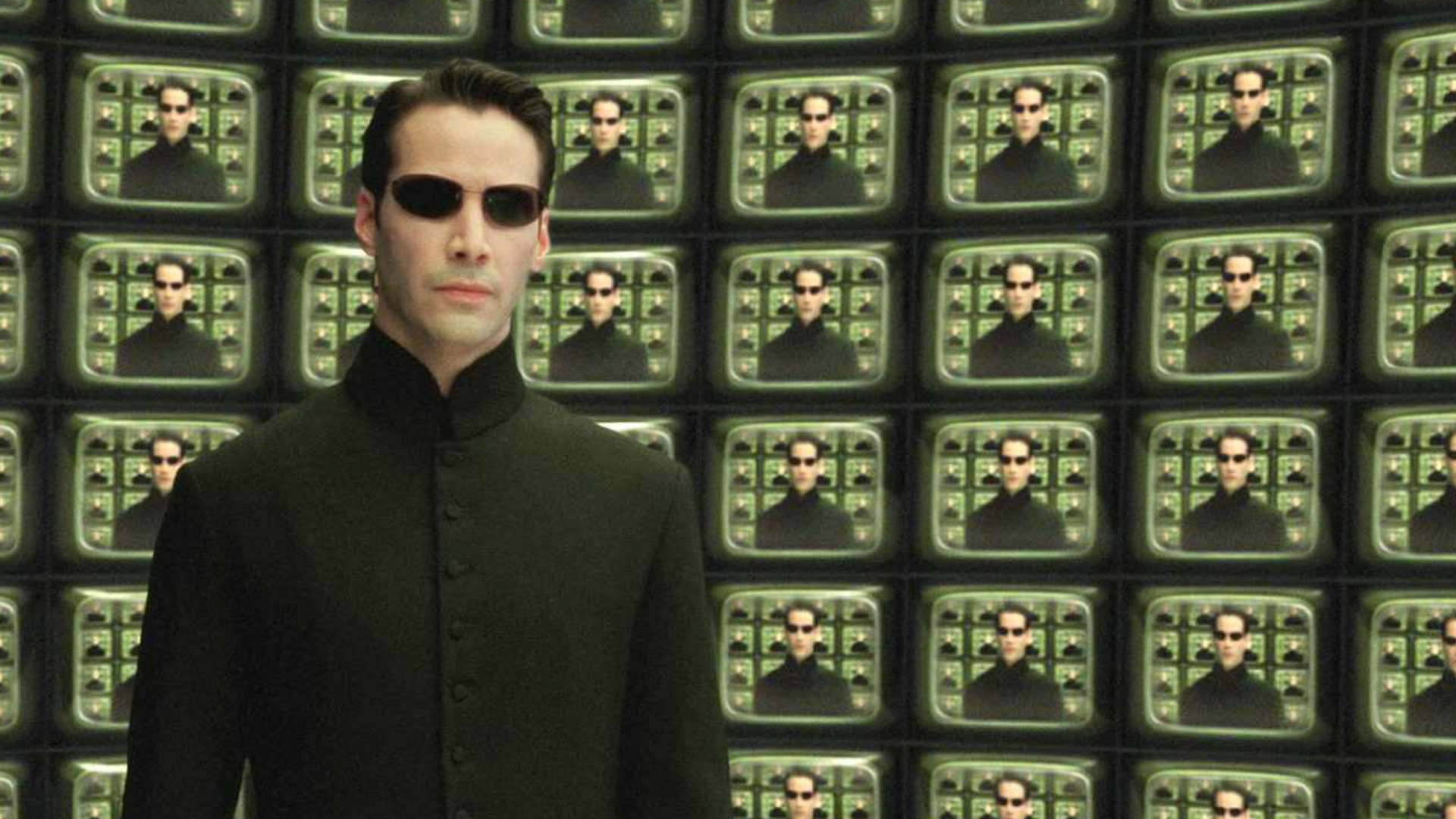
The Matrix franchise consists of four primary live-action feature films—The Matrix (1999), The Matrix Reloaded (2003), The Matrix Revolutions (2003), and The Matrix Resurrections (2021)—alongside the essential animated anthology The Animatrix (2003). Created by Lana and Lilly Wachowski, the series explores themes of simulated reality, human choice, and technological transcendence.
The Matrix is more than a series of science-fiction action films; it is a cultural landmark that redefined visual effects and philosophical storytelling at the turn of the millennium. As of 2026, the franchise remains a cornerstone of the Warner Bros. Discovery library, continuing to influence modern cinema through its "Bullet Time" technique and its deep-seated questions regarding the nature of existence. Understanding the franchise requires looking beyond the green-tinted digital rain to the complex narrative layers and the specific production history of each entry.
The Foundation of the Simulation: The Matrix (1999)
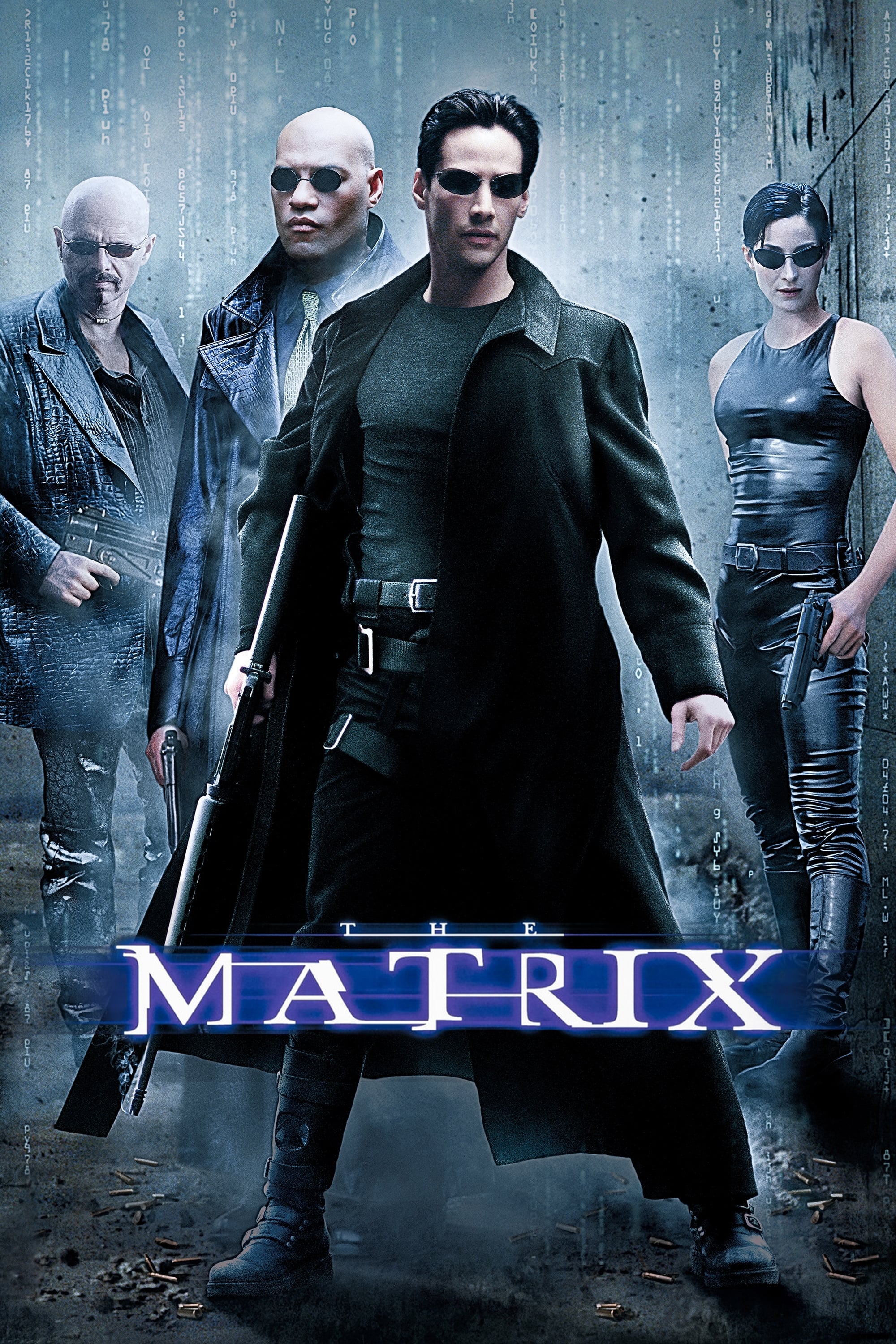
The journey began in 1999 with a film that effectively ended the 20th century's cinematic status quo. The Matrix introduced audiences to Thomas Anderson (Keanu Reeves), a computer programmer who discovers that his reality is a sophisticated simulation designed by sentient machines to pacify and harvest energy from the human race. Guided by the mysterious Morpheus (Laurence Fishburne) and the formidable Trinity (Carrie-Anne Moss), Anderson embraces his destiny as "The One," a messianic figure prophesied to lead humanity to freedom.
The success of the original film was predicated on its seamless blend of diverse influences, including Hong Kong martial arts cinema, Japanese anime, cyberpunk literature, and Western philosophy. The technical innovations, particularly the 360-degree slow-motion "Bullet Time" effect, became an industry standard almost overnight. Beyond the action, the film utilized Jean Baudrillard’s Simulacra and Simulation as a core text, challenging viewers to question the authenticity of their own sensory experiences. This intellectual depth ensured that the film remained relevant for decades, serving as the benchmark for every subsequent entry in the franchise.
Expanding the Narrative: The Matrix Reloaded (2003)
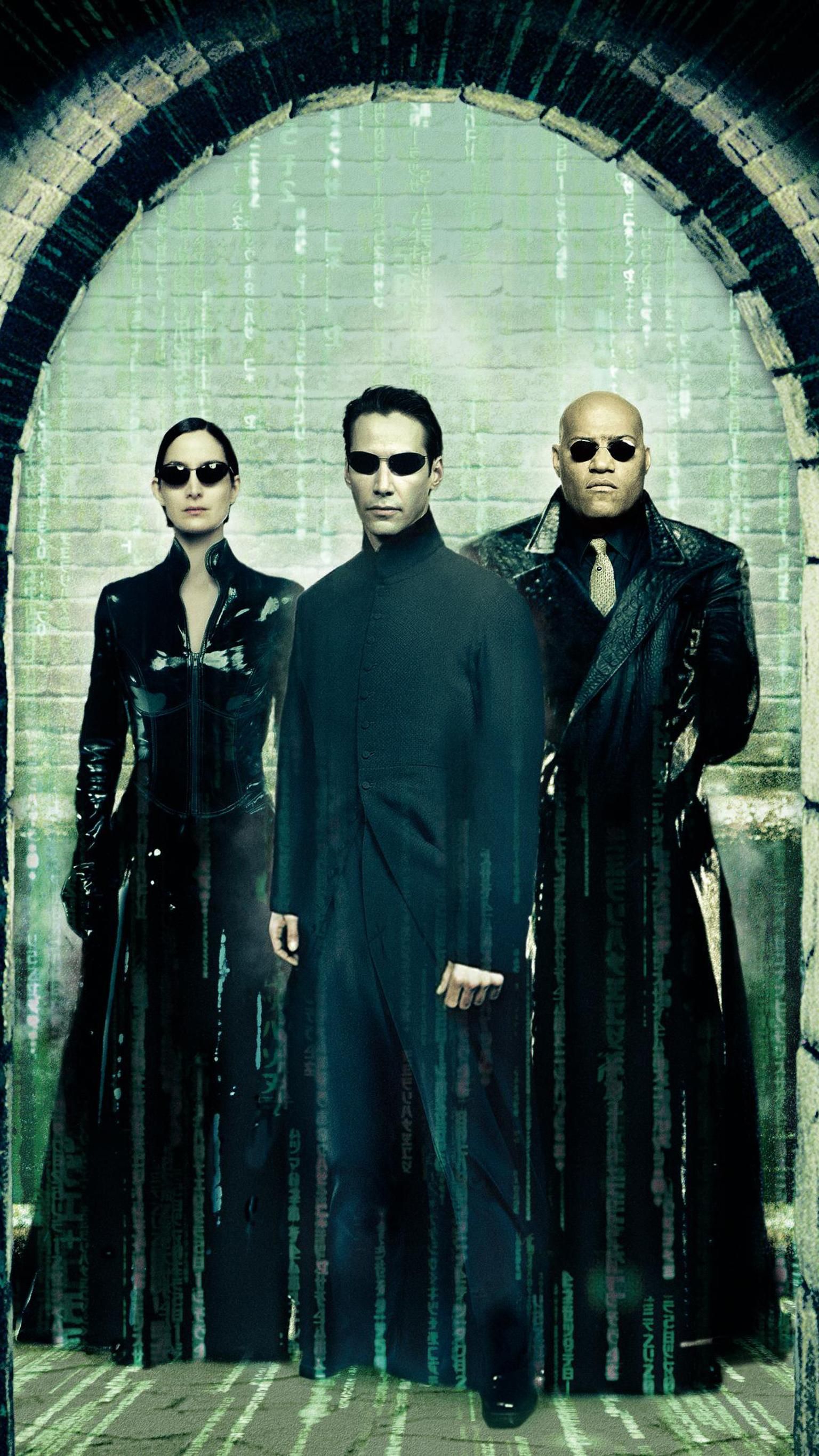
Released in May 2003, The Matrix Reloaded took the modest world-building of the first film and expanded it into a sprawling epic. The sequel moved the focus from the simulated world to the real-world human city of Zion, where the last remnants of humanity prepared for an all-out war against the Machine Army. This film introduced critical lore elements, such as the Merovingian, a rogue program representing the Matrix's older versions, and the Keymaker, a program designed to grant access to the "Source."
Reloaded is perhaps most famous for its 14-minute highway chase sequence, which required the production to build a private 1.5-mile freeway on an old naval base in California. However, the film's most significant contribution to the franchise was the introduction of The Architect. In a lengthy, jargon-heavy dialogue, The Architect revealed that "The One" was not a divine miracle but a systemic feature of the Matrix designed to reset the simulation and prevent a total crash. This deconstruction of the "Chosen One" trope polarized audiences but solidified the franchise's reputation for complex, subversive storytelling.
The First Conclusion: The Matrix Revolutions (2003)
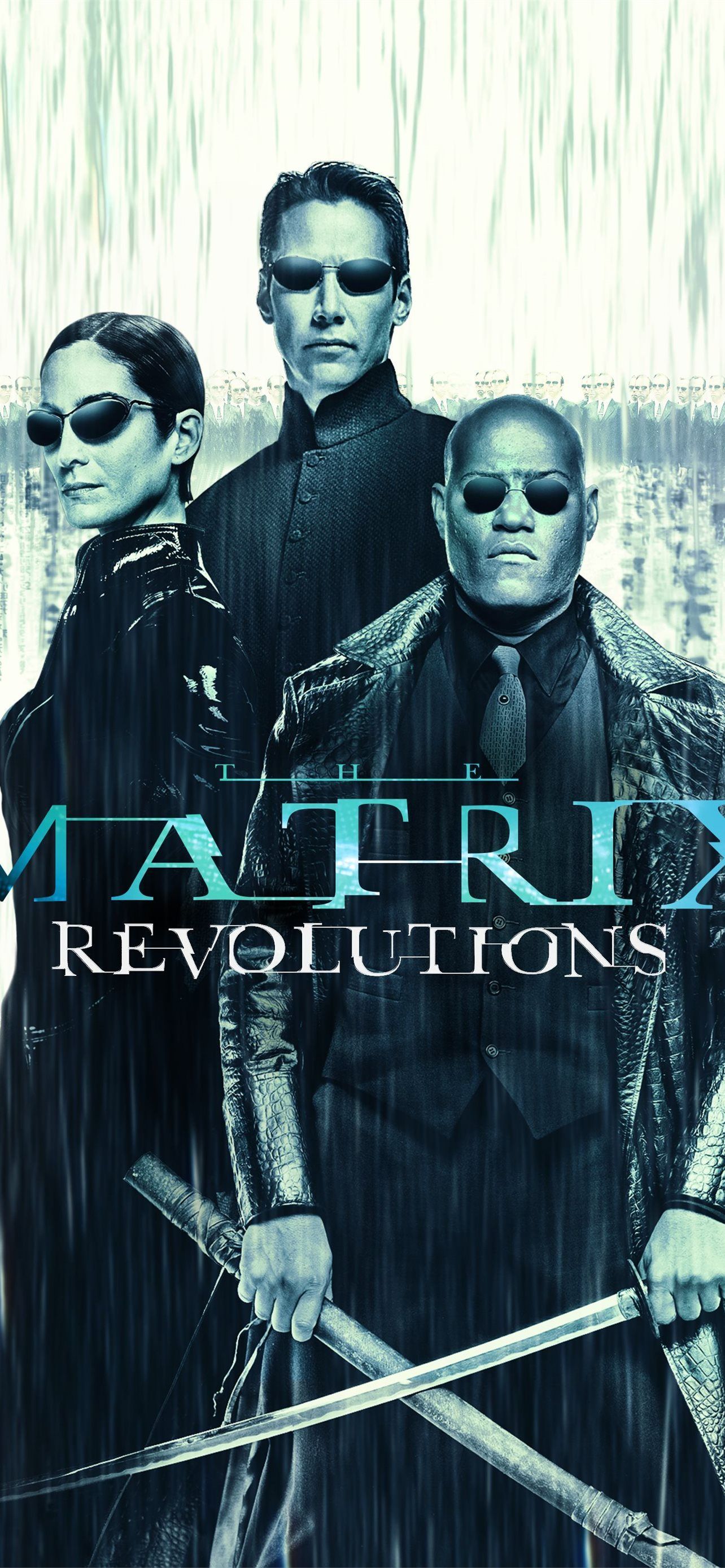
Only six months after the release of Reloaded, The Matrix Revolutions arrived in November 2003 to conclude the original trilogy. While its predecessor focused on world-building and expansion, Revolutions was essentially a war film. It depicted the brutal mechanical siege of Zion and the final, inevitable confrontation between Neo and the viral program Smith (Hugo Weaving), who had become a threat to both humans and machines.
The film moved away from the wire-fu and gunplay of the first two entries, leaning heavily into massive CGI battles involving "APUs" (Armored Personnel Units) and swarms of Sentinels. The narrative resolution focused on the concept of peace through sacrifice rather than total victory. Neo’s choice to strike a deal with the Machine Leader (the Deus Ex Machina) to eliminate Smith in exchange for Zion’s survival provided a bittersweet ending that favored coexistence over the traditional "destruction of the enemy" trope found in most blockbuster finales.
The Essential Lore: The Animatrix (2003)
Though not a live-action feature, The Animatrix is indispensable to any complete overview of the franchise. This 2003 animated anthology consists of nine short films produced by some of the most acclaimed directors in Japanese animation. It serves as a bridge between the first and second films, providing vital historical context that the live-action entries only hint at.
The most critical segment, The Second Renaissance, details the history of the war between humanity and machines, explaining how the sky was scorched and how the Matrix was first conceived. Other shorts, like Final Flight of the Osiris, directly set up the plot of The Matrix Reloaded. For fans looking to understand the mechanics of the world—such as how people are "unplugged" and the various ways the simulation can glitch—The Animatrix offers a depth of detail that live-action films often lack.
The Meta-Revival: The Matrix Resurrections (2021)
After an 18-year hiatus, Lana Wachowski returned to the franchise with The Matrix Resurrections in 2021. This film acted as both a sequel and a critique of the "legacy sequel" trend in Hollywood. The plot finds a resurrected Neo living as Thomas Anderson, a famous video game designer who created a trilogy of games called "The Matrix" based on his repressed memories.
Resurrections shifted the franchise's tone from cold, leather-clad stoicism to a more vibrant, emotional exploration of love and agency. It replaced the original's focus on "The One" with a dual-protagonist model, suggesting that Neo and Trinity are only powerful when they are together. The film was notable for its meta-commentary on how corporations (specifically Warner Bros.) exploit intellectual property, reflecting the creators' own complicated relationship with their most famous work. While it received mixed reactions for its unconventional action sequences and self-referential humor, it remains a vital chapter for understanding the franchise's evolution.
Comparing the Matrix Feature Films
The following table provides a quick reference for the four primary live-action films in the franchise, highlighting their release years, directors, and central narrative focus.
| Film Title | Release Year | Director(s) | Primary Narrative Focus |
|---|---|---|---|
| The Matrix | 1999 | The Wachowskis | Awakening and the discovery of the simulation. |
| The Matrix Reloaded | 2003 | The Wachowskis | The burden of prophecy and the system's design. |
| The Matrix Revolutions | 2003 | The Wachowskis | The war for Zion and the sacrifice for peace. |
| The Matrix Resurrections | 2021 | Lana Wachowski | Legacy, meta-commentary, and the power of connection. |
The Cultural and Technical Legacy of the Franchise
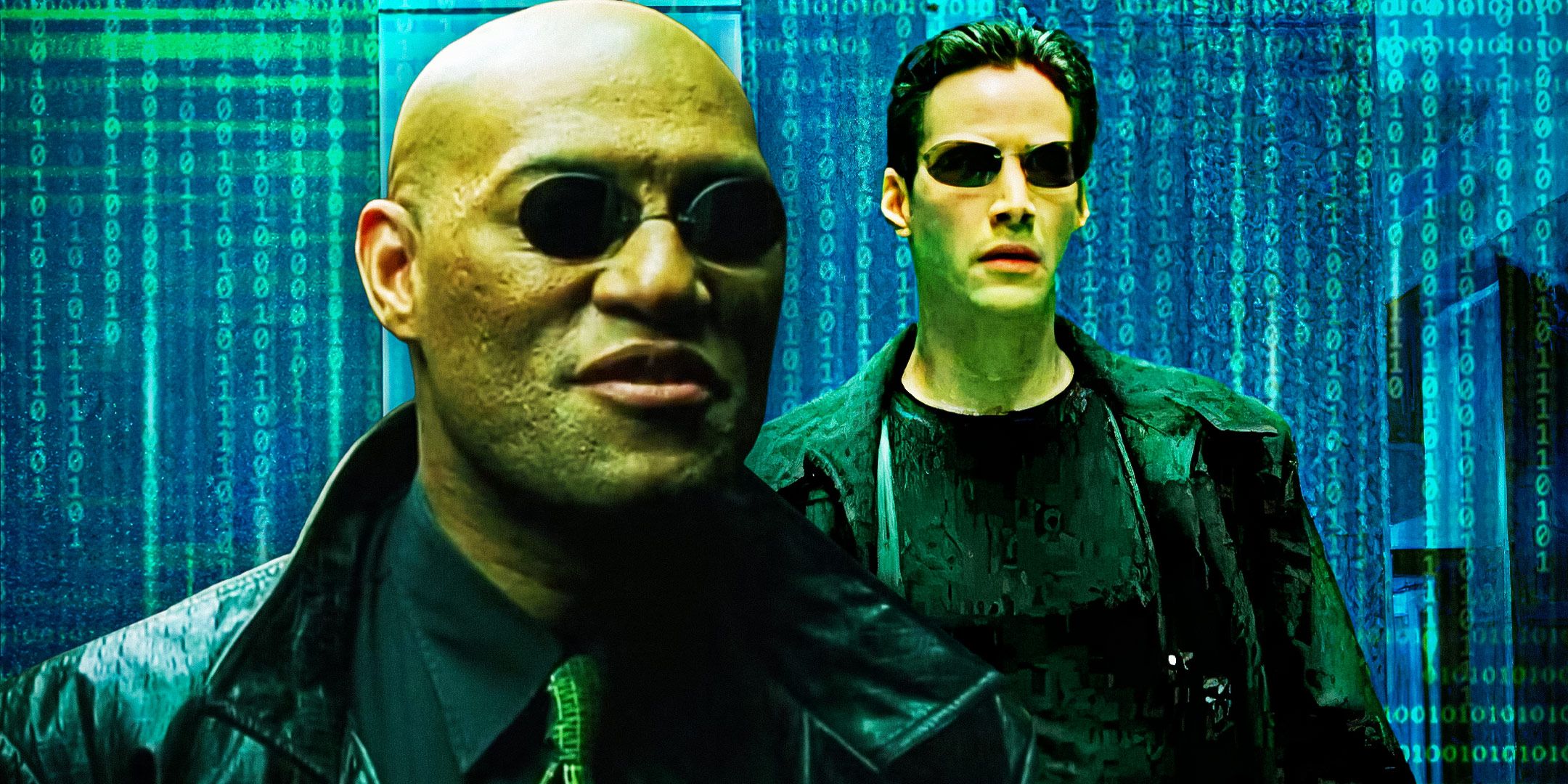
The impact of the Matrix movies extends far beyond the box office. Technically, the franchise pioneered the use of digital cinematography and complex stunt rigging that influenced every action movie of the early 21st century, from John Wick to the Marvel Cinematic Universe. The "Matrix look"—a combination of high-contrast lighting and green color grading—became shorthand for a specific brand of techno-paranoia.
Philosophically, the "Red Pill" vs. "Blue Pill" dilemma has escaped the confines of the film to become a widespread cultural metaphor. While the original intent was an invitation to question authority and perceive the underlying structures of society, the term has been co-opted by various political and social movements. Furthermore, the Wachowskis’ personal journey as trans women has led many critics and fans to re-examine the entire franchise through the lens of trans identity and the struggle to live authentically in a system that demands conformity.
Frequently Asked Questions
What is the recommended watching order for the Matrix franchise?
The most effective watching order is the release order, with The Animatrix placed between the original film and Reloaded. This order allows the viewer to experience the technical evolution of the series while gaining the necessary lore from the animated shorts before the narrative becomes more complex in the sequels. Specifically: The Matrix, The Animatrix, The Matrix Reloaded, The Matrix Revolutions, and finally The Matrix Resurrections.
Is Neo actually dead after the events of the original trilogy?
At the end of The Matrix Revolutions, Neo's physical body dies in the Machine City after he successfully deletes the Smith virus. However, his digital essence is preserved by the machines. This preservation allows for his eventual resurrection in the fourth film, The Matrix Resurrections, where his body is painstakingly rebuilt using advanced machine technology, confirming that while his original life ended, his existence continued.
Why do the movies have a green tint?
The green tint in the original trilogy was a deliberate aesthetic choice used to distinguish the simulated world of the Matrix from the real world. The green was intended to evoke the look of an old-fashioned monochrome computer monitor (like the falling code). In contrast, scenes set in the real world (Zion or on the Nebuchadnezzar) were graded with a blue tint to emphasize coldness and grit. The Matrix Resurrections largely abandoned this green tint to reflect a newer, more advanced version of the simulation.
Do I need to watch The Animatrix to understand the movies?
While you can follow the basic plot of the live-action films without it, The Animatrix provides essential context that makes the sequels much more coherent. Specifically, the segments "The Second Renaissance" and "Final Flight of the Osiris" explain why the machines are at war with humans and how the machines found Zion. Without these shorts, the sudden escalation in Reloaded can feel abrupt.
Will there be a Matrix 5?
As of 2026, there have been no official announcements regarding a fifth live-action film directed by the Wachowskis. The Matrix Resurrections was designed as a highly personal, self-contained story that addressed the legacy of the original trilogy. While Warner Bros. Discovery often explores revivals of its major intellectual properties, the franchise currently stands as a completed five-part cinematic journey (including The Animatrix).
Navigating the Future of the Franchise
To fully appreciate the Matrix franchise, one should approach it as a multi-media experience. Beyond the films, the story was famously expanded through the video game Enter the Matrix (which contains 24 minutes of exclusive live-action footage) and the MMORPG The Matrix Online, which was once considered the official canon continuation of the story.
For a new viewer in 2026, the best next action is to view the 4K remastered versions of the original trilogy. These versions preserve the intended color grading and high-dynamic range that the Wachowskis envisioned, ensuring that the visual experience matches the weight of the narrative. Whether viewed as a critique of capitalism, a journey of self-discovery, or a masterclass in action filmmaking, the Matrix franchise remains a dense and rewarding subject of study.