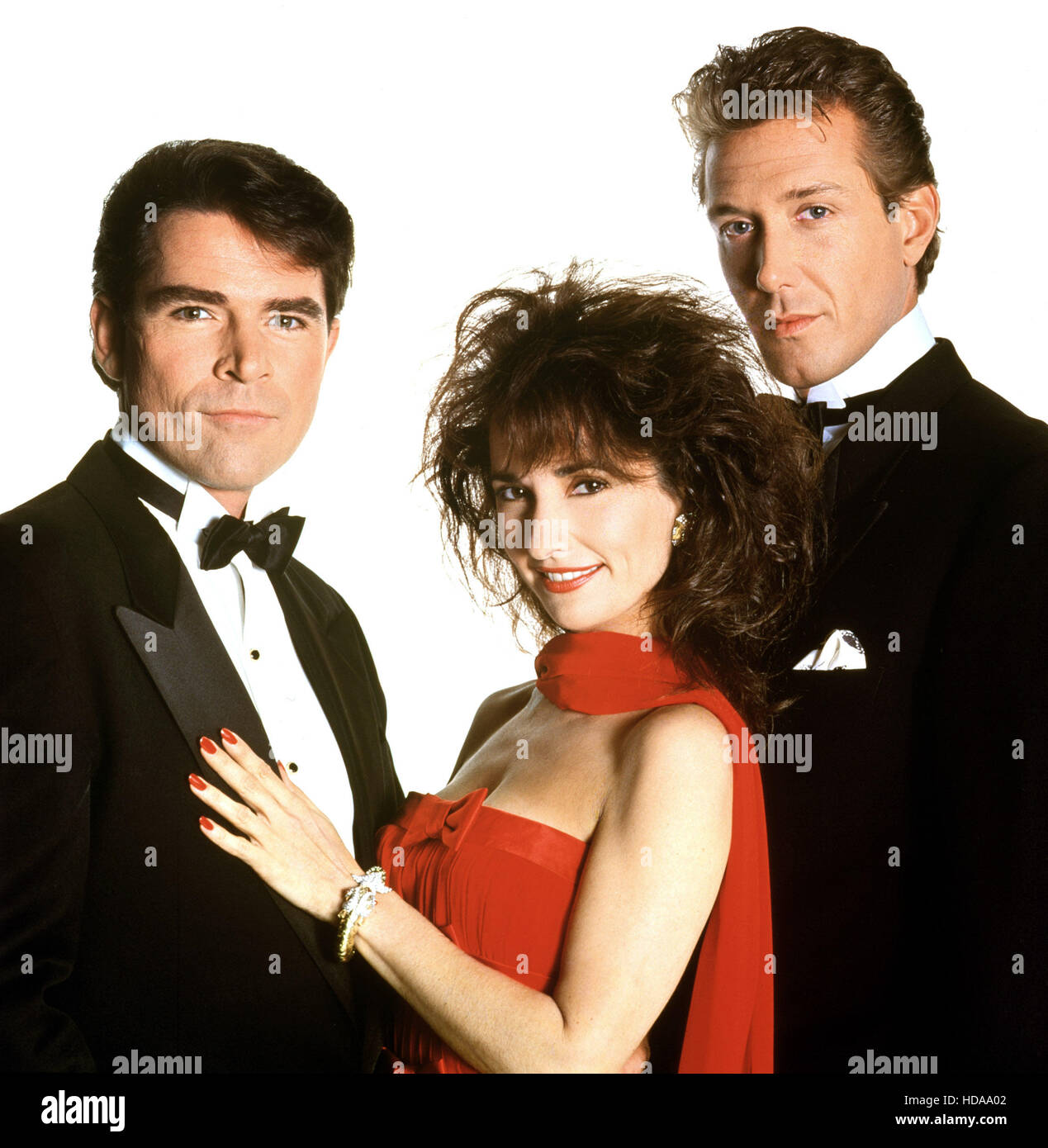
All My Children is a cornerstone of American daytime television, chronicling the complex lives of residents in the fictional Philadelphia suburb of Pine Valley. Created by Agnes Nixon, the series blended romantic melodrama with groundbreaking social commentary for over four decades. It remains a cultural touchstone for fans revisiting its iconic storylines and legendary characters.
The Origins and Vision of Agnes Nixon
When All My Children premiered on ABC on January 5, 1970, it signaled a shift in the landscape of daytime television. The show was the brainchild of Agnes Nixon, often referred to as the "Queen of Modern Soap Opera." Nixon’s vision for Pine Valley was not merely to provide escapism through romance, but to hold a mirror up to American society. Unlike many of its contemporaries, the show was deeply rooted in the social issues of its time, a characteristic that defined its first two decades.
Nixon used the medium to explore topics that were considered taboo for television in the 1970s. From the beginning, the series tackled the Vietnam War, racial prejudice, and the burgeoning women's liberation movement. This approach gave All My Children a sense of "relevance" that attracted a younger, more socially conscious demographic than traditional soap operas. By situating the drama in a realistic, albeit fictionalized, Pennsylvania town, Nixon created a sense of community that viewers felt they belonged to.
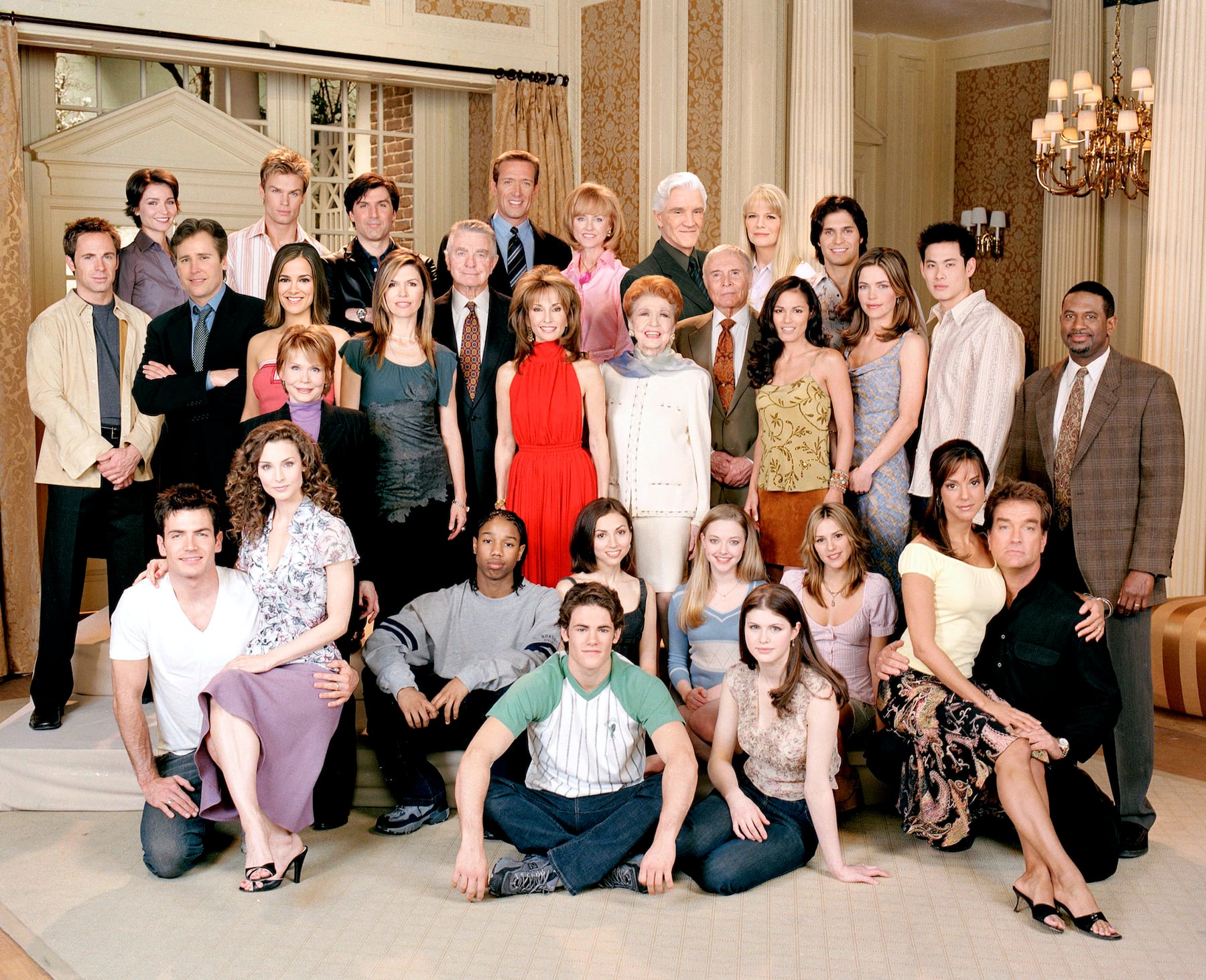
The show's structure initially centered on the rivalry and class distinctions between the wealthy Tyler family and the more modest lives of the Martins. However, as the cast expanded, the show became famous for its diverse "families"—both biological and chosen—whose intertwined lives created a dense tapestry of narrative possibilities that lasted for 41 years on the ABC network.
The Cultural Phenomenon of Erica Kane
No discussion of All My Children is complete without the mention of Erica Kane, portrayed by Susan Lucci. Erica became the most famous character in the history of daytime drama, transcending the genre to become a global pop culture icon. Debuting as a self-absorbed teenager in the show's first year, Erica evolved into a multifaceted woman who was, at various times, a fashion model, a business mogul, a mother, and a frequent bride.
Erica Kane’s significance was twofold. First, she challenged the traditional "heroine" archetype of the early 1970s. She was unapologetically ambitious, vain, and flawed, yet the audience remained fiercely loyal to her. Second, Susan Lucci’s performance became a point of national fascination due to her long-running quest for a Daytime Emmy Award. After being nominated 19 times without a win, Lucci finally secured the Lead Actress trophy in 1999, a moment that remains one of the most memorable in television history.
Erica's presence in Pine Valley acted as the gravitational pull for many of the show's most significant arcs. Her numerous marriages (totaling more than ten) and her rivalries—most notably with characters like Brooke English and Greenlee Smythe—provided the "tentpole" drama that sustained the series through shifts in writing teams and television trends.
Groundbreaking Storylines and Social Impact
All My Children earned a reputation for being the "social conscience" of the soap opera world. Agnes Nixon believed that daytime drama could educate as well as entertain. This philosophy led to several "television firsts" that changed the medium's trajectory.
In 1973, the show featured the first legal abortion depicted on American television. The storyline involved Erica Kane, who sought the procedure because she didn't want a child to interfere with her modeling career. The narrative was handled with nuance, reflecting the national debate following the Roe v. Wade decision. This was followed by storylines addressing the AIDS crisis in the 1980s, which helped humanize the epidemic for millions of viewers.
The show also led the way in LGBTQ+ representation. In 2000, the character Bianca Montgomery, daughter of Erica Kane, came out as a lesbian. This storyline was revolutionary because it involved a core character from a legacy family. The journey of Erica coming to terms with her daughter’s identity was praised for its sensitivity and its impact on real-world families navigating similar situations.
Major Storyline Categories and Their Focus
| Era | Focus | Key Storyline Example |
|---|---|---|
| 1970s | Social Realism | Erica Kane’s legal abortion; Vietnam War impacts. |
| 1980s | Supercouples & Glamour | The romance of Greg Nelson and Jenny Gardner. |
| 1990s | Family Secrets | The revelation of the Chandler/Cortlandt bloodlines. |
| 2000s | Diversity & Identity | Bianca Montgomery coming out; the "Transgender" storyline with Zarf. |
| 2010s | Legacy & Revivals | The "Pine Valley Hospital" bomb; the 2013 online continuation. |
The Power Dynamics: Chandlers vs. Cortlandts
While Erica Kane was the show's individual star, the structural tension of Pine Valley was often driven by the rivalry between its two most powerful patriarchs: Adam Chandler and Palmer Cortlandt.
Adam Chandler, played by David Canary, was the quintessential "love to hate" villain who possessed a hidden vulnerability. Canary’s dual role as Adam’s twin brother, Stuart Chandler, showcased his incredible range—Adam was the ruthless billionaire, while Stuart was the gentle, artistic soul. The Chandler mansion became the site of countless power plays, secret children, and corporate takeovers.
On the other side was Palmer Cortlandt, portrayed by James Mitchell. Palmer was a self-made man with a deep-seated grudge against the establishment. His arrival in the late 1970s injected a new level of high-stakes conflict into the show. The rivalry between Adam and Palmer defined the "corporate" side of the soap, proving that business dealings could be just as dramatic as romantic betrayals. These families provided the show with its foundation of wealth and power, contrasting with the more relatable, middle-class Martin family led by the show’s original patriarch, Dr. Joe Martin.
Accessing Pine Valley: How to Watch in 2026
For those looking to experience or revisit All My Children in 2026, the landscape of availability has shifted toward digital archives and streaming platforms. While the original series ended its ABC run in 2011 and its brief online revival in 2013, the legacy continues through various channels.
- Hulu and Disney+: Depending on current licensing agreements, select episodes or "Best Of" collections are frequently curated on these platforms. Disney (which owns ABC) has historically maintained a rotation of classic soap content.
- The Official ABC Website: ABC occasionally hosts retrospective specials or iconic clips for significant anniversaries.
- YouTube (Legacy Archives): Many fans have meticulously uploaded decades of episodes. While these are not always "official," they represent the most comprehensive visual history of the show available to the public.
- Soap Central and Fan Databases: For those who want to "read" the show, sites like Soap Central provide day-by-day recaps dating back decades, allowing new viewers to catch up on the dense mythology of Pine Valley.
Efforts to reboot the franchise, such as the rumored Pine Valley primetime project executive produced by Kelly Ripa and Mark Consuelos, have kept the brand alive in the industry trade news. Fans should monitor major streaming service announcements for "Legacy Collections" that occasionally drop to coincide with soap opera anniversaries.
Technical Specifications and Production History
All My Children was a marvel of television production. During its peak years, the show produced five hours of original scripted content per week, 52 weeks a year. This required a massive logistical operation, including a rotating team of writers, directors, and a sprawling set located at ABC's Lincoln Square studios in New York City (later moving to Los Angeles in 2009).
The transition from New York to Los Angeles was a significant turning point in the show's technical history. The move was intended to reduce production costs and provide better access to talent. During this time, the show also transitioned to High Definition (HD) broadcasting, which changed the aesthetic of the soap opera "look"—moving away from the soft lighting of the 1980s toward a more cinematic, crisp visual style.
The show's cancellation by ABC in 2011 was a watershed moment for the genre. Along with One Life to Live, it was replaced by lifestyle programming, signaling a shift in network priorities. However, the 2013 revival by Prospect Park attempted to bring the show into the internet age, utilizing shorter seasons and more modern production values. Although the revival was short-lived due to legal and financial disputes, it proved that the appetite for Pine Valley's stories remained strong.
Common Questions About All My Children
Why was All My Children canceled in 2011?
The cancellation was primarily driven by declining viewership and the high cost of production compared to cheaper-to-produce talk shows and reality programming. ABC opted to replace its long-running soaps with lifestyle shows like The Chew, which targeted a similar demographic at a fraction of the budget.
Who is the longest-running cast member on the show?
Susan Lucci holds the record for the longest continuous tenure, playing Erica Kane from the show’s first year in 1970 until the ABC finale in 2011. Other long-term stars included Ray MacDonnell (Joe Martin) and Ruth Warrick (Phoebe Wallingford), who were with the show for decades.
How many times was Erica Kane married?
Erica Kane was married 11 times to 10 different men. Her husbands included Jeff Martin, Tom Cudahy, Adam Chandler (twice), Mike Roy, Travis Montgomery, Dimitri Marick (twice), and Jackson Montgomery. Her weddings were always major television events.
Is the 2013 online revival considered canon?
Yes, the 2013 revival produced by Prospect Park and aired on Hulu/iTunes is considered a formal continuation of the Pine Valley timeline. It picked up several months after the ABC finale and featured many of the original cast members, including Jill Larson (Opal Cortlandt) and David Canary (Adam Chandler).
What happened in the final episode on ABC?
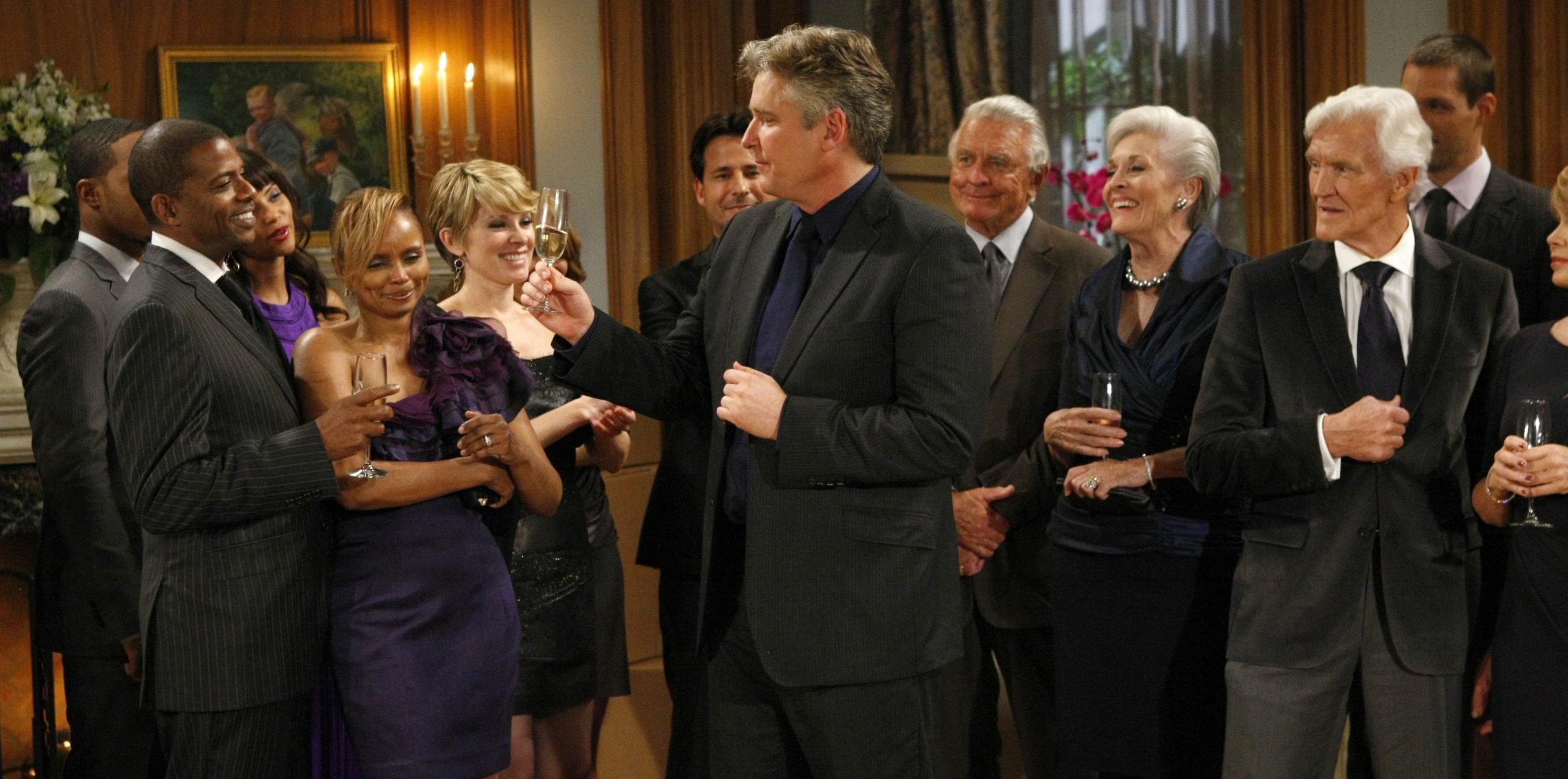
The final ABC episode ended on a cliffhanger. During a party at the Chandler mansion, a shot rang out, but the screen went to black before the shooter or the victim was revealed. This cliffhanger was partially resolved in the 2013 online revival, which revealed that JR Chandler had fired the gun.
Staying Connected to the Pine Valley Community
For fans who want to remain engaged with the world of All My Children, the best path is to participate in the vibrant online community and support retrospective projects. Many former cast members, such as Kelly Ripa and Cameron Mathison, frequently discuss their time on the show on their modern platforms, providing "behind-the-scenes" insights that were never available during the show's original run.
If you are a new viewer, start with the "Gold Standard" eras: the early 1970s for social history, or the mid-1980s for the height of the "Supercouple" era. Engaging with fan-run archives and social media groups remains the most effective way to navigate the thousands of hours of content that make up this American television masterpiece.