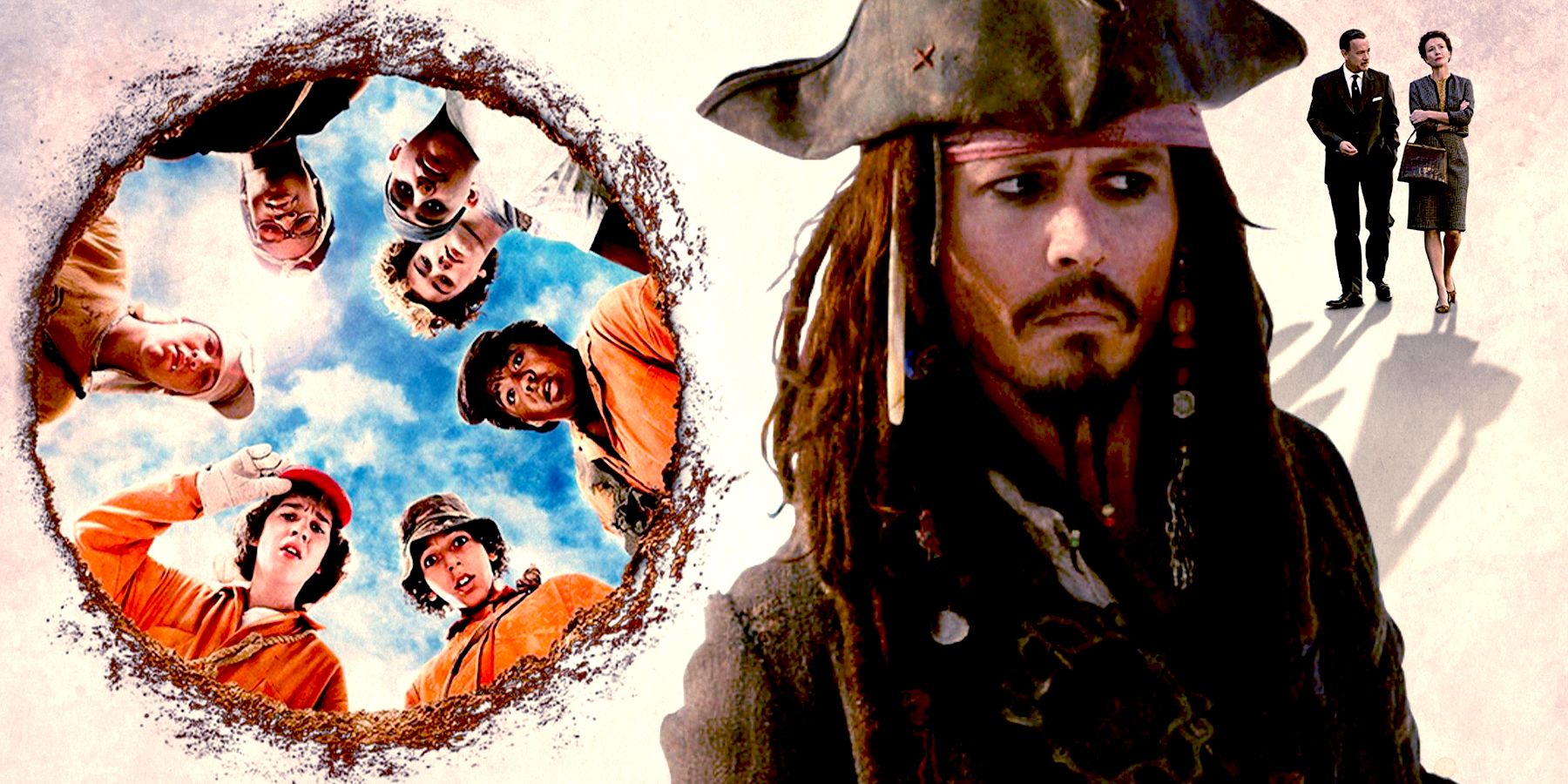
A live action movie is a motion picture that primarily utilizes real-life actors, physical sets, and cinematography to capture real-world subjects. Unlike animation, which relies on hand-drawn or computer-generated imagery to create characters and environments, live action focuses on photographic reality. You can find these movies on virtually every major streaming platform, including Netflix, Disney+, and Max, or via specialized film databases like IMDb and Letterboxd.
What Does the Term "Live Action" Actually Mean?
At its most fundamental level, the term "live action" refers to any cinematography or videography that does not involve the use of animation. It is a classification based on the method of production rather than the genre or subject matter. In a live action film, the camera records light reflecting off physical objects—human beings, landscapes, and props—and converts that light into a sequence of images.
Historically, "live action" was a redundant term; early cinema was naturally "live" because animation had not yet been commercialized. However, as animated shorts and features became a staple of the film industry, the term emerged as a way to differentiate between the two mediums. In 2026, the definition has become more nuanced due to the prevalence of high-end visual effects (VFX). A modern blockbuster might feature a live action lead actor standing in a completely digital environment, yet it is still classified as a live action film because the core performance is captured from a physical person.
The distinction often hinges on the "principal photography" phase. If the production involves a crew filming on a soundstage or location with human actors, it is live action. If the production is primarily built in a software suite like Unreal Engine or Maya without a physical performance at its center, it is animation.
The Evolution of Live Action in the Digital Era
As we navigate 2026, the lines between live action and digital creation are thinner than ever. The industry now utilizes "Virtual Production" techniques, such as the LED "Volume" walls popularized by series like The Mandalorian. In these settings, actors perform in front of massive high-resolution screens that display real-time 3D environments. While the background is technically digital, the interaction of light on the actors' skin and the use of traditional camera lenses keep the production firmly in the live action category.
Another significant development is the rise of performance capture (mocap). When an actor like Andy Serkis portrays a character like Caesar in Planet of the Apes, the final visual result is a digital ape. However, because the performance is rooted in a live human’s movements and facial expressions recorded on a set, these films are frequently discussed within the context of live action filmmaking. This hybridity has forced critics and audiences to rethink the term, often focusing on whether the "soul" of the performance was captured "live" or constructed by an animator.
The Cultural Significance of "Live Action Remakes"
In the last decade, the term "live action" has seen a massive spike in search volume due to a specific industry trend: the live action remake. Major studios, most notably Disney, have focused on taking their classic animated catalog and reimagining it using real actors and photorealistic CGI.
These remakes, such as The Lion King (2019) or more recent 2025-2026 releases, often spark debate. For instance, the 2019 version of The Lion King contained no human actors and was entirely computer-generated, yet the studio marketed it alongside live action films because of its photorealistic style. For most viewers, "live action" has become synonymous with "looking like the real world," even if no actual "live" filming took place in a traditional sense. Understanding this distinction is vital when searching for content, as studios may use the term as a stylistic descriptor rather than a technical one.
How to Find and Filter Live Action Movies
Finding live action movies is generally straightforward because they constitute the vast majority of cinematic output. However, if you are looking for specific types—such as live action adaptations of anime or remakes of animated classics—you need a more targeted approach.
Using Streaming Platform Filters
Most modern streaming services do not have a single "Live Action" button because it is too broad. Instead, you should use the search bar to look for specific keywords.
- Netflix: Use "Live Action" in the search bar to surface their extensive collection of anime-to-live-action adaptations (like One Piece or Avatar: The Last Airbender).
- Disney+: Look for the "Reimagined" or "Live Action Remakes" collection, which groups all their modern versions of animated classics.
- Amazon Prime Video: Use the "Genres" filter but exclude "Animation" to see the full live action catalog.
Leveraging Film Databases
To find comprehensive lists of live action movies, professional databases provide much better filtering than consumer streaming apps.
- IMDb (Internet Movie Database): Use the "Advanced Title Search." You can select "Feature Film" and specifically exclude the "Animation" genre. This will provide a chronological or popularity-ranked list of every live action movie ever made.
- Letterboxd: This social film platform allows users to create "Lists." Searching for "Best Live Action Adaptations" or "Live Action 2026" will give you curated recommendations from other cinephiles.
- JustWatch: This is the most efficient tool for finding where a movie is streaming. If you have a specific live action title in mind, JustWatch will tell you which subscription service has it or where it can be rented.
Comparing Live Action, Animation, and Hybrid Media
To better understand the landscape of 2026 cinema, it is helpful to see how these formats differ in production and viewer experience.
| Feature | Live Action | Animation | Hybrid / CGI-Heavy |
|---|---|---|---|
| Primary Tool | Optical Cameras | Computer Software / Drawing | Performance Capture / LED Volumes |
| Cast Requirement | Physical presence on set | Voice acting only | Physical movement + Voice |
| Visual Style | Photorealistic by default | Stylized (2D or 3D) | Hyper-realistic |
| Cost Driver | Locations, Stunt Teams, Unions | Rendering time, Animators | VFX pipeline, Data processing |
| Common Examples | Oppenheimer, The Godfather | Toy Story, Spirited Away | Avatar: The Way of Water, Alita |
Common Misconceptions and Troubleshooting
When searching for "all live action movies," users often run into a few common hurdles.
1. The "Photorealistic" Trap As mentioned with The Lion King, just because a movie looks real does not mean it is technically live action. If your goal is to study cinematography or acting, ensure the film wasn't created entirely in a digital environment.
2. Region Locking Many live action films, especially international ones (like South Korean thrillers or French dramas), are subject to licensing restrictions. If you find a live action title on IMDb but can't find it on your local Netflix, it is likely restricted to a different geographic region. Tools like JustWatch are essential here to verify availability in your specific country.
3. Genre Overlap Sometimes "Live Action" is used as a genre tag on sites like Crunchyroll to distinguish between the original anime and the filmed version. If you are a fan of a particular animated series, always check for the "Live Action" suffix in the title to ensure you are getting the version with real actors.
FAQs About Live Action Movies
What was the first live action movie ever made?
The first live action movies were the "actuality" films produced by the Lumière brothers in 1895, such as Workers Leaving the Lumière Factory. These were short, unedited clips of real-life events. The first narrative live action film is often considered to be The Great Train Robbery (1903), which introduced structured storytelling and editing.
Why are live action remakes so popular right now?
In the 2020s, studios have leaned heavily into live action remakes because of "brand equity." It is financially safer to produce a new version of a story that audiences already love than to invest in an unknown original property. Additionally, advancements in CGI allow filmmakers to create realistic animals and environments that were impossible to film 20 years ago.
Can a movie be both live action and animated?
Yes, these are called "Hybrid Films." Classic examples include Who Framed Roger Rabbit and Space Jam. In these movies, live actors interact with animated characters. Usually, these are categorized based on which element is more dominant, but most databases will tag them with both "Live Action" and "Animation."
Is CGI considered "Live Action"?
CGI is a tool used within live action movies. A film like Top Gun: Maverick uses real planes (live action) but may use CGI to enhance explosions or clean up backgrounds. It only ceases to be live action if the human element is removed and the entire frame is generated by a computer.
How do I find live action versions of anime?
The best way to find these is to search for the anime title followed by "Live Action" on streaming platforms like Netflix or Hulu. Netflix has made a significant push into this niche, producing high-budget versions of Cowboy Bebop, One Piece, and Death Note.
Taking Action: How to Build Your Watchlist
If you are looking to dive deep into the world of live action cinema, your first step should be to establish a tracking account on Letterboxd or IMDb. These platforms allow you to create a "Watchlist."
- Identify your interest: Are you looking for traditional dramas, or are you interested in the "Live Action Remake" trend?
- Use Search Aggregators: Use JustWatch to see which live action titles are currently trending on the services you already pay for.
- Explore International Cinema: Don't limit yourself to Hollywood. Search for "Live Action World Cinema" to find masterpieces from directors like Akira Kurosawa or Bong Joon-ho, which offer different perspectives on the medium.
- Verify the Format: Before starting a film, check the "Technical Specs" section on IMDb if you are specifically looking for traditional "on-film" cinematography versus digital capture.
By understanding the technical definition and utilizing the right digital tools, you can navigate the vast library of live action cinema with precision, ensuring you spend less time searching and more time watching.