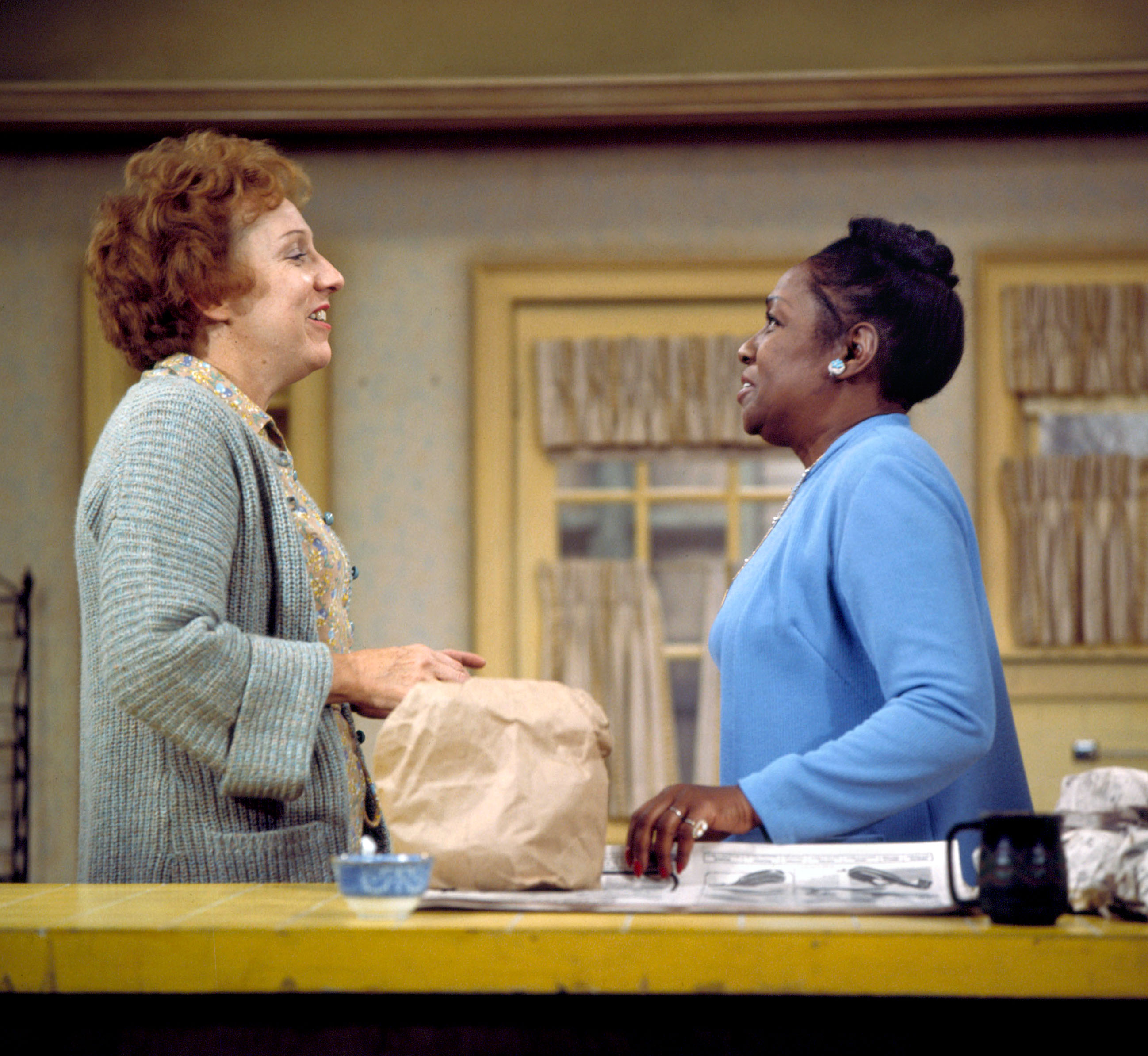
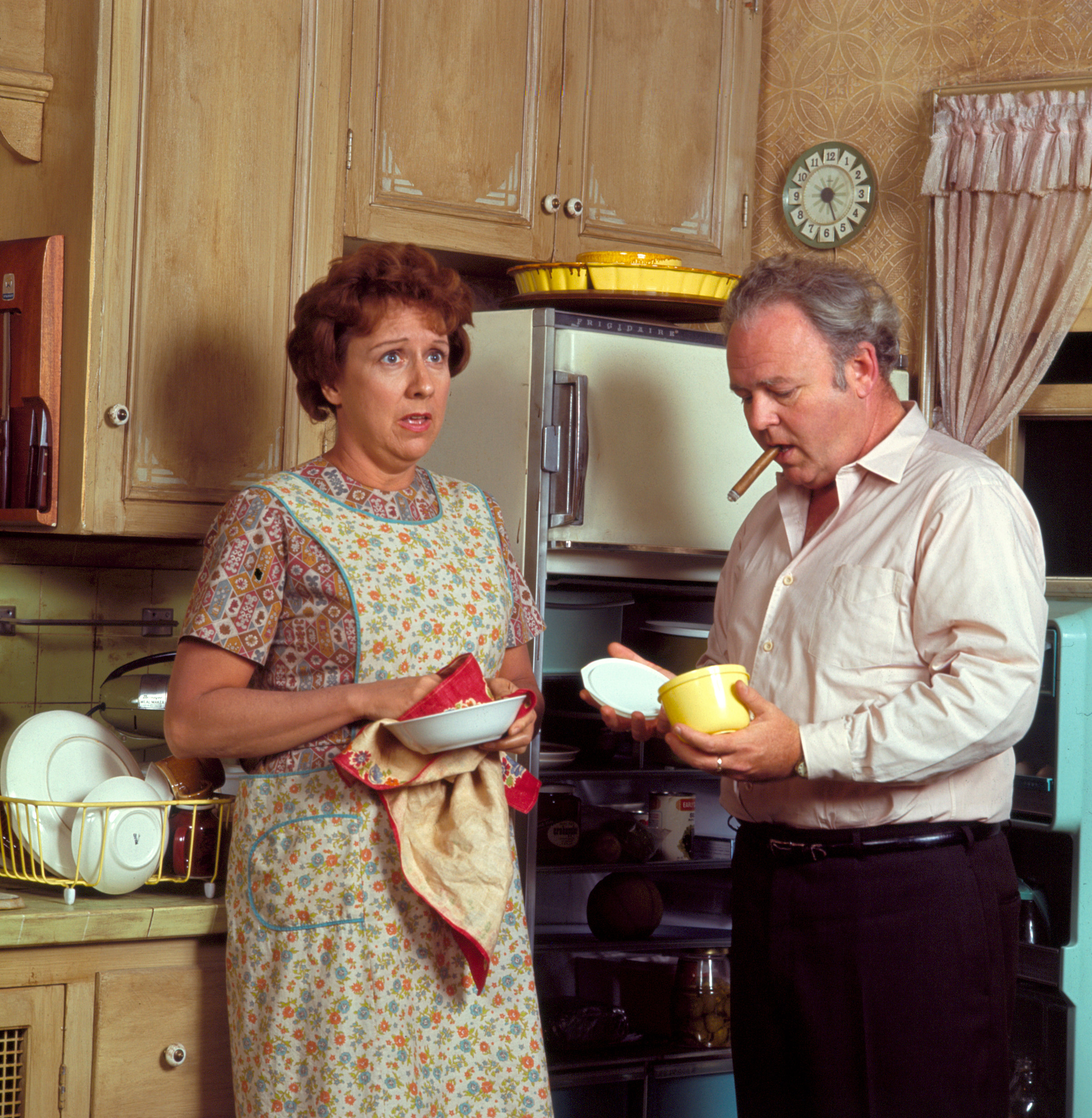
The 1972 episode "Edith's Problem" from All in the Family remains a landmark moment in television history for its candid portrayal of menopause. By depicting Edith Bunker’s emotional and physical struggles, the show broke long-standing social taboos, offering a relatable look at "the change" while highlighting the era's medical and social misunderstandings.
In the landscape of 1970s television, topics like reproductive health and aging were often whispered about or ignored entirely. All in the Family upended this trend with Season 2, Episode 15, titled "Edith's Problem." In this episode, the traditionally subservient and gentle Edith Bunker begins experiencing unpredictable mood swings, irritability, and physical discomfort. As the story unfolds, it becomes clear that Edith is entering menopause. For many viewers in 1972, this was the first time they had seen a realistic, albeit comedic, representation of perimenopause on a national stage.
Understanding Edith’s journey requires looking at both the narrative choices made by the show’s creators and the actual clinical symptoms of menopause. While the show utilized the "tempestuous woman" trope for comedic effect, it grounded the story in a truth that resonated with millions of women who felt invisible during this transition. In 2026, we can look back at this episode not just as a piece of media history, but as an entry point for discussing how menopause symptoms are recognized, managed, and supported in modern times.
The Cultural Impact of "Edith's Problem"
When "Edith's Problem" aired on January 8, 1972, it was a revolutionary act. The script, written by Burt Styler, didn't shy away from the terminology. While Archie Bunker—the show's famously bigoted and traditionalist protagonist—referred to it as "the change of life," the episode forced a dialogue about a biological reality that had been treated as a source of shame.
The episode's significance lies in its democratization of the female experience. Edith Bunker was "everywoman"—a housewife whose identity was often tied to her service to her family. Seeing her reclaim her voice, even through the lens of hormonal irritability, was a powerful statement. The show highlighted the gap between the medical reality of menopause and the lack of empathy provided by the men in a woman's life. Archie’s initial reaction—telling Edith she has "no right" to be acting this way—mirrored the societal expectation that women should suffer in silence.
The Narrative Arc: How Edith Confronted "The Change"
The plot of the episode centers on Edith's uncharacteristic behavior. Usually the peacemaker of the household, Edith begins shouting at Archie and Gloria, exhibiting what we now recognize as emotional lability. One of the most famous sequences involves Edith telling Archie to "stifle yourself"—a complete reversal of Archie’s most frequent and oppressive command to her.
The Conflict of Identity
For Edith, the "problem" wasn't just physical; it was existential. In the 1970s, menopause was often culturally equated with the "end" of womanhood or utility. The episode subtly addresses Edith’s fear that she is losing her mind or her value as a wife and mother. Archie’s confusion ("You mean you're gonna get different?") exemplifies the lack of education surrounding women's health during that period.
The Resolution and Empathy
The narrative reaches a turning point when Archie, after being reprimanded by Gloria and Mike, attempts to understand what Edith is going through. While his attempts at empathy are clumsy and filtered through his own ego, the episode concludes with a sense of solidarity. It suggests that while the physical symptoms are a burden Edith must carry, the emotional burden can be eased by a supportive environment.
Recognizing the Symptoms: Edith vs. Clinical Reality
Edith Bunker’s portrayal focused heavily on the psychological aspects of menopause, but real-world symptoms are much more diverse. Menopause is clinically defined as the point when a woman has gone 12 consecutive months without a menstrual period, but the transition leading up to it—perimenopause—can last several years.
The following table compares the symptoms depicted in All in the Family with the broader clinical understanding of the menopausal transition as recognized in 2026.
| Symptom Category | As Seen in "Edith's Problem" | Clinical/Modern Understanding |
|---|---|---|
| Mood Changes | Extreme irritability, shouting, and sudden anger. | Emotional lability, anxiety, and increased risk of depression due to fluctuating estrogen. |
| Vasomotor Symptoms | Hinted at through physical discomfort and restlessness. | Hot flashes and night sweats, affecting up to 80% of women. |
| Cognitive Function | Forgetfulness and a sense of being "scatterbrained." | "Brain fog," difficulty concentrating, and short-term memory lapses. |
| Physical Sensations | General fatigue and "not feeling like herself." | Joint pain, heart palpitations, and changes in skin elasticity. |
| Duration | Treated as an acute "problem" to be solved. | A multi-year transition (perimenopause) followed by the postmenopausal phase. |
Note: This information is for educational purposes. For medical diagnosis or treatment of menopause symptoms, consult a licensed healthcare professional.
Analyzing the Psychological Symptoms: Why Edith "Snapped"
In the show, Edith’s outbursts were framed as a departure from her "true" self. However, modern endocrinology explains that the dramatic drop in estrogen and progesterone during perimenopause significantly affects the brain’s neurotransmitters, particularly serotonin. Serotonin is responsible for mood regulation, and when levels fluctuate, it can lead to the "short fuse" Edith demonstrated.
Furthermore, the sleep disturbances caused by night sweats (which may not have been explicitly shown but are a hallmark of the transition) contribute to irritability. In 1972, these were often dismissed as "hysteria" or "nerves." By giving Edith these symptoms, All in the Family validated the idea that these changes were not a choice or a character flaw, but a biological imperative.
Archie Bunker’s Reaction: A Lesson in Spousal Support
Archie's reaction serves as a historical record of how not to handle a partner's menopause. His initial response is one of inconvenience. He views Edith’s symptoms as a personal affront to his comfort. This "bystander frustration" is still common today, where partners may feel helpless or annoyed by the unpredictability of the transition.
However, the episode provides a "teachable moment." Mike (Meathead) and Gloria provide the voice of reason, explaining the biological necessity of Edith’s behavior. The lesson for the audience in 1972—and still relevant in 2026—is that menopause is a family transition, not just an individual one. Support involves:
- Education: Understanding that symptoms are driven by hormones, not malice.
- Patience: Allowing space for mood fluctuations without taking them personally.
- Validation: Acknowledging the difficulty of the physical symptoms.
Managing Menopause: From the 1970s to 2026
In Edith’s time, the primary "treatment" suggested for menopause was often "taking it easy" or, in some cases, early forms of Hormone Replacement Therapy (HRT) that were not yet as refined as modern versions. Today, the approach is much more comprehensive.
Modern Medical Interventions
In 2026, women have access to bioidentical hormone therapy, which can be tailored to their specific hormonal needs. Additionally, non-hormonal treatments, such as low-dose SSRIs or specialized medications for hot flashes (like Veozah), have become standard for those who cannot or choose not to use hormones.
Lifestyle and Holistic Support
Beyond medication, we now emphasize the role of nutrition (increasing calcium and Vitamin D for bone health) and weight-bearing exercise to combat the increased risk of osteoporosis that follows the drop in estrogen. Edith Bunker’s character likely would have benefited from the community support and open dialogue that modern "Menopause Cafes" and online support groups provide today.
The Enduring Legacy of Edith's "Problem"
The reason "Edith's Problem" remains a frequent topic of discussion in media studies and women’s health circles is that it humanized a clinical process. It took menopause out of the doctor's office and put it in the American living room. Jean Stapleton’s brilliant performance allowed the audience to laugh with Edith, but also to feel the profound frustration of a woman whose body was changing in ways she couldn't control.
By the end of the episode, Edith hasn't "cured" her menopause—because it isn't a disease. Instead, she has reached a new understanding with her family. This shift in narrative was a precursor to the modern "menopause positivity" movement, which seeks to reframe the transition as a natural phase of life rather than a medical crisis or a source of comedy at a woman's expense.
FAQ
What specific episode of All in the Family covers Edith’s menopause?
The episode is titled "Edith's Problem," which is Season 2, Episode 15. It originally aired on January 8, 1972. It is widely cited as one of the most important episodes of the series for its handling of women's health issues.
Did Jean Stapleton actually have menopause while filming the episode?
While Jean Stapleton was of the age where she likely understood the experience, she was an actress performing a scripted role. Her portrayal was lauded by health advocates for its accuracy and sensitivity, despite the sitcom format.
Why did Archie Bunker react so poorly to Edith’s symptoms?
Archie’s character was designed to represent the "old guard" of American values, which included a lack of understanding regarding female biology and a belief that women should be consistently pleasant and accommodating. His reaction highlighted the era’s general ignorance and the lack of empathy many women faced.
What are the "hidden" symptoms of menopause that the show didn't mention?
While the show focused on mood, it didn't touch on symptoms like vaginal dryness, loss of libido, or bone density loss. In 1972, broadcast standards (and the sitcom format) limited the discussion of more intimate physical symptoms.
Is the term "The Change of Life" still used in 2026?
While "the change" or "the change of life" are still understood colloquially, medical professionals and advocates prefer the terms "perimenopause" and "menopause." These terms are more precise and help move away from the idea that a woman has fundamentally "changed" into someone else.
Moving Toward Proactive Menopause Management
If you or a loved one are experiencing symptoms similar to those portrayed by Edith Bunker, the most important next step is to seek a consultation with a healthcare provider who specializes in midlife women's health. Unlike the characters in All in the Family, you do not have to "stifle" your symptoms or navigate them without modern medical assistance.
Start by tracking your symptoms—including mood changes, sleep patterns, and physical sensations—for at least one month. This data is invaluable for a doctor to determine if you are in perimenopause. Understanding that these symptoms are a result of biological shifts can alleviate the emotional burden of "not feeling like yourself," just as it eventually did for Edith.