Planning an all-inclusive family vacation in the Dominican Republic in 2026 offers a seamless blend of tropical relaxation and high-energy adventure tailored for every generation. By choosing a comprehensive package, families benefit from predictable budgeting, world-class childcare facilities, and diverse culinary options that cater to both adventurous eaters and picky toddlers.
The Dominican Republic has long established itself as the cornerstone of Caribbean tourism, specifically for families who require more than just a beach. In 2026, the infrastructure for all-inclusive travel has reached a peak of efficiency, with modern airports, streamlined digital entry requirements, and resorts that function as self-contained micro-cities. Whether you are looking for the calm, turquoise shallows of the Caribbean Sea on the southern coast or the dramatic Atlantic surf of the north, understanding the regional nuances and resort hierarchies is essential for a successful trip.
Why the Dominican Republic Remains the Top Choice for Families in 2026
The primary appeal of the Dominican Republic lies in its "value-to-experience" ratio. Unlike many other Caribbean islands where "all-inclusive" might only cover basic meals and local drinks, Dominican resorts often provide expansive water parks, supervised kids' and teens' clubs, and non-motorized water sports as part of the base price. This allows parents to manage their vacation budget with precision, knowing that the majority of costs are settled before the flight even takes off.
Furthermore, the geographical diversity of the island is a significant draw. While many travelers associate the country solely with Punta Cana, the island offers distinct ecosystems. From the lush, mountainous rainforests of Samaná to the historic cobblestone streets of Santo Domingo, families can choose a backdrop that suits their specific interests. In 2026, the connectivity between these regions has improved significantly, allowing for "multi-center" vacations where families can spend a few days exploring history before retreating to a beachside resort.
Accessibility is another critical factor. With major international airports in Punta Cana (PUJ), Santo Domingo (SDQ), and Puerto Plata (POP), most families in North America and Europe can find direct or one-stop flights. The 2026 travel season continues to use the streamlined E-Ticket system, a single digital form that combines the International Boarding and Disembarking Card, Customs Declaration, and Health Affidavit, making the arrival process significantly faster than the paper-based systems of the past.
Selecting the Right Region for Your Family's Needs
Not all beaches in the Dominican Republic are created equal, and the "right" choice depends heavily on the ages of your children and your preferred activity level. Choosing the wrong coast can lead to disappointment regarding water conditions or excursion availability.
Punta Cana: The All-Inclusive Epicenter
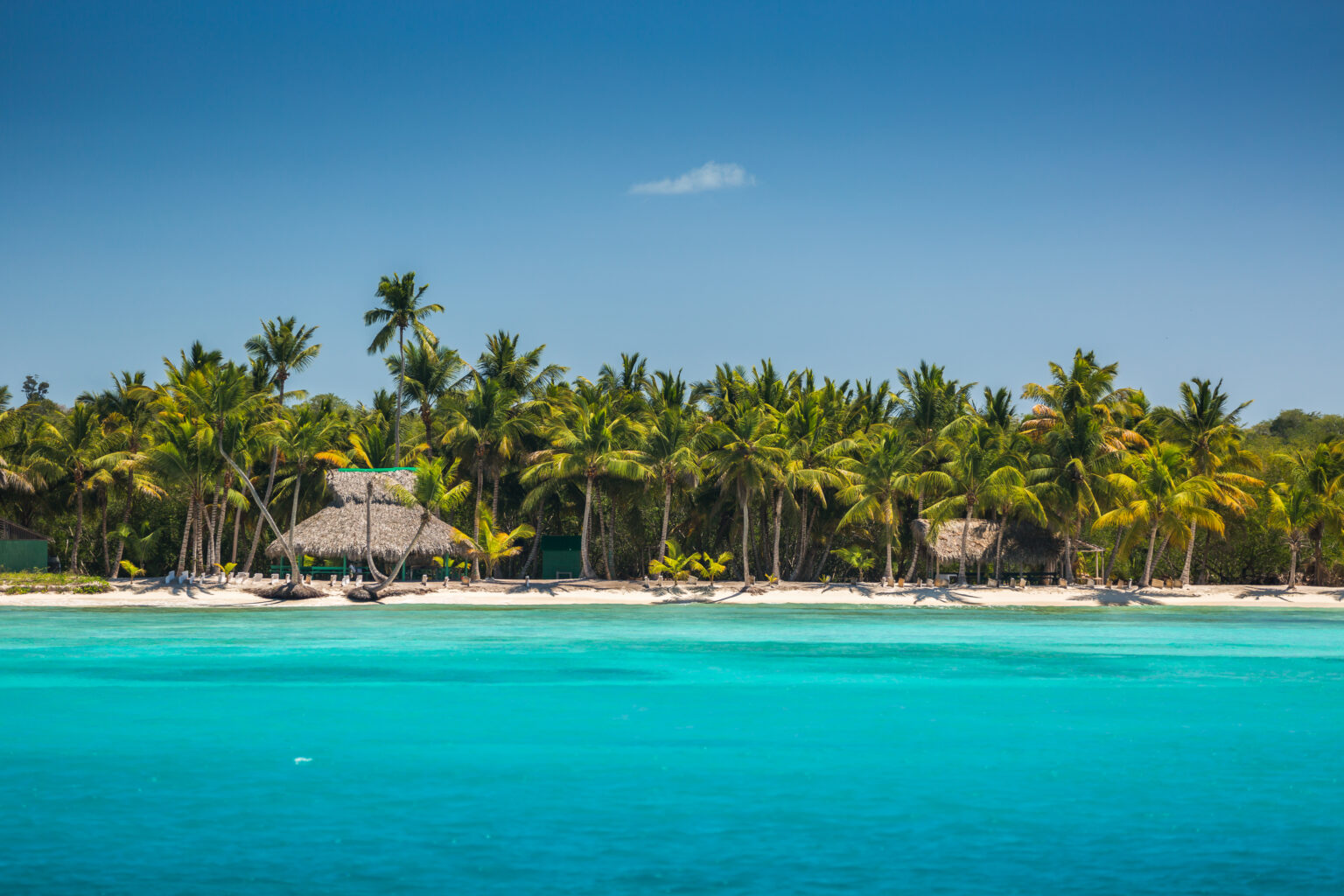
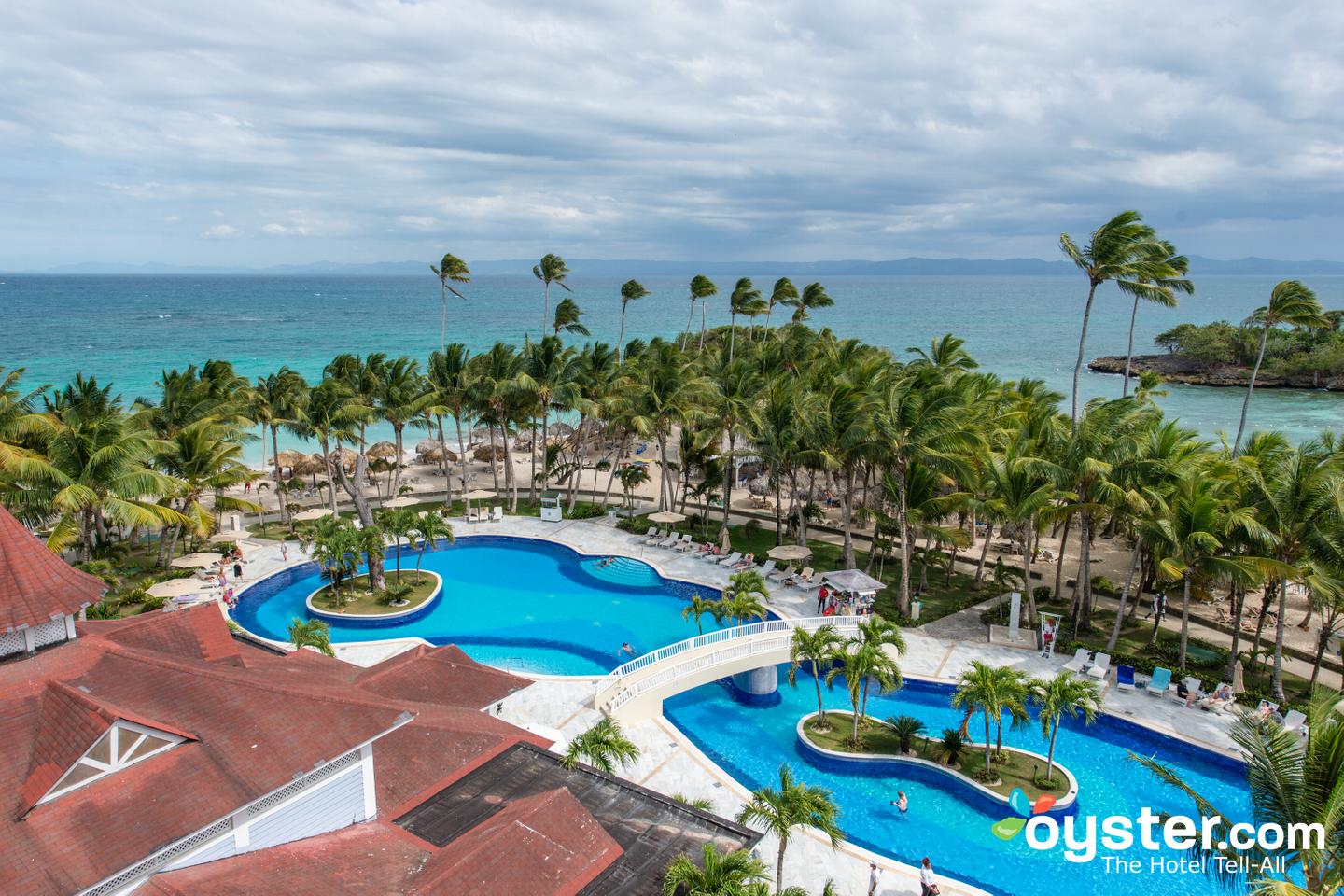
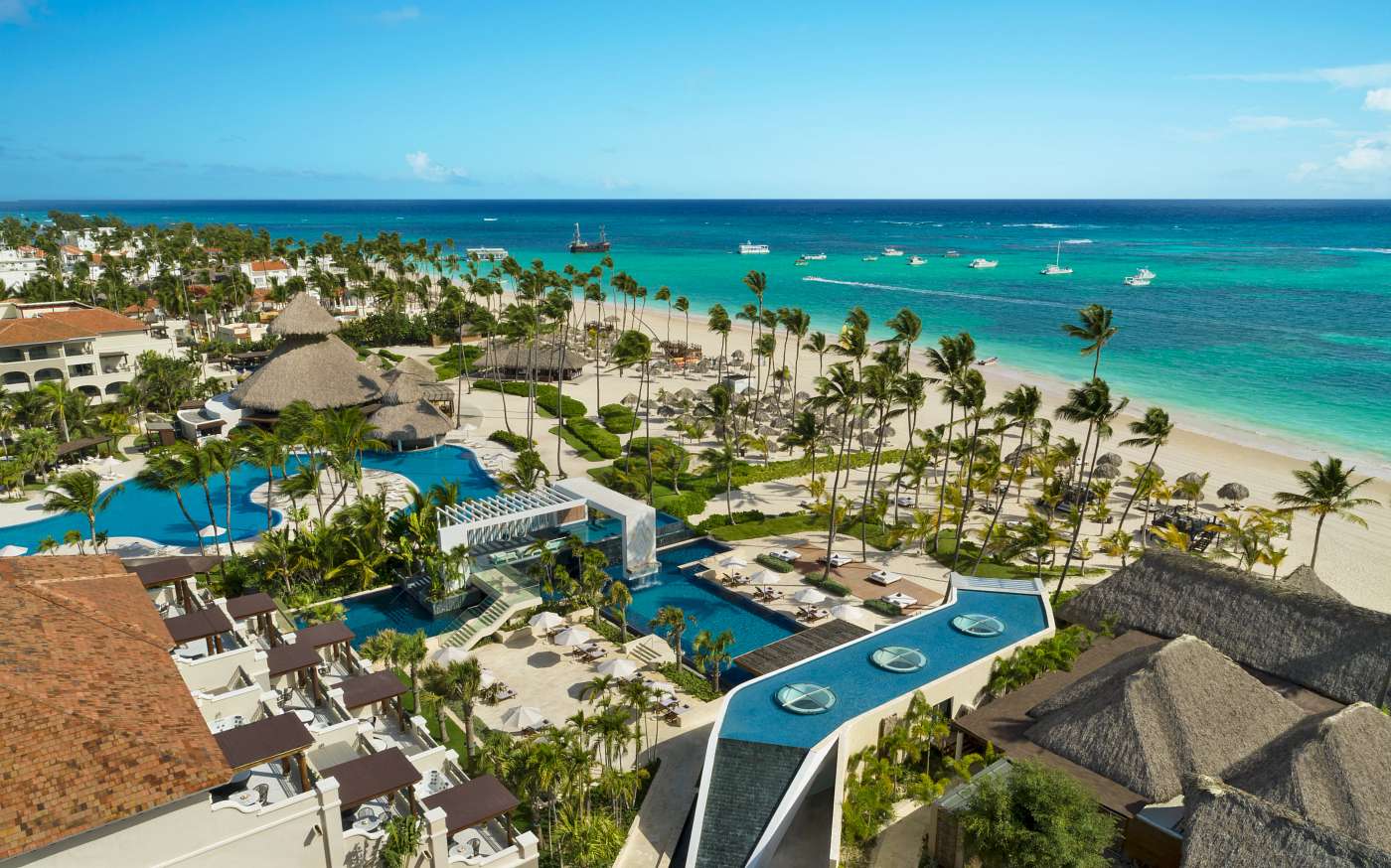
Punta Cana is the most popular destination for a reason. It boasts a 30-mile stretch of white sand and coconut palms, housing the highest concentration of family-oriented resorts in the Caribbean. The water here is generally protected by an offshore reef, creating calm conditions ideal for young swimmers. This region is home to the most elaborate resort amenities, including themed water parks (such as those at Nickelodeon Hotels & Resorts or Falcon’s Resort) and sophisticated teen lounges equipped with the latest gaming technology.
La Romana and Bayahibe: Calm Waters and Cultural Proximity
Located on the southeastern coast, La Romana offers the calmest waters in the country, as it faces the Caribbean Sea rather than the Atlantic. This is the preferred region for families with toddlers or those who enjoy snorkeling directly from the beach. It is also the gateway to Isla Saona, a protected nature reserve. The nearby Altos de Chavón, a Mediterranean-style village recreation, provides a unique cultural excursion without requiring a long day of travel.
Puerto Plata and the North Coast: Adventure and Value
The "Amber Coast" is known for its golden sands and more rugged terrain. Resorts here are often more budget-friendly than those in Punta Cana. The Atlantic waves are stronger, making it a hub for families with older children interested in kitesurfing or windsurfing. Puerto Plata also offers the Teleférico (cable car) to the top of Mount Isabel de Torres and the 27 Waterfalls of Damajagua, providing high-adventure day trips that depart from the standard beach experience.
Essential Resort Features to Prioritize
When evaluating specific resorts, the term "family-friendly" can be broad. To ensure "fun and sun for all," you must look at the technical specifications of the resort’s offerings. A resort that caters to couples with a small "kids corner" will provide a very different experience than a dedicated family property.
Age-Segmented Programming: Look for resorts that divide their childcare by age group. A 4-year-old and a 12-year-old have vastly different needs. The best resorts in 2026 offer "Baby Clubs" for infants, "Kids Clubs" for elementary ages, and "Teen Zones" that focus on social interaction and independence for older children. These programs should be supervised by certified staff and included in the all-inclusive rate.
Room Configurations: For families, the standard hotel room with two double beds is often insufficient. High-tier family resorts now offer "Family Suites" or "Master Suites" which provide a separate bedroom for parents. This layout is crucial for maintaining a sense of vacation for the adults after the children have gone to sleep. Some resorts also offer "Swim-up Suites" with safety gates, allowing parents to enjoy the pool while a toddler naps just inside the room.
Dining Diversity: All-inclusive dining has evolved. In 2026, the focus is on "unlimited a la carte" dining rather than just massive buffets. Verify that the resort offers kid-friendly menus in their specialty restaurants (Italian, Japanese Teppanyaki, etc.) and has 24-hour room service or snack stations. This is particularly important for managing the erratic hunger cycles of children after a long day in the sun.
Comparison of Major Dominican Vacation Regions
| Feature | Punta Cana | La Romana | Puerto Plata | Samaná |
|---|---|---|---|---|
| Primary Water Body | Atlantic / Caribbean mix | Caribbean Sea | Atlantic Ocean | Samaná Bay / Atlantic |
| Beach Type | Fine white sand | Soft tan sand | Golden sand | Secluded white/tan sand |
| Best For | Massive water parks | Snorkeling & toddlers | Budget & surfing | Nature & eco-tourism |
| Wave Intensity | Low to Moderate | Very Low | Moderate to High | Low to Moderate |
| Transfer Time | 10–30 minutes | 45–60 minutes | 20–40 minutes | 90+ minutes |
Understanding the Logistics of a 2026 Trip
Navigating the entry requirements and seasonal shifts is vital for a stress-free experience. The Dominican Republic is a tropical climate, which means weather patterns can dictate the quality of your stay.
Entry Requirements and Documentation
As of 2026, all travelers must complete the electronic E-Ticket form before arrival and departure. This generates a QR code that is scanned at the airport. While the tourist card fee (US$10) is typically included in your airfare, it is wise to confirm this with your carrier. Passports must be valid for the duration of your stay, though some airlines recommend having at least six months of validity to avoid any boarding complications.
The Best Time to Visit
The peak season runs from December to April, offering the clearest skies and most comfortable temperatures. However, this is also when prices are highest. The "shoulder seasons" of May, June, and November can provide significant savings. It is important to note that hurricane season officially runs from June 1st through November 30th. While modern resorts are built to high safety standards and have comprehensive contingency plans, purchasing travel insurance with "cancel for any reason" (CFAR) coverage is highly recommended for trips during this window.
Health and Safety Standards
Resorts in the Dominican Republic utilize advanced water filtration systems, but it is still standard practice for guests to drink bottled or filtered water provided by the hotel. For families, the presence of an on-site medical clinic is a significant safety feature. Most large all-inclusive properties have 24/7 medical staff available to handle minor issues like ear infections, dehydration, or coral scrapes, ensuring that a small health hiccup doesn't derail the entire vacation.
Beyond the Resort: Family-Friendly Excursions
While it is tempting to stay within the resort gates, the Dominican Republic offers several world-class excursions that are safe and engaging for children.
- Scape Park (Cap Cana): A natural theme park that offers cenote swimming (Hoyo Azul), zip-lining, and cave explorations. It is a controlled environment that feels adventurous but maintains high safety standards.
- Saona Island: Most tours involve a catamaran ride to a stunning island with waist-deep natural pools. Look for "family-private" tours to avoid the "booze-cruise" atmosphere of some larger group excursions.
- Monkeyland: Located near Punta Cana, this allows children to interact with squirrel monkeys in a natural jungle setting. It is an educational and tactile experience that is usually a highlight for younger travelers.
- Ocean World Adventure Park: Located in Puerto Plata, this park offers dolphin encounters and sea lion shows, providing a structured environment for animal interaction.
Budgeting for "All-Inclusive" Extras
Although the primary appeal is the upfront pricing, families should budget for specific out-of-pocket expenses that are rarely included in the base rate. Understanding these costs beforehand prevents "bill shock" at checkout.
- Premium Wi-Fi: While basic Wi-Fi is often free, families with multiple devices or those needing to stream video may need to pay for a "Premium" tier.
- Motorized Water Sports: Activities like jet skiing, parasailing, and deep-sea fishing almost always carry an extra charge.
- Spa Services: Even at high-end resorts, massages and salon treatments are additional.
- Off-Site Excursions: Expect to pay between $75 and $150 per person for high-quality day trips.
- Staff Tipping: While technically included, it is customary and appreciated to tip $1–$5 for housekeeping, bartenders, and servers who provide exceptional service to your family.
Frequently Asked Questions
Is the tap water safe to drink in Dominican resorts?
No, you should not drink the tap water in the Dominican Republic. All-inclusive resorts provide an unlimited supply of bottled water in your room and at all bars and restaurants. Use bottled water even for brushing your teeth to avoid "Traveler’s Tummy," which can be particularly disruptive for children.
What should we do about the seaweed (Sargassum) on the beaches?
Sargassum is a seasonal influx of brown seaweed that can affect Caribbean beaches. In 2026, most major resorts utilize "Sargassum barriers" offshore and employ dedicated cleaning crews to remove seaweed from the sand every morning. If a pristine beach is your top priority, check recent traveler photos or choose a resort in La Romana/Bayahibe, which is generally less affected than the Atlantic-facing shores.
Do I need to exchange money into Dominican Pesos (DOP)?
For most families staying at an all-inclusive resort, exchanging money is unnecessary. US Dollars are widely accepted for tips and at resort boutiques. If you plan to explore local towns or shop at small markets, having a small amount of Pesos may get you better pricing, but credit cards are accepted at all major excursion hubs and malls.
Are the kids' clubs safe and supervised?
Yes, reputable all-inclusive brands (such as Dreams, Hyatt Ziva, or Royalton) employ trained staff and use secure check-in/check-out procedures involving ID bracelets. Many resorts also provide parents with a localized pager or a mobile app to stay in contact with the staff while their children are in the club.
What are the essential items to pack for a 2026 family trip?
Beyond standard swimwear, pack reef-safe sunscreen (to protect the local ecosystems), rash guards for the kids (the Caribbean sun is much stronger than in the north), a small waterproof dry bag for excursions, and any specific over-the-counter medications your children prefer, as resort gift shops often have limited brands and high prices.
Final Recommendation for Planning Your Stay
To maximize the "fun and sun" of your 2026 Dominican Republic vacation, begin your search by selecting the region that matches your child's age and swimming ability. Once the region is chosen, prioritize resorts that offer multi-bedroom suites and age-segmented kids' programming. To ensure the best value, book your travel at least six to nine months in advance, especially if you are traveling during school holiday weeks. Always verify that your chosen resort has a recent track record of maintaining its facilities, as the tropical climate requires constant upkeep. By balancing the "all-inclusive" convenience with a few well-chosen off-site adventures, you can create a vacation that provides relaxation for the adults and lasting memories for the children.