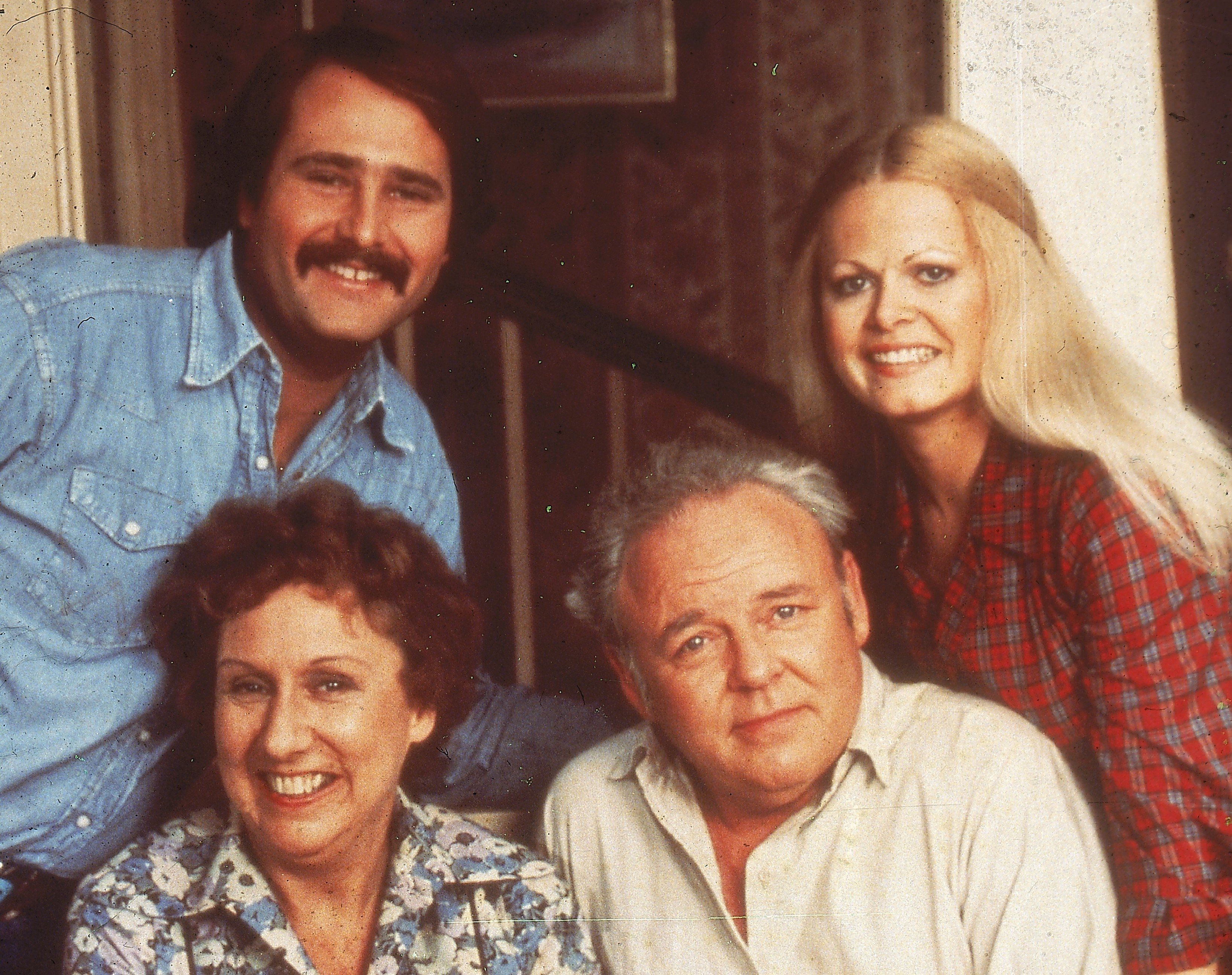
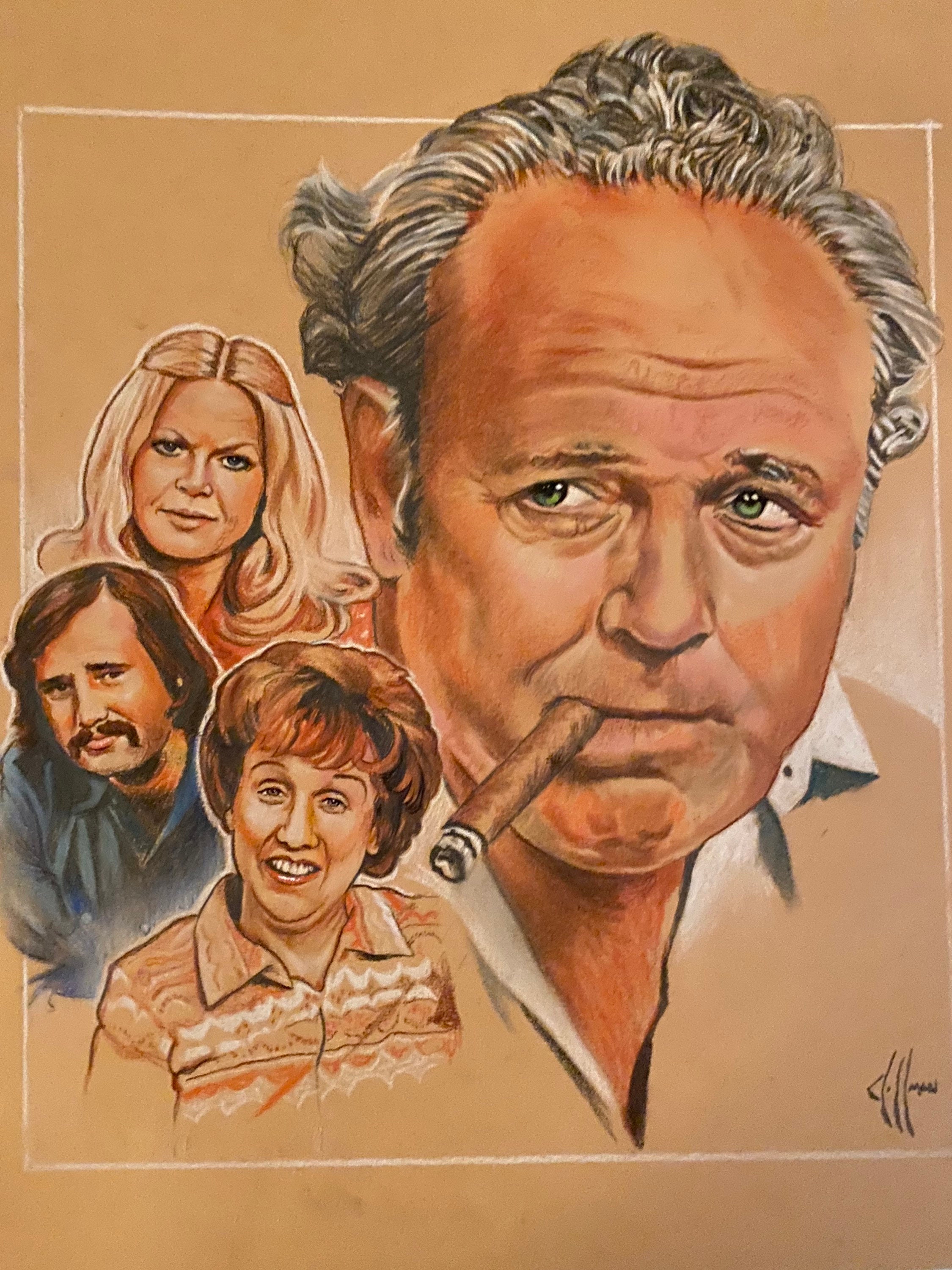
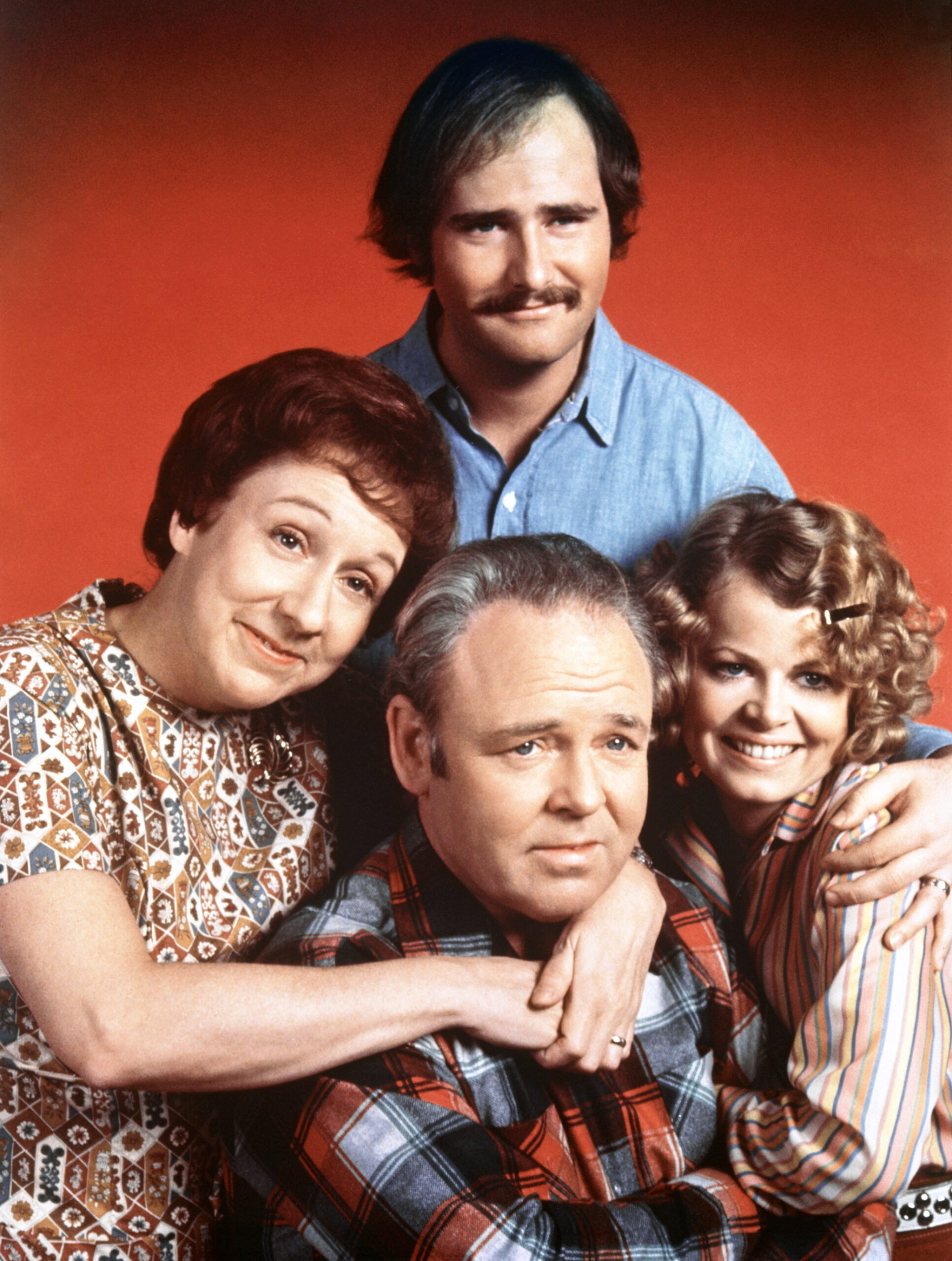
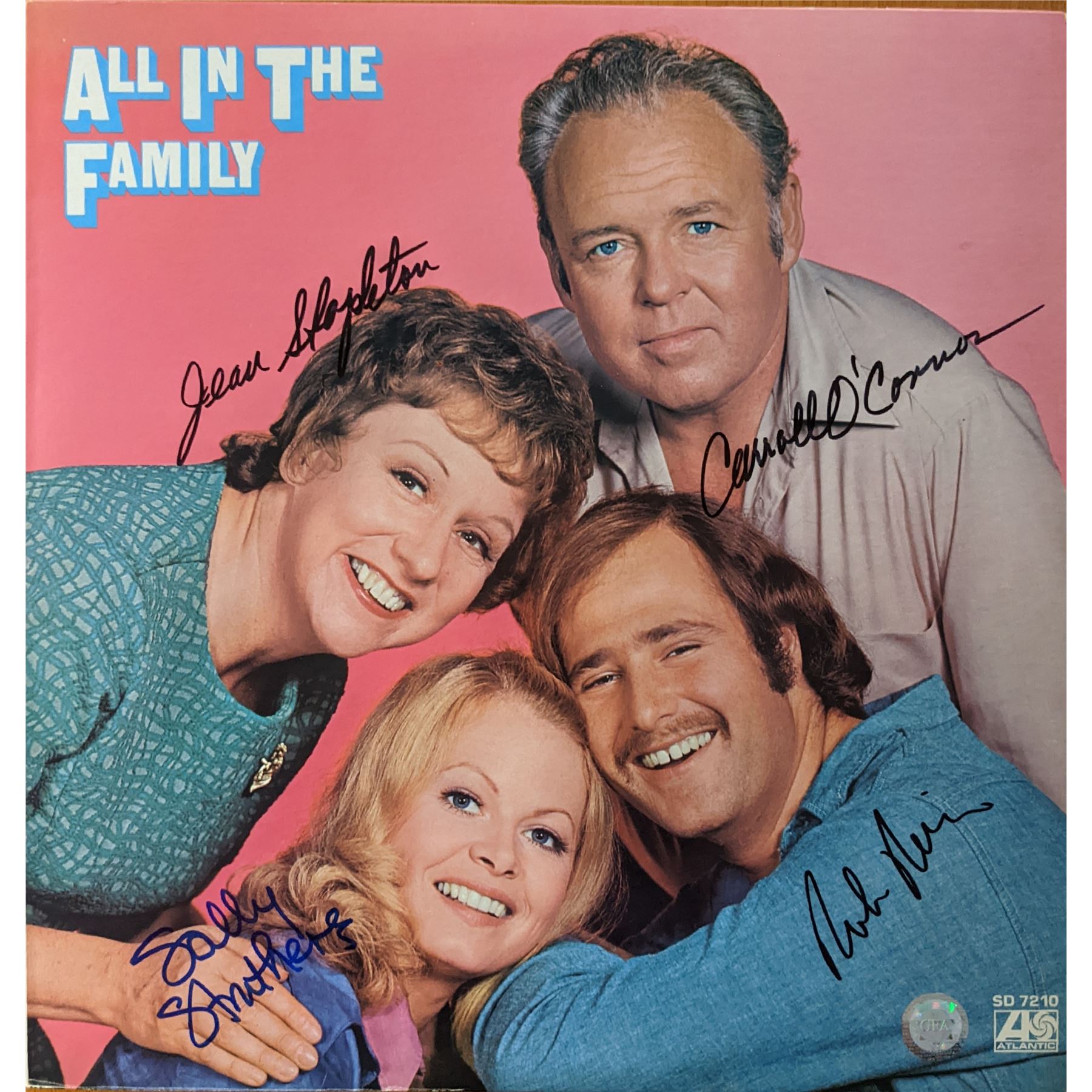
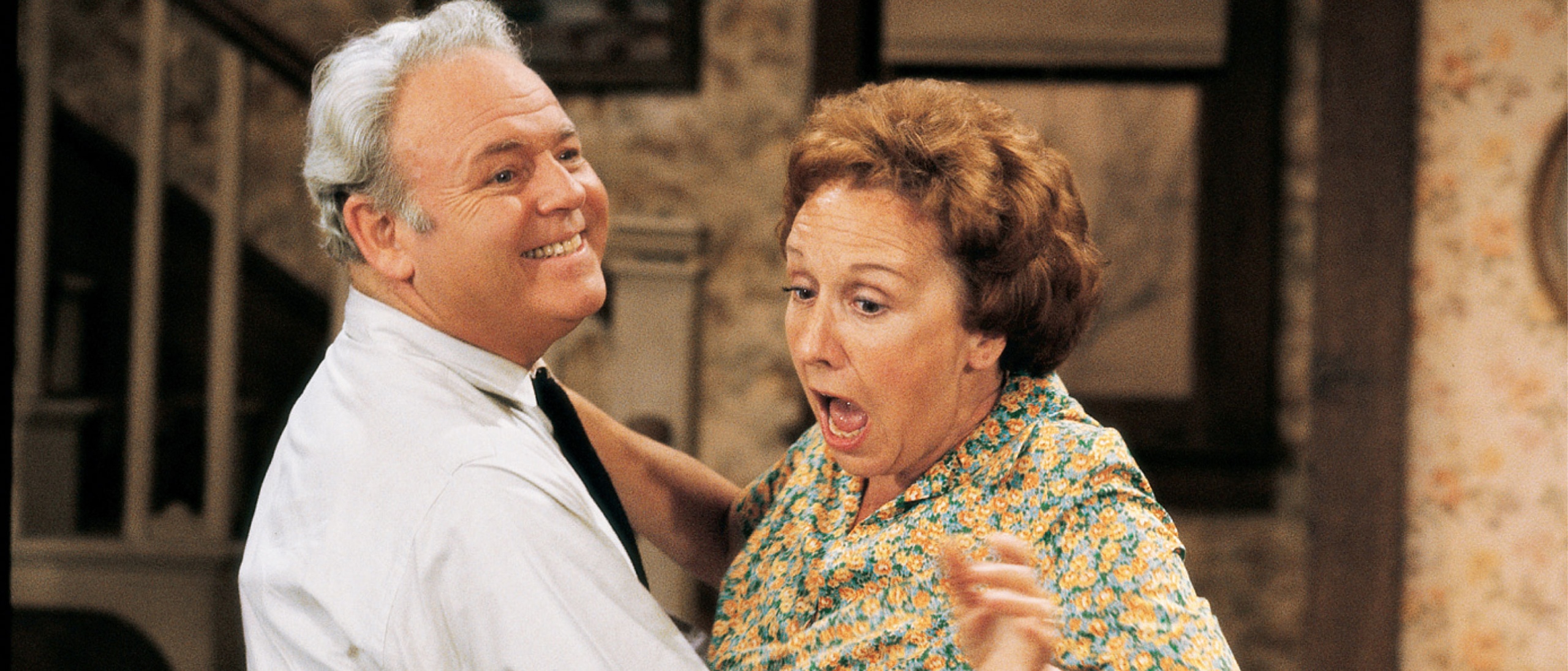
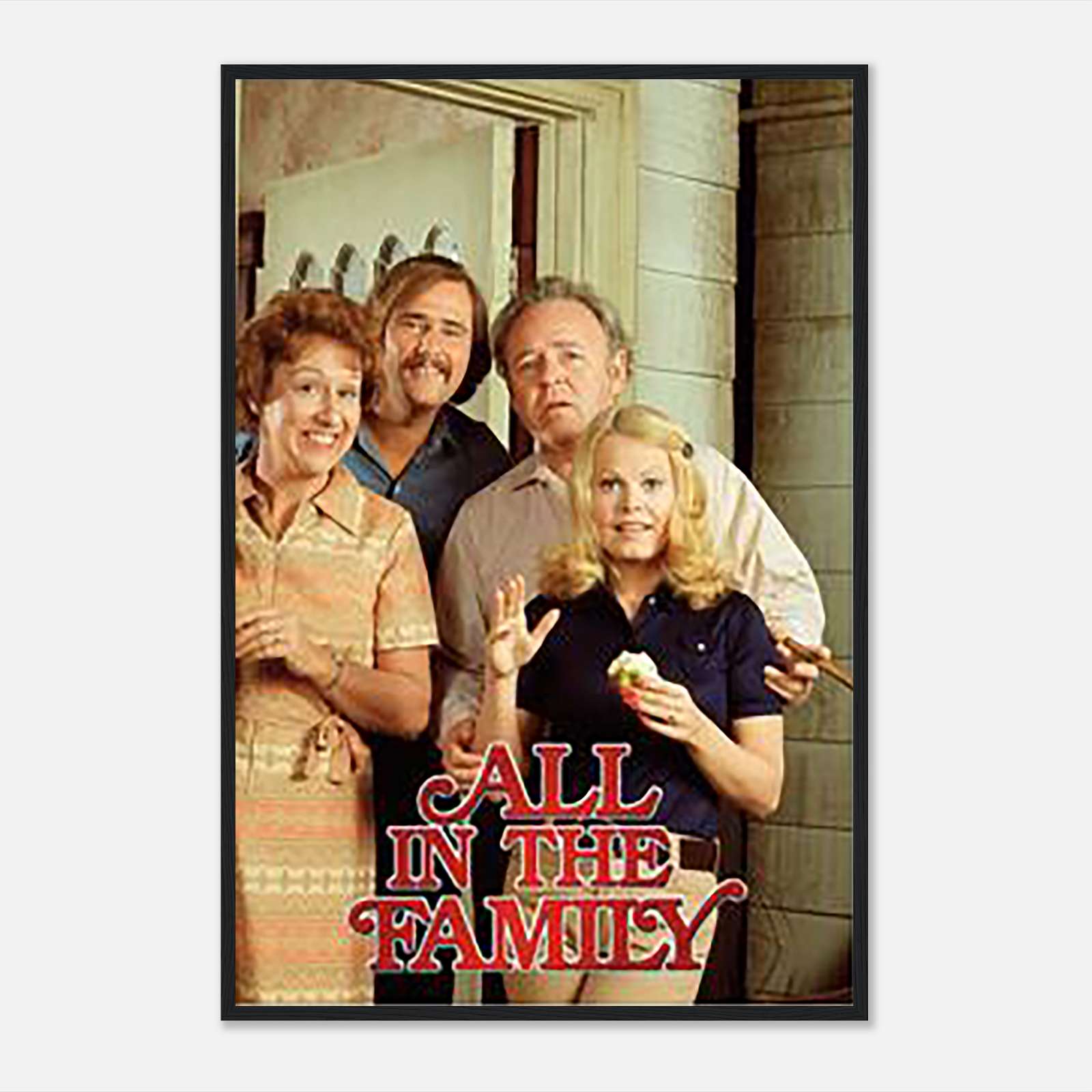
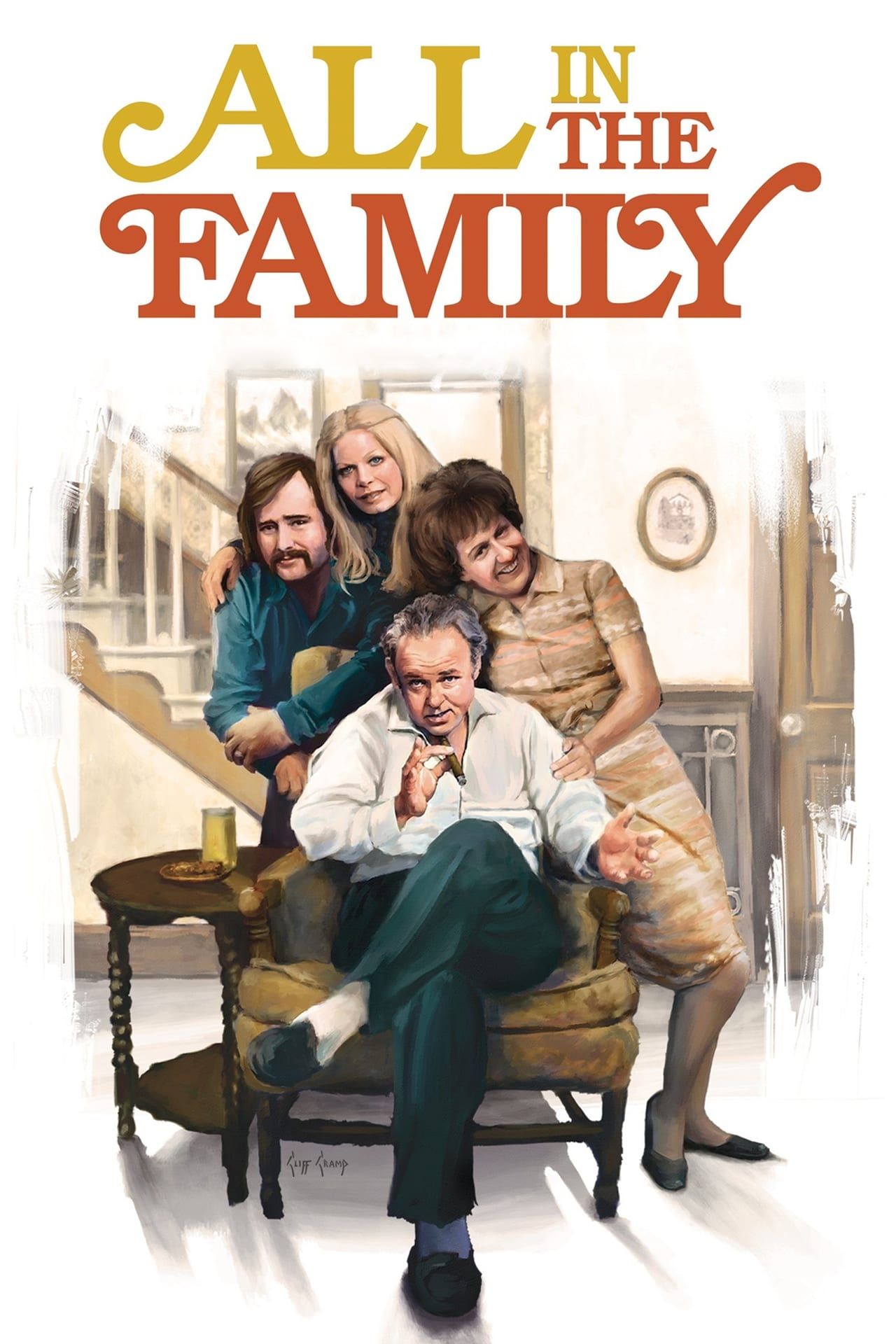
By 1975, the cast of All in the Family—comprising Carroll O'Connor, Jean Stapleton, Rob Reiner, and Sally Struthers—had solidified their status as the most influential ensemble in American television history. This specific year marked a pivotal transition as the show reached its fifth and sixth seasons, balancing groundbreaking social commentary with the departure of key supporting characters into their own successful spinoffs.
The Core Four: The 1975 Ensemble Breakdown
The primary reason All in the Family remained the number one show in the United States in 1975 was the unparalleled chemistry between its four leads. While the show was built on conflict, the actors brought a level of humanity to their roles that prevented the characters from becoming mere caricatures of political archetypes.
Carroll O’Connor as Archie Bunker
In 1975, Carroll O’Connor was at the height of his powers as Archie Bunker. By the middle of the decade, Archie had become more than just a "lovable bigot"; he was a representation of the "Silent Majority" struggling with a rapidly changing America. In 1975, O'Connor's portrayal shifted slightly from pure aggression to a more nuanced frustration with the economy, the end of the Vietnam War, and the rising independence of his wife and daughter. His performance remained the anchor of the series, earning him multiple Emmy nominations for his ability to make a character with such offensive views deeply pathetic and occasionally sympathetic.
Jean Stapleton as Edith Bunker
Jean Stapleton’s Edith Bunker, often referred to as "the Dingbat" by Archie, underwent significant character growth during the 1975 episodes. Stapleton moved Edith beyond the role of a subservient housewife, frequently acting as the moral compass of the household. In 1975, Edith’s innocence often revealed the absurdity of Archie’s prejudices more effectively than Mike’s intellectual arguments. Stapleton’s high-pitched vocal delivery and distinctive "run" to the door became iconic trademarks that defined the physical comedy of the mid-70s seasons.
Rob Reiner as Michael "Meathead" Stivic
As Archie’s liberal son-in-law, Rob Reiner provided the necessary friction to ignite the show's famous dinner-table debates. By 1975, the character of Mike Stivic was transitioning from a student to a teacher, reflecting the aging process of the baby boomer generation. Reiner’s chemistry with O’Connor was the engine of the show; their shouting matches were carefully choreographed ballets of logic versus emotion. In 1975, Mike’s role grew as the series began to explore his and Gloria’s future as parents, setting the stage for the birth of Joey Stivic later that year.
Sally Struthers as Gloria Stivic
Sally Struthers played Gloria Stivic, the bridge between her husband’s radicalism and her father’s conservatism. In 1975, Gloria became a focal point for the feminist movement’s influence on mainstream television. Struthers portrayed Gloria with a mix of sensitivity and newfound steel, often standing up to Archie’s sexism in ways Edith felt she could not. The 1975 season was particularly important for Gloria as it chronicled her pregnancy, a storyline that captivated the nation and added a layer of domestic reality to the show’s political firestorms.
The 1975 Transition: The Departure of the Jeffersons
One of the most significant changes to the All in the Family cast in 1975 was the departure of the Bunker’s neighbors, the Jeffersons. This move fundamentally altered the dynamic of 704 Hauser Street and expanded the "Lear-verse" (the collection of shows produced by Norman Lear).
Early in 1975, Sherman Hemsley (George Jefferson), Isabel Sanford (Louise Jefferson), and Mike Evans (Lionel Jefferson) moved from Queens to a "deluxe apartment in the sky" in Manhattan. The spinoff, The Jeffersons, premiered in January 1975. This departure left a void in the All in the Family cast that was filled by a rotating cast of neighbors and recurring characters, but it also proved the immense popularity of the original cast's supporting players.
Mike Evans, who played Lionel Jefferson, was particularly important in 1975. He had been a series regular since the pilot, often serving as the cool-headed foil to Archie’s ignorance. When the spinoff launched, the interaction between the Bunkers and the Jeffersons—which had provided a direct lens into racial tensions in America—shifted to occasional guest appearances, allowing All in the Family to focus more intensely on the internal Bunker family dynamics.
Significant Supporting Cast and Guest Stars in 1975
While the core four remained the focus, 1975 saw a variety of supporting actors who enriched the world of the Bunkers. These actors provided the external pressure that forced the main characters to react to the outside world.
- Betty Garrett as Irene Lorenzo: As a liberal, working-class Catholic woman, Irene Lorenzo was one of the few characters who could out-argue Archie on his own turf. In 1975, her presence was vital for representing the changing role of women in the workforce.
- Vincent Gardenia as Frank Lorenzo: Playing Irene’s husband, Frank provided a contrast to Archie’s traditional view of masculinity. Frank was a gourmet cook and a sensitive man, traits Archie found baffling and threatening.
- Allan Melvin as Barney Hefner: A mainstay at Kelsey’s Bar, Barney was Archie’s best friend. In 1975, Barney became more prominent as a sounding board for Archie’s grievances outside the home, often echoing Archie’s views but without the same level of intensity.
Comparison of Character Archetypes in the 1975 Season
The following table outlines the central roles of the 1975 cast and the social themes they represented during this peak year of the series.
| Actor | Character | Primary Social Theme (1975) | Role in Household |
|---|---|---|---|
| Carroll O'Connor | Archie Bunker | Economic anxiety & Conservatism | The traditional Patriarch |
| Jean Stapleton | Edith Bunker | Empathy & Domestic Traditionalism | The Emotional Glue |
| Rob Reiner | Mike Stivic | Post-Vietnam Liberalism | The Intellectual Agitator |
| Sally Struthers | Gloria Stivic | Women’s Rights & Motherhood | The Generational Bridge |
| Sherman Hemsley | George Jefferson | Black Entrepreneurship (Pre-Spinoff) | The Antagonistic Neighbor |
| Betty Garrett | Irene Lorenzo | Gender Equality in Labor | The External Foil |
Why 1975 Was a Turning Point for the Series
The year 1975 was culturally significant for All in the Family because it marked the end of the show's "early era" and the beginning of its "middle era." The Vietnam War officially ended in April 1975, which removed one of the most frequent topics of argument between Archie and Mike. Consequently, the writers, led by Norman Lear, had to pivot toward different societal issues such as the recession, the energy crisis, and the rise of the feminist movement.
Furthermore, 1975 was the year the show dealt with more serialized storytelling. The pregnancy of Gloria Stivic throughout Season 6 (which began in late 1975) brought a sense of continuity and "real-time" aging to the characters that was rare for sitcoms of that period. This made the cast feel like a real family to the millions of viewers tuning in every Saturday night. The cast had to adapt their performances to reflect these life-changing events, moving away from "joke-of-the-week" structures to more character-driven drama-comedy.
Production and Direction: The 1975 Creative Environment
The performances of the 1975 cast were heavily influenced by the high-pressure, live-to-tape environment of the show. Unlike modern sitcoms that may use multiple takes and heavy editing, All in the Family was filmed before a live studio audience, often with minimal stopping. This required the cast to have the discipline of stage actors.
In 1975, the interplay between the actors was so refined that they were often involved in the rewriting process. Carroll O’Connor, in particular, was known for his significant input on scripts, ensuring that Archie’s dialogue stayed true to his Queens roots while maintaining the necessary comedic timing. This collaborative atmosphere is what allowed the cast to tackle topics like breast cancer, impotence, and social class with a level of authenticity that remains impressive even when viewed from 2026.
Frequently Asked Questions
Who left the All in the Family cast in 1975?
The most notable departures in 1975 were Sherman Hemsley (George Jefferson), Isabel Sanford (Louise Jefferson), and Mike Evans (Lionel Jefferson). They left to star in their own spinoff, The Jeffersons, which premiered in January 1975. While they made occasional guest appearances afterward, they were no longer part of the regular All in the Family ensemble.
Did the cast change between Season 5 and Season 6 in 1975?
The core four leads—Carroll O’Connor, Jean Stapleton, Rob Reiner, and Sally Struthers—remained the same. However, the supporting cast shifted. With the Jeffersons gone, the show leaned more heavily on the Lorenzo family (the Bunkers' other neighbors) and increased the screen time for Archie’s friends at Kelsey’s Bar, such as Barney Hefner.
Was Joey Stivic born in 1975?
Yes, Joey Stivic was born in the two-part episode "The Baby," which aired in December 1975. This was a major television event and a significant milestone for the cast, particularly for Sally Struthers and Rob Reiner, as their characters transitioned into parenthood.
How did the end of the Vietnam War in 1975 affect the cast's roles?
The end of the war changed the nature of the debates between Archie and Mike. While earlier seasons focused on the morality of the war and the draft, the 1975 episodes began to focus more on the aftermath, the economy, and domestic policy. This required the actors to shift their characters' focuses from foreign policy to more immediate, kitchen-table issues.
Who played Archie Bunker’s best friend in 1975?
Allan Melvin played Barney Hefner, who became Archie’s primary confidant outside the home after the Jeffersons moved away. Barney was a frequent fixture at Kelsey’s Bar and appeared in many of the 1975 episodes.
Viewing the 1975 Legacy Today
To truly appreciate the 1975 cast, viewers should focus on the "Second Golden Age" of the series—the period between the departure of the Jeffersons and the eventual departure of Rob Reiner and Sally Struthers in 1978. In 2026, many of these episodes are available on major streaming platforms and in remastered physical formats.
For those looking to understand the technical mastery of the 1975 ensemble, the best next step is to watch the Season 6 premiere, "The Stivics Move Next Door." This episode perfectly illustrates the changing dynamics of the household and the actors' ability to handle both slapstick comedy and genuine emotional weight. By studying these performances, one gains insight not just into the history of television, but into the social fabric of 1970s America.
TOPIC METADATA: TAGS_JSON: ["Classic TV", "All in the Family", "Sitcom History", "1970s Media"]