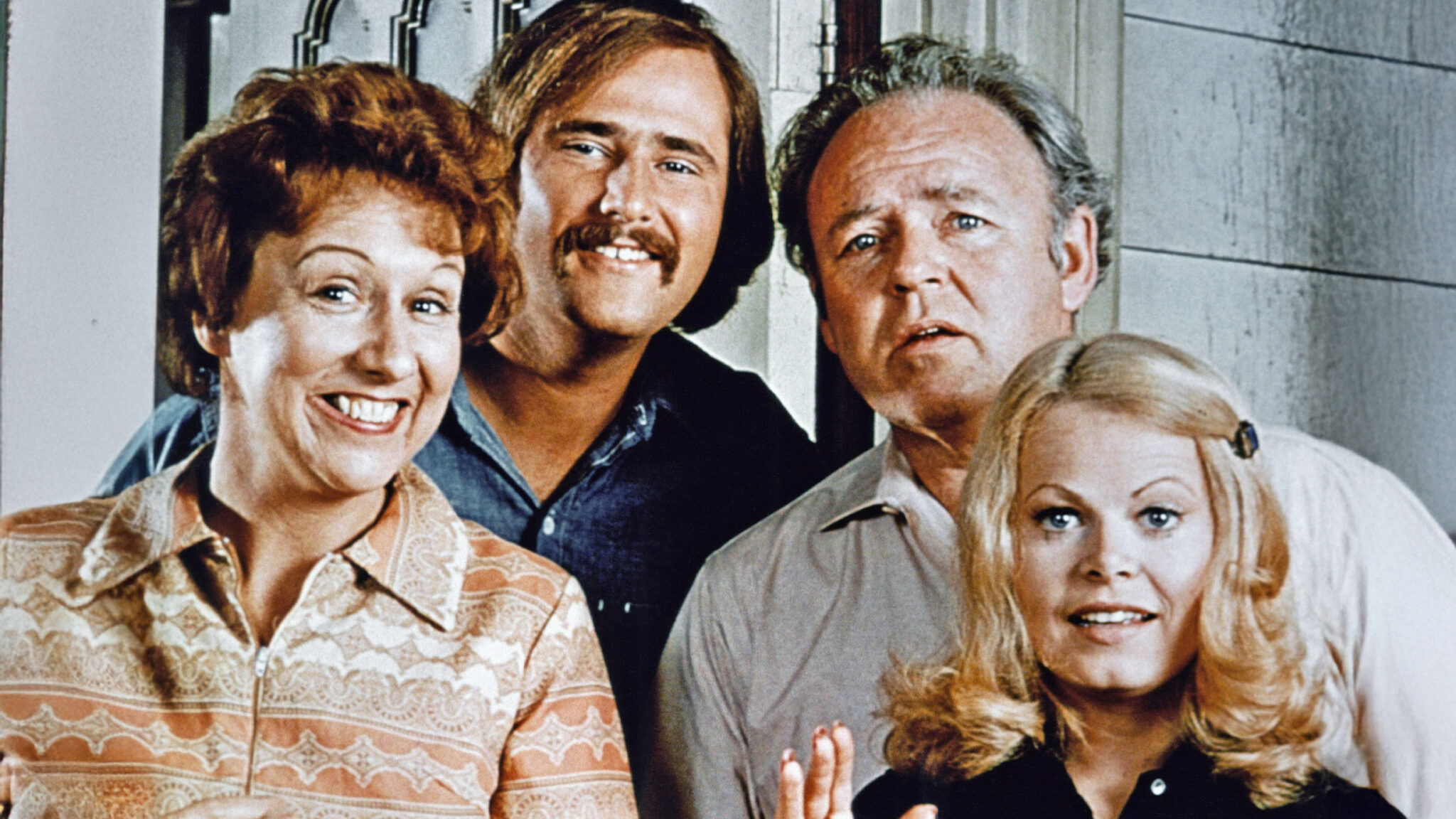
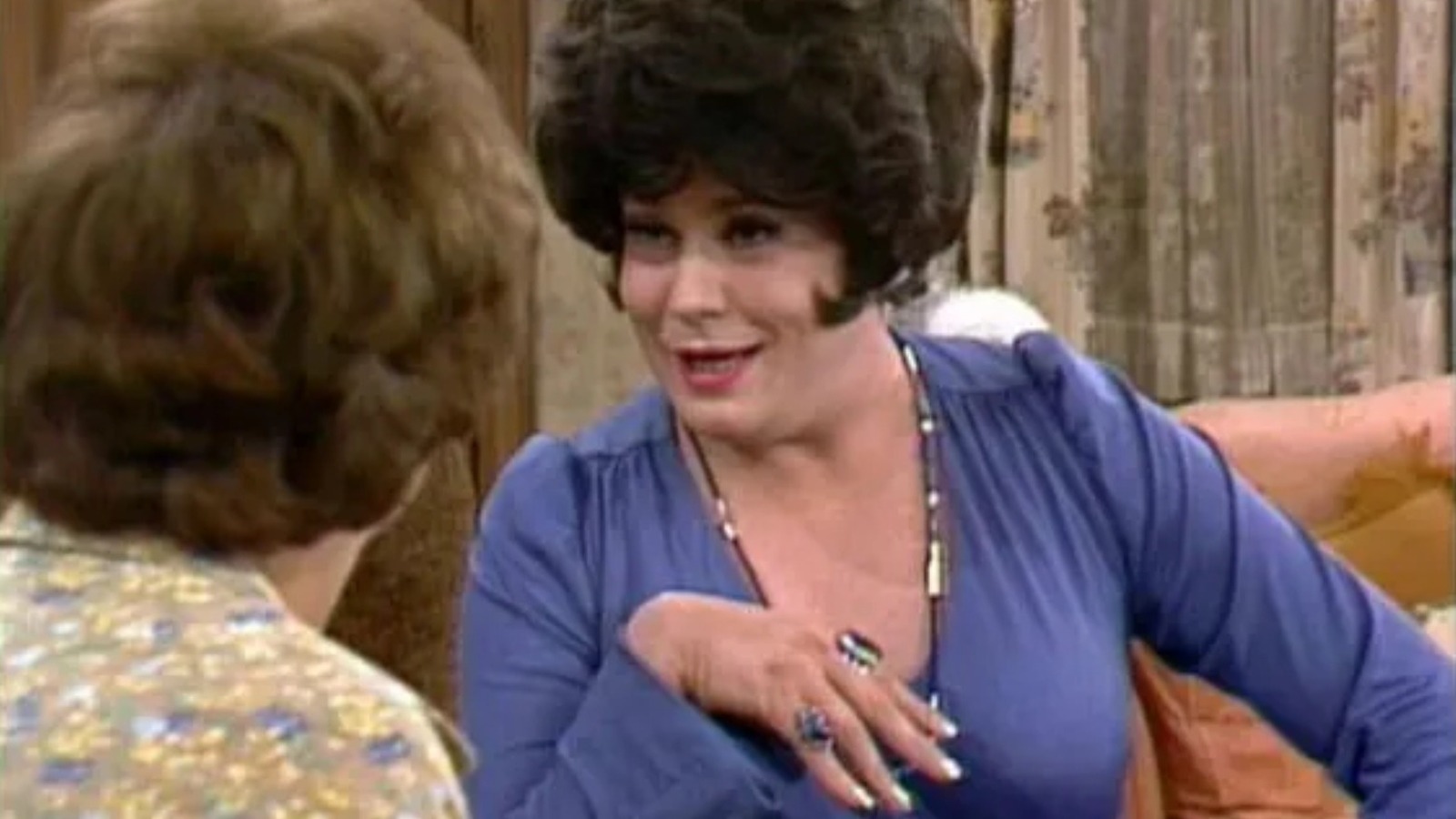
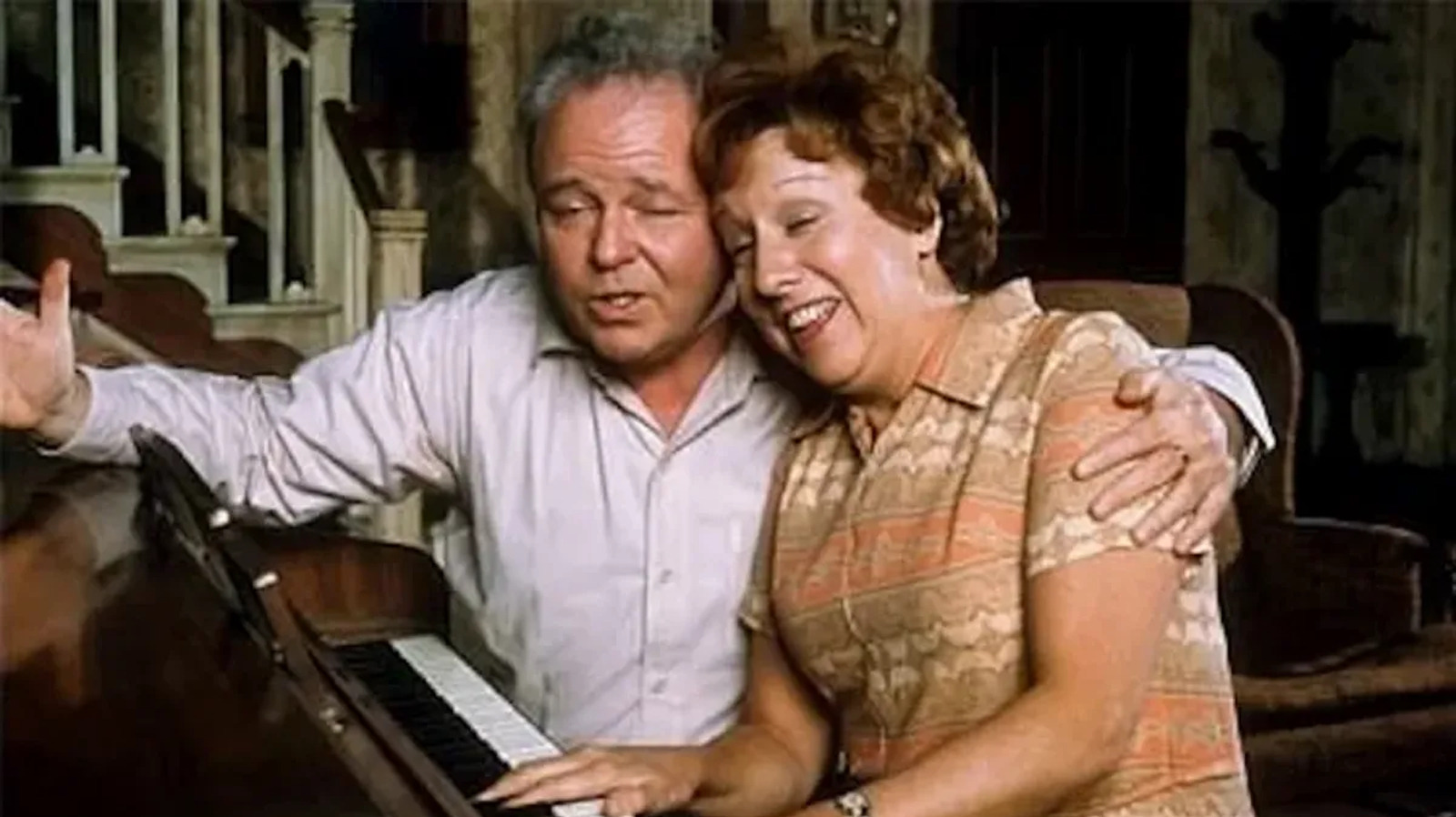
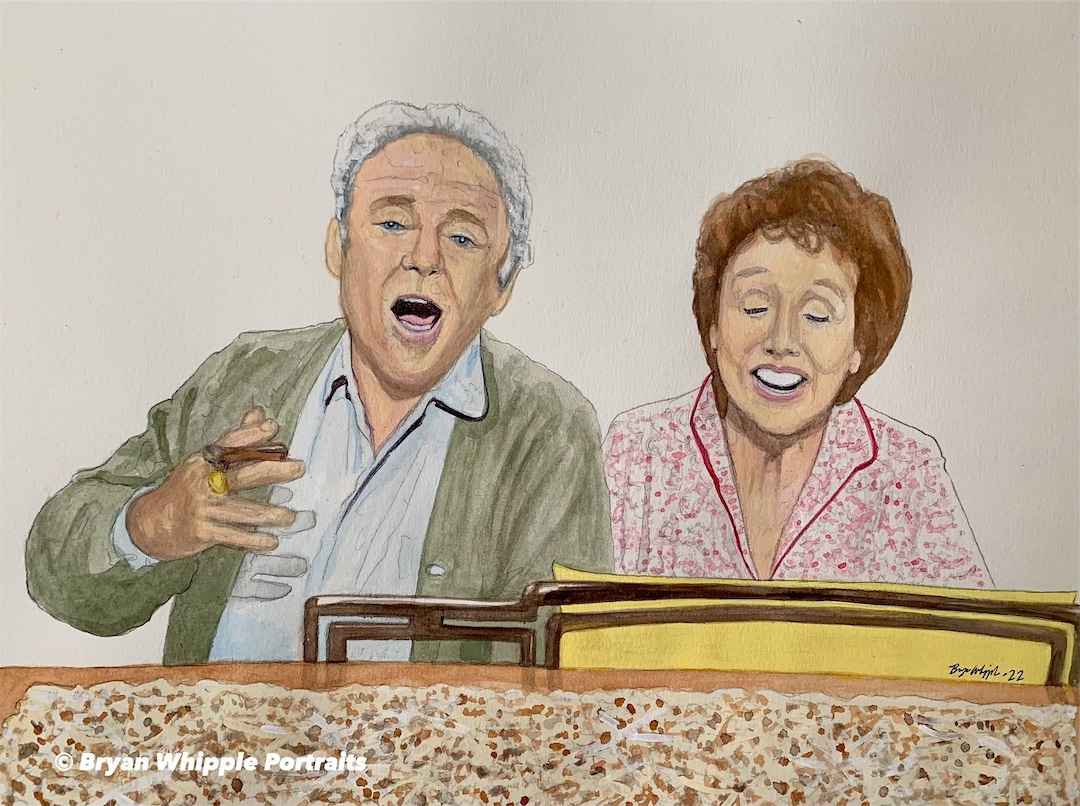
Edith Bunker, the beloved matriarch of All in the Family, died off-screen in the 1980 Season 2 premiere of the spin-off series Archie Bunker’s Place. Her death, caused by a stroke in her sleep, was written into the script after actress Jean Stapleton chose to leave the role, resulting in one of the most poignant explorations of grief in television history.
For nearly a decade, Edith Bunker served as the moral compass of 704 Hauser Street. While her husband Archie was defined by his prejudices and loud-mouthed opinions, Edith was defined by her empathy, patience, and unwavering kindness. As we look back from the vantage point of 2026, the legacy of Edith Bunker remains a cornerstone of American cultural history, representing a bridge between traditional values and a rapidly changing social landscape.
The Cultural Significance of Edith Bunker
Edith Bunker was often dismissively referred to by her husband as a "dingbat," but audiences quickly realized she was the smartest person in the room. Her intelligence was not academic; it was emotional. In an era where television characters were often one-dimensional, Edith was a complex portrait of a working-class woman navigating the turbulent 1970s.
Her role in All in the Family (1971–1979) was to provide the "soft" power that balanced Archie’s aggressive bigotry. While Archie shouted, Edith listened. While Archie judged, Edith sought to understand. This dynamic allowed the show to tackle heavy subjects—racism, sexism, breast cancer, and sexual assault—without becoming a purely political lecture. Edith’s reactions were the audience's barometer for morality.
By the time the series transitioned into Archie Bunker’s Place in 1979, the landscape of television was shifting. The focus moved from the Bunker household to Archie’s tavern, but Edith remained the heart of the narrative. However, behind the scenes, Jean Stapleton felt she had explored every facet of the character and was ready to pursue other creative endeavors.
The Decision to Kill a Legend
The decision to have Edith die was not taken lightly by creator Norman Lear or the show's writing staff. Initially, when Stapleton announced her departure, there was talk of Archie and Edith divorcing or Edith simply being "away" visiting her daughter Gloria. However, both Lear and Carroll O'Connor (Archie) felt that Edith would never leave Archie, nor would Archie ever leave her. The only way to realistically explain her absence was through death.
Jean Stapleton herself was instrumental in this decision. She famously stated that she didn't want the character "lingering" or being recast. She believed that a definitive end for Edith would provide the most dramatic weight for Archie’s character development. Consequently, the writers chose a sudden, peaceful death—a stroke in her sleep—to spare the audience a grueling "illness of the week" plotline while maximizing the shock of the loss.
"Archie Alone": Television’s Masterclass in Grief
The Season 2 premiere of Archie Bunker’s Place, titled "Archie Alone," aired on November 2, 1980. It is widely regarded as one of the most powerful hours of television ever produced. The episode does not begin with a funeral; instead, it picks up a month after Edith’s passing, finding Archie in a state of deep, frozen denial.
The episode's structure is a deliberate departure from the standard sitcom format. There is very little "comedy" in the traditional sense. Instead, the narrative follows Archie as he struggles to maintain his usual bluster while his home—and his heart—have been hollowed out. His friends and family try to comfort him, but Archie pushes them away, unable to process the magnitude of losing the woman who was his entire world.
The climax of the episode is the famous "slipper scene." Archie, finally alone in their bedroom, finds one of Edith’s pink slippers tucked under the bed. As he holds the object, the weight of his reality finally crashes down. Carroll O'Connor’s performance in this moment—sobbing into the slipper while whispering, "It wasn't supposed to be this way"—remains a devastating portrayal of widowerhood. It humanized Archie in a way that years of political arguing never could.
The Evolution of Edith: From Foil to Feminist Icon
While Edith started as a foil for Archie’s rants, she grew significantly over the series' lifespan. Remembering her legacy requires acknowledging how she became an accidental feminist icon for a generation of housewives.
- Edith’s 50th Birthday: This episode highlighted her strength when she faced an attempted sexual assault. Her resilience and her refusal to let the event break her spirit showed a side of the character that was far from a "dingbat."
- The Breast Cancer Scare: Edith’s struggle with a potential breast cancer diagnosis brought a taboo subject into living rooms across America, encouraging real-life conversations about women's health.
- Standing Up to Archie: Over time, Edith began to push back against Archie’s orders. She started volunteering at a sunshine home and taking on roles outside the house, asserting her independence while maintaining her devotion to her marriage.
Character Comparison: The Bunker Dynamic
| Feature | Archie Bunker | Edith Bunker |
|---|---|---|
| Primary Trait | Defensive/Aggressive | Empathetic/Patient |
| Worldview | Change-resistant, Traditionalist | Open-minded, Human-centric |
| Communication Style | Shouting and Insults | Gentle questioning and "Stories" |
| Role in the Series | The Conflict | The Resolution/Conscience |
| Post-1980 Status | Struggling Widower | Cultural Memory/Legacy |
Why the Death Was Off-Screen
A common question among modern viewers is why such a major character was killed off-screen. In the 1980s, this was a strategic choice to focus the narrative on the impact of the loss rather than the event of the death. By not showing the funeral or the moment of death, the show forced the audience to experience the same sudden emptiness that Archie felt.
This technique also respected the character of Edith. She was a private, modest woman, and the writers felt that showing her in a state of medical distress wouldn't fit the dignity of her character. By having her pass away in her sleep, the show maintained the "peace" that Edith had spent her life trying to create for others.
The Long-Term Impact on Television
The death of Edith Bunker changed how sitcoms handled reality. Before All in the Family, sitcoms were largely "reset" at the end of every 30 minutes. Conflicts were resolved, and characters rarely changed. Edith’s death proved that a comedy could handle the most profound of human tragedies without losing its identity.
Shows that followed, from Cheers to Roseanne and even modern dramedies, owe a debt to the way Archie Bunker’s Place handled the loss of its co-lead. It validated the idea that the audience's emotional investment in a character is real, and that losing that character should be treated with the same weight as a real-life bereavement.
In 2026, we see this legacy in how media handles "legacy sequels" and reboots. There is a greater emphasis on the continuity of life and death, largely pioneered by the Bunkers' transition from 1970s satire to 1980s realism.
Jean Stapleton’s Reflection on the Role
In later years, Jean Stapleton was often asked if she regretted leaving the show before its final conclusion. She consistently maintained that her choice was correct. She felt that Edith was a "complete" character. Stapleton went on to have a distinguished career in theater and other television projects, but she always spoke of Edith with immense affection.
She recognized that Edith wasn't just a character but a symbol. "Edith is the person we all want to be," Stapleton once remarked. "She was the person who could look at a monster and see the lonely man inside." This ability to find the humanity in the "deplorable" is perhaps the most vital part of the legacy she left behind.
Frequently Asked Questions
Which episode did Edith Bunker die in?
Edith Bunker’s death is discussed and processed in the Season 2 premiere of Archie Bunker’s Place, titled "Archie Alone" (aired November 2, 1980). She died off-screen during the hiatus between Season 1 and Season 2.
What was the cause of Edith Bunker's death?
According to the script in "Archie Alone," Edith died of a stroke in her sleep. Archie mentions that he had tried to wake her up to go to church, only to find she had already passed away peacefully.
Why did Jean Stapleton leave the show?
Jean Stapleton felt that she had "nothing more to bring" to the character after playing Edith for nearly ten years. She wanted to return to the theater and pursue other roles to avoid being typecast forever as the "dingbat."
Did Archie Bunker ever remarry after Edith's death?
While Archie had several romantic interests in later seasons of Archie Bunker's Place, most notably with characters like Katherine Montgomery, he never fully replaced Edith. The show ended in 1983 with Archie still primarily defined by his status as a widower.
How did the audience react to Edith's death in 1980?
The reaction was one of national mourning. Edith Bunker was one of the most beloved figures on television, and her death felt like a personal loss to millions of viewers. The episode "Archie Alone" received critical acclaim for its sensitive handling of the subject.
A Lasting Lesson in Empathy
The most enduring part of remembering Edith Bunker is the lesson of radical empathy. In a polarized society, Edith represents the possibility of love existing despite deep ideological divides. She loved Archie not because she agreed with him, but because she saw his vulnerability.
For those revisiting the series in 2026, Edith’s death serves as a reminder of the fragility of the "hearts" of our communities. When the "Ediths" of the world are gone, the "Archies" are left to face the world without a filter of kindness. Her legacy challenges us to be that filter for others, proving that even in a world filled with noise and anger, there is always room for a little "stifle" and a lot of heart.