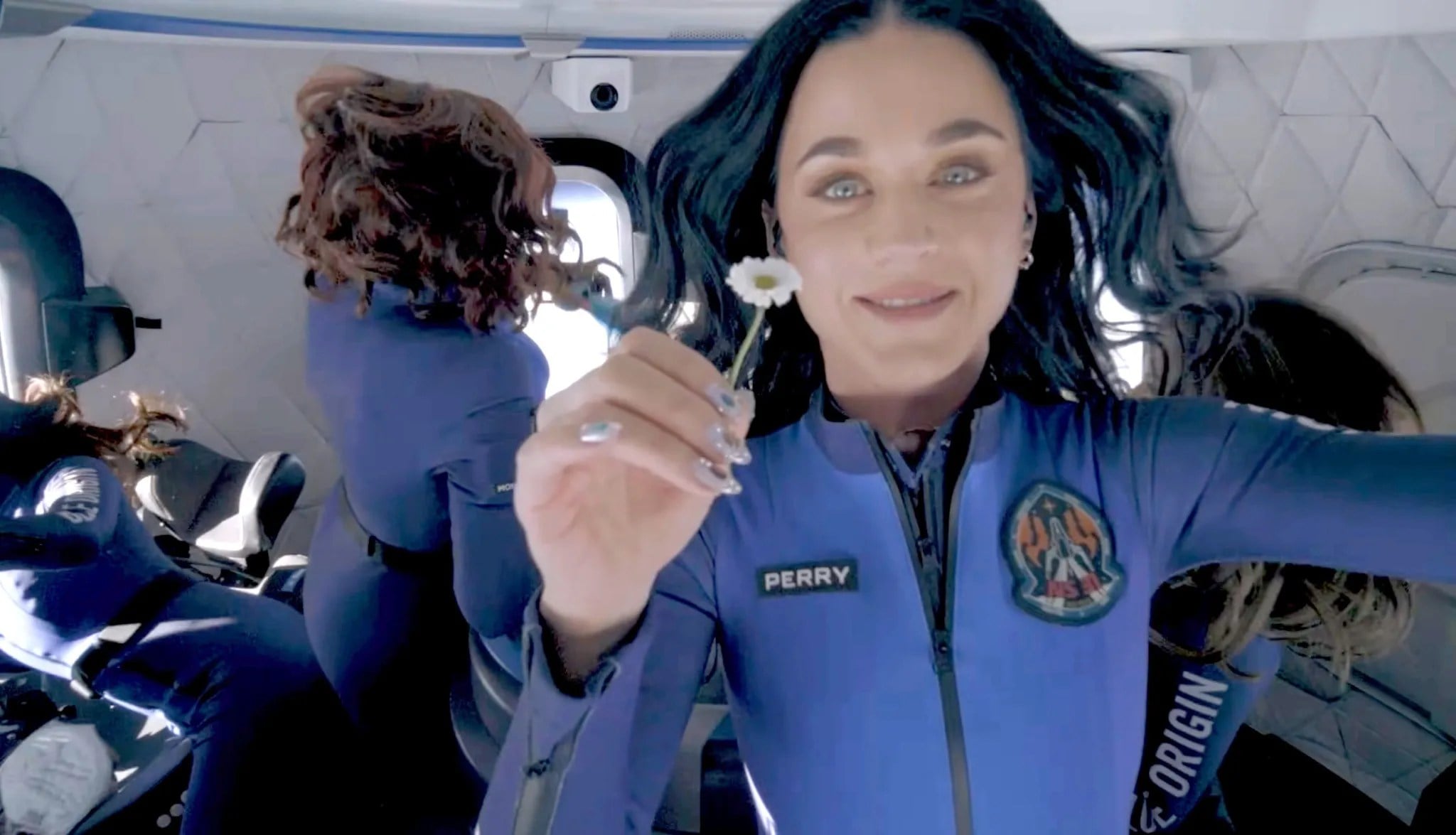
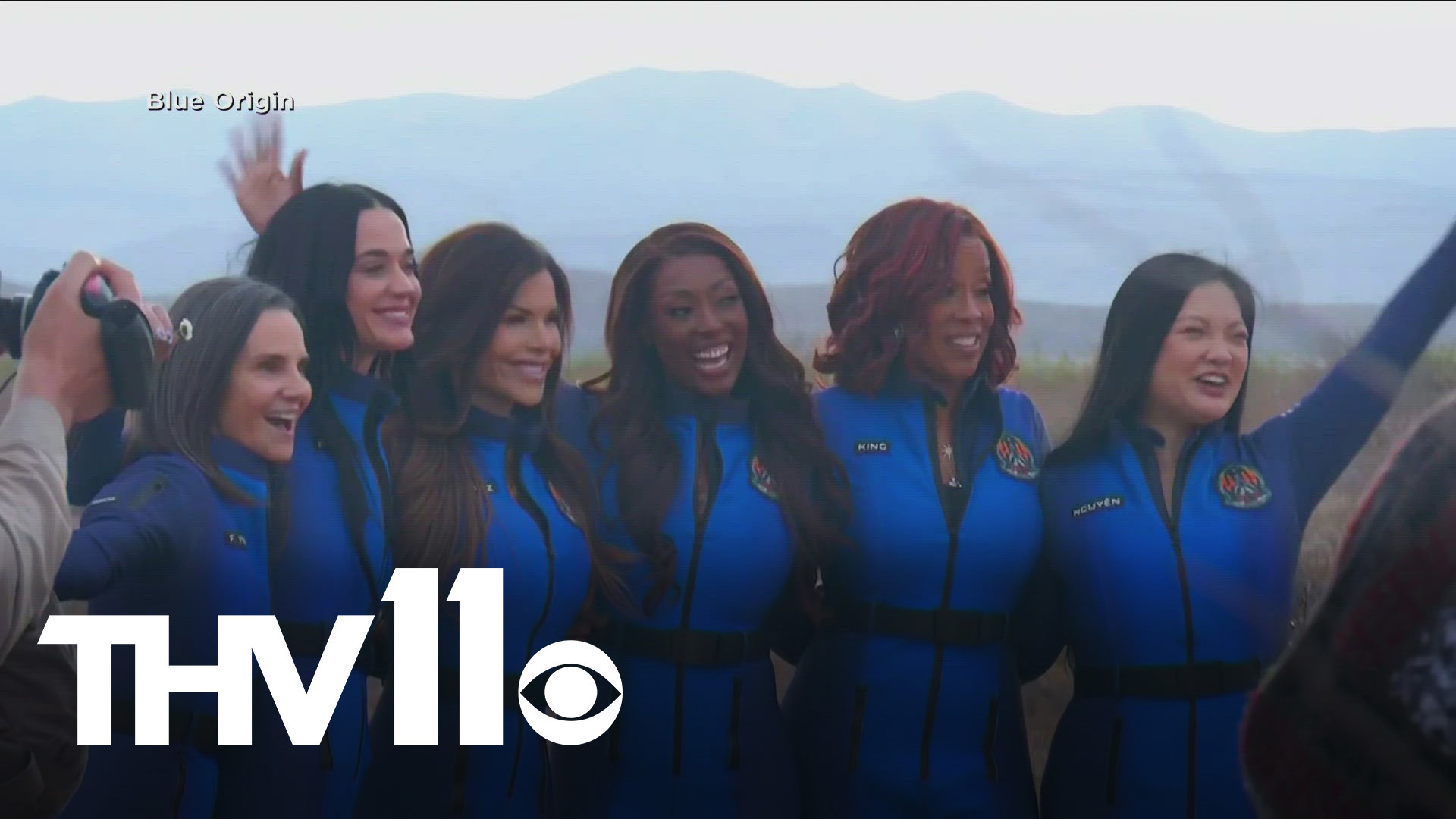
In 2025, the landscape of space exploration shifted from symbolic milestones to operational parity. While no single mission consisted of a strictly 100% all-female roster, the year saw women assume primary command and mission specialist roles across NASA, SpaceX, and international agencies, fundamentally redefining leadership expectations for future lunar and orbital expeditions.
The State of Gender Representation in 2025 Missions
The year 2025 served as a pivotal era for gender diversity in aerospace, moving beyond the "firsts" that characterized the early 2020s into a period of sustained integration. Looking back from 2026, it is clear that 2025 was the year the "Artemis Generation" truly took flight. The emphasis shifted from the novelty of female participation to the necessity of diverse perspectives in solving the complex problems of long-duration spaceflight. This transition was driven by two major factors: the maturation of the Artemis program and the aggressive expansion of the commercial space sector through Axiom Space and SpaceX.
During this period, the international space community focused heavily on the physiological and psychological advantages that varied crew compositions bring to deep-space missions. Research published throughout 2025 indicated that female-led or gender-balanced crews often displayed high levels of communication efficiency and collaborative problem-solving—traits essential for the 240,000-mile journey to the Moon. Consequently, the mission teams of 2025 were selected not just for individual technical prowess, but for the synergistic benefits of a more inclusive astronaut corps.
The "all-female" narrative in 2025 was most visible in the specialized training segments and sub-orbital tests conducted by private entities. These missions served as a blueprint for the eventual goal of a fully all-female lunar mission, testing everything from social dynamics to the performance of female-centric medical monitoring systems in microgravity.
Key Missions and Female Leadership Teams
Several high-profile missions defined the 2025 calendar, each featuring women in roles of unprecedented authority. These teams were responsible for some of the most complex orbital maneuvers and scientific research protocols ever attempted.
Artemis II: The Lunar Pathfinders
The most anticipated mission of 2025 was NASA’s Artemis II. While the four-person crew was mixed-gender, Mission Specialist Christina Koch became the definitive face of female achievement in 2025. Koch, who already held the record for the longest single spaceflight by a woman, was tasked with critical systems operations as the Orion spacecraft performed a lunar flyby. Her role was not merely technical; she was responsible for validating the life-support systems that would eventually sustain the first woman on the lunar surface during Artemis III. Her leadership during the 10-day mission provided the essential data needed to finalize lunar landing protocols.
Axiom-4 and Private Sector Command
Commercial spaceflight in 2025 was largely defined by Axiom Space. The Axiom-4 mission, commanded by veteran astronaut Peggy Whitson, demonstrated the power of experienced female leadership in the private sector. Whitson, the first woman to command the International Space Station (ISS) twice, utilized 2025 to mentor a new generation of commercial astronauts. The Axiom-4 team focused on biomedical research, specifically examining how microgravity affects female reproductive health and bone density—data points that had been under-researched for decades.
International Contributions: Shenzhou and Beyond
The China Manned Space Agency (CMSA) also contributed to the 2025 gender landscape. Throughout the year, female taikonauts remained a constant presence aboard the Tiangong Space Station. These teams were instrumental in testing long-term habitation modules. The presence of women like Wang Yaping and her successors in the 2025 crews underscored that female leadership in space is a global standard, rather than a regional trend.
Physiological and Technical Milestones for Women in Space
One of the most significant "expectations" realized in 2025 was the deployment of hardware specifically engineered for female physiology. For decades, female astronauts adapted to equipment designed for male anthropometrics. In 2025, this paradigm finally shifted.
Axiom Extravehicular Mobility Unit (AxEMU): The lunar spacesuits used for training and initial deployments in 2025 were a breakthrough. Developed by Axiom Space in collaboration with NASA, these suits featured a modular design that accommodated a much wider range of body sizes. In 2025, female crew members reported significantly higher mobility and lower fatigue during extravehicular activity (EVA) simulations compared to previous years. The suit’s enhanced joint flexibility and custom-fit sizing were critical for the technical tasks required in lunar environments.
Medical Research and Data Collection: 2025 marked a surge in sex-specific medical data. Research teams focused on "The Female Astronaut Health Initiative," which tracked hormonal changes, cardiovascular response, and radiation sensitivity. Because 2025 missions were often longer or reached higher altitudes, this data became the gold standard for drafting safety protocols for future Mars missions. We now understand that women may actually have certain metabolic advantages in space, such as lower calorie requirements and potentially different inflammatory responses to microgravity.
Private Sector Contributions: SpaceX and Polaris Developments
SpaceX played a secondary but vital role in the 2025 landscape through the continuation of the Polaris Program and the Fram2 mission. While Fram2 was the first human spaceflight mission to explore the Earth from a polar orbit, its crew composition highlighted the importance of female technical leads.
Jannicke Mikkelsen, the commander of the Fram2 mission, represented a new era of "explorer-astronauts." Her leadership in 2025 focused on utilizing high-latitude orbits to study the Van Allen radiation belts and the Earth's magnetic field. This mission was particularly notable because it showcased women leading in the "frontier" aspects of space—not just as part of established government programs, but as commanders of independent, high-risk exploratory ventures.
The expectations for these private missions in 2025 were centered on "democratizing" access. By including more women in high-stakes roles, SpaceX and its partners proved that the rigorous physical standards of spaceflight could be met by a diverse talent pool, provided that the training and equipment were inclusive.
Summary of Major Female Milestones in 2025 Missions
The following table outlines the key missions and the specific roles held by women that defined the 2025 aerospace sector.
| Mission Name | Key Female Leaders | Primary Role | Major 2025 Milestone |
|---|---|---|---|
| Artemis II | Christina Koch | Mission Specialist | First woman to fly to the vicinity of the Moon. |
| Axiom-4 | Peggy Whitson | Commander | Leadership of the fourth private mission to the ISS. |
| Fram2 | Jannicke Mikkelsen | Commander | First female commander of a polar orbit mission. |
| Shenzhou-20 | Various (CMSA) | Taikonaut Leads | Sustained female presence in the Tiangong Station. |
| ISS Expedition 73 | International Crew | Flight Engineers | Record-breaking cumulative time for women in orbit. |
What to Expect: The Path to an All-Female Lunar Mission
As we look toward the late 2020s, the events of 2025 have set a clear trajectory. The "expectation" is no longer about whether an all-female crew is possible, but when it becomes the most efficient choice for a specific mission profile.
- Normalization of Female Commanders: In 2025, it became standard for at least 40-50% of any given astronaut class or mission team to be female. This normalization is the prerequisite for an all-female mission.
- Specialized EVA Training: Expect more "all-female" spacewalks (EVAs). In 2025, the logistical hurdles—such as suit sizing—were largely resolved, making all-female EVA teams a matter of scheduling rather than a feat of engineering.
- Lunar Surface Operations: The data collected in 2025 regarding female bone density and radiation resistance will dictate how the first women on the Moon (Artemis III and beyond) manage their time on the surface.
- Commercial Innovation: Private companies will likely be the first to launch a 100% all-female crew, potentially as a high-visibility mission to promote STEM education and gender equity in technical fields.
The focus has shifted from the "spectacle" of an all-female crew to the "capability" of these teams. In 2025, the space industry proved that female leaders are not just placeholders in a diversity initiative; they are the architects of the next era of human expansion.
Following Future Developments in Crew Diversity
For those looking to track the progress of these teams as we move into 2026 and 2027, several avenues are available for verified information. Monitoring NASA’s mission manifest remains the primary way to see crew assignments, which are typically announced 12 to 18 months in advance. Additionally, the commercial sector, specifically Axiom Space and SpaceX, often provides real-time updates through their digital press kits.
To stay informed, follow the official "Artemis Progress Reports" released by NASA, which detail the technical contributions of women like Christina Koch and the engineering teams behind the AxEMU suits. Engaging with organizations like "Women in Aerospace" (WIA) can also provide deeper insights into the policy changes and recruitment drives that continue to shape the demographic makeup of space crews. The lessons of 2025 have made one thing certain: the future of space is not just about where we go, but about ensuring that the entire human race is represented in the journey.
FAQ
Was there a 100% all-female space crew in 2025?
No, there was not a 100% all-female crew on a major orbital mission in 2025. Instead, 2025 was characterized by women holding primary leadership positions (Commanders and Mission Specialists) in gender-integrated crews, such as Artemis II and Axiom-4. The industry focused on establishing operational parity rather than launching a single-gender mission.
Who was the most prominent female astronaut in 2025?
Christina Koch was the most prominent figure, serving as a Mission Specialist on the Artemis II mission. Her journey around the Moon marked the furthest any woman has ever traveled from Earth. Additionally, Peggy Whitson remained a major influence as the commander of private Axiom missions, continuing to break records for cumulative time in space.
What technical changes were made for female astronauts in 2025?
The most significant change was the introduction of the Axiom Extravehicular Mobility Unit (AxEMU). Unlike previous spacesuits, these were designed with a modular fit to accommodate smaller frames and different body proportions, significantly improving mobility and safety for female astronauts during spacewalks and lunar simulations.
Why is an all-female space mission significant?
While all-female teams have performed spacewalks, a full all-female crew represents the final removal of structural barriers in astronaut selection and equipment design. It also allows for unique research into group dynamics and female-specific physiological responses to long-term radiation and microgravity, which is essential for future Mars colonization.
How do 2025 mission teams affect future lunar landings?
The teams in 2025 were responsible for testing the life-support, navigation, and EVA systems that will be used for the first female lunar landing. The success of women in these high-stakes roles in 2025 provided the operational "green light" for the ambitious lunar surface schedules planned for 2026 and 2027.