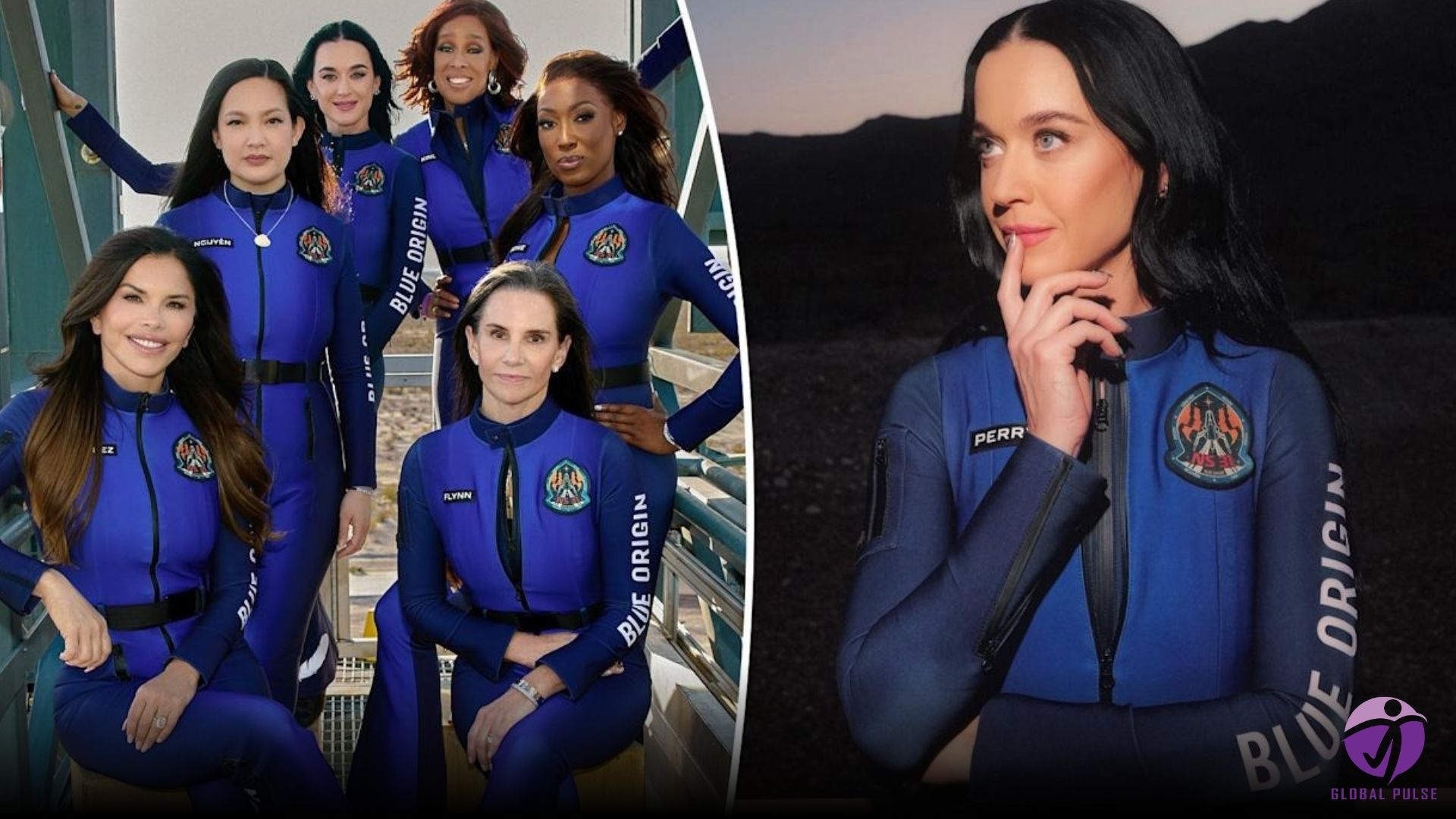
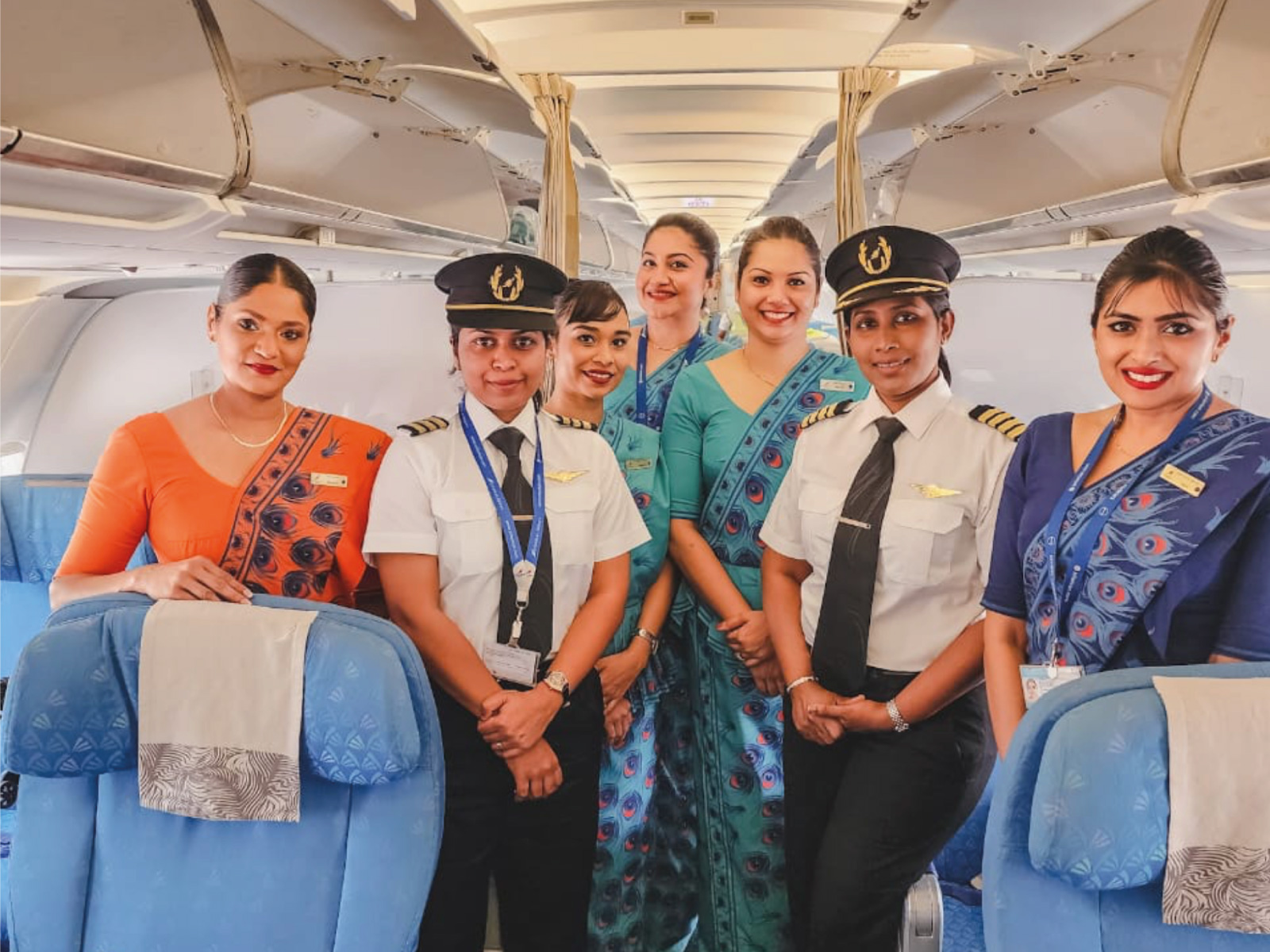
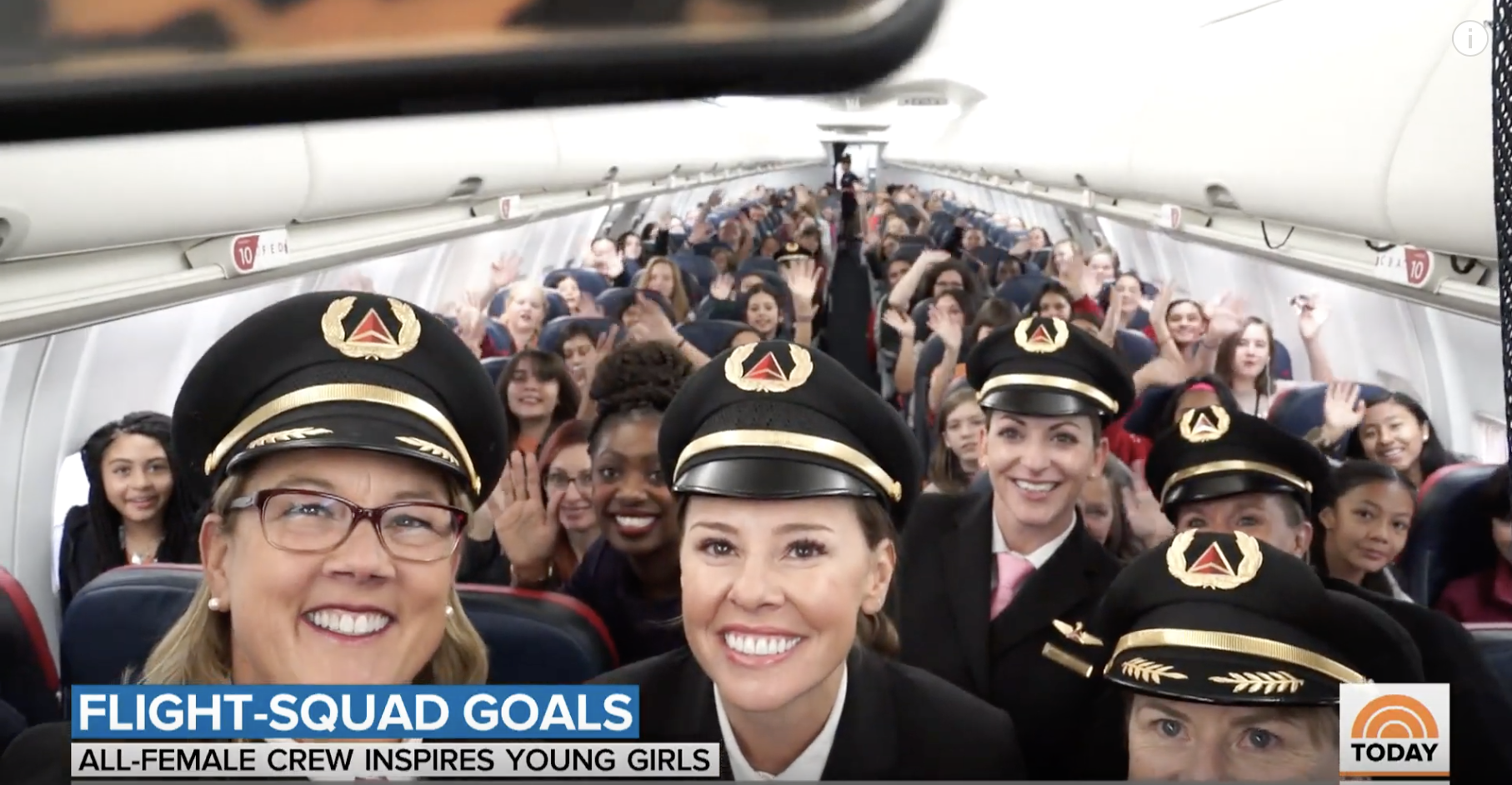
An all-female crew refers to a professional operational team—most commonly in maritime, aviation, space exploration, or technical production—composed entirely of women. By 2026, these teams have transitioned from symbolic milestones to standardized operational configurations, helping to bridge labor shortages, foster mentorship, and normalize female leadership in historically male-dominated technical sectors.
The Historical Context and Shift Toward Normalization
The concept of the all-female crew has evolved significantly over the last several decades. Historically, women were often relegated to support roles or excluded entirely from the "front lines" of technical operations. In the mid-20th century, the presence of women in cockpits or on ship bridges was treated as an anomaly. However, as global industries faced increasing pressure to diversify and address critical talent gaps, the strategic deployment of all-female teams became a powerful tool for cultural change.
By the early 2020s, major milestones began to reshape public perception. In March 2020, for instance, Celebrity Cruises launched the first-ever sailing with an all-female bridge and officer team, led by Captain Kate McCue. This was not merely a PR event but a demonstration of operational capability that challenged the maritime industry’s status quo. In the years following, similar initiatives across aviation and space exploration moved the needle from "one-off" events to sustainable recruitment and retention strategies.
In 2026, the discussion has shifted from the novelty of these crews to their efficacy. Organizations now recognize that all-female crews often exhibit high levels of psychological safety and collaborative problem-solving. This shift is supported by data suggesting that gender-diverse environments, and the visibility of all-female operational units, encourage more women to pursue STEM (Science, Technology, Engineering, and Mathematics) careers, creating a self-sustaining pipeline of talent.
Maritime Sector: Navigating the Seas with Female Leadership
The maritime industry has traditionally been one of the most gender-imbalanced sectors in the world. According to the International Maritime Organization (IMO), women represent only a small fraction of the global seafaring workforce. To combat this, the IMO has championed the "Women in Maritime" program, which provides scholarships and training specifically for female seafarers.
In 2026, all-female crews on commercial vessels, research ships, and cruise liners serve several critical functions:
- Mentorship and Skill Transfer: On a ship with an all-female crew, junior officers have the unique opportunity to learn directly from female seniors, removing the "only one in the room" pressure that many women feel in mixed-gender environments.
- Infrastructure Adaptation: The rise of these crews has forced the industry to update shipboard infrastructure. This includes redesigned personal protective equipment (PPE), improved hygiene facilities, and more inclusive medical protocols that address female-specific health needs.
- Safety and Communication: Research into maritime safety often highlights the importance of "bridge resource management." All-female teams have been noted for flat hierarchical structures that encourage open communication, potentially reducing the risk of human error during complex maneuvers.
Organizations like the International Maritime Organization continue to track the progress of these initiatives, emphasizing that a more diverse workforce is essential for the sustainability of global trade.
Aviation: From Flight Deck to Ground Operations
Aviation has seen a steady increase in all-female flight crews—consisting of pilots, cabin crew, and even ground dispatchers. Airlines such as Air India, Ethiopian Airlines, and United Airlines have led the charge by scheduling regular all-female flights to celebrate various milestones and to prove the robustness of their female pilot pipelines.
As of 2026, the focus has expanded beyond the flight deck. An all-female crew in aviation now frequently includes the maintenance engineers, air traffic controllers, and ramp agents. This holistic approach ensures that the entire operational ecosystem is represented.
The International Air Transport Association (IATA) previously launched the "25by2025" initiative, which aimed to increase the number of women in senior and under-represented roles by 25% or up to a minimum of 25% by 2025. In our current 2026 landscape, we are seeing the long-term results of this initiative. Airlines that met these targets now utilize all-female crews as a standard part of their scheduling, particularly in regions where cultural barriers to female employment were previously high.
Space Exploration and Technical Scientific Research
In the realm of space exploration, the all-female crew represents the pinnacle of technical achievement. The 2019 all-female spacewalk by NASA astronauts Christina Koch and Jessica Meir was a watershed moment. By 2026, as the Artemis program continues to advance lunar exploration, the inclusion of all-female teams in mission simulations and extravehicular activities (EVAs) has become a vital component of mission planning.
In scientific research, particularly in isolated environments like Antarctica, all-female crews have been utilized to study team dynamics and performance. These crews often report different conflict-resolution styles compared to traditional male-dominated or mixed teams. The data collected from these missions is used to inform long-duration spaceflight, where psychological resilience and group cohesion are paramount.
Comparison of All-Female Crew Milestones and Impacts
| Industry | Key Milestone (Reference) | Primary Operational Benefit | Current 2026 Status |
|---|---|---|---|
| Maritime | Celebrity Edge All-Female Bridge (2020) | Enhanced communication & mentorship | Standardized recruitment in cruise/research |
| Aviation | IATA 25by2025 Targets | Diversity of thought & talent pipeline | Normalization across major global carriers |
| Space | First All-Female Spacewalk (2019) | Psychological safety & suit ergonomics | Regular inclusion in mission simulations |
| Film/Media | All-Female Production Sets | Shift in narrative perspective | Common in indie and documentary sectors |
Operational Benefits and Team Dynamics
The decision to deploy an all-female crew is often backed by organizational psychology. While technical competence is gender-neutral, the environment in which that competence is applied can vary.
- Psychological Safety: Members of all-female crews frequently report a higher degree of psychological safety. This refers to the belief that one will not be punished or humiliated for speaking up with ideas, questions, concerns, or mistakes. In high-stakes environments like a cockpit or an engine room, this openness is a critical safety feature.
- Breaking the "Glass Cliff": Historically, women were often put into leadership roles only during times of crisis (the glass cliff). Permanent all-female crews provide a stable platform for leadership, allowing women to succeed in both routine and high-pressure scenarios without the added burden of being "the first."
- Ergonomics and Equipment: The presence of all-female crews has accelerated the development of equipment designed for female physiology. From flight suits to safety harnesses and specialized tools, the industry is finally moving away from the "one size fits all (men)" approach.
Training and Requirements for All-Female Crew Initiatives
To be part of an all-female crew, the technical requirements remain identical to any other professional team. There is no "lowering of the bar"; rather, there is an "opening of the door."
- Certification and Licensing: Whether it is an ATPL (Airline Transport Pilot License) or a Master Mariner certificate, the regulatory requirements are set by international bodies like the FAA or the IMO.
- Specialized STEM Education: Most crew members hold degrees in engineering, aeronautics, or maritime science. Organizations often provide bridge programs for women transitioning from other technical fields.
- Leadership Training: Many all-female crew initiatives include specific modules on "Inclusive Leadership" to ensure that the hierarchical structure remains functional and supportive.
For those interested in joining such teams, organizations like Women in Aviation International (WAI) and the Women’s International Shipping & Trading Association (WISTA) provide essential networking, scholarships, and job boards.
FAQ
What is the primary purpose of an all-female crew?
The primary purpose is to demonstrate professional capability, foster mentorship, and address gender imbalances in technical industries. While these crews often start as symbolic initiatives, their long-term goal is to normalize the presence of women in leadership and technical roles, ensuring that gender is no longer a barrier to entry or advancement.
Are all-female crews less capable than mixed-gender crews?
No. All members of an all-female crew must meet the same rigorous certification, training, and licensing requirements as any other professional in their field. Performance data across maritime and aviation sectors indicates that all-female crews perform at or above industry standards for safety and operational efficiency.
Does the use of all-female crews exclude men unfairly?
The use of all-female crews is typically a strategic, time-limited, or mission-specific initiative designed to correct historical under-representation. In the broader context of 2026, these crews coexist within a global workforce that is still predominantly male or mixed-gender, serving as a necessary tool for diversity and recruitment.
How do all-female crews impact workplace culture?
They tend to improve psychological safety and encourage more collaborative communication styles. They also highlight the need for inclusive equipment and facilities, which eventually benefits the entire workforce by promoting ergonomic and health standards that were previously overlooked.
Where can I find opportunities to join an all-female crew?
Opportunities are usually found through corporate diversity initiatives at major airlines, cruise lines, and research institutions. Professional organizations such as WAI, WISTA, and the Society of Women Engineers (SWE) are excellent resources for finding companies that actively support and deploy all-female operational teams.
Moving Toward an Inclusive Operational Future
As we look beyond 2026, the ultimate success of the all-female crew initiative will be measured by its obsolescence. The goal is a future where the gender composition of a crew is no longer a headline-worthy event because women are represented at every level of every technical industry in proportion to the population.
For organizations looking to implement these initiatives, the focus should remain on long-term sustainability rather than short-term optics. This involves investing in female-focused scholarships, ensuring that workplace facilities are inclusive, and providing clear pathways for career progression. For aspiring professionals, the message is clear: the technical and operational landscape has evolved, and the "all-female crew" is a testament to the fact that competence knows no gender.