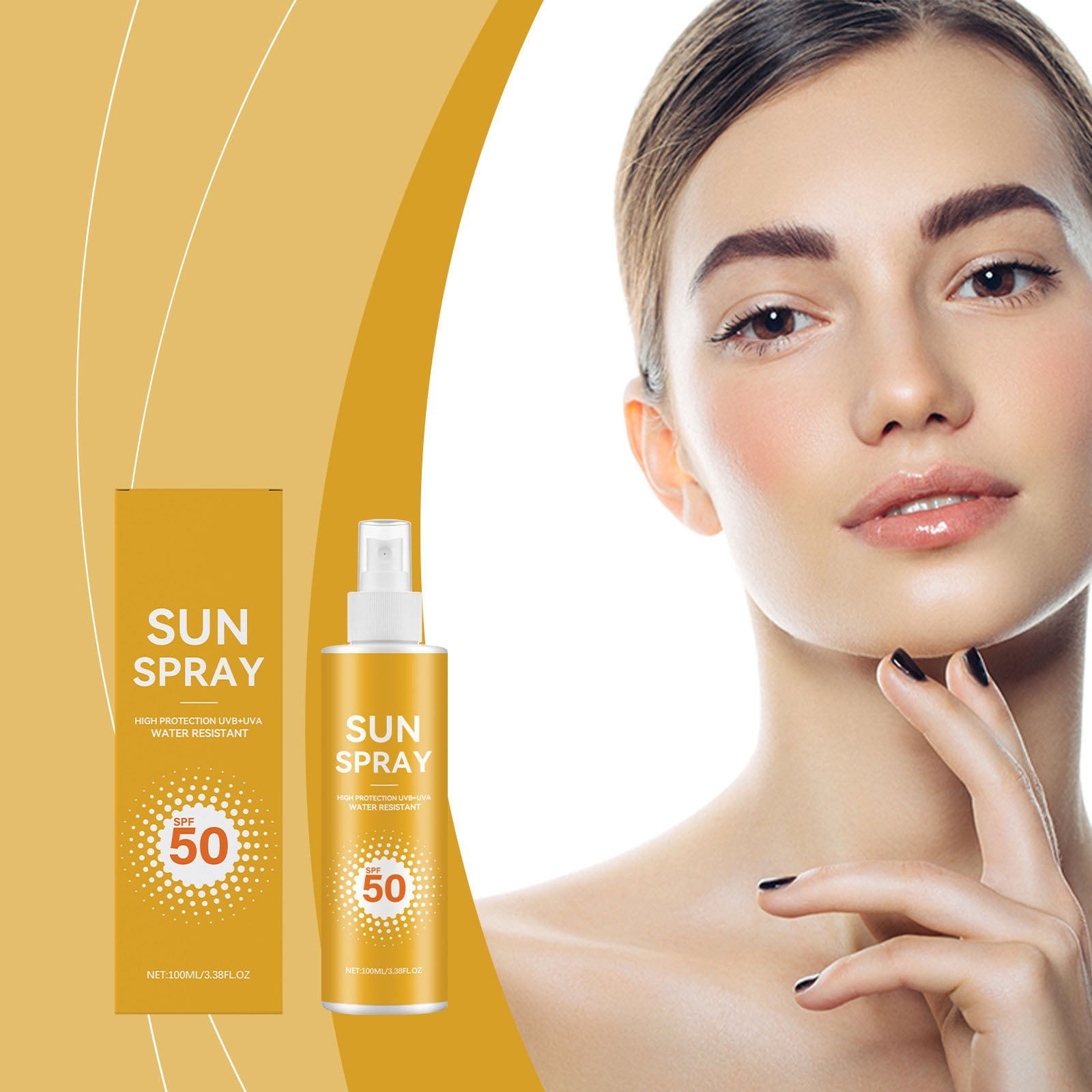
Finding an all day sunscreen for face that offers reliable, lightweight, and non-greasy sun protection is crucial for daily skin health, preventing premature aging, and minimizing UV-induced damage without clogging pores or causing a heavy, shiny residue.
Daily ultraviolet (UV) radiation exposure is the single leading environmental factor responsible for premature skin aging, hyperpigmentation, and the development of skin malignancies. Integrating an all day sunscreen for face that maintains a lightweight, non-greasy finish encourages consistent, year-round compliance. Traditional heavy creams often cause breakouts, disrupt makeup application, and leave an undesirable white cast or oily sheen. Modern formulation chemistry, however, has transformed facial sun protection into an elegant, weightless experience. Understanding how to select, apply, and maintain an all day sunscreen for face ensures that your skin remains shielded against both UVA and UVB rays without compromising cosmetic comfort or skin breathability.
Understanding the Core Demands of Facial Sun Protection
Facial skin features a higher concentration of sebaceous glands compared to the body, making it uniquely susceptible to congestion, excessive oil production, and irritation from heavy cosmetic formulations. When evaluating a sunscreen intended for all-day facial wear, the balance between high-level photoprotection and elegant cosmetic texture becomes paramount. Broad-spectrum protection is non-negotiable, meaning the product must defend against both UVB rays, which cause sunburns, and UVA rays, which penetrate deep into the dermis, accelerating collagen degradation and wrinkle formation.
Achieving a lightweight and non-greasy finish requires advanced vehicle systems in formulation chemistry. Modern brands utilize volatile silicones, silica powders, and water-light emulsions that evaporate or dry down rapidly upon contact with the skin. These ingredients form an even, breathable polymer matrix over the stratum corneum without trapping heat or sebum underneath. Furthermore, non-comedogenic testing ensures that the product will not clog pores, a critical requirement for individuals prone to acne vulgaris, rosacea, or perioral dermatitis.
Decoding SPF, Broad-Spectrum Ratings, and Modern Filters
Navigating sunscreen labels requires an understanding of standardized metrics. The Sun Protection Factor (SPF) rating specifically measures a sunscreen's ability to block UVB rays from causing skin reddening, relative to unprotected skin. An SPF 30 blocks approximately 97 percent of UVB rays, while an SPF 50 blocks roughly 98 percent. Dermatological organizations, including the Skin Cancer Foundation and the American Academy of Dermatology, recommend a daily minimum of SPF 30 for adequate defense.
Broad-spectrum certification requires passing standardized testing to prove that UVA protection is proportional to the labeled UVB protection. To achieve this without heaviness, formulators combine chemical (organic) and physical (mineral) filters:
- Chemical Filters: Ingredients like avobenzone, octisalate, octocrylene, and modern photostable agents such as bemotrizinol (Tinosorb S) absorb UV radiation and convert it into harmless thermal energy. They blend invisibly and are inherently lightweight.
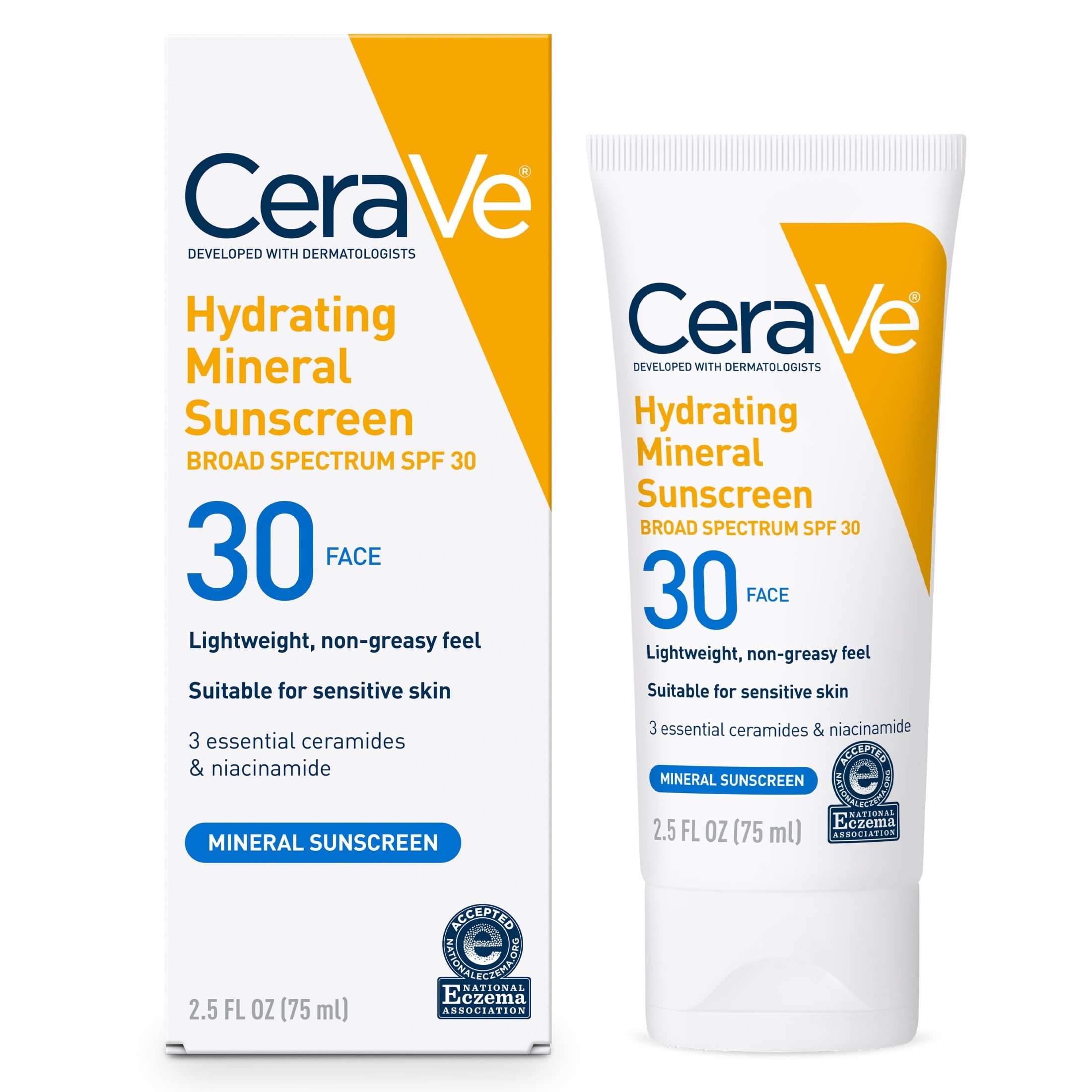
- Physical Filters: Micronized zinc oxide and titanium dioxide reflect and scatter UV rays. While older formulations left a stark white cast and heavy texture, advanced micronization and coating technologies allow mineral sunscreens to feel remarkably fluid and non-greasy.
Comparing Daily Facial Sunscreen Formulations
Choosing the right vehicle for your skin type ensures that lightweight, non-greasy protection translates into a comfortable daily routine. The following comparison outlines the primary vehicle types available for facial wear.
| Formulation Type | Ideal Skin Type | Texture & Finish | Key Advantages | Potential Limitations |
|---|---|---|---|---|
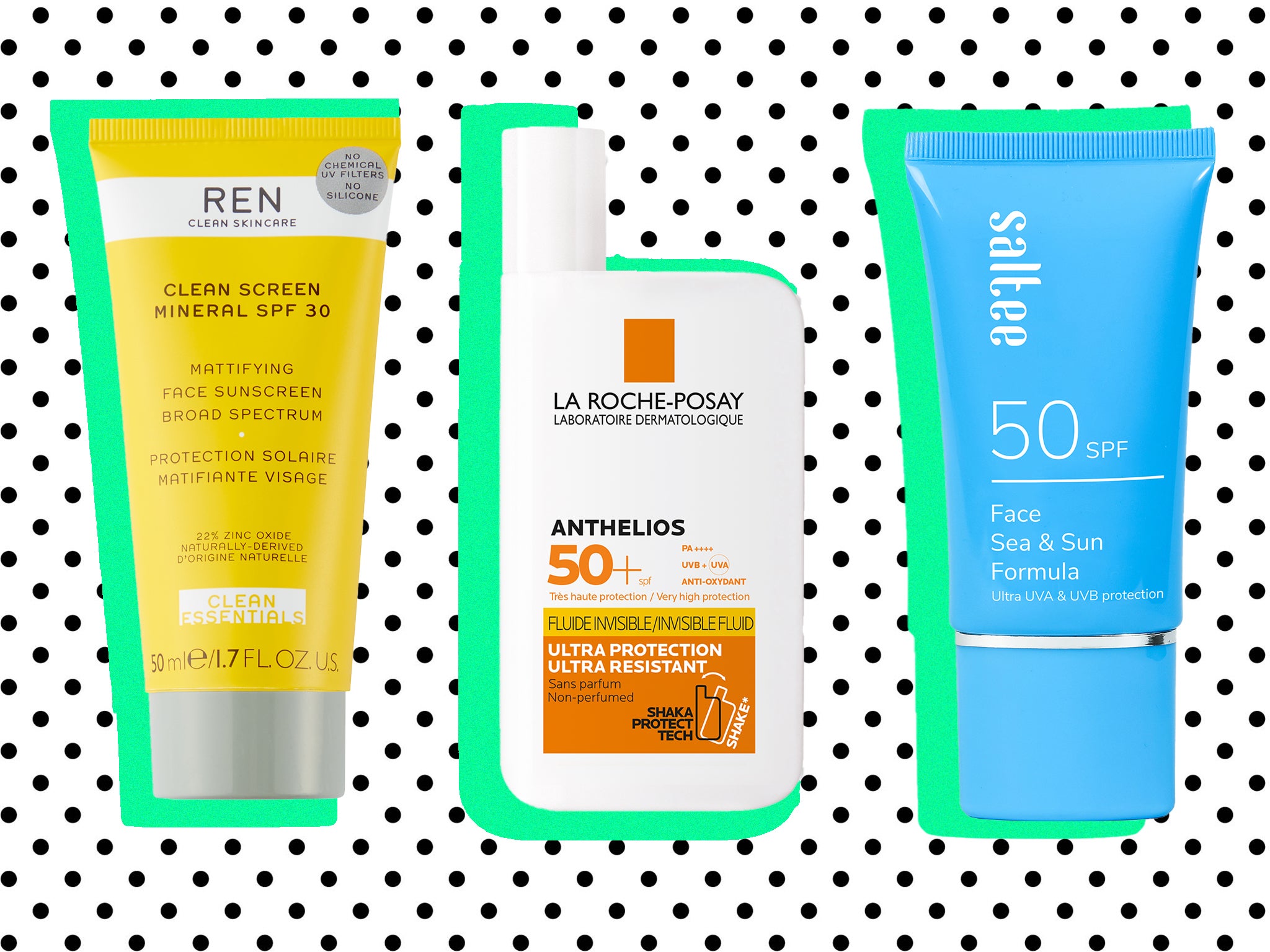
| Fluid / Milk Essence | Oily, Combination, Acne-Prone | Water-like, ultra-fluid, matte to natural finish | Absorbs instantly, layers invisibly under makeup, zero heavy residue | May require shaking before use; can feel drying on extremely dry skin |
| Gel-Cream | Normal, Dehydrated, Combination | Hydrating gel matrix, satin-dewy finish | Provides lightweight moisture alongside UV defense; refreshing feel | Can contain higher levels of humectants that feel tacky in extreme humidity |
| Mineral Fluid | Sensitive, Reactive, Post-Procedure | Fluid lotion, mineral tint or translucent finish | Low irritation potential; physical barrier against heat and light | May require careful blending to avoid minor cast on deeper skin tones |
| Matte Gel / Primer | Excessively Oily, T-Zone Shine Prone | Velvety gel, absolute matte finish | Controls sebum production all day; doubles as a smoothing makeup primer | Can emphasize dry patches if skin barrier is compromised |
Application Techniques and Reapplication Realities
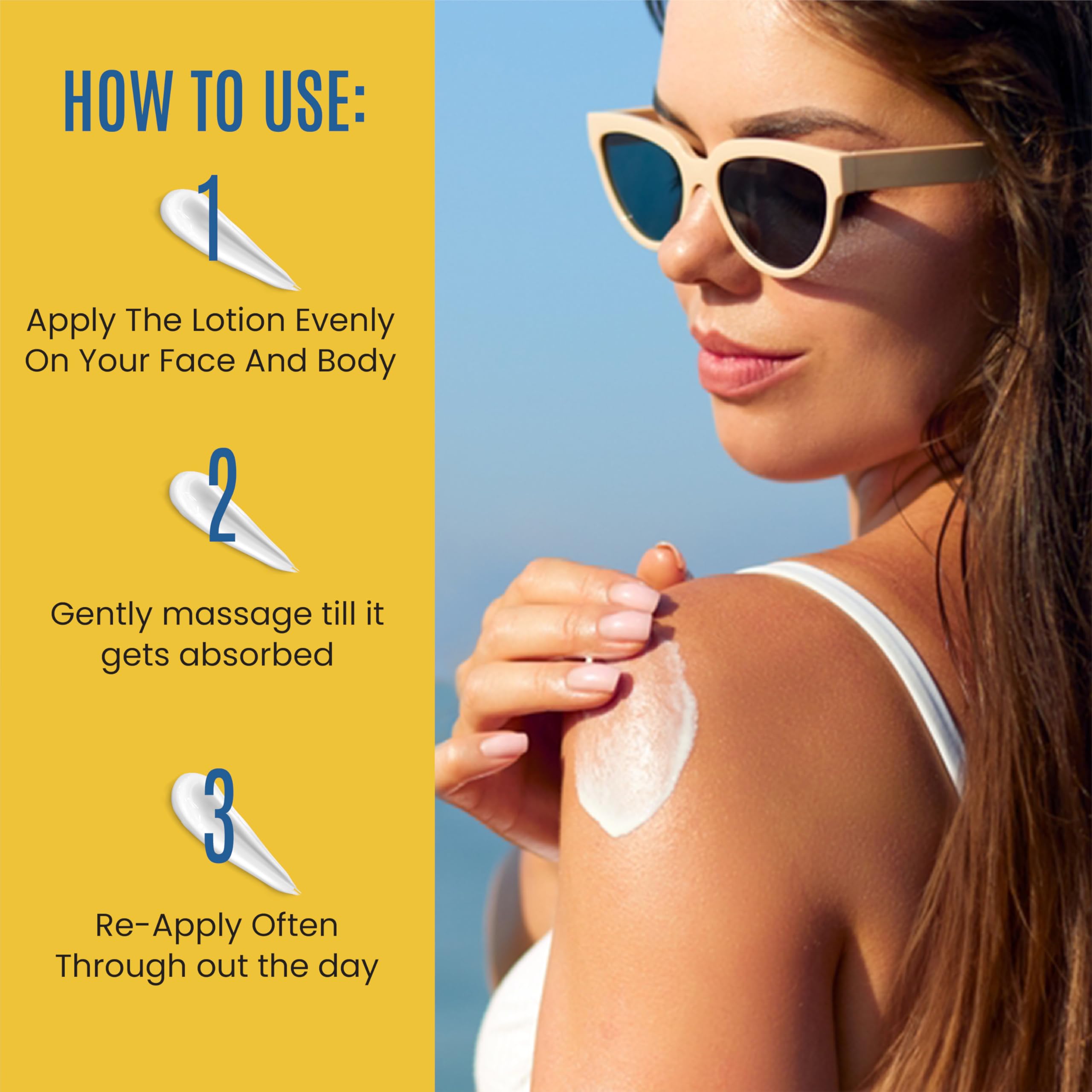
Even the most advanced all day sunscreen for face will fail to deliver its rated protection if applied incorrectly. Dermatological research consistently demonstrates that consumers apply only 25 to 50 percent of the recommended amount during standard use, drastically reducing the effective SPF. The standard rule of thumb for adequate facial and neck coverage is approximately one-quarter to one-third of a teaspoon, often visualized as two full finger lengths of product.
Application must occur as the final step of your morning skincare routine, following serums and moisturizers, but prior to color cosmetics. Allow the sunscreen to set and form its protective polymer film for three to five minutes before applying foundation or powder.
Regarding the concept of "all day" wear, no single application provides indefinite protection under real-world conditions. Sunscreen filters degrade when exposed to continuous direct sunlight, and the protective film is physically disrupted by sebum production, perspiration, facial movements, and touching. While the term "all day" often markets convenience and long-wear polymers, standard dermatological guidelines dictate reapplication every two hours when outdoors, or immediately after heavy sweating, swimming, or towel drying. For indoor workers facing minimal UV exposure through window glass, a morning application is generally sufficient, though a midday touch-up using a dusting powder SPF or a setting spray with UV filters can help maintain defense.
Common Formulation Pitfalls and Troubleshooting
Integrating a new lightweight sunscreen into your daily regimen can occasionally present minor hurdles. Identifying these common issues ensures optimal performance and skin comfort throughout the day.
Pilling—where the sunscreen rolls up into small balls during application—frequently occurs when layering incompatible skincare bases. If your moisturizer or serum contains high concentrations of heavy silicones, carbomers, or unabsorbed oils, a lightweight, water-based fluid sunscreen will struggle to form an even film. To prevent this, allow each layer of skincare to dry completely before proceeding, or switch to products sharing a compatible formulation base.
Another common concern is eye stinging, which happens when volatile chemical filters or emulsifiers migrate into the ocular region via sweat or natural facial oils. Selecting ophthalmologist-tested, fragrance-free formulas or opting for 100 percent mineral fluid sunscreens around the immediate eye contour can prevent irritation. Finally, if a lightweight sunscreen feels overly shiny by midday, setting the T-zone with a translucent mineral powder or blotting paper preserves the non-greasy finish without compromising the UV barrier.
Frequently Asked Questions
Do I still need an all day sunscreen for face on cloudy or rainy days?
Yes, up to 80 percent of solar ultraviolet radiation penetrates light cloud cover, mist, and fog. UVA rays also penetrate window glass, meaning daily exposure occurs indoors and outdoors regardless of visible sunshine, making consistent application essential.
Can a lightweight sunscreen replace my daily moisturizer?
Many modern fluid and gel-cream sunscreens contain hydrating humectants like glycerin and hyaluronic acid, making a separate moisturizer redundant for oily or combination skin types. However, individuals with dry or compromised skin barriers should apply a dedicated lightweight moisturizer underneath their sunscreen.
How do chemical and mineral sunscreens differ in texture?
Chemical sunscreens absorb UV light and tend to offer the most weightless, completely invisible fluid textures. Mineral sunscreens sit on top of the skin to reflect UV rays; while modern micronized mineral formulas are vastly improved, they can occasionally require more blending on deeper complexions.
Does SPF stack when I wear sunscreen under a foundation containing SPF?
No, SPF values do not add together. Your final level of protection is determined solely by the product with the highest SPF applied in an adequate quantity. Because makeup is rarely applied thickly enough to reach its rated SPF, you must rely on your dedicated facial sunscreen for true protection.
How should I remove a long-wearing, non-greasy facial sunscreen at the end of the day?
Long-wearing and water-resistant sunscreens rely on film-forming agents that adhere tightly to the skin. Utilizing a double-cleansing method—beginning with an oil-based cleanser or micellar water to dissolve UV filters and sebum, followed by a gentle water-based cleanser—ensures complete removal without stripping the skin.
Strategic Integration for Optimal Skin Health
Achieving reliable sun protection without sacrificing comfort centers on consistency and formulation harmony. Select a product tailored to your skin type's unique oil and moisture balance, apply the correct volume every morning, and establish a thorough evening cleansing routine. By treating daily UV defense as an effortless, integral part of your morning regimen, you safeguard your skin against cumulative photodamage while maintaining a fresh, balanced complexion all day long.