Since the inception of human spaceflight, the journey toward gender parity has been a gradual but historic evolution. While the majority of orbital missions have featured mixed-gender crews, all-female milestones—specifically the first all-female spacewalks and the increasing number of women in leadership roles—represent pivotal shifts in aerospace engineering, mission architecture, and international policy.
Pioneering the Stars: The First Women in Orbit
The history of women in space began not as a gradual inclusion, but as a singular, state-sponsored achievement during the height of the Cold War. In 1963, the Soviet Union launched Valentina Tereshkova aboard Vostok 6. Tereshkova, a textile worker and amateur skydiver, was selected from hundreds of applicants specifically for her parachuting experience, which was critical for the Vostok landing sequence where the pilot ejected before impact. Her flight lasted nearly three days, during which she orbited the Earth 48 times—more than all the U.S. Mercury astronauts combined at that time.
Following Tereshkova’s flight, there was a nearly 20-year hiatus before another woman entered space. This gap was largely due to the rigid pilot requirements of the era, which favored military test pilots—a career path then closed to women in most nations. In 1982, Svetlana Savitskaya became the second woman in space, and in 1984, she became the first woman to perform an Extravehicular Activity (EVA), or spacewalk.
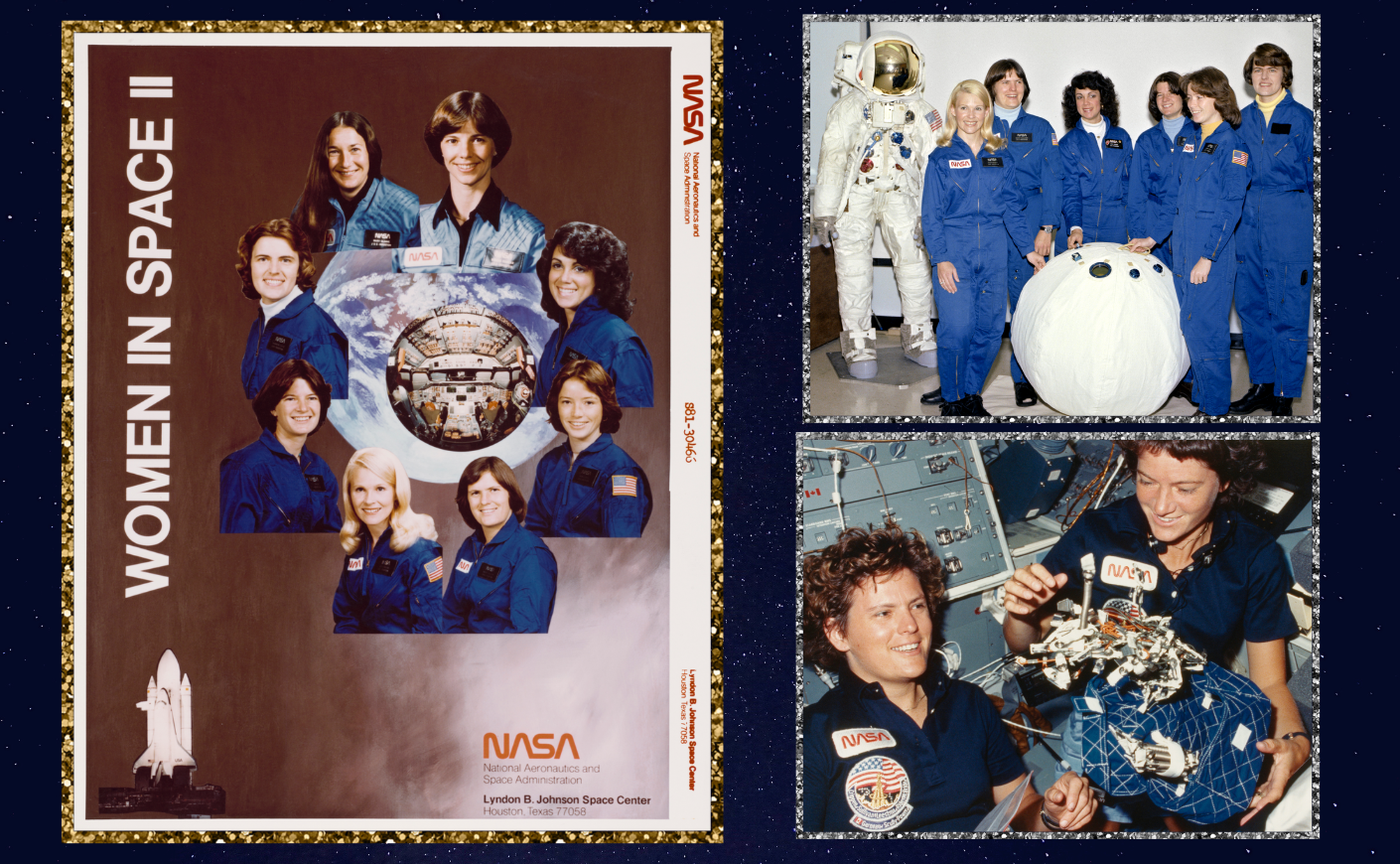
The United States entered the fold in 1983 with Sally Ride on the STS-7 mission. Ride’s participation was a watershed moment for NASA, signaling a shift toward the "Mission Specialist" era of the Space Shuttle program. Unlike the earlier solo flights, Ride was part of a five-person crew, proving that women were integral to complex team-based operations in microgravity. These early pioneers laid the groundwork for the structural changes in spacecraft design and crew dynamics that would eventually make all-female mission components possible.
The Historic All-Female Spacewalks of Expedition 61
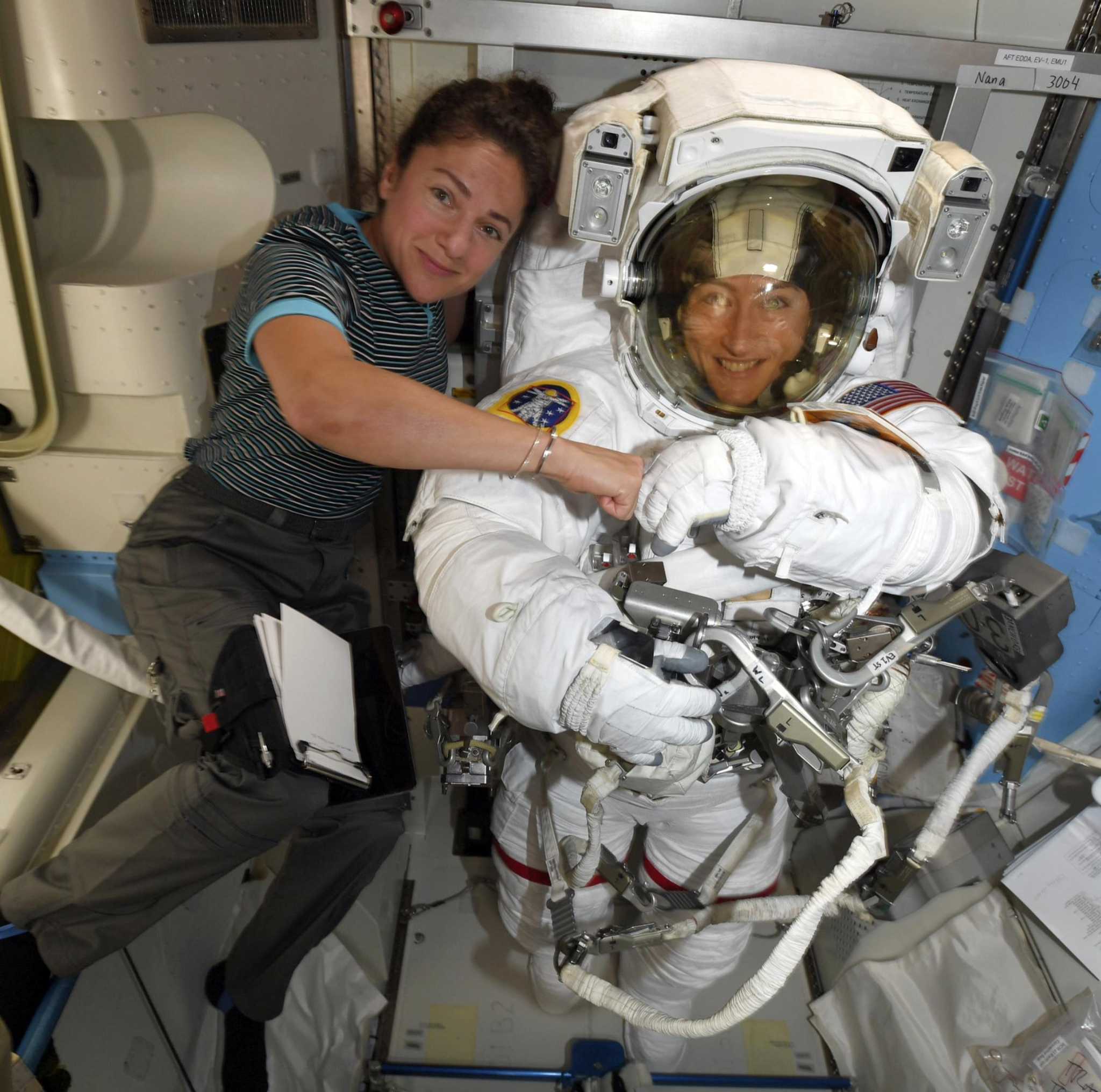
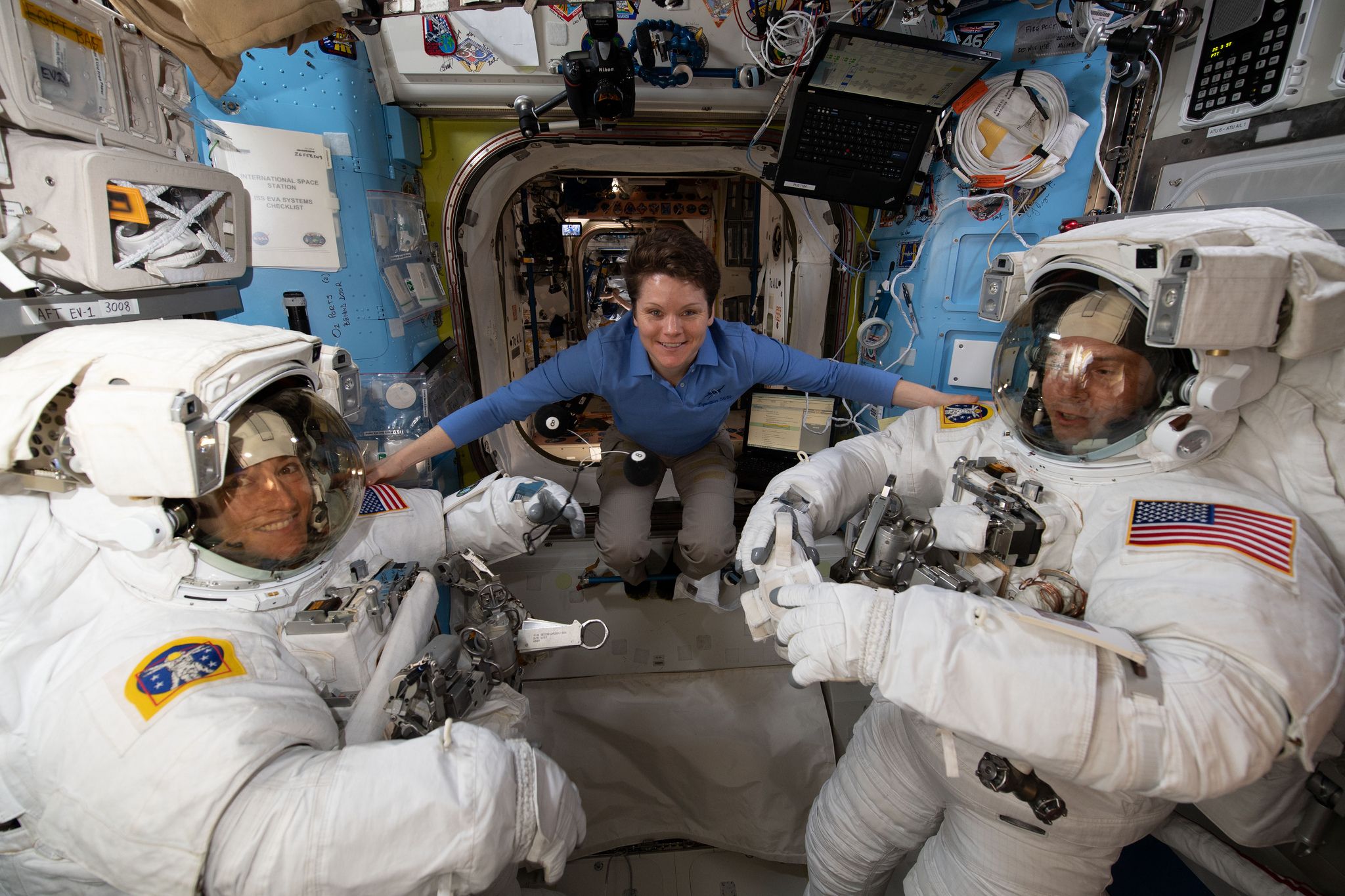
The most significant milestone in all-female mission history occurred on October 18, 2019, during International Space Station (ISS) Expedition 61. Astronauts Christina Koch and Jessica Meir conducted the first-ever all-female spacewalk. This event was not merely symbolic; it was a grueling seven-hour technical operation to replace a failed Battery Charge/Discharge Unit (BCDU) on the station's P6 truss.
The mission captured global attention partly because it had been delayed earlier in the year due to a lack of available medium-sized spacesuits—a technical oversight that highlighted the historical male-centric design of aerospace hardware. When the walk finally occurred, it demonstrated that the constraints on all-female teams were often logistical and equipment-based rather than related to capability.
Following their initial October walk, Koch and Meir performed two additional all-female EVAs in January 2020 to complete the replacement of nickel-hydrogen batteries with new lithium-ion batteries. These missions proved that all-female teams could handle high-stakes, physically demanding maintenance of the most complex machine ever built in space. By 2026, the success of these missions has become the standard reference point for crew pairing in the Artemis era.
Key Astronauts and Their Contributions to Space Exploration
Understanding the progression toward all-female flights requires a look at the individual astronauts who broke records and held key leadership positions.
- Peggy Whitson: Often called "Slammers," Whitson holds the record for the most cumulative days in space for any American astronaut (over 675 days). She was the first female commander of the ISS and, in 2023, commanded the Axiom Mission 2, proving the viability of female leadership in the commercial space sector.
- Christina Koch: Beyond her historic spacewalk, Koch holds the record for the longest single spaceflight by a woman (328 days). Her mission provided invaluable data on how long-term microgravity affects the female body, which is essential for future Mars missions.
- Sunita Williams: A veteran of several long-duration missions, Williams was a pioneer in testing the limits of human endurance, famously running a marathon on a treadmill while in orbit.
- Wang Yaping: As part of the Shenzhou 13 mission, Wang became the first Chinese woman to perform a spacewalk, expanding the history of female space exploration beyond the U.S. and Russian agencies to the China Manned Space Agency (CMSA).
- Rayyanah Barnawi: In 2023, Barnawi became the first Saudi woman in space, representing a significant shift in the cultural and international demographics of space exploration.
Chronology of Major Female Space Milestones
The following table outlines the critical milestones that have defined the history of women in space, leading up to the current 2026 operational environment.
| Year | Astronaut(s) | Milestone | Agency |
|---|---|---|---|
| 1963 | Valentina Tereshkova | First woman in space (Vostok 6) | Soviet Union |
| 1983 | Sally Ride | First American woman in space (STS-7) | NASA |
| 1984 | Svetlana Savitskaya | First woman to perform a spacewalk (EVA) | Soviet Union |
| 1992 | Mae Jemison | First Black woman in space (STS-47) | NASA |
| 1995 | Eileen Collins | First female Space Shuttle Pilot (STS-63) | NASA |
| 2007 | Peggy Whitson | First female commander of the ISS | NASA |
| 2012 | Liu Yang | First Chinese woman in space (Shenzhou 9) | CMSA |
| 2019 | Koch & Meir | First all-female spacewalk (Expedition 61) | NASA |
| 2021 | Sirisha Bandla | First Indian-born woman on a commercial flight | Virgin Galactic |
| 2024 | Tracy Dyson | Significant ISS long-duration researcher | NASA |
Technical Challenges: Suit Design and Physiology
The path to all-female missions has been hampered by technical challenges, most notably the design of the Extravehicular Mobility Unit (EMU). For decades, the EMU (the "spacewalking suit") was designed using a modular system that favored larger body frames. This led to a "suit gap" where smaller-statured astronauts—disproportionately women—faced increased physical strain or were unable to fit into the existing hardware.
In response, NASA and private partners like Axiom Space have developed the Axiom Extravehicular Mobility Unit (AxEMU). These next-generation suits, designed for the Artemis program, feature greater range of motion and a "one-size-fits-most" architecture that accommodates a broader range of body types (from the 1st to the 99th percentile). This engineering shift is a prerequisite for any future all-female lunar missions, as it ensures that physical equipment is no longer a barrier to mission assignments.
Physiologically, space flight affects men and women differently. Research has shown that women may be more susceptible to radiation-induced cancers but often have higher resilience against the vision-related issues (SANS - Spaceflight-Associated Neuro-ocular Syndrome) that frequently plague male astronauts. Ongoing studies on the ISS are crucial for tailoring medical protocols for all-female crews on deep-space journeys.
The Artemis Program and the Future of All-Female Missions in 2026
As of 2026, the focus of space exploration has shifted from Low Earth Orbit (LEO) to the Moon. NASA’s Artemis program has explicitly committed to landing the first woman on the lunar surface. The selection of Christina Koch for the Artemis II mission—the first crewed flight to orbit the Moon in over 50 years—is a definitive step toward this goal.
While Artemis II is a mixed-gender mission, the groundwork is being laid for all-female crews in the latter half of the decade. The proliferation of commercial providers like SpaceX and Axiom Space has also increased the frequency of flights, allowing for more diverse crew configurations. In 2026, the discussion has moved beyond "if" an all-female crew will fly to the Moon, to "when," as mission planners now have a large pool of experienced female astronauts from which to choose.
The integration of international partners, such as the European Space Agency (ESA) and the Japan Aerospace Exploration Agency (JAXA), further diversifies the talent pool. Astronauts like Samantha Cristoforetti (ESA) have already demonstrated exceptional leadership as ISS commanders, ensuring that the next generation of lunar explorers will be selected based on a meritocracy that finally has the equipment to support everyone.
Frequently Asked Questions
Has there ever been a mission with an all-female crew?
While there have been several all-female spacewalks and missions where women made up the majority of the crew, as of early 2026, a fully all-female orbital mission (where every crew member is female) has primarily occurred in suborbital flights or is in the late planning stages for commercial orbital missions. The 2019 Koch-Meir spacewalk remains the most famous all-female operational unit in space history.
Who was the first woman to command a space station?
Peggy Whitson became the first female commander of the International Space Station during Expedition 16 in 2007. Since then, several other women, including Sunita Williams, Shannon Walker, and Samantha Cristoforetti, have served as ISS commanders, demonstrating the routine nature of female leadership in orbit.
What was the main reason for the delay in the first all-female spacewalk?
The primary reason for the initial delay in March 2019 was the lack of available "flight-ready" medium-sized spacesuits. While the station had multiple suits, only one medium-sized torso was configured for immediate use. This highlighted the need for more inclusive hardware design, which has since been addressed in the newest generations of space suits.
Are there differences in how space affects male and female astronauts?
Yes, medical data indicates that women may experience higher rates of orthostatic intolerance (fainting upon return to Earth) and are at a higher risk for certain types of radiation-induced health issues. Conversely, men appear more prone to vision changes and hearing loss during long-term missions. These differences are a major focus of NASA’s human research program.
How many women have been to space as of 2026?
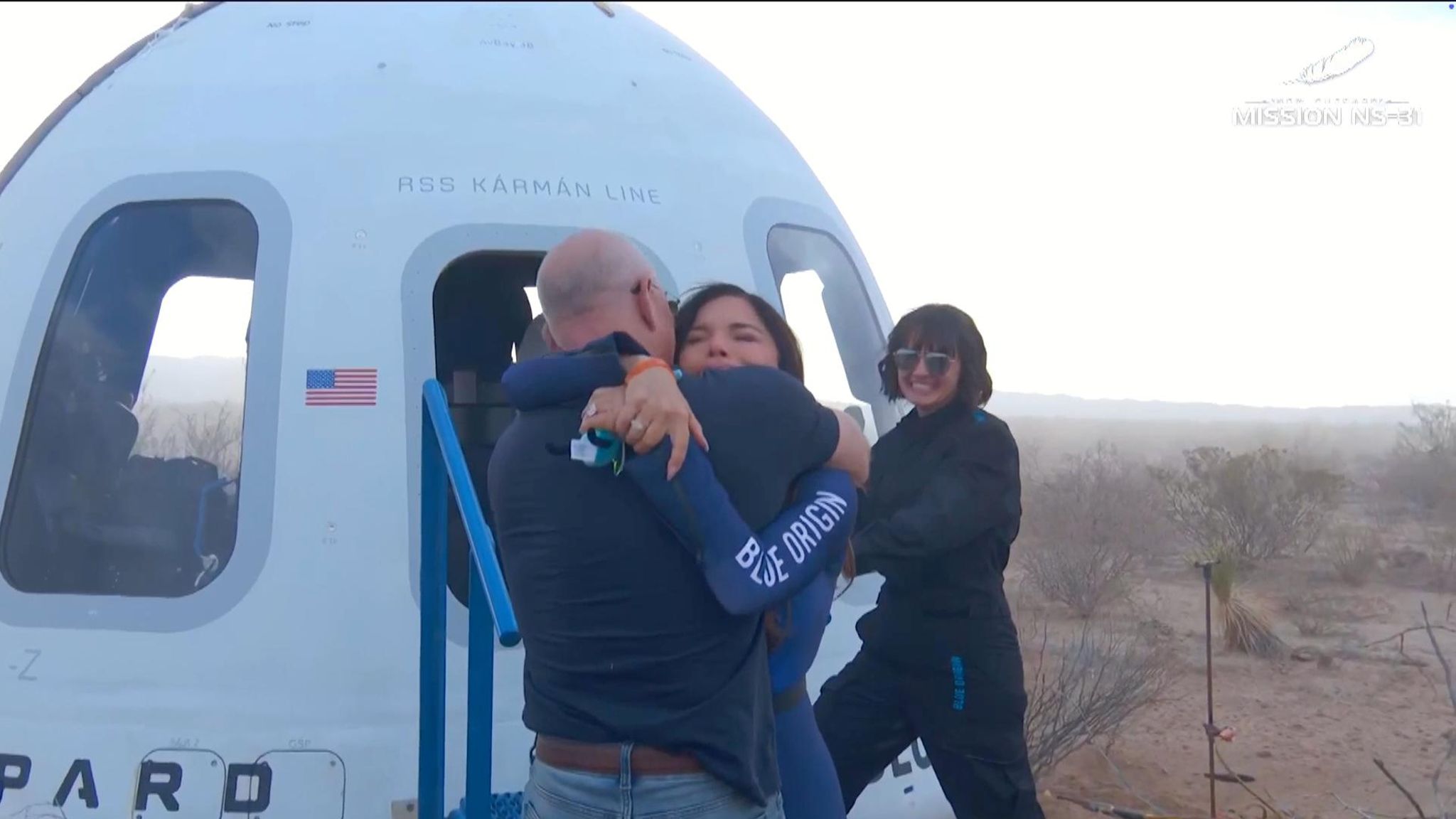
As of early 2026, over 80 women have flown in space. This number has grown rapidly in recent years due to increased flight opportunities via the SpaceX Crew Dragon, Boeing Starliner, and commercial suborbital vehicles like Blue Origin’s New Shepard.
Accessing Historical Data and Mission Logs
For those interested in the granular details of female spaceflight history, the NASA History Office and the JSC Digital Resources Collection provide public access to mission transcripts, suit sizing charts, and EVA logs. Researchers should focus on "Expedition Summary Reports" for the most accurate data on crew roles.
If you are a student or professional looking to enter the field, the current recommendation is to monitor the Artemis Generation initiatives. As mission architectures for the Moon and Mars are finalized in late 2026, the demand for specialized knowledge in inclusive design and female-specific space medicine is at an all-time high. Engaging with organizations like "Women in Aerospace" (WIA) can provide networking opportunities that align with these historical shifts in the industry.