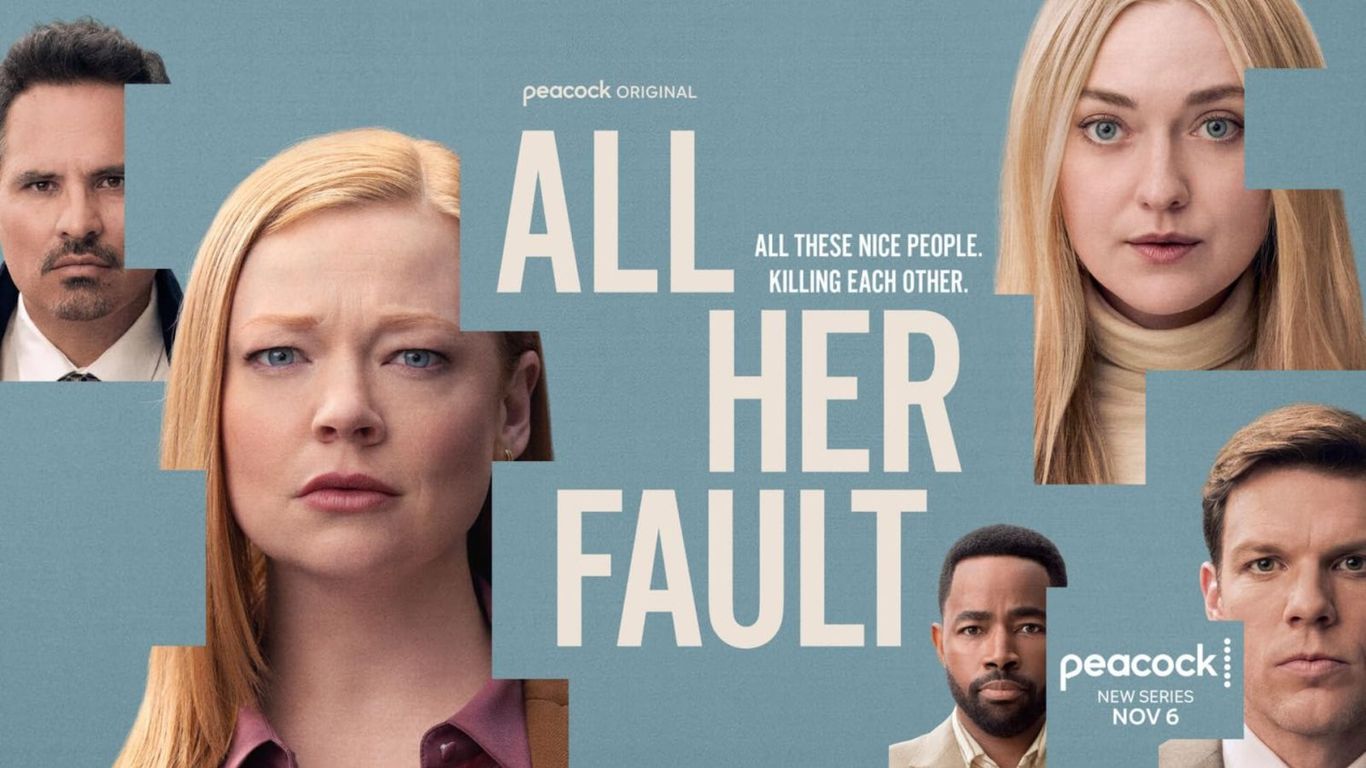
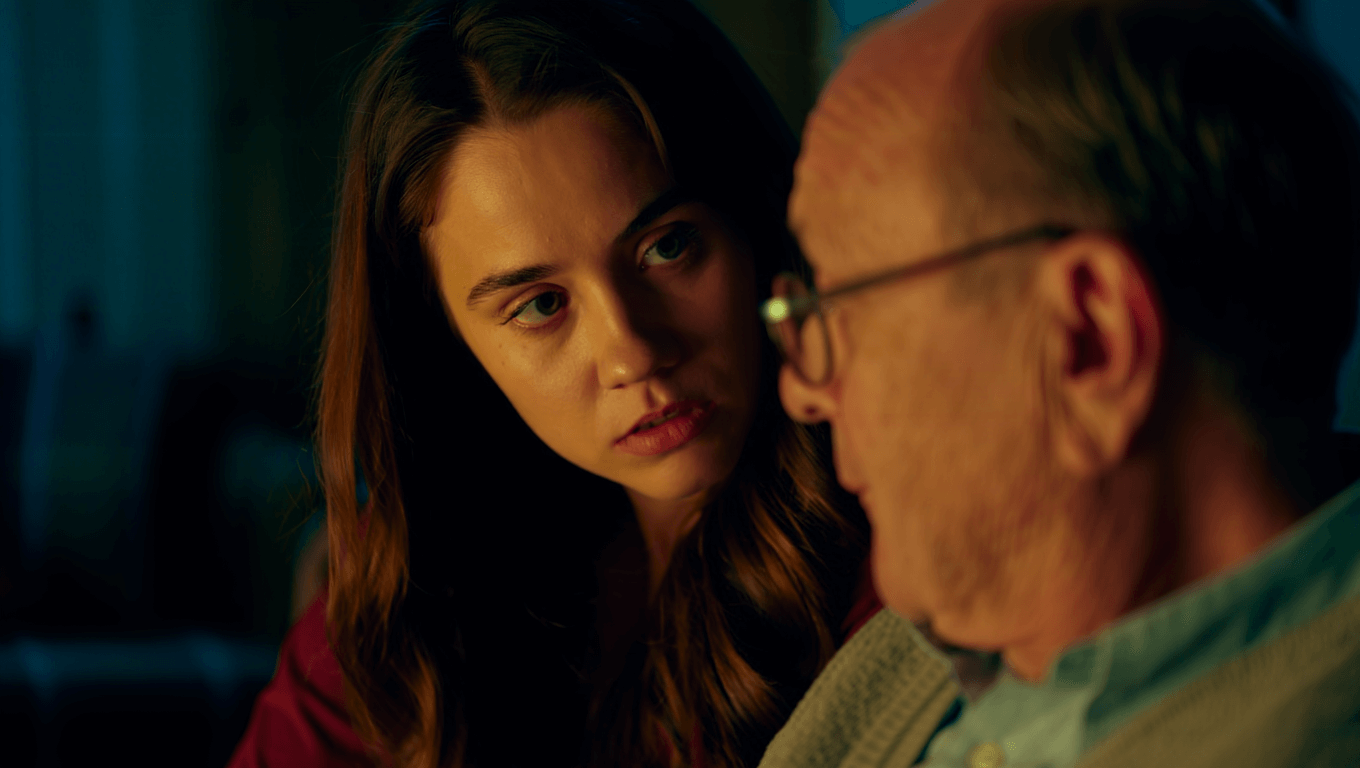
The finale of All Her Fault concludes with the harrowing revelation that Milo was taken by Carrie, a woman seeking retribution for a hit-and-run accident involving Marissa’s husband years prior. While Milo is safely recovered, the "shocking twists" expose a web of complicity involving Jenny and the devastating realization that Marissa’s perfect life was built on a foundation of suppressed secrets.
The Peacock original series, which has dominated streaming charts throughout early 2026, reached its emotional and suspenseful zenith in the final episode. For viewers who spent weeks dissecting every frame of Marissa Irvine’s desperate search for her son, the finale provided more than just a resolution; it delivered a scathing commentary on guilt, class, and the fragility of suburban security. As the credits rolled on the eighth and final episode, several narrative threads converged, forcing audiences to reconsider everything they thought they knew about the residents of this affluent Dublin suburb.
The Final Countdown: How the Finale Commences
The finale begins exactly where the penultimate episode left off: with Marissa (played by Sarah Greene) realizing that the "Jenny" she had been communicating with via text was not the same Jenny who lived at the house where Milo was supposedly dropped off. This realization shifts the investigation from a potential misunderstanding to a targeted abduction. The tension in the first twenty minutes of the finale is claustrophobic, as Detective Gogan and his team move from a reactive search to a proactive tactical operation.
The atmosphere in the Irvine household is thick with a mixture of hope and paralyzing dread. Toby Irvine, previously portrayed as the supportive husband, begins to show cracks under the pressure of the police interrogation. The finale masterfully uses these early scenes to establish that the kidnapping was never about a ransom; it was a psychological siege. As the police track digital footprints and CCTV footage, the circle begins to close around a rented property on the outskirts of the city—a location that holds the key to the mystery.
The Identity of the Kidnapper Revealed
The most significant twist of the finale is the unmasking of the woman who opened the door to Marissa in the series premiere. While viewers were led to believe "Jenny" was a stranger, the finale reveals her identity as Carrie, a woman whose life had been systematically destroyed by the Irvine family's past actions.
Carrie was not acting alone, nor was her choice of victim random. The finale reveals that she had been stalking Marissa for months, learning her routines, her social circles, and her vulnerabilities. The "playdate" was a meticulously planned trap designed to exploit Marissa’s busy schedule and her reliance on the digital anonymity of modern parenting groups. The shocking reveal isn't just that Carrie took the child, but that she did so with the peripheral assistance of people Marissa considered friends—people who had unwittingly shared details about Marissa’s life that Carrie used to curate the perfect abduction scenario.
The Motivations: Why Marissa was Targeted
The title of the series, All Her Fault, takes on a chilling double meaning in the finale. Throughout the show, the title seemed to refer to Marissa’s self-imposed guilt for letting her son go to a house she hadn't vetted. However, the finale clarifies that the antagonist, Carrie, believes the title applies to a specific event from Marissa’s past that she has tried to bury.
The Ghost of the Past
The core motive traces back to a vehicular accident ten years prior. It is revealed that Toby Irvine was involved in a hit-and-run that resulted in the permanent disability of Carrie’s younger brother. Marissa, fearing for their future and Toby’s career, helped cover up the evidence, ensuring the police never linked the vehicle to their family. To Marissa, it was a moment of protective instinct that she eventually compartmentalized and forgot. To Carrie, it was the moment her family's trajectory was altered forever.
The Psychological Revenge
Carrie’s goal was never to harm Milo physically, but to force Marissa to experience the same "unbearable waiting" and loss of control that Carrie’s family endured during her brother’s long and painful recovery. The finale highlights the disparity in how the two women perceive justice. While Marissa views the past as a closed chapter, Carrie views it as an ongoing sentence. This thematic conflict elevates the show from a standard "missing child" thriller to a complex moral drama.
The Fate of Milo and the Final Confrontation
The climax takes place at a remote, dilapidated cottage where Carrie has been holding Milo. Unlike many thrillers that rely on explosive violence, the confrontation in All Her Fault is intensely quiet and psychological. Marissa arrives ahead of the police, leading to a standoff that serves as the emotional heart of the series.
Marissa is forced to confront Carrie without the protection of her social status or her husband. In a desperate plea, Marissa finally admits her role in the cover-up from a decade ago, offering Carrie the one thing she never received: an acknowledgement of the crime. This admission is the turning point that allows Marissa to reach Milo. The tension remains high until the very last second, as Carrie wavers between surrendering and ending the ordeal in a way that would leave Marissa permanently scarred. Ultimately, the arrival of Detective Gogan leads to Carrie's arrest and Milo's safe recovery, but the damage to the Irvine family is irreparable.
Key Differences Between the Novel and the Peacock Series
Fans of Andrea Mara’s original novel noted several significant changes in the television adaptation that heightened the suspense for the 2026 audience. The series expanded the roles of the supporting cast to create more "red herrings" throughout the season.
| Feature | Andrea Mara’s Novel | Peacock Series (2026) |
|---|---|---|
| Pacing | Fast-paced, focused on the 48-hour window. | Slower burn, focusing on the decay of the community over 8 episodes. |
| Toby’s Role | More peripheral; primarily a source of comfort. | Centralized; his secrets are more deeply explored and darker. |
| The Ending | Focuses on the immediate resolution of the kidnapping. | Includes a prolonged epilogue showing the legal fallout for the Irvines. |
| Detective Gogan | A standard procedural character. | Developed as a weary veteran with his own moral complexities. |
| Social Media | Used as a background element. | Integral plot device (apps, tracking, and digital stalking). |
Analyzing the Themes of Maternal Guilt and Social Perception
The finale of All Her Fault succeeds because it refuses to give the audience a purely "happy" ending. While the child is home, the social fabric of Marissa’s life is shredded. The show explores how the community, which initially rallied behind her, quickly turned to victim-blaming once the details of the past cover-up leaked.
The Burden of Perfection
Marissa’s character arc is a cautionary tale about the pressure to maintain a "perfect" image. The show suggests that the very traits that made her successful—her organizational skills, her drive, and her protective nature—were the same traits that allowed her to rationalize the cover-up years ago. The finale asks if a person can truly be "good" if their happiness is built on someone else's unacknowledged suffering.
The Role of the Bystander
The finale also shines a light on the neighbors and "friends" who provided Carrie with the information she needed. It highlights the dangers of the casual oversharing inherent in modern parenting. The shocking twists revealed that many people in Marissa’s circle had grievances against her, and while they didn't help kidnap Milo, their apathy and gossip created the environment that made the crime possible.
FAQ: Common Questions About the Ending
Did Toby Irvine go to prison in the finale?
Yes, the finale implies that while Toby was not the kidnapper, the reopening of the hit-and-run case led to criminal charges. The final scenes show him being taken in for questioning as the legal evidence from a decade ago is finally processed. His career and social standing are effectively ended by the close of the episode.
Who was the woman at the door in the first episode?
The woman was Carrie, the sister of a hit-and-run victim from Marissa’s past. She used a burner phone to pose as "Jenny," a mother from Milo's school, to lure Marissa into dropping Milo off at a location Carrie had temporarily occupied.
Is there a post-credits scene in the All Her Fault finale?
There is no traditional post-credits scene, but the final shot of the episode—Marissa looking at her reflection in a cracked mirror while Milo plays in the background—is intended to signify that while their lives continue, the "reflection" of their family is permanently fractured.
Will there be a Season 2 of All Her Fault?
As of late 2026, the show is billed as a limited series. The narrative concludes the story of the novel entirely. However, given the high viewership on Peacock, there have been rumors of an anthology-style second season focusing on a different "fault" in a different community, though nothing has been officially confirmed.
What happened to the "real" Jenny?
The real Jenny, who was Marissa’s actual friend, was completely unaware of the situation until the police contacted her. The finale shows her attempting to reconcile with Marissa, but the trust between them is gone, illustrating how the kidnapping destroyed even the innocent relationships in Marissa's life.
Moving Forward: Life After the Reveal
For viewers who have finished the finale, the next logical step is to revisit the earlier episodes to spot the subtle clues dropped by the showrunners. From the specific way Carrie handled the phone to the early, nervous glances Toby gave whenever the police mentioned "past records," the series is rich with foreshadowing that only becomes clear after the twists are revealed.
If you are looking for similar high-stakes psychological thrillers following the conclusion of All Her Fault, titles like The Holiday and No Return offer similar explorations of family secrets and the consequences of past actions. For now, the 2026 finale of All Her Fault stands as a definitive entry in the "suburban noir" genre, leaving audiences with the haunting question: how well do you really know the people you trust with your children?