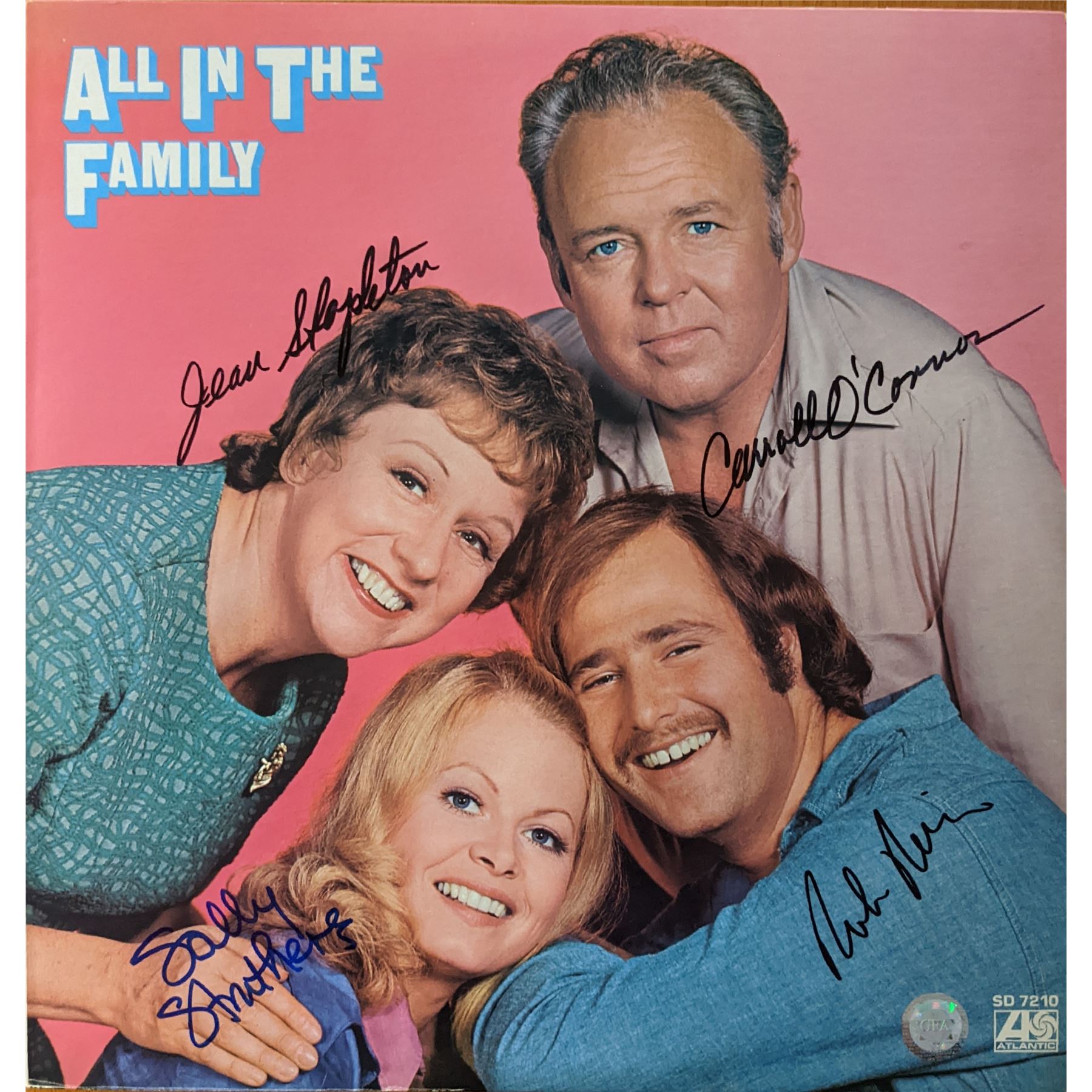
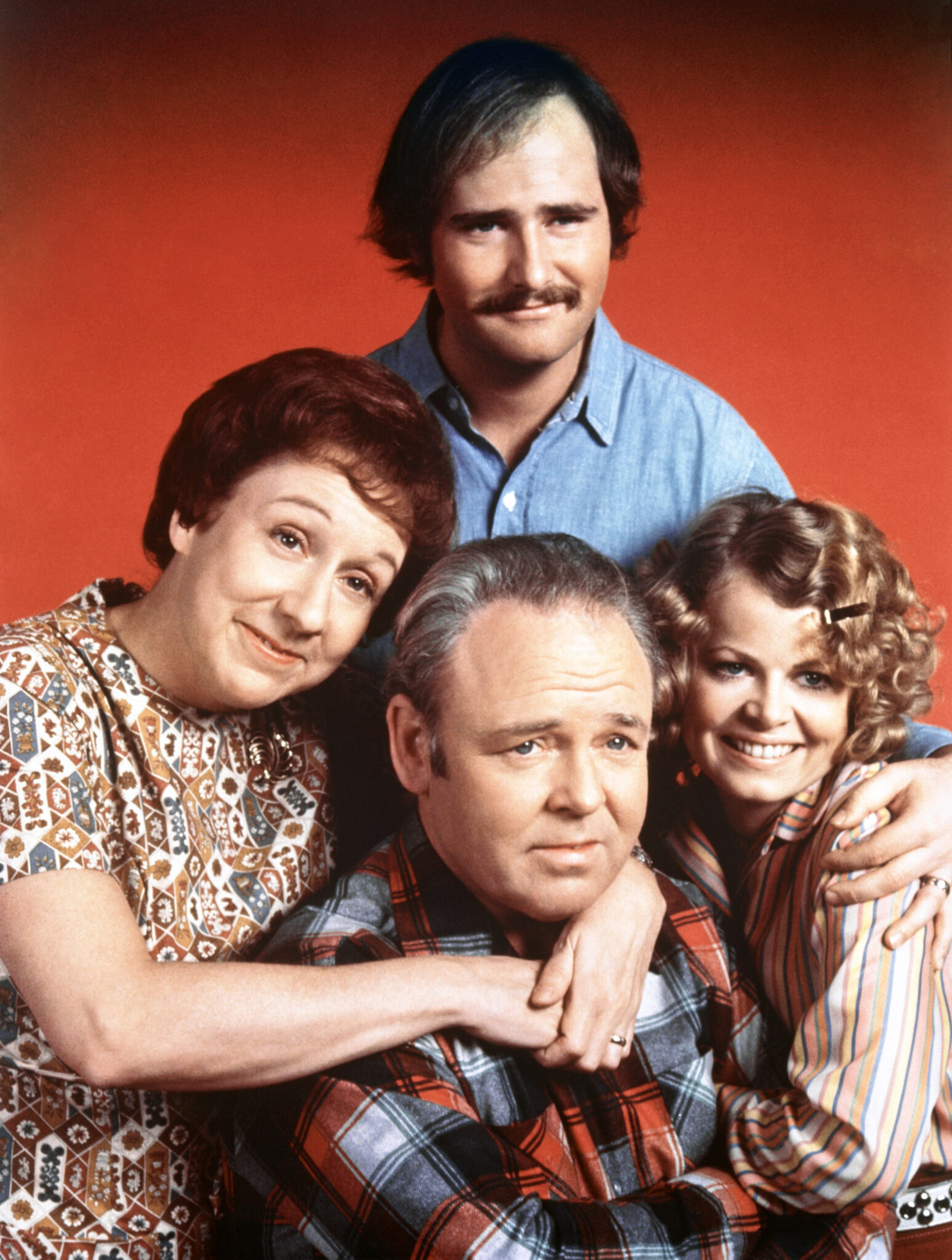
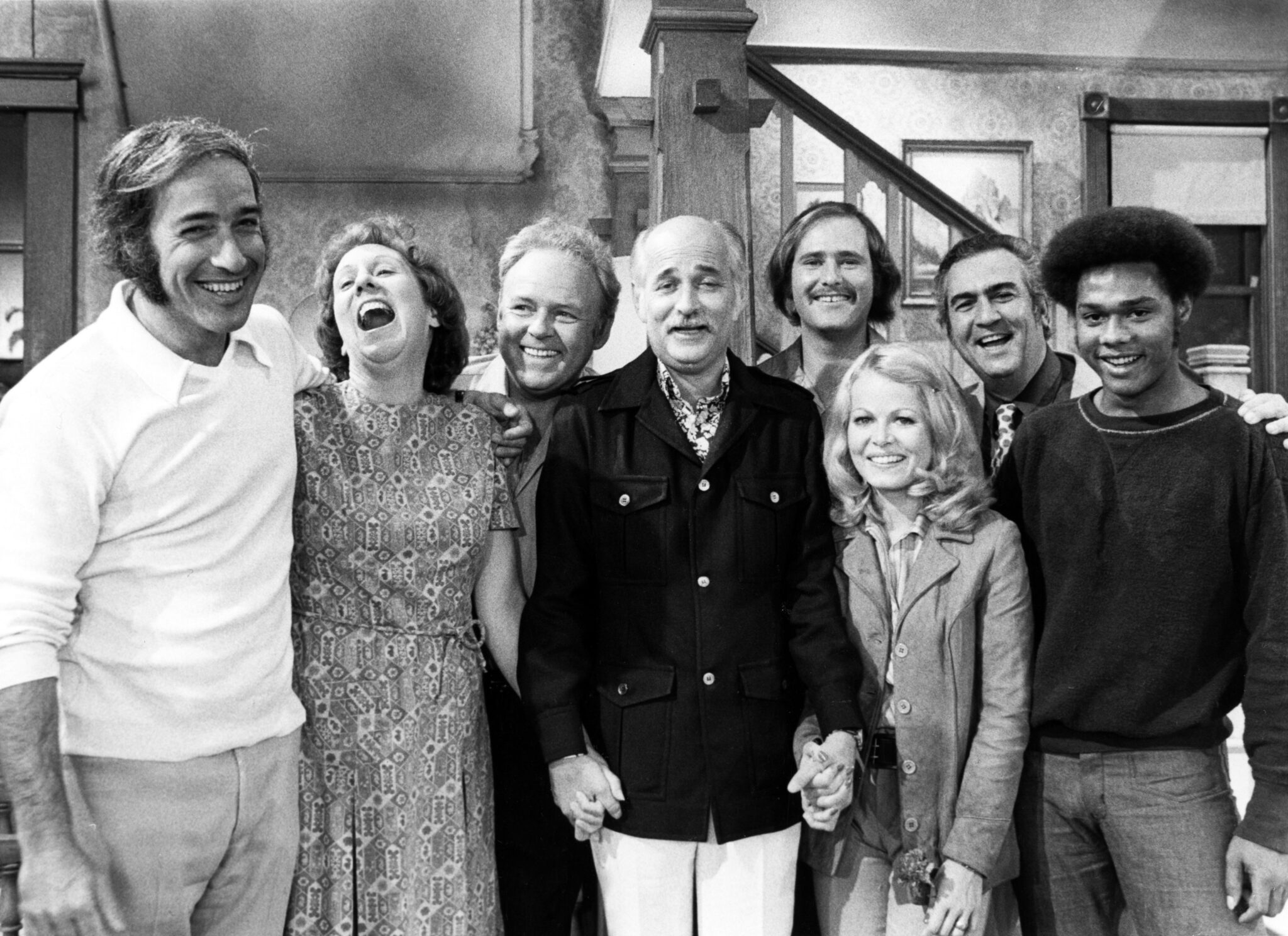
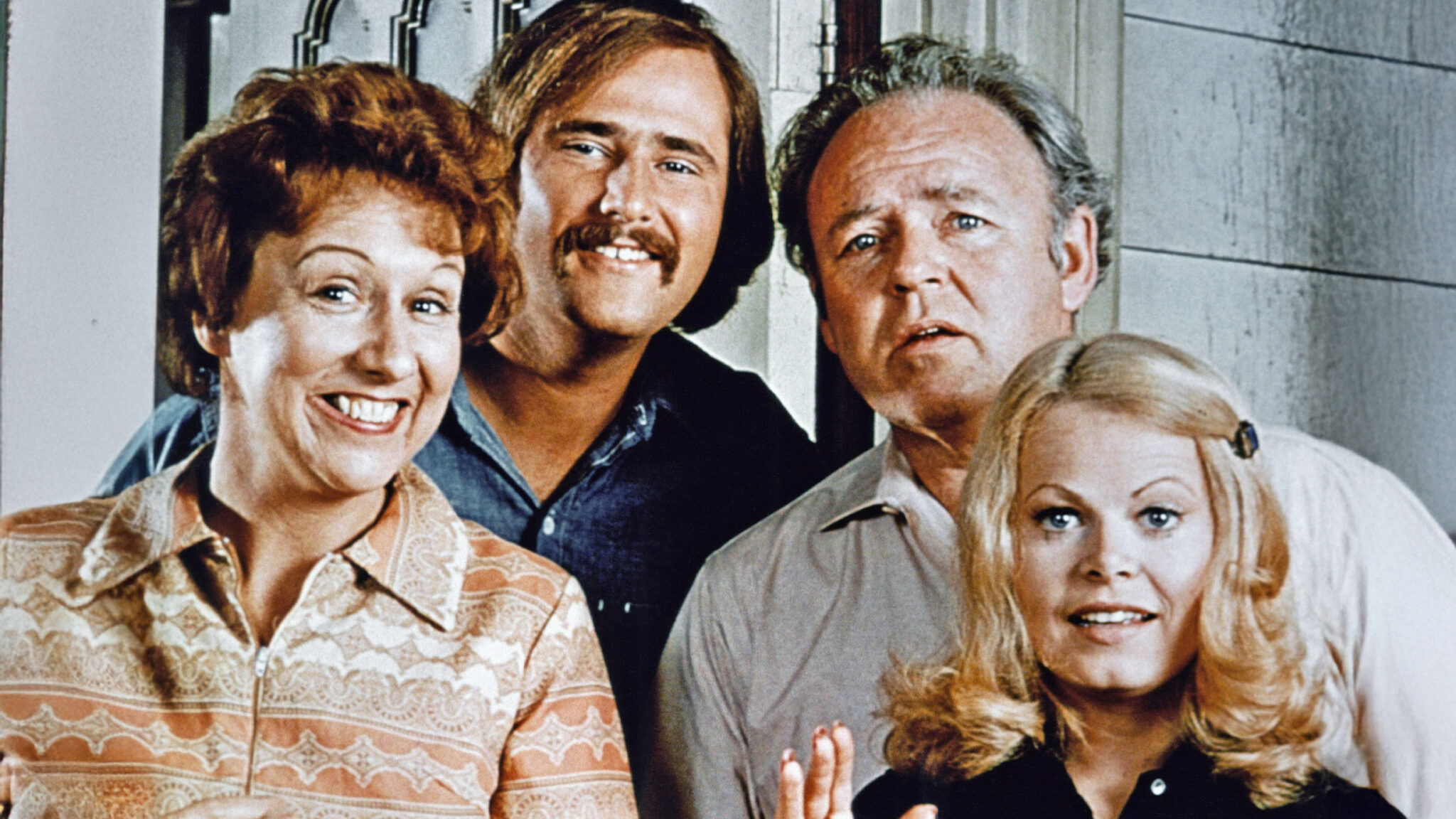
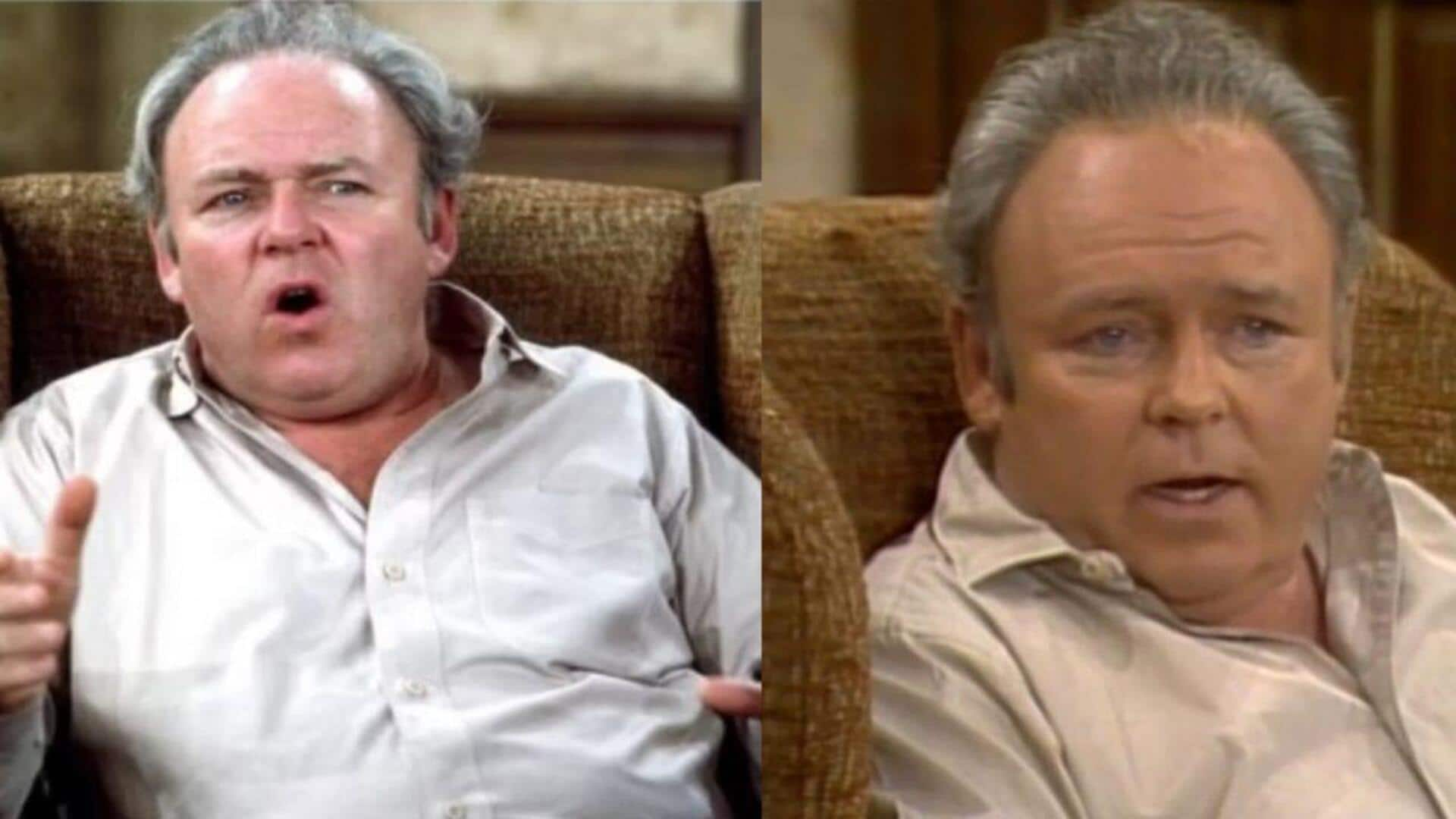
The core cast of All in the Family featured Carroll O'Connor as Archie Bunker, Jean Stapleton as Edith Bunker, Rob Reiner as Michael "Meathead" Stivic, and Sally Struthers as Gloria Stivic. This ensemble, supported by a rotating cast of neighbors and relatives, drove a series that redefined American television by tackling social issues through the lens of a working-class household in Queens.
Developed by Norman Lear and Bud Yorkin, All in the Family premiered on CBS on January 12, 1971, and forever changed the landscape of the situation comedy. Unlike the idealized domestic comedies of the 1950s and 60s, the show centered on a household where conflict was constant, political divides were sharp, and the dialogue was unflinchingly raw. As we look back from 2026, the show remains a cornerstone of cultural study, reflecting the growing pains of a nation during the 1970s. The chemistry of the primary cast was the engine that allowed the show to balance vitriolic arguments with genuine moments of familial love.
The Core Four: Redefining the American Family
The success of All in the Family rested entirely on the shoulders of four actors who could portray a dysfunctional yet deeply bonded family. The Bunkers lived at 704 Hauser Street in Astoria, Queens, and their living room became the battlefield for the era's cultural wars.
Carroll O'Connor as Archie Bunker
Carroll O'Connor’s portrayal of Archie Bunker is arguably the most complex performance in sitcom history. Archie was a "lovable bigot"—a blue-collar dock foreman who was resistant to the social changes occurring around him. O'Connor, a highly educated and politically liberal man in real life, brought a layer of vulnerability to Archie that prevented him from becoming a one-dimensional villain. He used malapropisms (like "pinks and weirdos" or "the Illinois-Noise") to illustrate Archie's limited worldview while simultaneously showing his fear of a world he no longer understood.
Jean Stapleton as Edith Bunker
Jean Stapleton played Edith, Archie's high-pitched, seemingly subservient wife, whom he frequently called a "dingbat." However, as the series progressed, Edith emerged as the show's moral center. Stapleton, a veteran of the Broadway stage, infused Edith with a profound sense of empathy and "pure heart." Her ability to transition from slapstick comedy to heartbreaking drama—such as in the episode "Edith's 50th Birthday"—earned her three Emmy Awards and solidified her place as one of television's most beloved figures.
Rob Reiner as Michael "Meathead" Stivic
Rob Reiner played the Polish-American sociology student who lived in the Bunker household while attending college. As Archie's son-in-law, "Meathead" represented the counter-culture, the anti-war movement, and the progressive youth of the 1970s. The verbal sparring between Mike and Archie provided the show's intellectual framework, pitting traditional conservatism against radical liberalism. Reiner’s performance was essential in giving Archie a foil that was equally stubborn, highlighting that dogmatism existed on both sides of the political aisle.
Sally Struthers as Gloria Stivic
Sally Struthers played Gloria, the bridge between her husband and her father. Gloria often found herself caught in the crossfire of the men's arguments, but as the show matured, she became a voice for the burgeoning feminist movement. Struthers portrayed Gloria’s evolution from a protected daughter to a working mother with a distinct identity. Her emotional range allowed the show to explore topics like reproductive rights and workplace equality through a personal, relatable lens.
Beyond 704 Hauser Street: The Supporting Cast
While the Bunkers were the focal point, the show’s world was populated by neighbors and friends who eventually became stars in their own right. These characters were not just background noise; they represented the changing demographics of Queens and the broader United States.
- The Jeffersons (Sherman Hemsley and Isabel Sanford): George and Louise Jefferson were the Bunkers' Black neighbors. George was Archie’s mirror image—equally opinionated and prejudiced, but from the opposite perspective. Their success led to one of the longest-running spin-offs in TV history.
- The Lorenzos (Vincent Gardenia and Betty Garrett): Frank and Irene Lorenzo moved in next door later in the series. Irene, a skilled mechanic and a Catholic, challenged Archie’s views on gender roles and religion.
- The Kasparian and McNab Families: Various neighbors like Barney Hefner (Allan Melvin) provided Archie with a "Greek chorus" of fellow working-class men to commiserate with at Kelsey’s Bar.
- Stephanie Mills (Danielle Brisebois): In the later seasons, the Bunkers took in Edith's young niece, which shifted the dynamic of the household from a generational battle to a story of aging parents raising a child in a new era.
Cast Dynamics and Post-Show Careers
The transition from the final episode of All in the Family in 1979 to the subsequent careers of the cast members showcases the immense talent involved in the production. The "Beyond" of this cast involves legendary transitions into directing, advocacy, and continued television dominance.
| Actor | Character | Post-Show Highlight | Status/Legacy (as of 2026) |
|---|---|---|---|
| Carroll O'Connor | Archie Bunker | In the Heat of the Night | Deceased (2001); Cultural Icon |
| Jean Stapleton | Edith Bunker | The Bagel Lady, Stage work | Deceased (2013); Emmy Legend |
| Rob Reiner | Michael Stivic | Directed The Princess Bride | Active Director/Political Activist |
| Sally Struthers | Gloria Stivic | Gilmore Girls, Stage tours | Active Performer/Charity Advocate |
| Sherman Hemsley | George Jefferson | The Jeffersons, Amen | Deceased (2012); Comedy Pioneer |
| Danielle Brisebois | Stephanie Mills | Grammy-nominated songwriter | Successful Music Producer |
Following the main series, Carroll O'Connor continued as Archie in the spin-off Archie Bunker's Place (1979–1983). This series dealt with the death of Edith Bunker, a pivotal moment in television history that allowed O'Connor to explore the depths of grief. Rob Reiner, meanwhile, moved behind the camera to become one of Hollywood's most successful directors, helming classics like This Is Spinal Tap, Stand by Me, and When Harry Met Sally....
Sally Struthers remained a fixture on television and in theater, while also becoming a well-known spokesperson for the Christian Children's Fund, demonstrating the cast's commitment to social causes outside of their scripted roles.
The Norman Lear Universe: A Legacy of Spin-offs
All in the Family was more than a single show; it was the mother ship for an entire universe of programming. Norman Lear used the series to launch characters into their own narratives, further exploring the nuances of American life.
- Maude: Edith’s cousin Maude Findlay (Beatrice Arthur) appeared in a 1972 episode, leading to a show that tackled even more controversial topics like abortion and alcoholism.
- The Jeffersons: When George and Louise "moved on up to the East Side," they broke barriers for Black representation on television, running for 11 seasons.
- Gloria: Sally Struthers reprised her role in this short-lived series which followed Gloria as a single mother working for a veterinarian.
- 704 Hauser: Even decades later, the house itself was the subject of a 1994 spin-off featuring a Black family living in the former Bunker residence, proving the enduring relevance of the setting.
The Cultural Impact and Critical Reception
In its prime, All in the Family was the number-one rated show in America for five consecutive seasons (1971–1976). It was the first sitcom where all four lead actors won Emmy Awards. Its impact on the industry cannot be overstated; it proved that audiences were hungry for realism and that "comfort food" television wasn't the only way to achieve high ratings.
The show faced immense scrutiny from both the left and the right. Some critics feared that Archie Bunker’s bigotry was being validated by his status as a protagonist, while others felt the show was too "preachy" in its liberal leanings. However, the writers, led by Norman Lear, maintained that by exposing these prejudices to the light of day through comedy, they were helping the country process its own divisions. By 2026, media historians generally agree that the show functioned as a form of national therapy during the post-Watergate and Vietnam War eras.
Preservation and Modern Access
For viewers in 2026, the complete series of All in the Family is preserved as a vital historical document. The show is widely available through various channels:
- Streaming Platforms: The series is frequently licensed to major streamers like Pluto TV, Prime Video, and Catchy Comedy, often appearing in "binge" formats.
- Physical Media: Remastered DVD and Blu-ray sets remain popular for collectors who value the original, unedited episodes and bonus features featuring interviews with Lear and the cast.
- The Smithsonian Institution: Archie and Edith’s original wingback chairs were donated to the National Museum of American History, where they remain one of the most popular exhibits, symbolizing the average American household of the 1970s.
Frequently Asked Questions
Why was Archie Bunker’s character so controversial?
Archie Bunker was designed to represent the prejudices of the "silent majority." He used racial slurs and derogatory terms for women and immigrants that were shocking even by 1970s standards. The controversy lay in whether the audience was laughing with Archie or at him. Norman Lear intended for the audience to see Archie’s ignorance as a source of his own misery, but the character’s popularity occasionally blurred those lines.
Did the cast get along in real life?
Despite their intense onscreen arguments, the four main cast members remained incredibly close. Carroll O'Connor and Rob Reiner had a father-son-like bond that lasted until O'Connor’s death in 2001. Jean Stapleton and Sally Struthers were also known to be very supportive of one another, often crediting their tight-knit relationship for the show’s ability to handle such heavy subject matter.
How did the show handle the departure of Rob Reiner and Sally Struthers?
In the eighth season, Mike and Gloria moved to California so Mike could take a teaching position. This was a significant transition for the show, as it forced Archie and Edith to confront their "empty nest" and aging. The characters returned for guest appearances, but their departure marked the beginning of the end for the original series format.
Is All in the Family still relevant today?
The specific political figures Archie ranted about—like Richard Nixon or George McGovern—may have faded into history, but the underlying themes of generational divide, economic anxiety, and social change remain highly relevant. The "Meathead vs. Archie" dynamic is still a visible part of the modern political discourse in the mid-2020s.
What happened to the house at 704 Hauser Street?
The house seen in the opening credits is a real home located at 89-70 Cooper Avenue in the Glendale neighborhood of Queens, New York. While the interior was a studio set in Los Angeles, the exterior remains a site of pilgrimage for fans of the show, though it is a private residence and not a museum.
Continuing the Legacy: What to Watch Next
For those who have completed the journey of the Bunkers, the next logical step is to explore the "Lear-verse" further. Watching The Jeffersons provides a look at the other side of the Bunkers' neighborhood experience, while Maude offers a more pointedly feminist take on the same era. For a modern perspective, the 2017 reboot of One Day at a Time (also a Norman Lear property) applies the same "social issues via sitcom" formula to a contemporary Cuban-American family, proving that the Bunker blueprint is timeless.