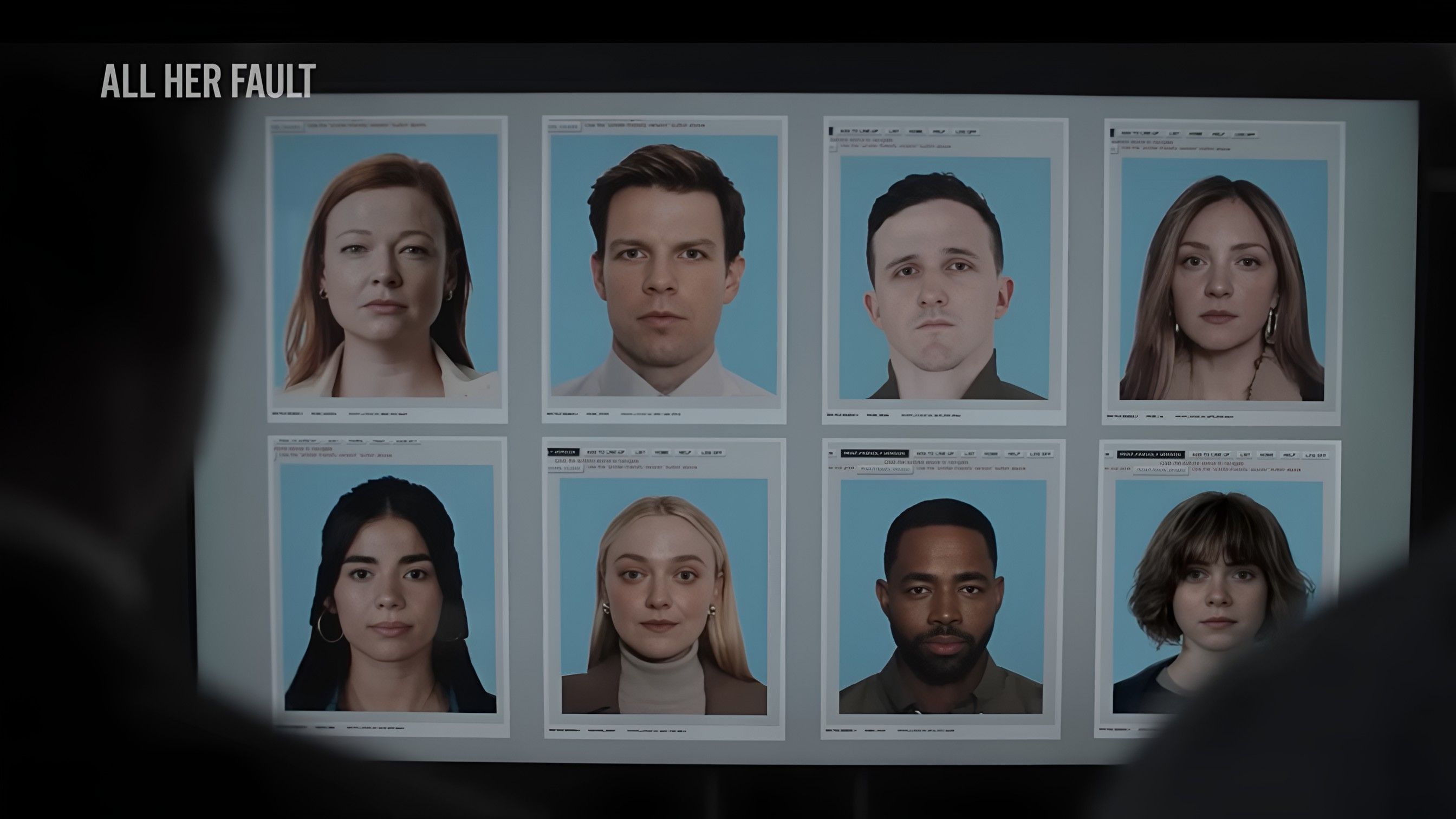
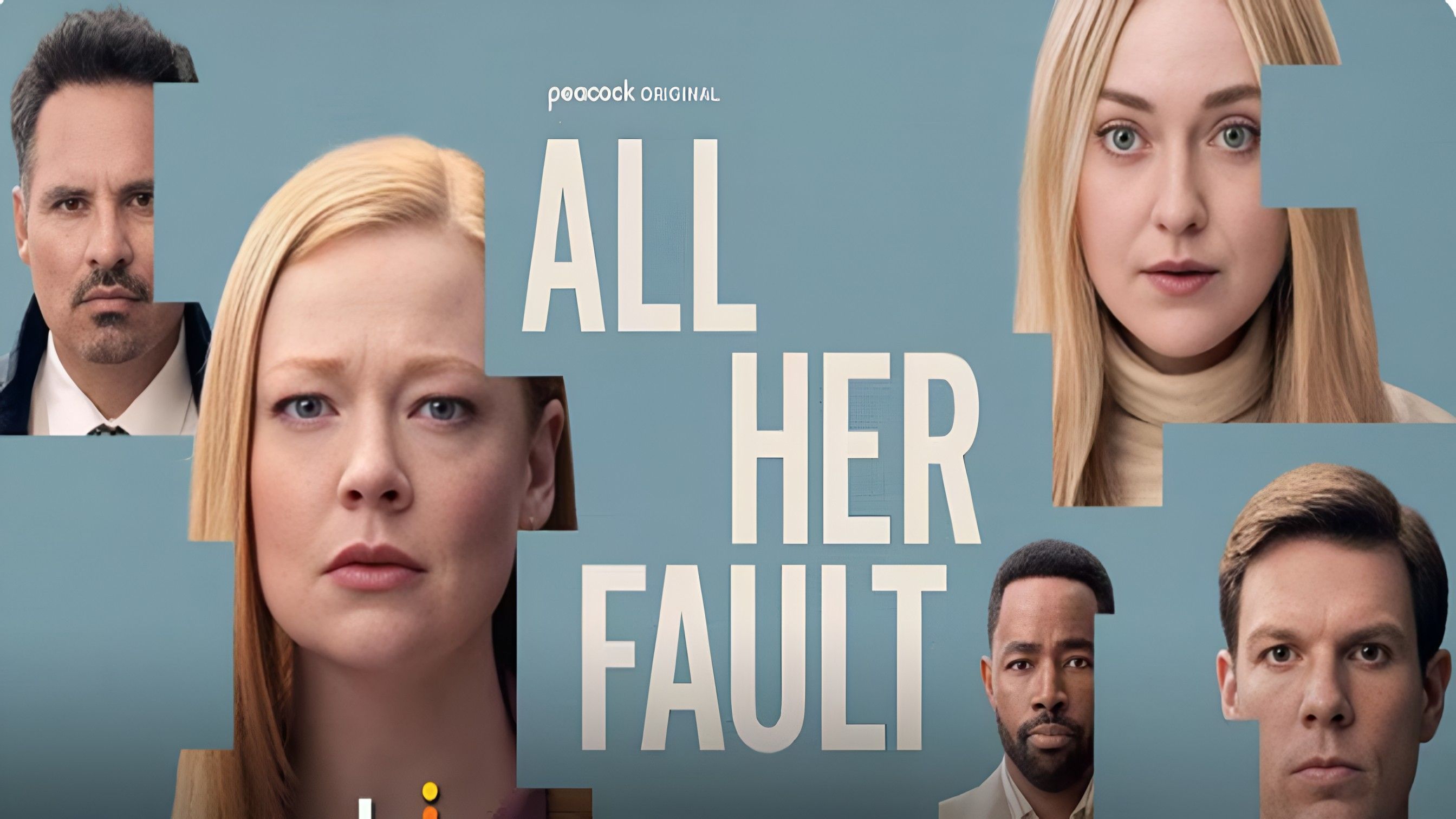
The central twist of All Her Fault reveals that the kidnapping of Milo Irvine was not a random act of predatory violence, but a meticulously planned orchestration involving betrayal by those closest to his mother, Marissa. The "shocking twist" hinges on the revelation that the woman Marissa believed was "Jenny" was a fabricated identity used to lure Milo away, facilitated by Marissa’s supposed friend, Sarah, as part of a complex revenge and cover-up scheme.
The Premise: A Mother’s Worst Nightmare
The plot of All Her Fault begins with a deceptively simple premise that taps into every parent's primal fear. Marissa Irvine arrives at 14 Cotter’s Glade to pick up her young son, Milo, from his first playdate with a new school friend. When she knocks on the door, she is met by a woman she has never seen before—a woman who has no idea who Milo is and who is certainly not the "Jenny" Marissa had been texting to arrange the afternoon’s plans.
This opening hook sets the stage for a high-stakes investigation that moves rapidly through the suburbs of Dublin. The narrative is built on the foundation of "domestic noir," where the danger is not found in dark alleys, but within the refined living rooms and school gates of a seemingly safe community. As of 2026, this story has gained even wider recognition following its high-profile television adaptation, which brought the visceral panic of Marissa’s discovery to a global audience. The plot moves beyond the simple "missing child" trope by focusing on the digital breadcrumbs—the texts and social media interactions—that led Marissa to hand her child over to a stranger.
Character Analysis and Key Suspects
To understand the complexity of the plot, one must first analyze the web of characters surrounding the Irvine family. Each character serves as a potential suspect or a red herring, designed to lead both Marissa and the reader away from the truth.
Marissa and Toby Irvine
Marissa is the protagonist whose perspective drives much of the emotional weight of the story. Her guilt over being a "working mom" and her desire for Milo to socialize more are the vulnerabilities exploited by the kidnapper. Her husband, Toby, initially appears as a supportive partner, but as the investigation deepens, his own secrets—including financial pressures and past indiscretions—make him a primary suspect for the police. The narrative explores the strain of a missing child on a marriage, questioning if Toby could have staged a kidnapping for financial gain or as a twisted form of domestic control.
Sarah: The Confidante
Sarah is Marissa’s closest friend and the person who seemingly helps her navigate the social hierarchies of the school-gate mothers. In the television adaptation and the novel, Sarah’s role is pivotal. She provides the emotional support Marissa needs, but she also has intimate access to Marissa’s schedule and social circle. Her helpfulness is later re-examined under a more clinical light as the plot reveals her deeper connections to the events.
The "Real" Jenny and the Imposter
The mystery of "Jenny" is the core puzzle of the first act. There is a real Jenny in the community, but she never organized a playdate. This introduces the concept of social engineering, where the kidnapper used the real Jenny's identity to gain Marissa's trust. The woman who actually took Milo—referred to in the early parts of the mystery as the "imposter"—is the physical manifestation of the threat, but her motivations remain hidden until the final chapters.
The Narrative Structure: Building Toward the Reveal
The plot is structured through alternating perspectives, a common technique in modern thrillers that allows the author to provide the reader with more information than the protagonist has, without giving away the ending. We see the world through Marissa’s frantic eyes, but we also get glimpses into the lives of other neighbors, such as Irene, an elderly woman who observes the comings and goings of Cotter’s Glade.
Irene’s perspective is crucial for the "slow burn" of the mystery. As a witness who doesn't realize the significance of what she has seen, she provides the clues that eventually allow the police and Marissa to piece together the timeline. This structure forces the reader to constantly re-evaluate who is "at fault"—a theme reflected in the title. Is it Marissa for trusting a text? Is it Toby for his hidden life? Or is it a systemic failure of the community to look out for its own?
By 2026, critics have noted that the story’s strength lies in its "butterfly effect" logic. One small lie or omission by a character in the first hundred pages cascades into the catastrophic event of the kidnapping. The tension is maintained not through physical violence, but through the psychological erosion of trust.
Decoding the Shocking Twist
The climax of All Her Fault is famous for its layered revelations. It is not just a "whodunnit," but a "why-they-did-it" that involves a tragic backstory.
The twist reveals that the kidnapping was orchestrated by Sarah. It is revealed that Sarah’s motivations were rooted in a past tragedy involving her own child, for which she partially blamed the Irvine family or felt a profound sense of injustice regarding how Marissa’s life had progressed compared to her own. Sarah manipulated the digital communications, creating the fake "Jenny" persona to trick Marissa.
The most shocking element of the twist is the realization that Milo was hidden in plain sight, and the "investigation" was being steered by the very person Marissa was leaning on for support. Sarah used her knowledge of Marissa's insecurities to ensure the blame would initially fall on Toby or a random predator, keeping the focus away from the school-gate circle. The resolution shows that the kidnapping was a desperate attempt to "even the scales" of a perceived historical wrong, making the crime deeply personal rather than professional.
Comparison of Character Roles and Motivations
The following table outlines the discrepancy between the characters' public personas and the secrets revealed during the plot's resolution.
| Character | Public Role | Hidden Secret / Reality | Impact on the Twist |
|---|---|---|---|
| Marissa Irvine | Stressed Professional Mom | Deep-seated guilt over a past parenting "failure" | Target of the revenge plot |
| Toby Irvine | Supportive Husband | Involved in shady business dealings and a past affair | Served as the primary red herring |
| Sarah | Best Friend / Helper | Held a long-term grudge over a childhood accident | The mastermind behind the kidnapping |
| Jenny | Quiet Neighbor | Completely unaware her identity was stolen | The "mask" used to lure Milo away |
| Irene | The "Nosy" Neighbor | Witnessed the hand-off of the child | Provided the evidence to break the case |
Book vs. Screen: Changes in the 2026 Landscape
With the 2026 perspective on the television adaptation, there are notable differences in how the plot and twist were handled. While the novel relies on internal monologues to build suspicion, the TV series uses visual cues and "unreliable" camera work to mislead the audience.
In the screen version, the character of Sarah is often portrayed with more ambiguity from the start, making her eventual betrayal feel more like an inevitable tragedy than a sudden shock. Additionally, the television adaptation expanded on the role of the police investigators, providing a more procedural feel to the middle act. However, both versions remain faithful to the core twist: the realization that the greatest threat came from within the circle of "friends" Marissa trusted to keep her son safe.
The series also updated the "tech" aspect of the plot. While the original story focused on SMS and basic social media, the 2026 viewing audience sees a modern interpretation involving encrypted apps and AI-generated voice snippets, which modernizes the "Jenny" imposter ruse for a contemporary setting.
Navigating the Themes of Guilt and Responsibility
The title All Her Fault is a masterclass in thematic irony. Throughout the plot, the phrase is applied to multiple women:
- Marissa: She believes it is all her fault for not checking the house or the mother's identity more thoroughly.
- The Imposter: The public and the media blame the woman who physically took the child.
- Sarah: Ultimately, the fault lies with her for the orchestration, yet the story asks if her original trauma—the one that fueled her revenge—was also someone else’s "fault."
The plot forces the audience to confront the "mom-shaming" culture that permeates suburban life. The investigation is as much a trial of Marissa’s parenting as it is a search for a missing boy. This thematic depth is what elevated the story into a staple of the thriller genre, as it critiques the impossible standards placed on mothers to be perfect protectors in an increasingly disconnected world.
Frequently Asked Questions
Who actually kidnapped Milo in All Her Fault?
Milo was physically taken by an accomplice (the woman posing as Jenny), but the entire operation was masterminded by Sarah, Marissa’s close friend. Sarah used a burner phone and a stolen identity to arrange the playdate and facilitate the kidnapping.
Does Milo survive the events of the plot?
Yes, Milo is eventually recovered. The climax involves a high-tension standoff where the location of the child is revealed, often tied to a property or location significant to the kidnapper’s past trauma. While Milo is physically unharmed, the psychological fallout for the family is a central part of the resolution.
What was Sarah’s motive for the kidnapping?
Sarah’s motive was rooted in a past event where she felt Marissa or those associated with her were responsible for a tragedy in Sarah’s own life. Her actions were a calculated attempt to make Marissa feel the same loss and desperation Sarah had lived through for years.
What is the significance of the address 14 Cotter’s Glade?
14 Cotter’s Glade is the "wrong door." It represents the moment the mystery begins. The house belongs to a woman who has no connection to the school, highlighting how easily a stranger can manipulate social expectations to commit a crime.
How does the twist in the TV show differ from the book?
While the identity of the kidnapper remains the same, the 2026 television adaptation adds more layers to the "digital trail." It also provides a more detailed backstory for Sarah, attempting to humanize her more than the book does, which makes the final betrayal feel more personal to the viewer.
Practical Recommendation for Readers and Viewers
If you are navigating the plot of All Her Fault for the first time, pay close attention to the information Sarah provides to Marissa in the first three chapters. In thrillers of this caliber, the person who is most "helpful" is often the one steering the narrative toward a specific conclusion. For those interested in the psychological aspects of the story, comparing the internal monologue of Marissa in the book to the performance in the screen adaptation offers a fascinating look at how guilt is portrayed across different media.
The ultimate takeaway from the plot is a cautionary tale regarding "digital trust" in the modern age. Verification of identity—even within established social circles—is a recurring theme that remains highly relevant in 2026.