Edith Bunker died from a stroke, specifically a cerebral hemorrhage, which occurred while she was asleep. Her death was not depicted on screen but was revealed in the two-part Season 2 premiere of the spin-off series Archie Bunker's Place, titled "Archie Alone," which aired in September 1980.
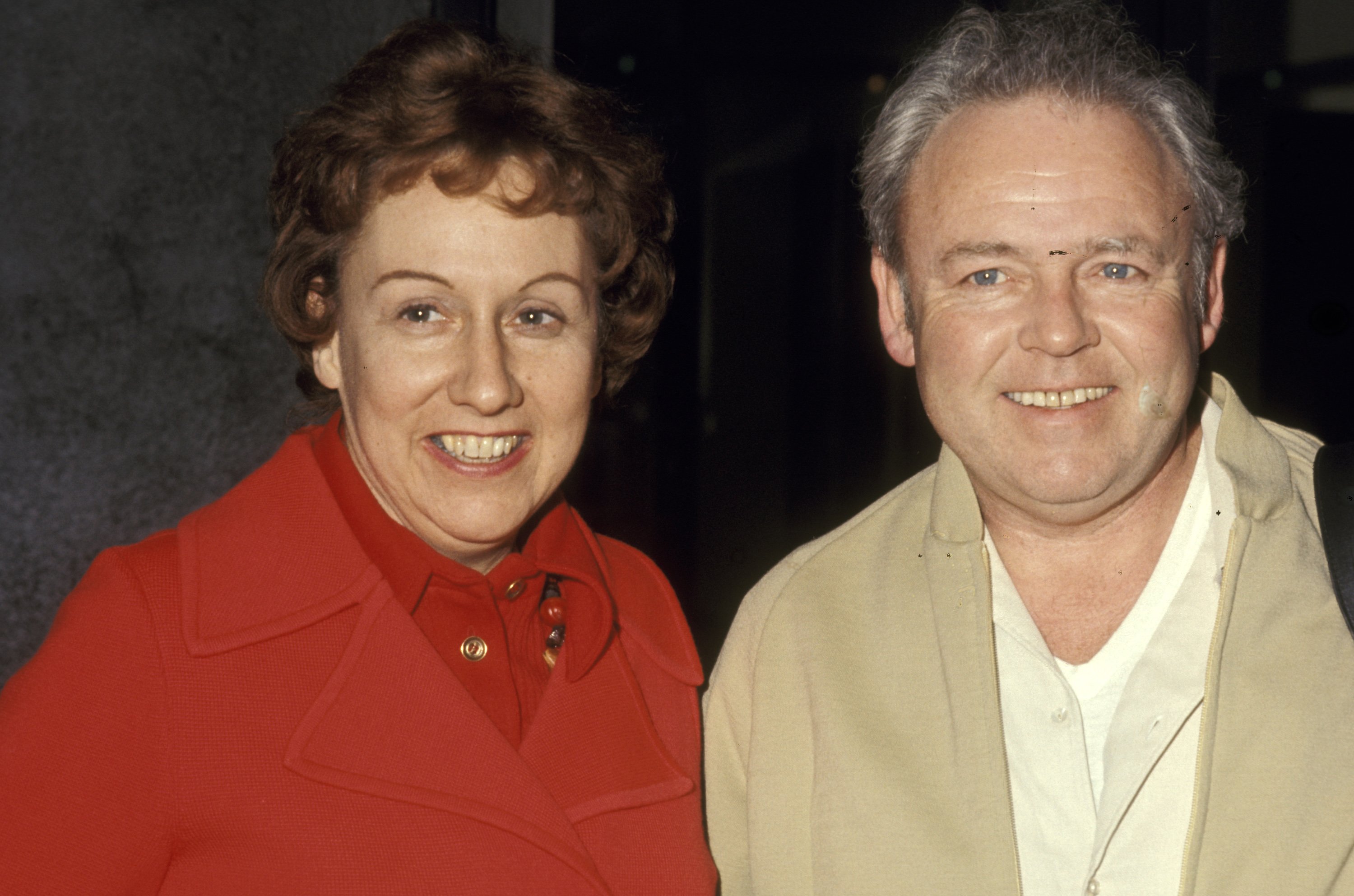
The departure of Edith Bunker marked one of the most significant turning points in American television history. For over a decade, Edith—portrayed with unmatched warmth and nuance by Jean Stapleton—served as the moral compass and "dingbat" conscience of the Bunker household. Understanding her death requires looking beyond the plot of a single episode and examining the creative decisions, the actress's career goals, and the cultural impact of losing such an iconic character.
The Transition from All in the Family to Archie Bunker’s Place
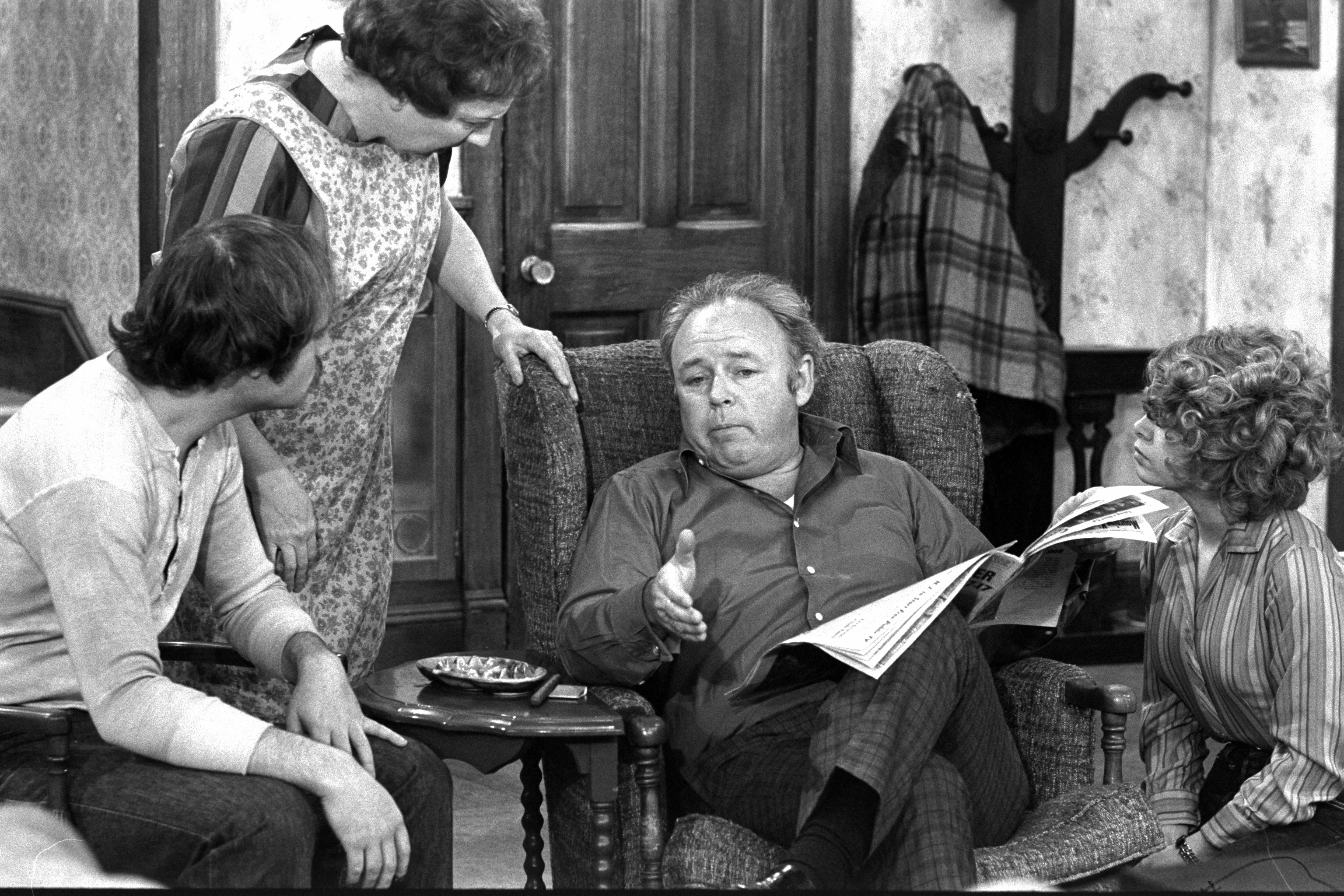
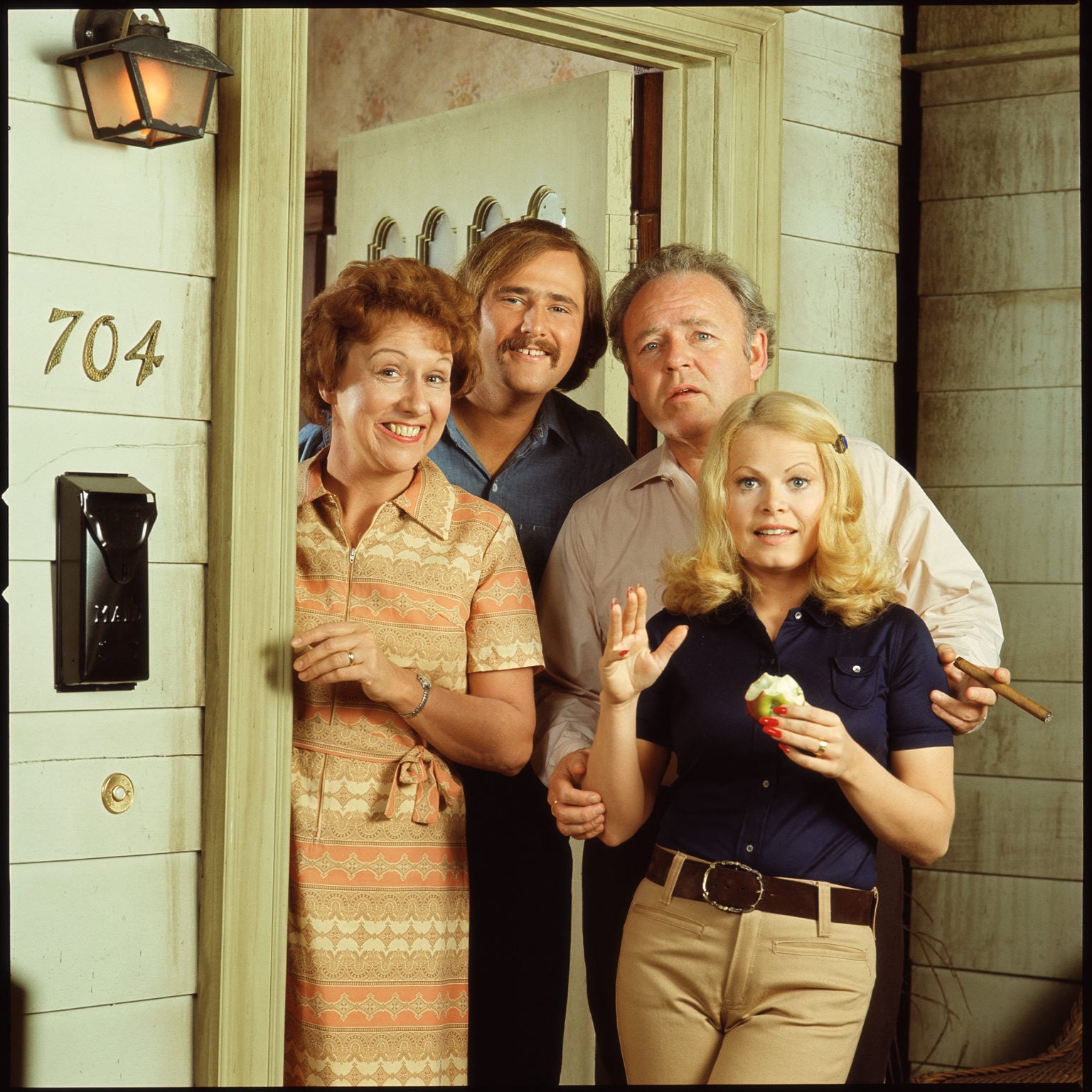
By 1979, All in the Family had fundamentally changed the landscape of the American sitcom. After nine successful seasons, the show technically ended, but the story of Archie Bunker continued in a revamped format titled Archie Bunker's Place. While the original series focused on the domestic conflicts within the house at 704 Hauser Street, the new series shifted the primary setting to the neighborhood tavern Archie had purchased.
During the first season of Archie Bunker's Place (1979–1980), Edith Bunker remained a character, but her presence was significantly reduced. Jean Stapleton appeared in only a handful of episodes—roughly five out of the twenty-four produced that season. The writers handled her absence by explaining that Edith was busy elsewhere or by focusing the narrative entirely on the bar. However, this arrangement was unsustainable for the long-term health of the show. The audience expected Edith, yet Stapleton was ready to move on to other professional challenges.
The Season 2 Premiere: "Archie Alone"
The decision to kill off Edith Bunker was finalized before the production of the second season of Archie Bunker's Place. On September 21, 1980, the two-part episode "Archie Alone" premiered, revealing that Edith had passed away a month prior to the events of the episode.
The Medical Cause: A Cerebral Hemorrhage
In the context of the show's lore, Edith died peacefully in her sleep. The cause was identified as a stroke, or a cerebral hemorrhage. This specific cause of death was chosen to reflect a sudden, painless passing, which spared the character—and the audience—the trauma of a long, drawn-out illness. It also allowed the narrative to focus entirely on Archie’s reaction to the loss rather than the clinical details of her decline.
Archie's Grief and the "Slipper" Scene
The episode "Archie Alone" is widely regarded as a masterclass in the portrayal of grief. For much of the first part, Archie refuses to mourn, maintaining a stoic, almost angry facade. He discourages his friends and family from expressing their sympathy, preferring to bury himself in work at the bar.
The emotional climax occurs when Archie returns to their bedroom and finds one of Edith's pink slippers. This mundane object triggers a breakdown that remains one of Carroll O'Connor’s most powerful performances. Clinging to the slipper, Archie finally speaks to his late wife, expressing his anger at her for leaving him and his profound sorrow. This scene humanized Archie Bunker in a way that years of political arguing never could, showing the deep, if often unspoken, love he held for Edith.
Behind the Scenes: Why Jean Stapleton Left the Show
The death of Edith Bunker was not a creative choice made by the writers to "shock" the audience; it was a necessity born from Jean Stapleton's desire to leave the franchise. After playing Edith for nearly ten years, Stapleton felt she had explored every facet of the character.
A Desire for New Challenges
Jean Stapleton was a classically trained actress with a deep love for the theater. By 1980, she felt that Edith Bunker had become a "limit" on her career. She famously told producer Norman Lear that Edith had become a "cartoon" to some and that she didn't want to be typecast for the rest of her life. Stapleton wanted to return to the stage and take on roles that were diametrically opposed to the high-pitched, subservient housewife she had made famous.
Norman Lear's Hesitation
Norman Lear, the creator of the series, was initially very resistant to killing off Edith. He suggested that Stapleton could remain as a recurring guest star or that the character could simply be "away visiting relatives" indefinitely. However, Stapleton was firm. She argued that Edith would never leave Archie, and Archie would never be away from Edith by choice. Therefore, the only logical way to explain her permanent absence was death. Eventually, Lear conceded that killing the character was the most honest way to respect the integrity of the Bunkers' marriage.
The Narrative Impact: Archie as a Widower
Killing Edith Bunker fundamentally changed the DNA of the show. Archie Bunker's Place evolved from a lighthearted spin-off into a more somber exploration of aging, loneliness, and the challenges of being a single guardian.
- The Role of Stephanie Mills: With Edith gone, the responsibility of raising Stephanie Mills (the young niece they had taken in) fell entirely on Archie. This forced Archie to soften his edges and adopt a more nurturing role, though he still maintained his trademark bigotry and stubbornness.
- A Shift in Tone: The "Hauser Street" domesticity was replaced by the camaraderie of the bar. New characters like Murray Klein (played by Martin Balsam) were introduced to provide Archie with a different kind of foil—a business partner rather than a spouse.
- The End of an Era: Fans often cite Edith's death as the moment the All in the Family era truly ended. Without Edith to tether him, Archie became a more tragic figure, and the show took on a more traditional "sitcom" feel, moving away from the groundbreaking social commentary of the early 1970s.
Historical and Critical Legacy
The death of Edith Bunker is frequently cited in television history alongside other major character deaths, such as those in MASH* or The Mary Tyler Moore Show. However, Edith’s passing was unique because of the character’s status as a cultural icon.
| Key Fact | Detail |
|---|---|
| Series | Archie Bunker's Place |
| Episode Title | "Archie Alone" (Season 2, Episode 1 & 2) |
| Air Date | September 21, 1980 |
| Cause of Death | Stroke (Cerebral Hemorrhage) |
| Actress | Jean Stapleton |
| Reason for Exit | Actress's choice to pursue new roles |
| Archie's Partner | Stephanie Mills (Niece/Ward) |
The legacy of this transition is still discussed by television historians in 2026 as a pivotal example of how to handle an actor's departure with dignity. The choice to deal with grief head-on, rather than using a "recasting" or a "disappearing character" trope, preserved the reality of the show's universe.
FAQs About Edith Bunker's Death
Did Edith Bunker die on All in the Family?
No, Edith Bunker was still very much alive when All in the Family aired its final episode on April 8, 1979. She appeared in the first season of the follow-up series, Archie Bunker's Place, before her character was written off at the start of the second season in 1980.
Why wasn't Edith's funeral shown on screen?
The producers decided not to show the funeral to avoid making the show too macabre. By setting the episode "Archie Alone" a month after the funeral, the writers were able to focus on the long-term psychological impact of grief on Archie, rather than the immediate logistics of a memorial service.
Was Jean Stapleton still alive when Edith died?
Yes, Jean Stapleton was very much alive and healthy when her character died. She lived for many years after the show, continuing to work in film, television, and theater. She passed away of natural causes on May 31, 2013, at the age of 90.
How did the audience react to Edith's death in 1980?
The reaction was one of profound shock and sadness. Edith was beloved for her kindness and her ability to see the good in everyone, including her prejudiced husband. The episode "Archie Alone" received high ratings and critical acclaim, particularly for its sensitive handling of a difficult subject.
Did Archie Bunker ever remarry?
Archie did not remarry during the run of Archie Bunker's Place. While he had various romantic interests and dates in later seasons, the show maintained that Edith was the love of his life. His primary focus remained on running his business and raising Stephanie.
Understanding the Creative Risk
Looking back from the perspective of 2026, the death of Edith Bunker remains a landmark moment in media. It was a massive creative risk; at the time, many believed the show could not survive without the chemistry between O'Connor and Stapleton. While Archie Bunker's Place never reached the same heights of cultural dominance as its predecessor, the "Archie Alone" episodes are still used in film schools and writing workshops to demonstrate how to write a character's exit that honors their history while propelling the remaining characters into new territory.
If you are a fan of classic television, revisiting the transition between these two shows offers a unique look at how the medium evolved from the "socially conscious" 70s into the more "character-driven" 80s. The death of Edith Bunker wasn't just a plot point—it was the closing of a chapter on a specific type of American storytelling.