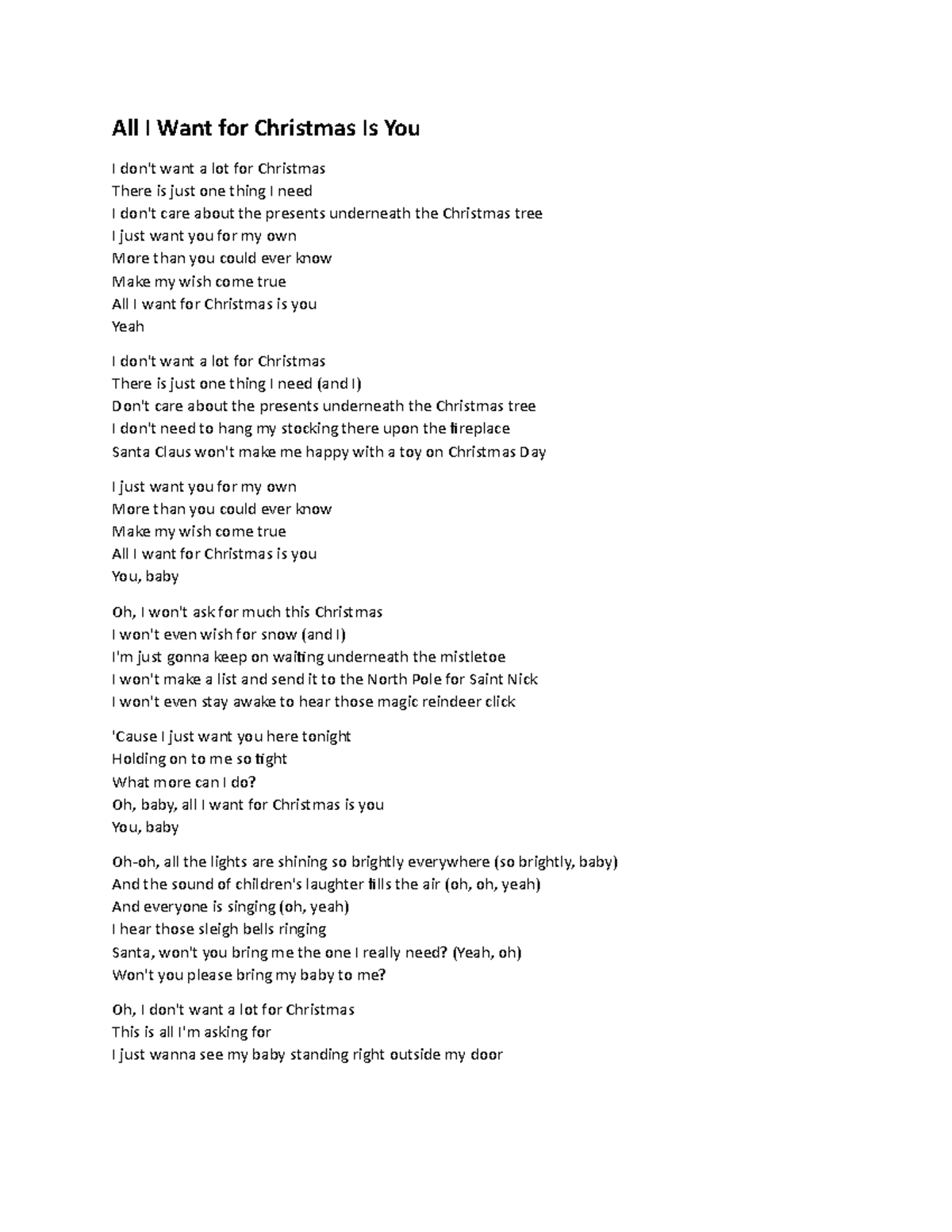
The holiday masterpiece "All I Want for Christmas Is You" was co-written by Mariah Carey and Walter Afanasieff in 1994. By blending 1960s "Wall of Sound" production with timeless lyrical themes of universal longing, the writers bypassed temporary trends to create a modern standard that remains the world's most successful festive song in 2026.
The Collaborative Genius of Mariah Carey and Walter Afanasieff
To understand how holiday magic was captured in a recording studio, one must look at the unique creative partnership between Mariah Carey and her then-longtime collaborator, Walter Afanasieff. In the summer of 1994, Carey was coming off the massive success of her album Music Box, and the decision to record a Christmas album was considered a risky career move for an artist at her commercial peak. Conventionally, holiday albums were reserved for artists whose careers were winding down.
Carey and Afanasieff began the writing process in a rented house in the Hamptons. According to historical accounts from both writers, the core of the song emerged remarkably quickly. While Afanasieff sat at a piano exploring boogie-woogie strides and jazz-inflected chords, Carey began humming the melody and improvising the opening lines. This synergy was essential; Carey provided the festive vision and the "feeling" of the holiday, while Afanasieff provided the structural musical sophisticated to ground it.
The "magic" was not accidental. The writers intentionally sought to create a song that felt like it had existed for decades. They avoided the synthesizer-heavy production typical of the mid-90s, opting instead for a sound that paid homage to Phil Spector’s work with the Ronettes and Darlene Love. This deliberate nod to the 1960s gave the track an immediate sense of "instant nostalgia," making it feel like a classic from the moment it was released.
Decoding the Lyrical Formula: Why These Words Work
The lyrics of "All I Want for Christmas Is You" are a masterclass in songwriting because they pivot away from the materialistic or religious aspects of the holiday to focus on a singular, relatable human emotion: longing. By centering the song on a person rather than a gift or a tradition, the writers ensured the song would never feel dated.
The Power of Universal Longing
The opening lines—"I don't care about the presents underneath the Christmas tree"—immediately set a counter-cultural tone for a holiday often defined by consumption. This clever lyrical "bait and switch" allows the listener to align with the singer’s emotional vulnerability. The "magic words" here are not just about the holiday scenery; they are about the prioritization of human connection over physical objects.
Specific Holiday Imagery
While the core theme is love, the writers meticulously sprinkled the lyrics with high-sensory holiday markers. These "magic words" act as anchors that tether the song to the season:
- "The mistletoe": Suggests romance and tradition.
- "Reindeer pause": Evokes the magic of childhood and folklore.
- "Stocking on the fireplace": Creates a visual of a cozy, domestic setting.
- "Sleigh bells": Both a lyrical mention and a literal instrument used in the track to signal "Christmas" to the brain.
By combining these specific tropes with a fast-paced, upbeat delivery, Carey and Afanasieff created a contrast. The lyrics speak of wanting someone who isn't there, but the music suggests a celebration. This "happy-sad" duality is a common trait among the most enduring songs in history.
The Musical Architecture of Holiday Cheer
Beyond the words, the technical composition of the song is what truly captures the holiday spirit. Musicologists often point to specific harmonic choices made by Afanasieff that trigger a "festive" response in the listener.
One of the most famous elements is the use of the minor 6th chord (specifically the C minor 6th in the key of G). This chord occurs during the line "underneath the Christmas tree." In music theory, this specific chord is often associated with the "classic" sound of the 1940s and 50s, reminiscent of Irving Berlin’s "White Christmas." It provides a moment of bittersweet tension before resolving, mimicking the feeling of holiday nostalgia—a yearning for the past mixed with the joy of the present.
Rhythm and Tempo
The song is set at a brisk 150 beats per minute (BPM). This tempo is high for a ballad but perfect for a danceable holiday track. The "shuffle" rhythm, inspired by 1950s rock and roll, encourages movement. When the writers added the frantic, layered percussion—including the constant jingle of sleigh bells—they ensured the song would maintain a high energy level that cuts through the noise of crowded shopping malls and holiday parties.
Vocal Layering
Mariah Carey’s role as a writer and producer is most evident in the vocal arrangement. She didn't just sing the lead; she arranged and sang all the background vocals, creating a "wall of voices" that makes the song feel grand and communal. This technique makes the track feel like a choir is celebrating along with her, which is a staple of holiday music.
Analyzing the Elements of the "Modern Standard"
To understand how "All I Want for Christmas Is You" compares to other holiday hits, we can look at the specific structural choices that have allowed it to dominate the charts for over three decades, even into 2026.
| Element | Specification | Purpose in "Holiday Magic" |
|---|---|---|
| Key | G Major | Bright, uplifting, and easy for various instruments to play. |
| BPM | 150 BPM | Creates a sense of excitement and "rush" associated with the season. |
| Signature Chord | Minor 6th (Cm6) | Triggers nostalgia and a "classic" 1940s/50s feel. |
| Instrumentation | Sleigh bells, celesta, piano, drums | Traditional "winter" sounds combined with rock and roll energy. |
| Lyrical Theme | Selfless Love | Makes the song relatable to anyone regardless of age or background. |
| Song Structure | AABA (Modified) | Follows the classic "Great American Songbook" structure for familiarity. |
The 2026 Perspective: Long-Term Impact and Cultural Dominance
As of 2026, "All I Want for Christmas Is You" has achieved a status that few songs in the history of recorded music ever reach. It is no longer just a song; it is a seasonal "on-switch" for the global economy and culture. The writers’ ability to capture the specific "magic" of the words has resulted in the song returning to #1 on the Billboard Hot 100 every single year for nearly a decade.
The financial implications are equally staggering. Estimates suggest the song generates millions in royalties every December. This enduring success is a testament to the song's "future-proofing." Because the writers didn't use 1994-specific slang or production techniques (like New Jack Swing or heavy grunge influences), the song does not sound like a relic of the 90s. Instead, it exists in a timeless vacuum that feels appropriate in any era.
Furthermore, the rise of social media and streaming platforms has only amplified the song's reach. In 2026, "All I Want for Christmas Is You" remains a staple for short-form video content and holiday playlists, proving that the writers' focus on a catchy, high-energy hook was the correct strategy for the long term.
Songwriting Strategies: How to Write Your Own Holiday Classic
For modern writers looking to capture similar magic, several lessons can be drawn from the Carey-Afanasieff playbook. Capturing the essence of a holiday requires a balance of tradition and innovation.
- Don't Fear the Cliche, But Subvert It: The writers used "mistletoe" and "presents," but they used them to explain what the singer didn't need. Use familiar imagery to anchor the listener, but provide a unique emotional perspective.
- Focus on the Arrangement: A holiday song is defined by its sounds as much as its lyrics. Incorporating bells, chimes, and organic-sounding instruments (even if they are digital samples) is essential for creating the "magic" atmosphere.
- Create a "Hook" for the Ears and the Heart: The main melody of "All I Want for Christmas Is You" is simple enough for a child to sing but contains enough harmonic complexity to satisfy a professional musician. Aim for that middle ground.
- Embrace Nostalgia: Study the chord progressions of the 1940s and 1960s. Those eras are culturally "coded" as the sound of Christmas in the Western world. Using those building blocks helps a new song feel like an old friend.
Frequently Asked Questions
Who actually wrote "All I Want for Christmas Is You"?
The song was co-written and co-produced by Mariah Carey and Walter Afanasieff. While Carey wrote the lyrics and developed the melody, Afanasieff was responsible for the musical arrangement and the specific chord progressions that give the song its festive feel.
How long did it take to write the song?
Legend has it that the core of the song was written in just 15 minutes. However, both writers have clarified that while the initial idea and melody came quickly in a "bolt of inspiration," the actual production, vocal layering, and fine-tuning took several weeks in the studio to perfect.
Why does the song sound "Christmassy" even without the lyrics?
The "holiday magic" is baked into the music through the use of sleigh bells, which ring consistently throughout the track, and the "shuffle" rhythm. Additionally, the use of the minor 6th chord creates a bittersweet nostalgia that is a hallmark of traditional carols.
Does Mariah Carey still earn royalties from the song in 2026?
Yes, as a co-writer and the primary performer, Mariah Carey continues to earn significant royalties from streaming, radio airplay, and synchronization deals (use in films and commercials). The song is often cited as one of the most profitable pieces of intellectual property in music history.
What was the inspiration behind the lyrics?
Mariah Carey has stated in various interviews that she wanted to write a song that reflected the "Christmas" she imagined as a child. Having had a somewhat tumultuous upbringing, she used the lyrics to capture the idealized, magical version of the holiday she always desired.
Take Action: Study the Masters of the Holiday Standard
To truly understand how to capture holiday magic, aspiring songwriters and music enthusiasts should perform a deep-listening session of "All I Want for Christmas Is You" alongside its 1960s influences. Compare the track to Darlene Love’s "Christmas (Baby Please Come Home)" to see how Carey and Afanasieff updated the "Wall of Sound" for a modern audience.
If you are a creator, try stripping the song down to just a piano or acoustic guitar. You will find that the "magic words" and the melody hold up even without the bells and big production. This is the ultimate test of a well-written song: it must be able to stand alone as a poem and a melody. By studying these elements, you can better appreciate the craft that goes into making a once-in-a-generation holiday classic.