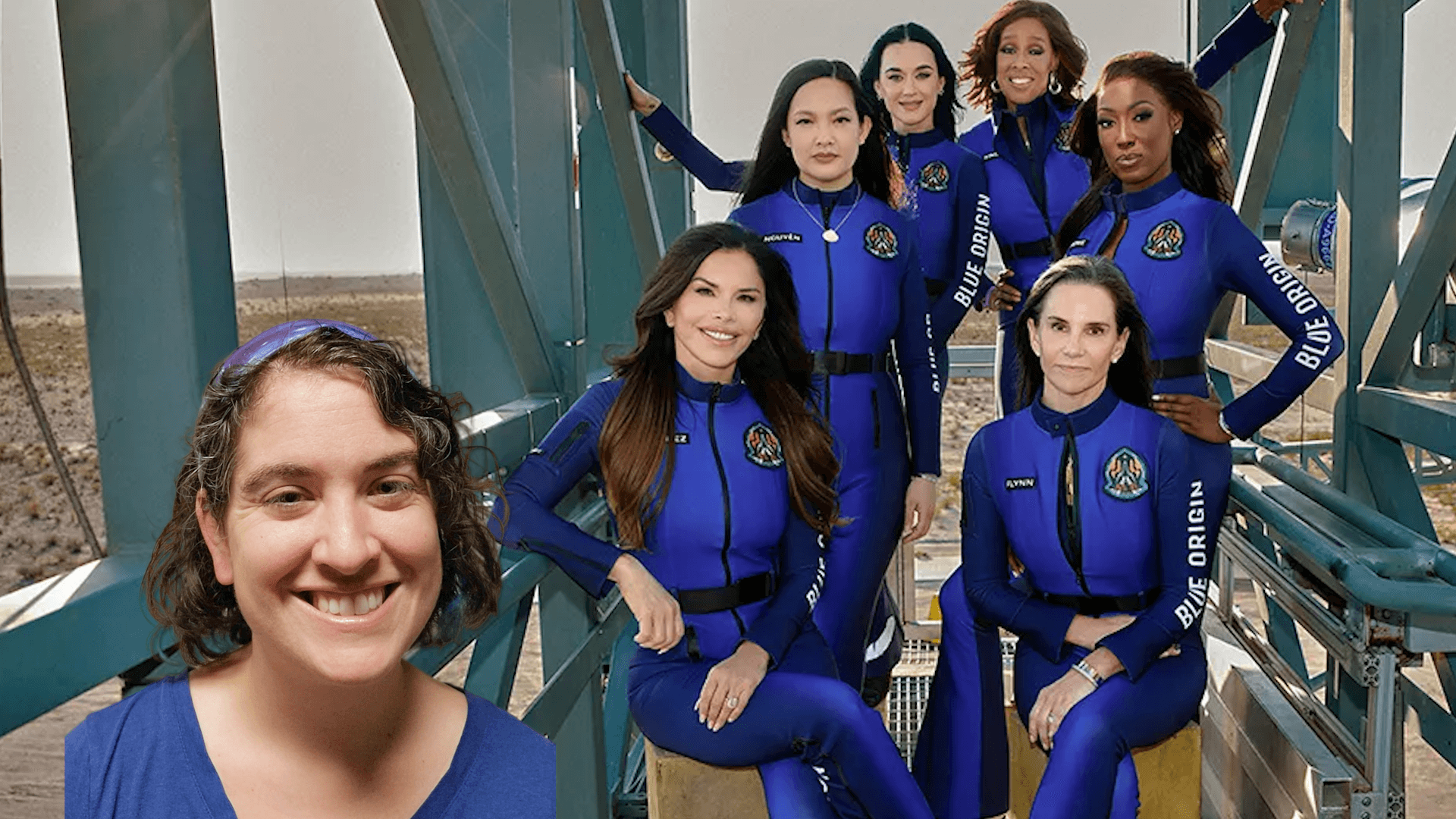
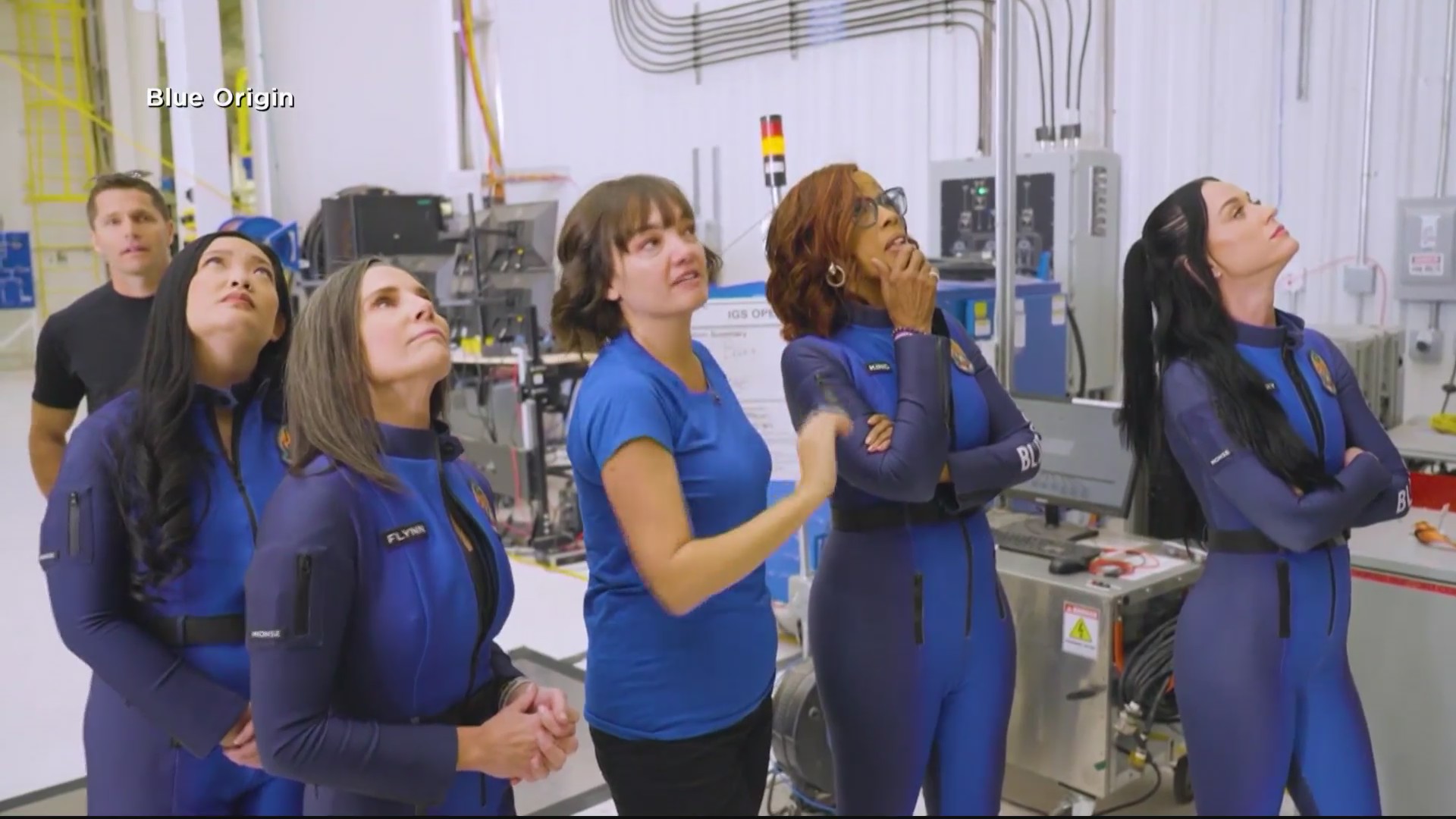
An all-female space crew represents a specialized astronaut team composed entirely of women, designed to conduct extravehicular activities, scientific research, or entire mission profiles. As of 2026, these crews signify a shift from early gender-restricted eras to an inclusive model that optimizes mission success through diverse physiological and cognitive performance metrics in deep space.
Historical Context: From the Mercury 13 to Orbital Milestones
The journey toward an all-female space crew has been a multi-generational progression, beginning not with flight, but with the fight for the right to train. In the early 1960s, a group of thirteen women, now famously known as the Mercury 13, underwent the same rigorous physiological and psychological testing as the original Mercury 7 astronauts. Despite passing these tests—often with higher endurance than their male counterparts—they were barred from the official NASA program because they did not meet the "test pilot" requirement, a role then closed to women.
It was not until June 1963 that Valentina Tereshkova became the first woman in space aboard Vostok 6, a solo mission that proved women could withstand the stresses of launch and microgravity. However, nearly two decades passed before another woman followed. The narrative shifted in 1983 with Sally Ride’s historic flight on the Space Shuttle Challenger, which broke the barrier for American women. By the 1990s and 2000s, women were no longer "guests" in orbit; they were commanders, pilots, and mission specialists.
The concept of the all-female crew moved from theoretical to practical during the International Space Station (ISS) era. This transition was marked by a steady increase in the female astronaut population, leading to a critical mass where all-female teams became an operational necessity rather than a staged event. This historical arc highlights that the "final frontier" was never a matter of biological capability, but of institutional access and technical adaptation.
The Landmark All-Female Spacewalk of 2019
One of the most significant precursors to modern 2026 operations occurred in October 2019, when NASA astronauts Christina Koch and Jessica Meir conducted the first all-female extravehicular activity (EVA). While women had performed spacewalks since Svetlana Savitskaya in 1984, they had always been paired with a male crewmate. The Koch-Meir EVA was a watershed moment because it required the agency to address long-standing technical biases in hardware design.
The mission was originally scheduled for March 2019 with Anne McClain and Christina Koch, but it was delayed due to a lack of available "medium-sized" torso components for the Extravehicular Mobility Units (EMUs). This delay sparked a global conversation about "designing for the average," which historically meant designing for the average male. The eventual success of the Koch-Meir EVA proved that female crews could execute the most dangerous tasks in orbital maintenance—specifically, replacing a failed battery charge-discharge unit (BCDU)—with the same efficiency as any other team.
By 2026, the lessons from this era have been fully integrated into mission planning. The 2019 spacewalk wasn't just a PR milestone; it was a stress test for the station’s logistics and equipment. It forced space agencies to stock a more diverse array of suit sizes and tools, paving the way for the mission flexibility we see in current lunar and orbital rotations.
Technical and Operational Requirements for Female Crews
Modern space missions in 2026 do not view all-female crews as a "niche" configuration, but rather as a standard operational choice. However, achieving this parity required significant technical advancements in life support systems and ergonomic hardware.
Suit Architecture and Ergonomics
The transition from the aging EMUs to the Exploration Extravehicular Mobility Unit (xEMU) has been pivotal. These new suits, designed for the Artemis program, feature modular components that accommodate a much wider range of body sizes. Unlike previous designs that were rigid and difficult to maneuver for smaller frames, the xEMU uses advanced bearings and sizing rings to ensure that astronauts with smaller shoulders and shorter limbs have the same range of motion as their larger counterparts. This eliminates the "mechanical disadvantage" that previously limited female participation in certain EVA tasks.
Physiological Monitoring
Scientific research on the ISS has identified specific physiological differences in how women adapt to microgravity. For example, studies suggest that women may be more susceptible to certain types of radiation-induced cancers but may have a lower risk of Spaceflight-Associated Neuro-ocular Syndrome (SANS), which affects the vision of many male astronauts. In 2026, crew health protocols are tailored to these gender-specific profiles, ensuring that nutrient intake, exercise routines, and radiation shielding are optimized for a female crew’s long-term health.
| Requirement Category | Technical Specification / Consideration | Impact on Mission Design |
|---|---|---|
| EVA Suits | Modular xEMU components with adjustable sizing rings. | Enables any crew member to perform complex surface tasks. |
| Health Monitoring | Gender-specific radiation exposure limits and SANS screening. | Reduces long-term health risks for deep-space missions. |
| Life Support | CO2 scrubbing and metabolic rate calibration. | Optimizes oxygen consumption and waste management. |
| Nutritional Needs | Iron and calcium calibration for bone density maintenance. | Prevents accelerated osteoporosis in long-duration flight. |
| Hygiene Systems | Redesigned waste collection systems (WCS) for female anatomy. | Increases comfort and hygiene during 30+ day missions. |
The Artemis Generation: Lunar Missions and Beyond
As of 2026, the Artemis program stands as the most ambitious effort to normalize female presence in deep space. With the success of the Artemis II mission, which included Christina Koch as a mission specialist, the paradigm has shifted toward the lunar surface. The goal of landing the "first woman and next man" on the Moon has evolved into a broader commitment to gender-balanced lunar rotations.
All-female crews are particularly relevant for the Gateway, the lunar-orbiting station. These crews manage complex logistics between the lunar surface and orbital transfers. The leadership roles within these missions—Commander and Pilot—are now frequently held by women, reflecting the high percentage of female graduates from recent astronaut candidate classes (which have achieved near 50/50 gender parity since the 2013 class).
The "Artemis Generation" is defined by this lack of novelty. For the astronauts training in 2026, the prospect of an all-female crew is a matter of rotation and skill-matching rather than a social experiment. This normalization is crucial for the upcoming Mars transit missions, where crew cohesion and psychological stability over a two-year journey are the primary concerns.
The Psychological Advantage: Team Dynamics in Isolation
Extensive research into Human Factors and Behavioral Performance (HFBP) has explored whether single-gender or mixed-gender crews perform better in isolated, confined, and extreme (ICE) environments. While the data shows that individual competence is the highest predictor of success, some studies suggest that all-female crews often exhibit high levels of collective intelligence and collaborative communication.
In long-duration missions—such as those on the lunar surface or the Gateway—communication styles and conflict-resolution strategies are vital. Research from simulated Mars habitats (like HI-SEAS) has indicated that female-led teams often prioritize consensus-building, which can reduce the "interpersonal friction" that leads to mission-degrading stress. In 2026, NASA and international partners use this data to curate crews that are not just technically proficient, but socially resilient.
Furthermore, the "pioneering" aspect of these crews provides a significant psychological boost to the global STEM community. Seeing an all-female team manage the complexities of a lunar landing or a deep-space research laboratory serves as a powerful proof of concept for the "total talent" approach to exploration, where no intellectual resource is left on the ground due to historical bias.
Private Sector Contributions: Axiom and Beyond
The rise of commercial space stations and private orbital missions has accelerated the frequency of all-female flight opportunities. Companies like Axiom Space have led the way, with missions like Ax-2 being commanded by veteran astronaut Peggy Whitson. These private missions often have shorter lead times than government programs, allowing for more rapid experimentation with crew configurations.
Private entities have also been more aggressive in testing commercial-off-the-shelf (COTS) hygiene and medical products designed for women. This "commercial push" has provided NASA with valuable data on how to manage female health in space without the lengthy procurement cycles of government-designed hardware. By 2026, the collaboration between private flight providers and national space agencies has created a robust ecosystem where female astronauts can thrive regardless of the mission's funding source.
FAQ: Understanding the All-Female Space Crew Landscape
Who was the first woman to command a space mission?
Eileen Collins became the first female Space Shuttle commander in 1999 for the STS-93 mission. This was a critical turning point that proved women could lead complex, multi-million dollar orbital operations. Collins’ leadership paved the way for future commanders like Peggy Whitson, who currently holds the record for the most cumulative time in space by an American.
Why did it take until 2019 for the first all-female spacewalk?
The delay was primarily due to hardware limitations rather than astronaut capability. For decades, NASA’s spacesuits were available in sizes that favored larger, male body types. It wasn't until the agency prioritized the maintenance and assembly of medium-sized suits that a pairing of two female astronauts became logistically possible.
Does radiation affect female astronauts differently?
Historically, NASA had lower career radiation limits for women due to a perceived higher risk of breast, ovarian, and lung cancers. However, in recent years, the National Academies of Sciences, Engineering, and Medicine recommended a uniform career limit of 600 millisieverts for all astronauts, regardless of gender. This change has leveled the playing field for mission eligibility in deep space.
Are there specific missions in 2026 composed only of women?
While most missions remain mixed-gender to reflect the total astronaut pool, specific ISS rotations and private commercial flights (like those by Axiom or SpaceX) have utilized all-female crews for specialized research and technology demonstrations. These missions often focus on biological sciences and the testing of new ergonomic hardware.
How has the xEMU suit helped female astronauts?
The xEMU (Exploration Extravehicular Mobility Unit) features a "scapula-control" system and increased waist flexibility. These features allow astronauts with narrower shoulders and different centers of gravity to perform the strenuous "reaching" and "torquing" motions required for lunar geology and station repair, which were much harder in the older, rigid suits.
Strengthening the Pipeline for Future Pioneers
For those interested in the future of space exploration, the focus must remain on the STEM pipeline and the removal of remaining technical barriers. The success of all-female space crews in 2026 is a direct result of the increased recruitment of women into aerospace engineering, planetary geology, and flight medicine over the last two decades.
The next practical step for the industry is the continued refinement of "Universal Design" in space habitats. This means ensuring that every switch, handle, and interface on a spacecraft is accessible to the 5th percentile of female body sizes through the 95th percentile of male body sizes. By eliminating the need for "specialized" equipment, we ensure that the best person for the job can do the job, regardless of gender. Supporting organizations that provide scholarships for women in aerospace and advocating for inclusive design standards are the most effective ways to ensure that the "final frontier" remains open to everyone.