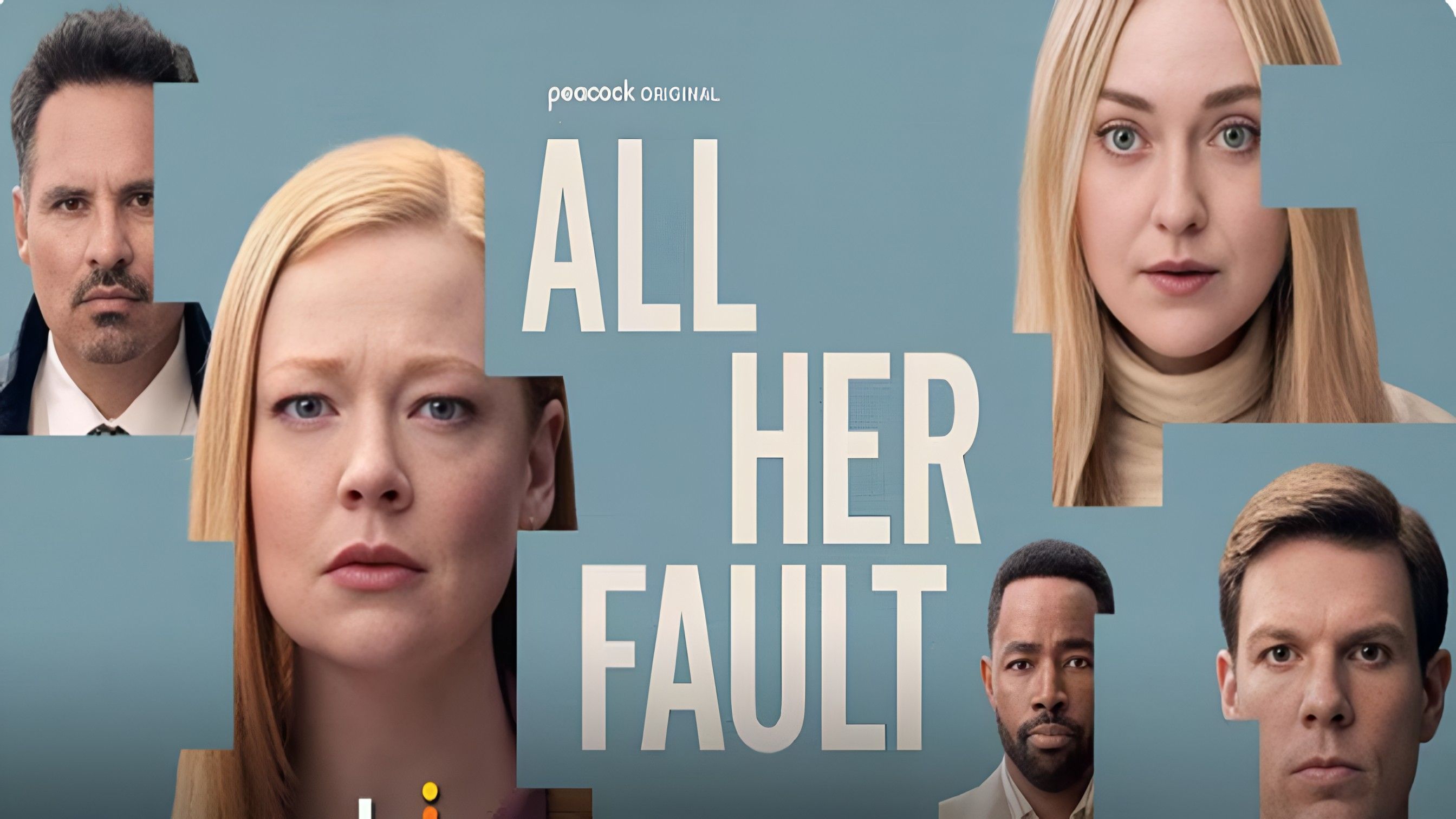
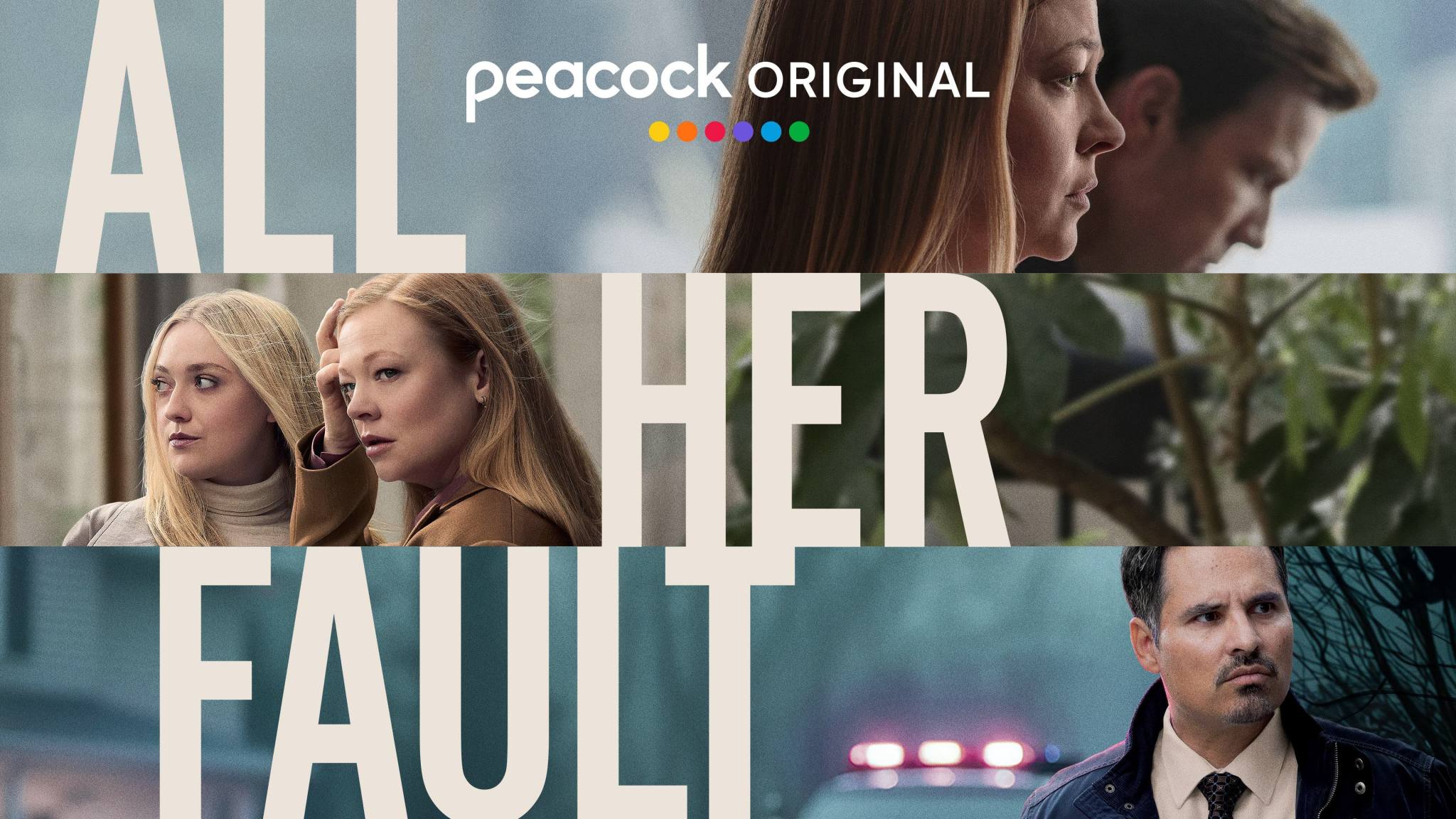
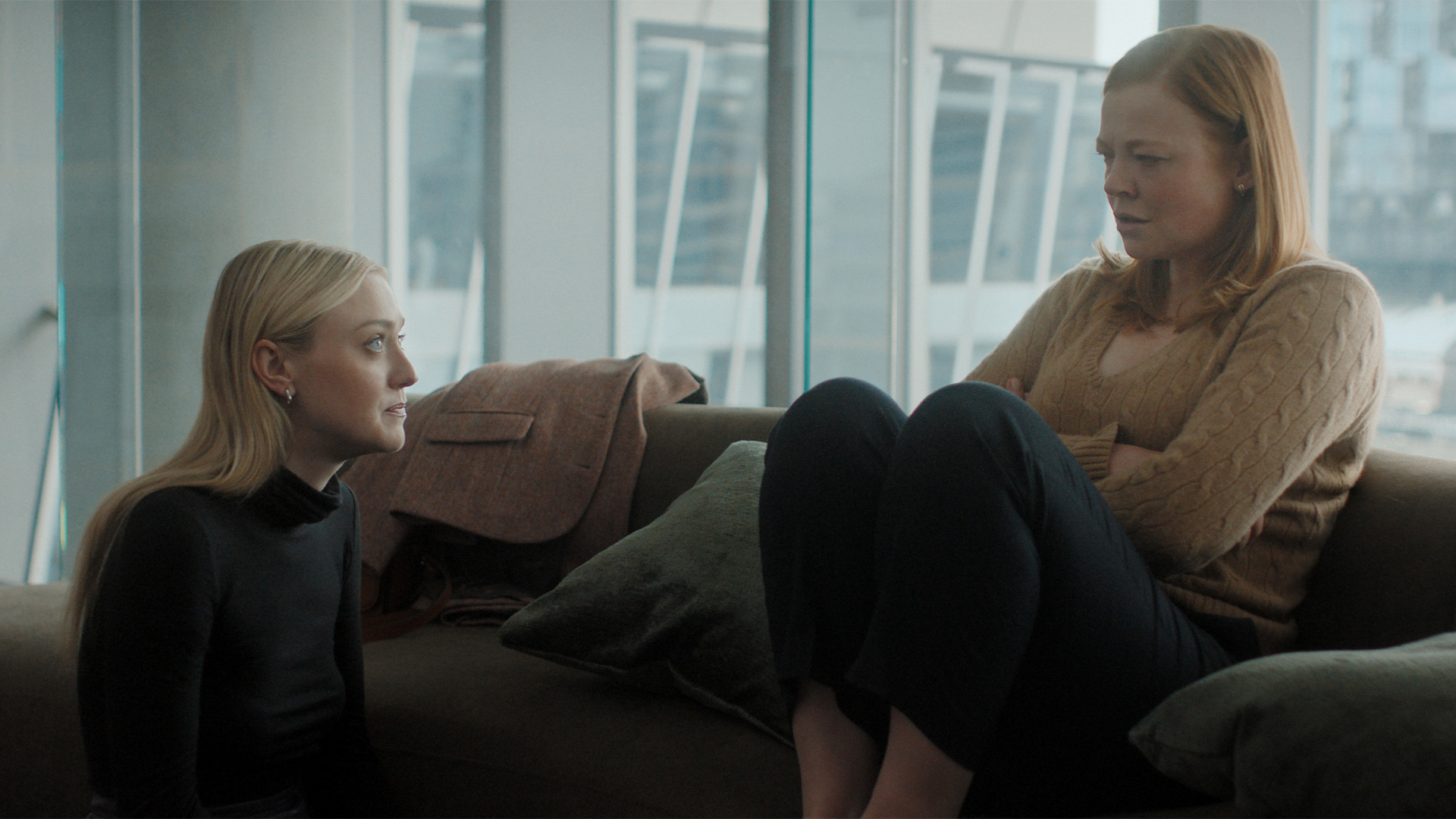
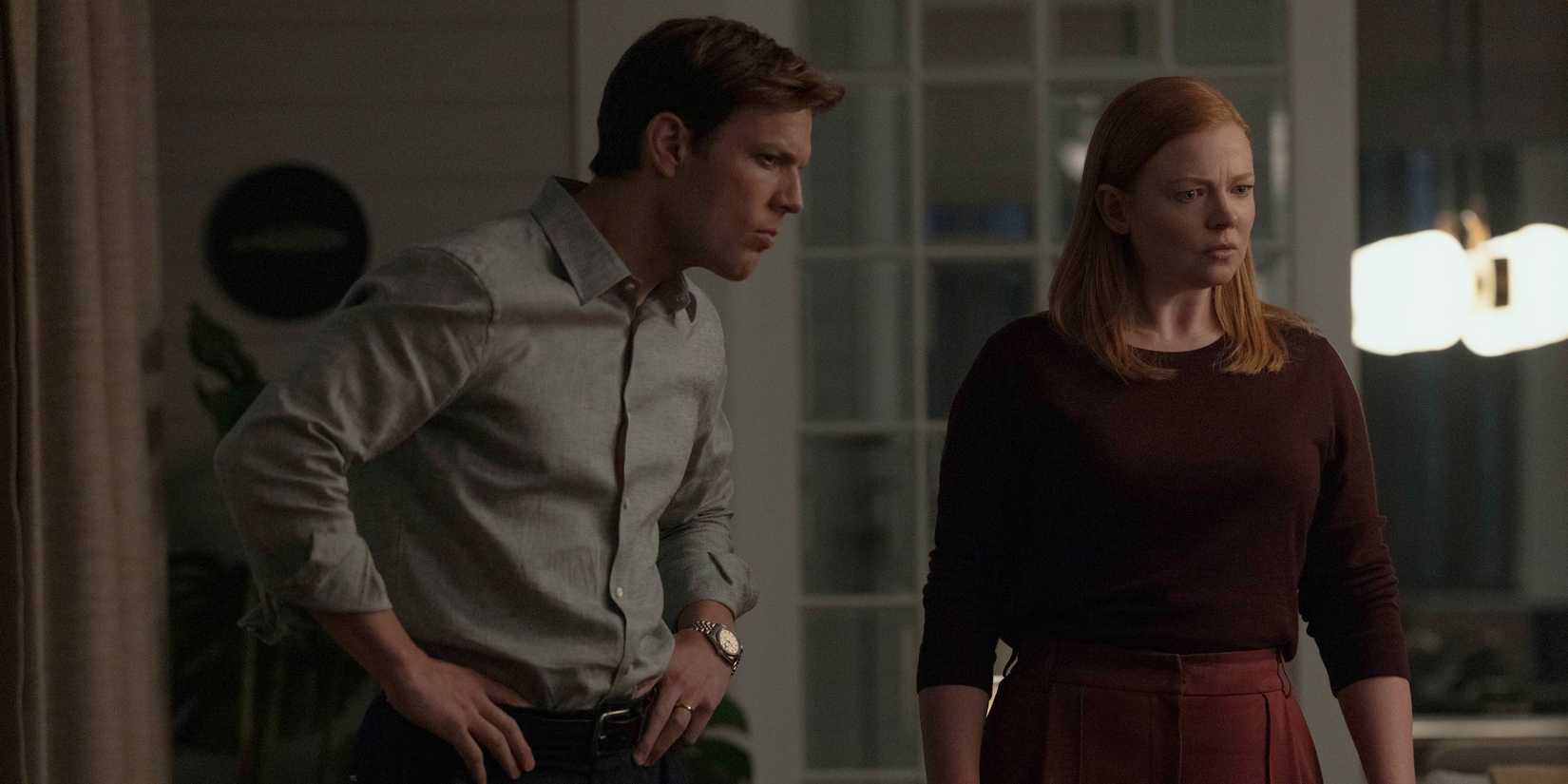
The psychological thriller All Her Fault, starring Sarah Snook, explores the harrowing disappearance of a young boy following a misunderstood playdate. As the search for young Milo intensifies, the narrative uncovers a web of community secrets, parental guilt, and a public scandal that threatens to destroy everyone involved in the search for the truth.
In the landscape of 2026’s premium television, few projects have captured the public imagination quite like the adaptation of Andrea Mara’s bestselling novel, All Her Fault. Central to this fascination is the performance of Sarah Snook, who transitioned from her iconic role in Succession to inhabit the frantic, grief-stricken world of Marissa Irvine. The "scandal" referenced by viewers and readers alike isn't just the kidnapping of a child, but the systemic failure of a community and the dark secrets hidden behind the manicured lawns of suburban life. To understand the truth behind the scandal, one must look at the intersection of the source material, the high-profile casting, and the narrative twists that define this modern thriller.
Understanding the Origins: From Andrea Mara’s Novel to the Screen
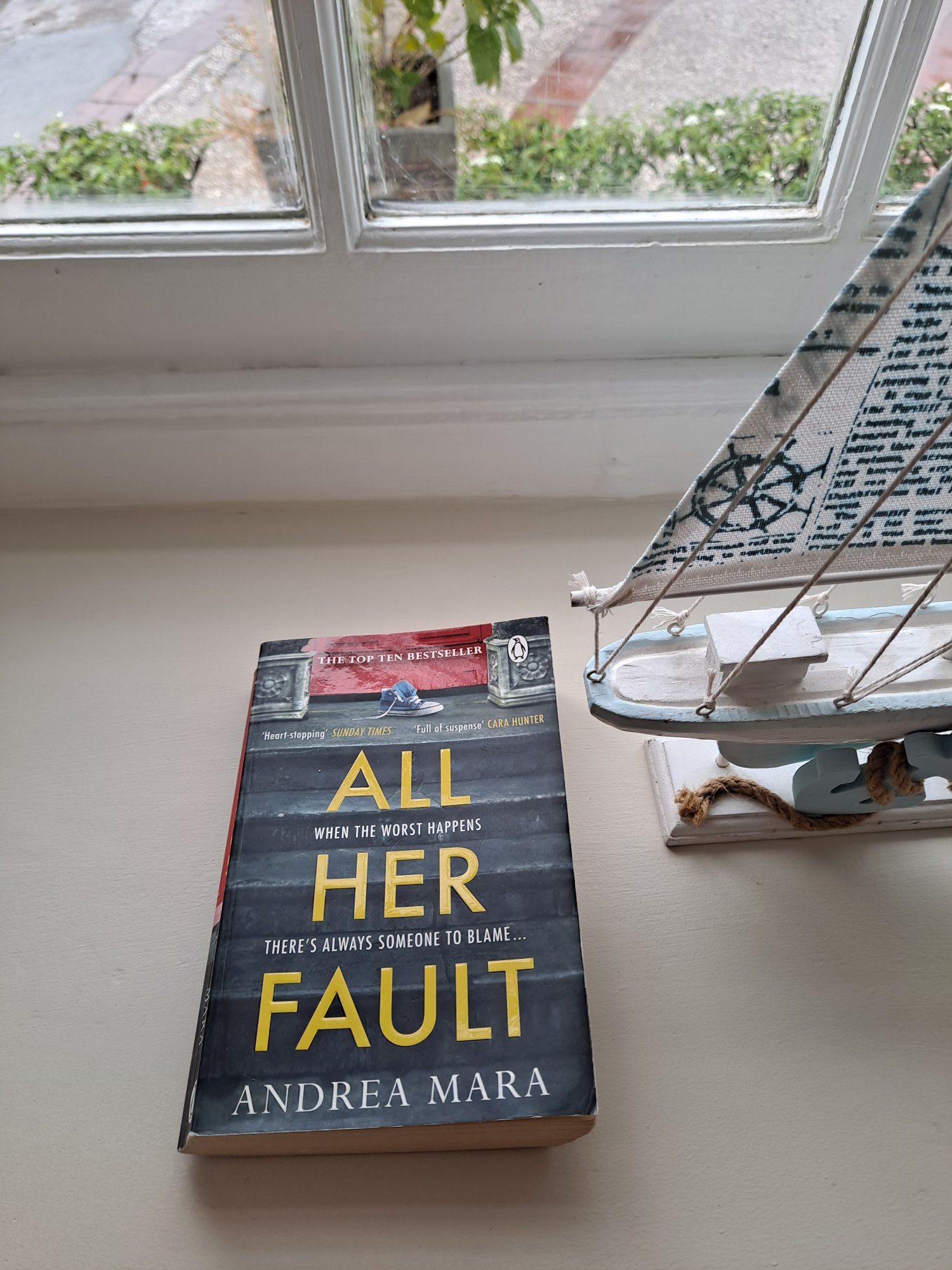
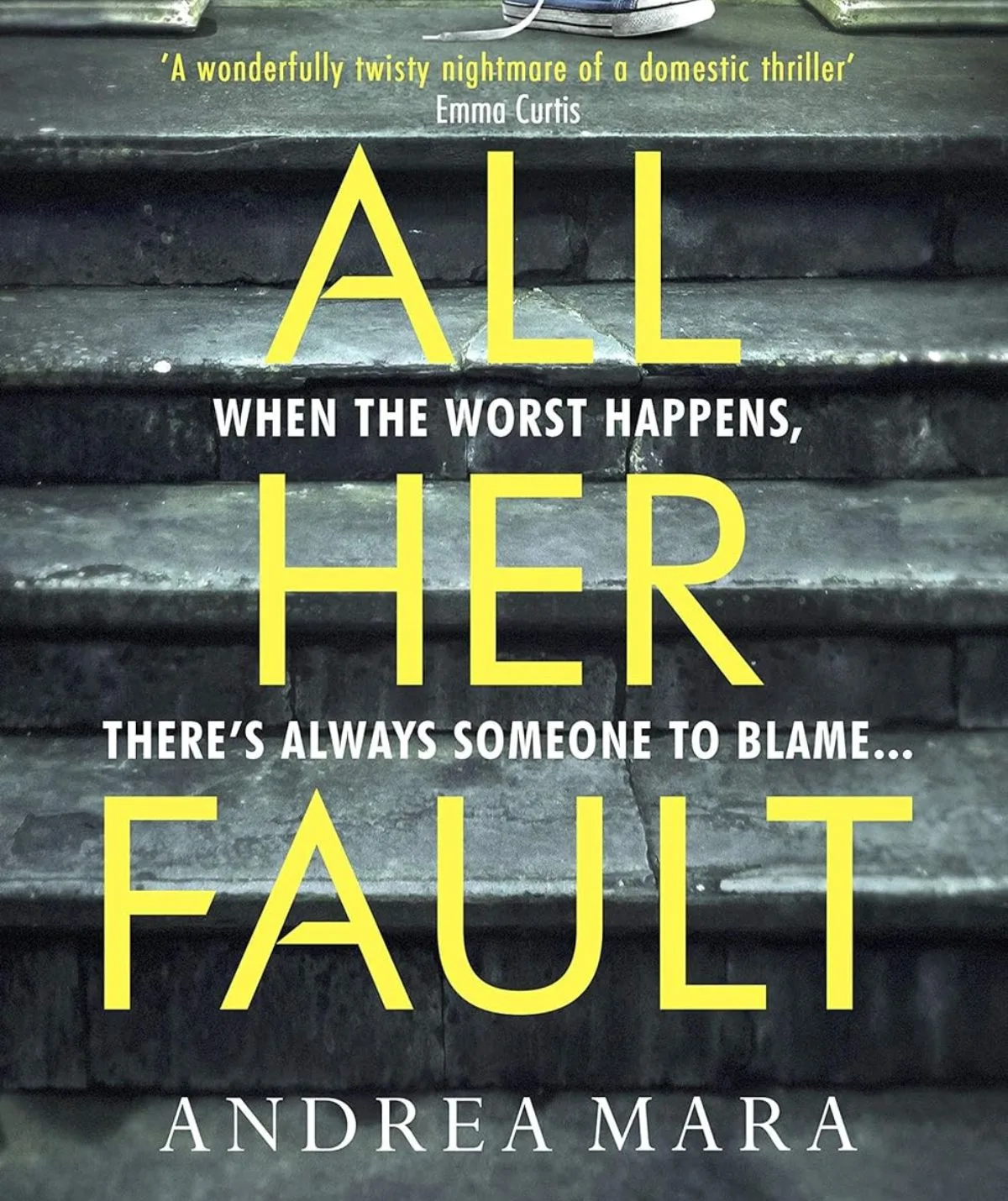
The journey of All Her Fault began with the 2021 novel by Irish author Andrea Mara. The book quickly became a sensation for its "every parent's nightmare" premise: a mother arrives to pick up her son from a playdate only to find that she is at the wrong house, the woman at the door has no idea who she is, and her child is missing. The simplicity of the mistake—a text message with a vague address—serves as the catalyst for a narrative that spirals into a complex investigation.
When Peacock and RTÉ announced the television adaptation, the project gained significant momentum. By 2026, the series has become a benchmark for how to adapt psychological suspense for a global audience while maintaining the claustrophobic tension of the original Irish setting. The transition to the screen required expanding the "scandal" elements, focusing on how social media and neighborhood gossip can weaponize the grief of a mother, turning a tragedy into a public trial.
The production team, including showrunner Megan Gallagher, recognized that the core of the story was the internal life of Marissa. This necessitated a lead actress capable of portraying extreme vulnerability and steely determination. The casting of Sarah Snook provided the series with the prestige and emotional depth required to elevate a standard "missing child" trope into a searing character study.
Sarah Snook and the Cast: Bringing the Mystery to Life
As of 2026, Sarah Snook’s portrayal of Marissa Irvine is regarded as a career-defining performance. Known for her ability to convey complex emotions with minimal dialogue, Snook captures the "all her fault" sentiment that permeates the show. Her character is a woman who blames herself for a moment of inattention, a sentiment that the public and the media are all too happy to echo.
The supporting cast provides the necessary friction that fuels the scandal. The ensemble includes:
- Dakota Fanning: Playing a pivotal role that connects the various subplots of the neighborhood.
- Jake Lacy: Bringing a sense of uneasy domesticity to the screen, often serving as the audience's surrogate in questioning the motives of those around them.
- Abby Elliott and Sophie Lillis: Adding layers to the social dynamics of the community, where every interaction is tinged with the fear that they could be next—or that they are already complicit.
The chemistry between these actors is essential for the "truth" to remain hidden until the final moments. The scandal grows not because of a single villain, but because of a collective series of lies and omissions. The TV series leverages the "Sarah" factor—referring to Snook’s star power—to draw in viewers who might expect a traditional thriller but find themselves embroiled in a much deeper psychological drama.
The Plot Unveiled: The Scandal of the Missing Child
The "scandal" in All Her Fault is multi-layered. On the surface, it is the disappearance of Milo. Beneath that, it is the revelation that the woman Marissa thought she was texting—the mother of Milo’s new friend—isn't who she claimed to be. This leads to the central question of the series: how did a stranger gain enough trust to facilitate a kidnapping through a simple digital exchange?
As the investigation progresses, the focus shifts from the kidnapper to the parents themselves. The media begins to dig into Marissa’s past and her husband’s professional life. In the era of 2026 digital journalism, the series depicts the "truth" being distorted by viral threads and armchair detectives. The scandal becomes a reflection of society's desire to find a "guilty" party in a tragedy, even if that person is the victim’s own mother.
The narrative structure uses flashbacks to show the days leading up to the disappearance, revealing that the "truth" was visible in plain sight. Small inconsistencies in conversations, missed phone calls, and the social pressures of suburban motherhood all contributed to the environment where Milo could be taken. The scandal is essentially a failure of community vigilance, masked by the politeness of middle-class life.
Key Differences: Comparing the Book and the TV Series
While the TV adaptation stays faithful to the emotional core of Andrea Mara’s work, several adjustments were made for the 2026 production to enhance the tension and modernize the technological aspects of the scandal.
| Feature | Andrea Mara’s Novel (Original) | TV Series Adaptation (2026) |
|---|---|---|
| Primary Setting | Dublin, Ireland | Suburban Australia (filmed in Melbourne) |
| Marissa’s Persona | Relatable, suburban mother struggling with guilt. | High-stakes emotional portrayal by Sarah Snook. |
| Role of Technology | Focus on SMS and missed connections. | Enhanced focus on social media "trial by fire." |
| Pacing | Fast-paced, linear investigation with flashbacks. | Slow-burn psychological depth with non-linear arcs. |
| The "Scandal" | Primarily local neighborhood gossip. | National media frenzy and digital "cancel culture." |
| Ending Nuance | Focused on individual resolution. | Broadens the scope to community-wide accountability. |
These changes allowed the series to explore the "scandal" on a larger scale. By shifting the filming to Melbourne but retaining the Irish DNA of the story, the producers created a universal feeling of suburban anxiety that resonated with international audiences.
The Truth Behind the Scandal: Exploring the Major Twists
To understand the truth of All Her Fault, one must navigate the red herrings planted by the showrunners. The "scandal" suggests that Marissa or her husband Peter were involved, or perhaps a disgruntled ex-employee. However, the truth is far more intimate and unsettling.
The kidnapping was not a random act of violence but a calculated maneuver born out of a long-standing grievance. Without revealing the specific identity of the culprit for those yet to finish the series, the truth lies in the "playdate" itself. The woman at the door was not a stranger to everyone; she was a ghost from a past scandal that the community had tried to bury.
The "all her fault" title refers to a specific moment years prior where a different tragedy occurred. The kidnapping of Milo is a delayed reaction—a "debt" being called in. The brilliance of the 2026 adaptation is how it links these two events, showing that the scandal isn't just about a missing boy in the present, but about the lies people tell to protect their status over the decades.
Production Details and Filming Locations
The production of All Her Fault was a significant undertaking for Peacock and RTÉ. Filming took place throughout 2024 and 2025, primarily in Melbourne, Australia. The choice of location was both practical—due to tax incentives and world-class crew availability—and aesthetic. The bright, sun-drenched suburbs of Melbourne provided a stark, ironic contrast to the dark, chilling nature of the kidnapping.
The technical depth of the series is evident in its cinematography. The use of tight close-ups on Sarah Snook emphasizes the claustrophobia of her grief, while wide shots of the neighborhood make the houses look like beautiful, silent observers of the crime. This visual storytelling reinforces the theme that the "truth" is hidden behind every front door.
In 2026, the series has also been praised for its authentic use of technology. Rather than using generic "TV screens," the show utilizes realistic interfaces for social media and messaging apps, which is crucial for a plot that hinges on a mistaken identity facilitated by a text message.
Critical Reception and Audience Impact in 2026
Since its release, All Her Fault has maintained a high rating among critics and viewers. Sarah Snook’s performance is frequently cited as the reason the show succeeds where other thrillers fail. She avoids the clichés of the "hysterical mother," instead portraying Marissa as a woman undergoing a systematic psychological breakdown.
The series has sparked widespread discussion regarding "playdate safety" and the dangers of digital oversharing. Much like the scandal within the show, real-world audiences have debated the "truth" of the characters' motivations on forums and social media. This meta-commentary has only increased the show's popularity, making it one of the most-streamed dramas of the year.
Experts in the thriller genre note that All Her Fault succeeds because it doesn't just offer a "whodunnit" resolution. It offers a "whydunnit" that challenges the viewer's own moral compass. The scandal is eventually resolved, but the scars left on the community—and on Marissa—are permanent, providing a somber, realistic conclusion that sets it apart from more traditional, tidy endings.
FAQ: All Her Fault and the Sarah Snook Adaptation
Who plays the lead role in the All Her Fault TV series?
Sarah Snook plays the lead role of Marissa Irvine. The Australian actress, best known for her role as Siobhan "Shiv" Roy in Succession, brings a deep sense of vulnerability and intensity to the character of a mother whose life is upended when her son is kidnapped following a playdate.
Is the scandal in All Her Fault based on a true story?
No, the scandal is entirely fictional. It is based on the novel of the same name by Andrea Mara. However, the story is inspired by real-world anxieties regarding parental safety, the reliability of digital communication, and how neighborhood communities react to high-profile tragedies.
Where was the All Her Fault TV show filmed?
The series was primarily filmed in Melbourne, Australia. Although the original novel is set in Dublin, Ireland, the production chose Melbourne for its suburban aesthetic and production facilities, while maintaining the narrative's Irish roots through its character backgrounds and co-production with RTÉ.
What is the "truth" behind the title All Her Fault?
The title refers to the pervasive theme of mother-guilt. In the story, Marissa blames herself for sending her son to a playdate at an unverified address. Furthermore, the "scandal" reveals that the kidnapping is connected to a past event for which a specific character was blamed, making the phrase "all her fault" a recurring motif throughout the investigation.
How does the TV show differ from Andrea Mara's book?
The TV show expands on the media scandal and the role of social media in the investigation. It also shifts some character arcs to provide more screen time for the supporting cast, such as Dakota Fanning’s character. While the core "twist" remains the same, the pacing and certain subplots were modified for a 2026 television audience.
Next Actions for Fans of the Series
If you have finished the series and are looking for more information or similar experiences, consider the following steps:
- Read the Original Novel: To get the full internal monologue of the characters, Andrea Mara’s All Her Fault provides a different perspective than the visual adaptation.
- Explore the Soundtrack: The 2026 series features a haunting score that has been released on major streaming platforms, highlighting the show's atmospheric tension.
- Check for "The Making Of": Behind-the-scenes features on Peacock offer insights into how Sarah Snook prepared for the role and how the complex kidnapping sequence was filmed.
- Follow Andrea Mara: The author frequently discusses the themes of her books and the adaptation process on her official social media channels and website.