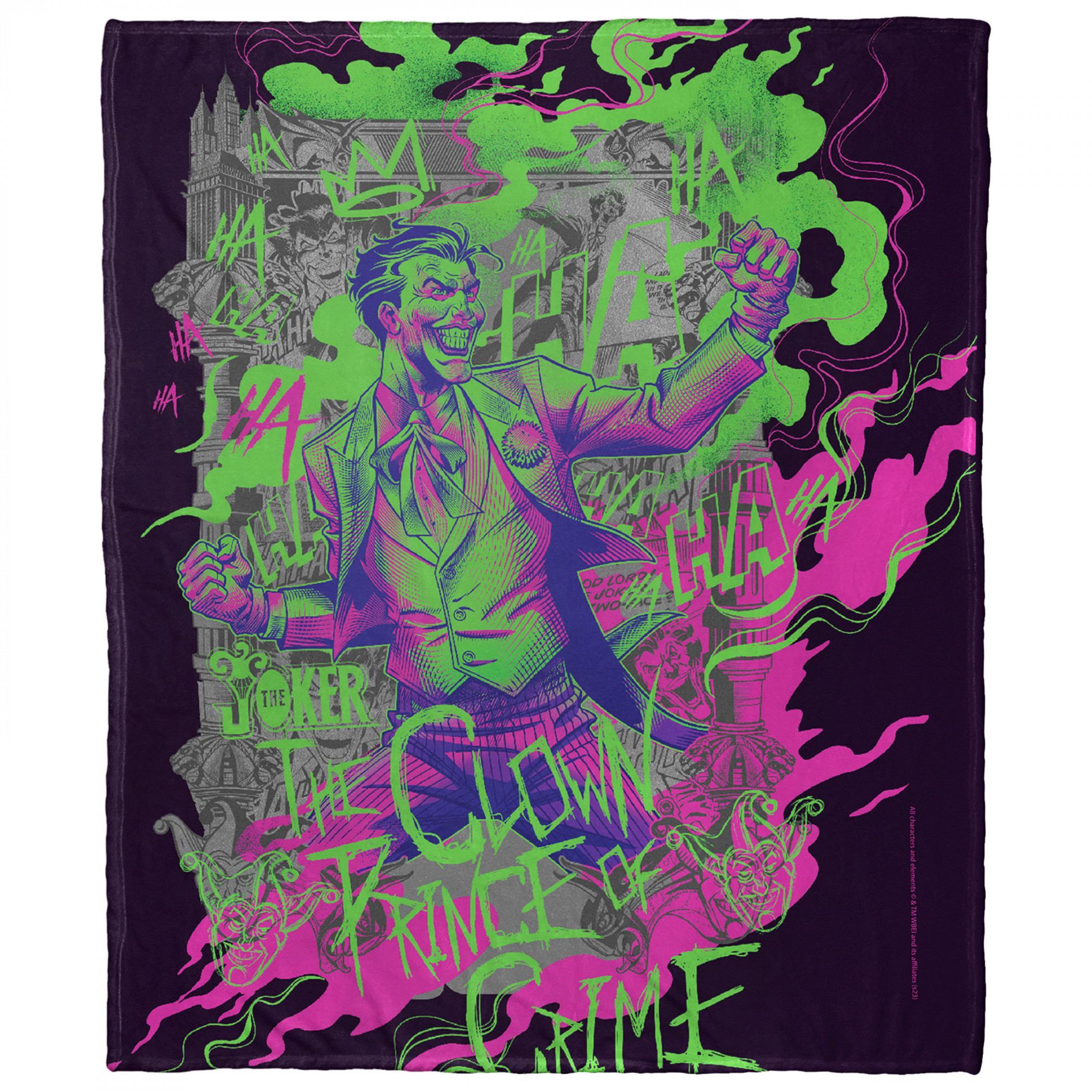
The Joker is the definitive antagonist of the DC Universe, serving as the chaotic antithesis to Batman’s order. Since his debut in 1940, he has evolved from a calculated serial killer to a campy prankster, and finally into a modern symbol of nihilism and psychological terror across comics, film, and television.
The Genesis of Chaos: Origins and Early History
The Joker first appeared in Batman #1 (1940), created by Bill Finger, Bob Kane, and Jerry Robinson. While his exact creator has been a point of historical debate, his visual inspiration is indisputable: the character of Gwynplaine, played by Conrad Veidt in the 1928 silent film The Man Who Laughs. With his shock of green hair, chalk-white skin, and a permanent, grotesque rictus grin, the Joker was instantly recognizable and terrifying.
Initially, the Joker was intended to be killed off in his first appearance to prevent Batman from appearing incompetent for failing to capture his enemies. However, an editorial intervention by Whitney Ellsworth saved the character, leading to a last-minute panel showing the Joker surviving a stab wound. This decision altered the course of pop culture history, allowing the "Clown Prince of Crime" to become the most enduring villain in literature.
In these early years, the Joker was a cold-blooded killer who left his victims with a signature "Joker venom" smile. He was a master of chemistry and disguise, using his intelligence to taunt the Gotham City Police Department. However, as the industry transitioned into the Silver Age of comics and the restrictive Comics Code Authority took hold in the 1950s, the character was softened into a harmless, albeit eccentric, trickster. This era focused more on elaborate "boners" (the contemporary term for mistakes or pranks) and giant-sized props rather than the grim violence of his inception.
The Evolution of Madness: From Prankster to Psychopath
The character underwent a massive resurgence in the 1970s when writer Denny O’Neil and artist Neal Adams reclaimed the Joker’s dark roots. In The Joker's Five-Way Revenge (1973), he returned as a homicidal maniac who was as much a threat to his own henchmen as he was to Batman. This period re-established the Joker as a psychological predator, someone who didn't just want to steal money, but wanted to prove that anyone could be driven to madness.
By the 1980s, the Joker’s transformation into a figure of pure existential dread was complete. Frank Miller’s The Dark Knight Returns (1986) reimagined him as a catatonic patient who only wakes up when he hears of Batman’s return, suggesting a symbiotic, almost romantic obsession with his rival. This was followed by Alan Moore and Brian Bolland’s The Killing Joke (1988), which provided a possible (though intentionally unreliable) origin story. It depicted the Joker as a failed comedian who had "one bad day," leading to a plunge into a vat of chemicals and a total mental break. This story solidified the idea that the Joker has no fixed past; he prefers his history to be "multiple choice."
In the 2020s and leading into 2026, the character has maintained this terrifying flexibility. Modern writers like Scott Snyder and James Tynion IV have explored the Joker as an ancient, almost mythological force of nature—a "Pale Man" who has haunted Gotham for centuries, or a master manipulator who orchestrated the "Joker War" to dismantle Bruce Wayne's entire legacy.
Definitive Comic Book Arcs and Their Impact
To understand the Joker, one must look at the specific stories that redefined his relationship with the Bat-family and the city of Gotham. These narratives are not merely battles; they are philosophical deconstructions of heroism and morality.
- A Death in the Family (1988): In a landmark event where fans voted via telephone to decide the outcome, the Joker brutally murdered the second Robin, Jason Todd, with a crowbar and a bomb. This act changed Batman forever, introducing a permanent failure into the Dark Knight’s career and proving that the Joker could inflict lasting, irreparable trauma.
- Arkham Asylum: A Serious House on Serious Earth (1989): Grant Morrison’s surrealist graphic novel posited that the Joker is not "insane" in the clinical sense, but possesses "super-sanity." In this theory, the Joker reinvents his personality every day to cope with the sensory overload of modern life, explaining his shifts from goofy prankster to mass murderer.
- The Joker War (2020): This storyline saw the Joker finally gaining access to the Wayne fortune and technology, turning Batman’s own tools against Gotham. It moved the character away from small-scale chaos toward high-stakes, city-wide warfare, demonstrating his capacity for strategic genius.
- The Three Jokers (2020): This arc explored the concept that there have actually been three distinct Jokers throughout history: The Criminal (the Golden Age mastermind), The Clown (the Silver Age prankster), and The Comedian (the Modern Age psychopath). While its place in the main "canon" is often debated, it reflects the character's multifaceted nature.
The Joker Across Media: A Comparison of Portrayals
The Joker’s transition to the screen has resulted in some of the most critically acclaimed performances in cinematic history. Each actor has brought a distinct psychological profile to the role, reflecting the cultural anxieties of their time. As of 2026, the character remains a pinnacle role for method actors seeking to explore the limits of human darkness.
| Actor | Era/Project | Archetype | Key Characteristic |
|---|---|---|---|
| Cesar Romero | 1966 Batman Series | The Prankster | Campy, refused to shave his mustache, focused on tricks. |
| Jack Nicholson | 1989 Batman | The Mobster | A vain, art-loving gangster with a chemical origin (Jack Napier). |
| Mark Hamill | Batman: TAS (1992-Present) | The Definitive Voice | Balanced high-pitched laughter with chilling, theatrical menace. |
| Heath Ledger | The Dark Knight (2008) | The Anarchist | An "agent of chaos" with no origin, scars, and a gritty, realistic edge. |
| Jared Leto | Suicide Squad (2016) | The Psychotic Gangster | Modern "street" aesthetic with tattoos and a focus on toxic obsession. |
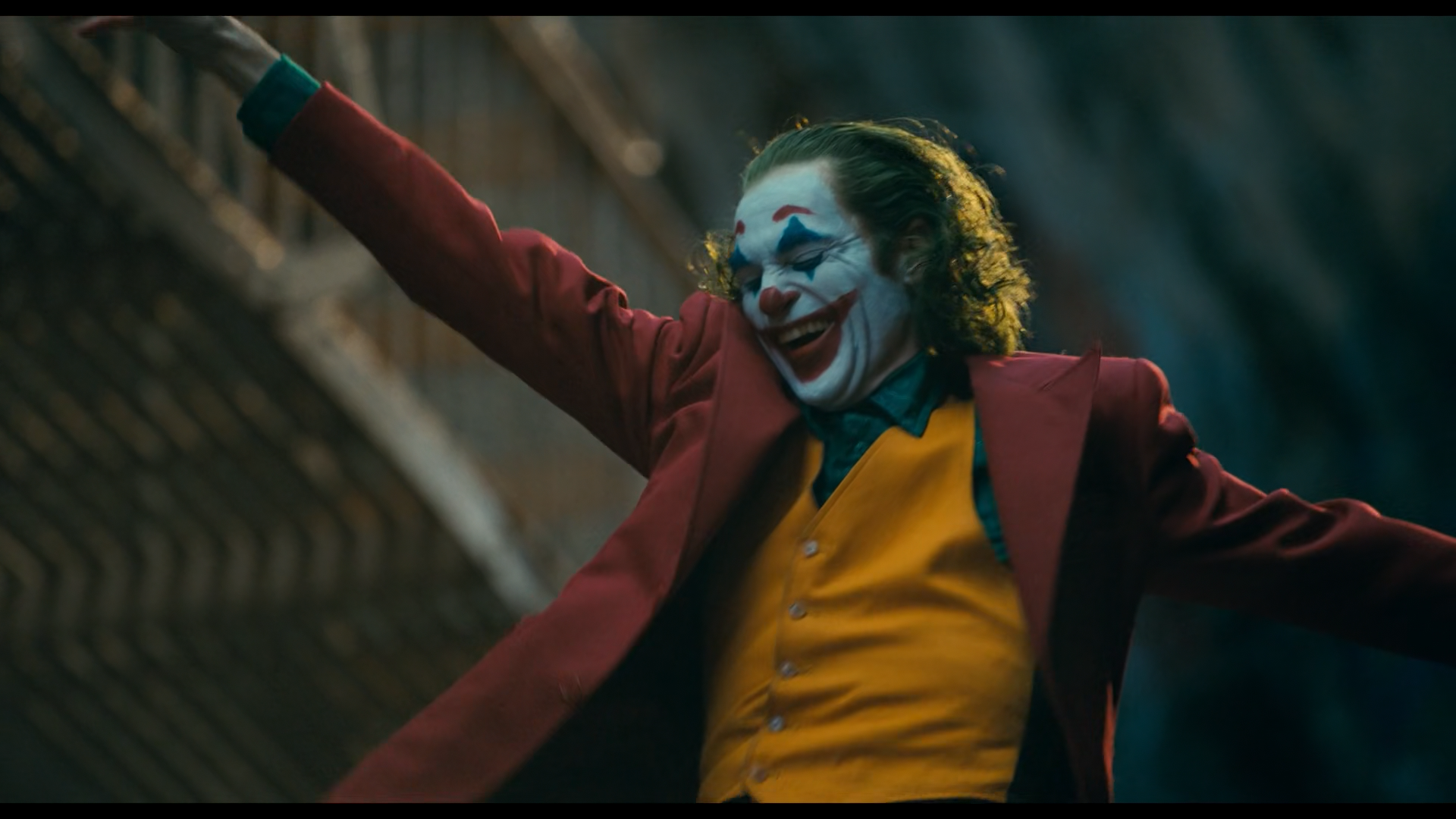
| Joaquin Phoenix | Joker (2019) / Folie à Deux | The Tragic Outcast | Arthur Fleck: a victim of societal neglect and mental illness. |
| Barry Keoghan | The Batman (2022) | The Grotesque Inmate | A deformed, "proto-Joker" focusing on psychological manipulation. |
The evolution from Romero's colorful humor to Phoenix's disturbing social realism highlights how the Joker serves as a mirror for society. While Romero's Joker was a nuisance for a stable 1960s society, Ledger and Phoenix's interpretations reflect a 21st-century fear of systemic collapse and the fragility of the human mind.
The Psychology of the Clown Prince
The Joker’s enduring appeal lies in his lack of a concrete motive. Unlike Mr. Freeze (who wants to save his wife) or Lex Luthor (who seeks power), the Joker often acts simply to prove a point: that the world is a cruel joke and that everyone—especially Batman—is just one bad day away from becoming like him.
Psychologically, the Joker represents the "shadow self" of the audience. He acts on every impulse without regard for social contracts or moral consequences. He is the personification of nihilism—the belief that life is meaningless and that morality is a construct used by the weak to protect themselves from the strong. This makes him the perfect foil for Batman, who is defined by his ironclad self-discipline and his refusal to kill.
In 2026, clinical psychologists and media scholars continue to use the Joker as a case study for "Dark Triad" personality traits: narcissism, Machiavellianism, and psychopathy. However, the Joker defies a simple diagnosis. His "super-sanity" allows him to be whoever the story needs him to be, making him an unpredictable and terrifying adversary who cannot be reasoned with or truly reformed.
Navigating the Joker's Legacy in 2026
As we look at the Joker’s status in 2026, his presence is more pervasive than ever. With the expansion of the DC cinematic universes and the continued success of "Elseworlds" stories like the Joker sequels, the character has transcended the comic book medium to become a global cultural icon.
For fans and collectors, the "All Joker" landscape is vast. Navigating this history requires distinguishing between the different "canons" of the character. Whether you are interested in the high-stakes action of the main DC comic line or the psychological deep dives of the cinematic versions, the core of the character remains the same: a chilling reminder of the darkness that exists within the human psyche.
Frequently Asked Questions
What is the Joker's real name?
In the primary DC Comics continuity, the Joker’s real name remains unknown. While the 1989 film used "Jack Napier" and the 2019 film used "Arthur Fleck," the comics usually maintain the mystery to preserve the character’s "force of nature" status. The 2022 Flashpoint Beyond series suggested a name of "Jack Oswald White" in an alternate reality, but his "true" identity in the main timeline is still an enigma.
Why does the Joker have green hair and white skin?
The most common explanation is a chemical accident. In The Killing Joke and Batman (1989), the character falls into a vat of chemical waste at the Ace Chemical Plant while trying to escape Batman. The chemicals permanently bleached his skin white, dyed his hair green, and stained his lips red, resulting in a mental breakdown that birthed his villainous persona.
Does the Joker actually love Harley Quinn?
The relationship between the Joker and Harley Quinn is traditionally depicted as abusive and one-sided. While Harley was deeply in love with him, the Joker viewed her primarily as a tool, a punchline, or a distraction. In recent years, Harley Quinn has broken away from the Joker to become an independent anti-hero, a shift that has been reflected in both comics and films like Birds of Prey.
How has the Joker survived so many "deaths"?
The Joker's survival is often attributed to his incredible luck, tactical genius, and a high pain tolerance. Some storylines, such as Endgame, hint at him using a regenerative substance called "Dionesium," while others suggest his "deaths" are merely theatrics designed to allow him to return when Batman least expects it.
What is the best Joker story for beginners?
Batman: The Killing Joke by Alan Moore is generally considered the best starting point for understanding the character's modern psychology. For those who prefer a more grounded, cinematic feel, Batman: The Long Halloween showcases his role within the larger Gotham underworld during Batman's early years.
Building a Joker Collection: Next Steps
For those looking to dive deeper into the world of the Clown Prince of Crime in 2026, the best approach is to curate your experience by era. Start with the Bronze Age (1970s) to see the character regain his menace, then move into the Modern Age (post-1986) for the most complex psychological explorations.
If you are a collector, focus on "Key Issues" such as Batman #251 (the return of the homicidal Joker) or Detective Comics #475 (the "Laughing Fish" story). For digital readers, the DC Universe Infinite platform offers curated "Joker's Greatest Hits" collections that provide a chronological look at his evolution. Ultimately, the best way to understand the Joker is to see him in conflict with the Dark Knight; their relationship is the heart of the mythos, a never-ending cycle of order versus chaos that continues to captivate audiences worldwide.