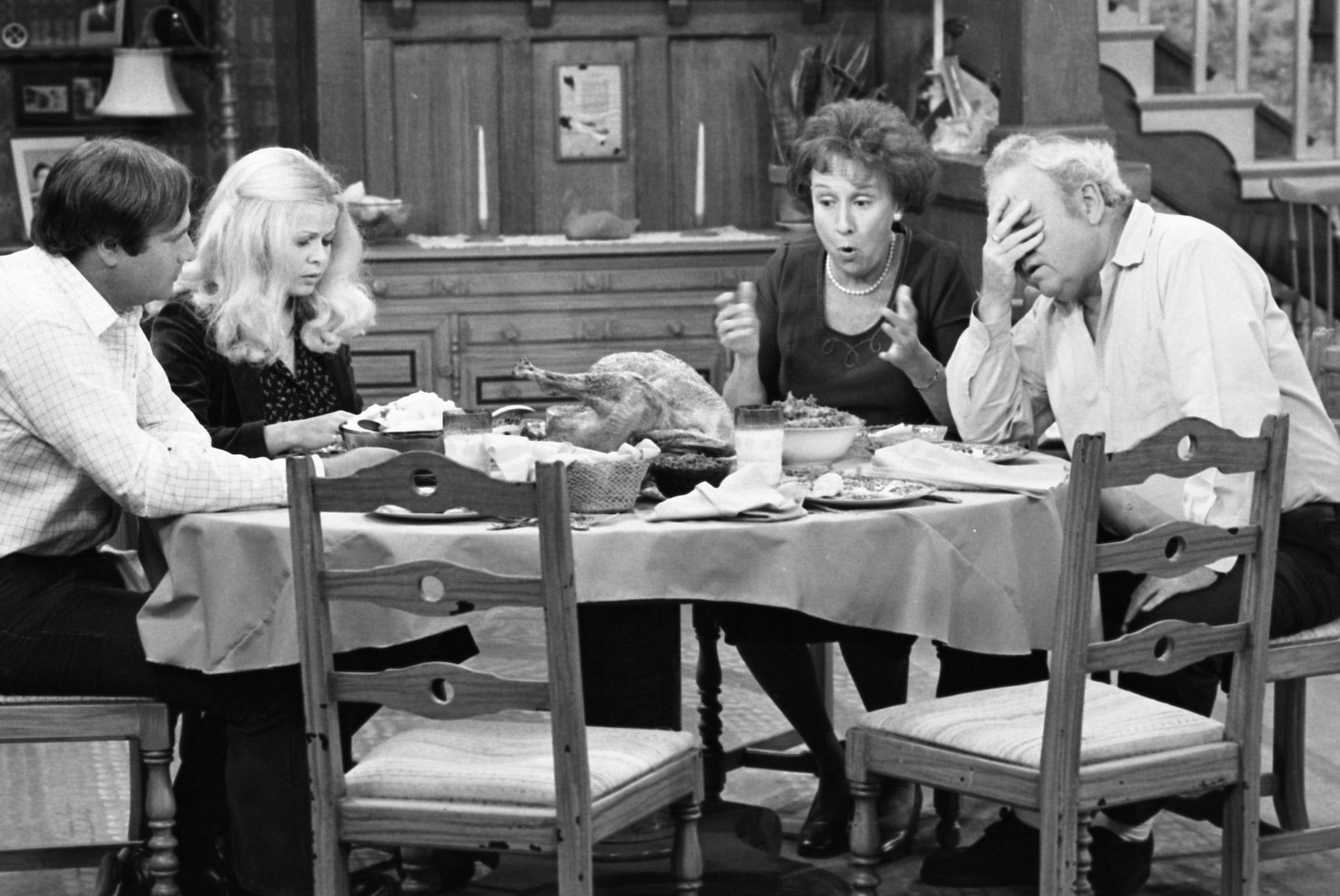
All in the Family is the definitive 1970s American sitcom that fundamentally transformed television by introducing mature social and political themes into the domestic comedy genre. Created by Norman Lear, it utilized the character of Archie Bunker to hold a mirror to societal prejudices, effectively ending the era of escapist, "sanitized" family television.
The Origin Story: Reimagining the American Sitcom
In the late 1960s, American television was dominated by "rural" comedies and escapist fantasies like The Beverly Hillbillies and Bewitched. While the country was embroiled in the Vietnam War and the Civil Rights Movement, the families depicted on screen remained largely unaffected by the outside world. This changed in January 1971 when Norman Lear and Bud Yorkin adapted the British series Till Death Us Do Part for an American audience.
Lear’s vision for All in the Family was to bring the dinner-table arguments of real American households into the living room. The show focused on the Bunker family living at 704 Hauser Street in Queens, New York. The patriarch, Archie Bunker, was a blue-collar dock foreman who was outspoken, bigoted, and resistant to the changing social tides of the era. The show was not merely a comedy; it was a psychological study of the "Silent Majority" and the generational friction that defined the 1970s.
The path to air was not easy. ABC initially funded two pilots but ultimately passed on the project, fearing the controversial nature of Archie’s language and attitudes. When CBS finally picked up the show, they were so nervous about public backlash that they installed extra phone operators to handle the expected flood of complaints. To the network's surprise, the show became a massive hit, proving that audiences were hungry for a television program that acknowledged the complexities and flaws of real life.
Character Archetypes and Dynamics: Beyond Archie Bunker
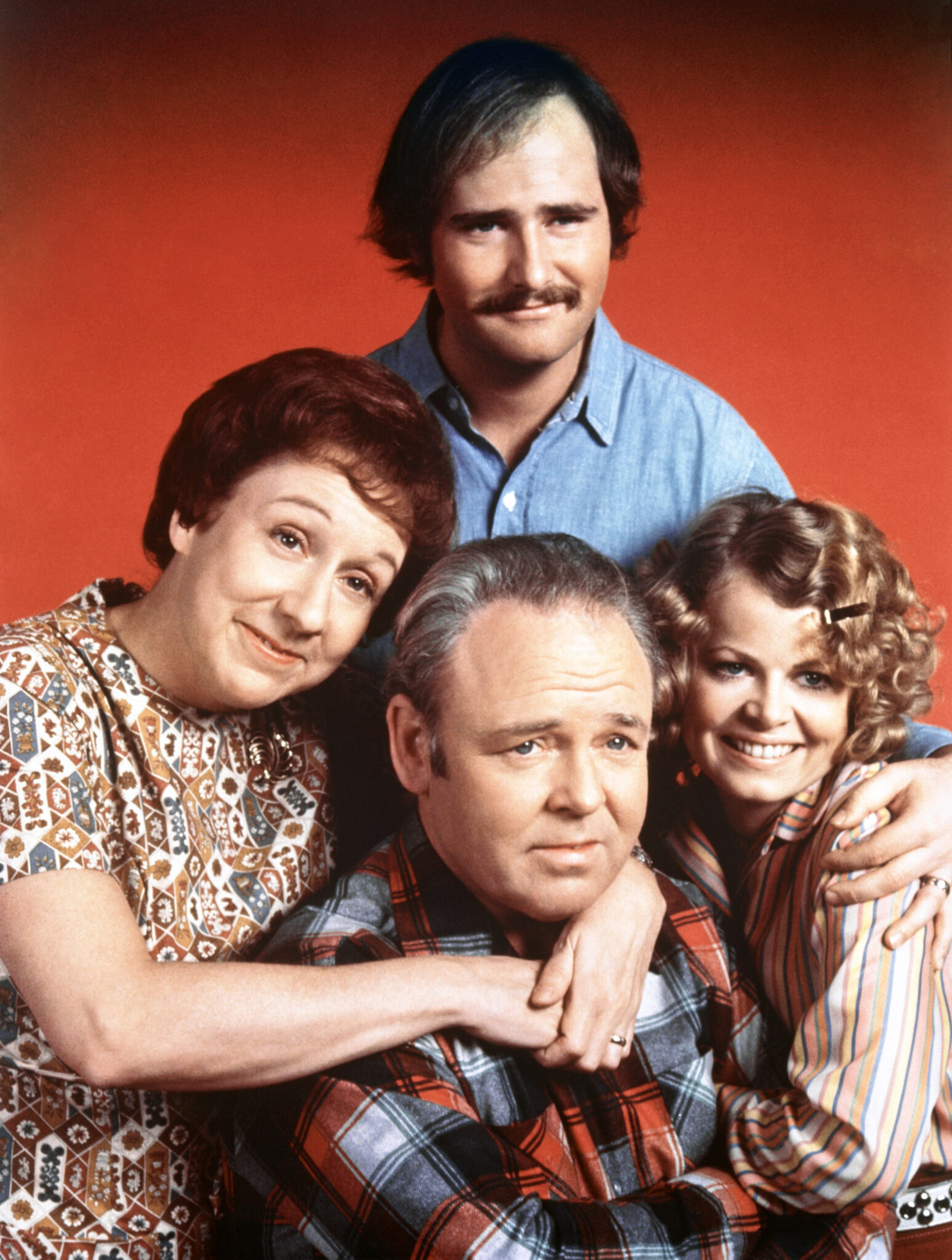
The success of All in the Family relied on a perfectly balanced quartet of characters, each representing a different facet of the American psyche. While Archie Bunker was the focal point, the show’s longevity was sustained by the interplay between the four leads.
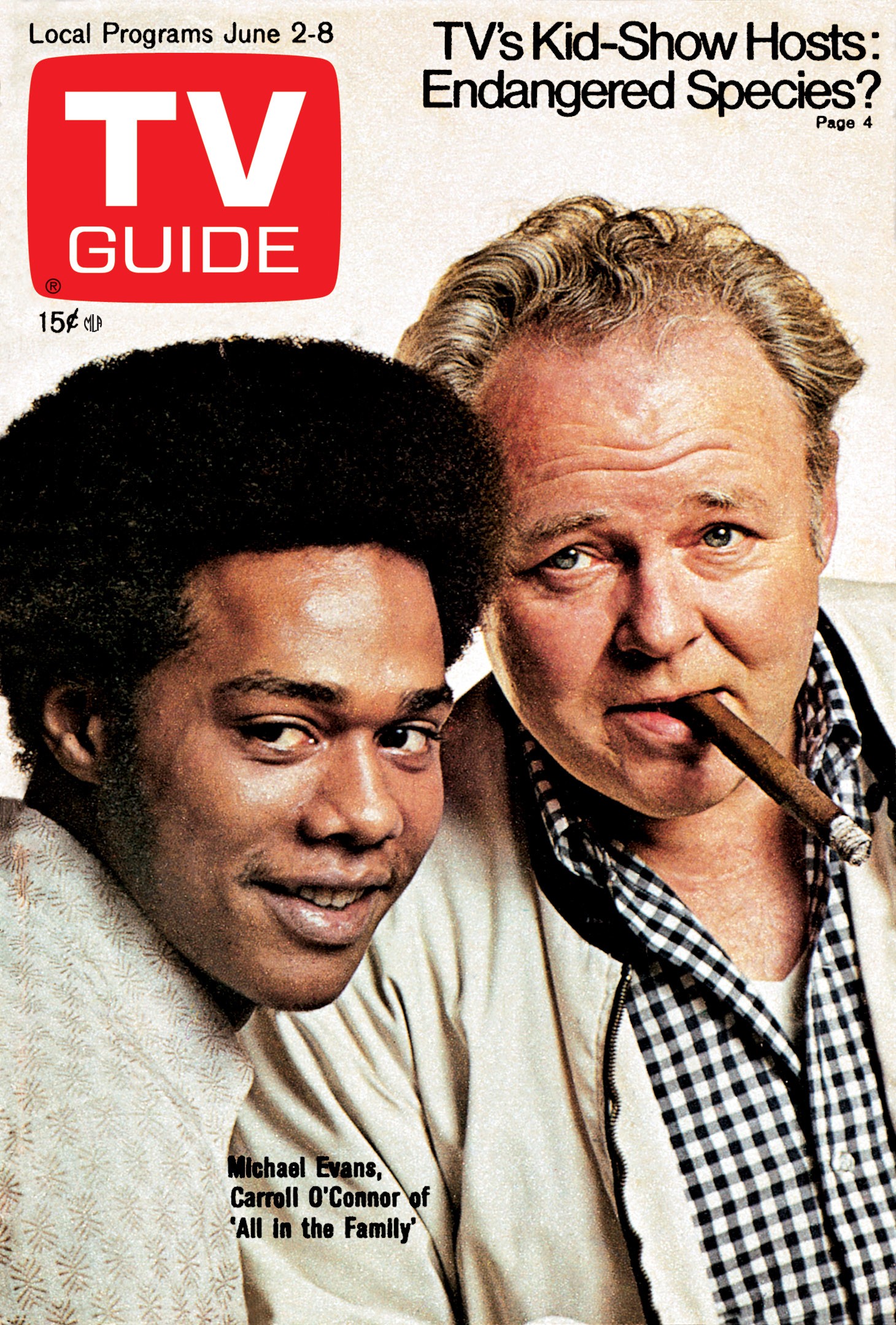
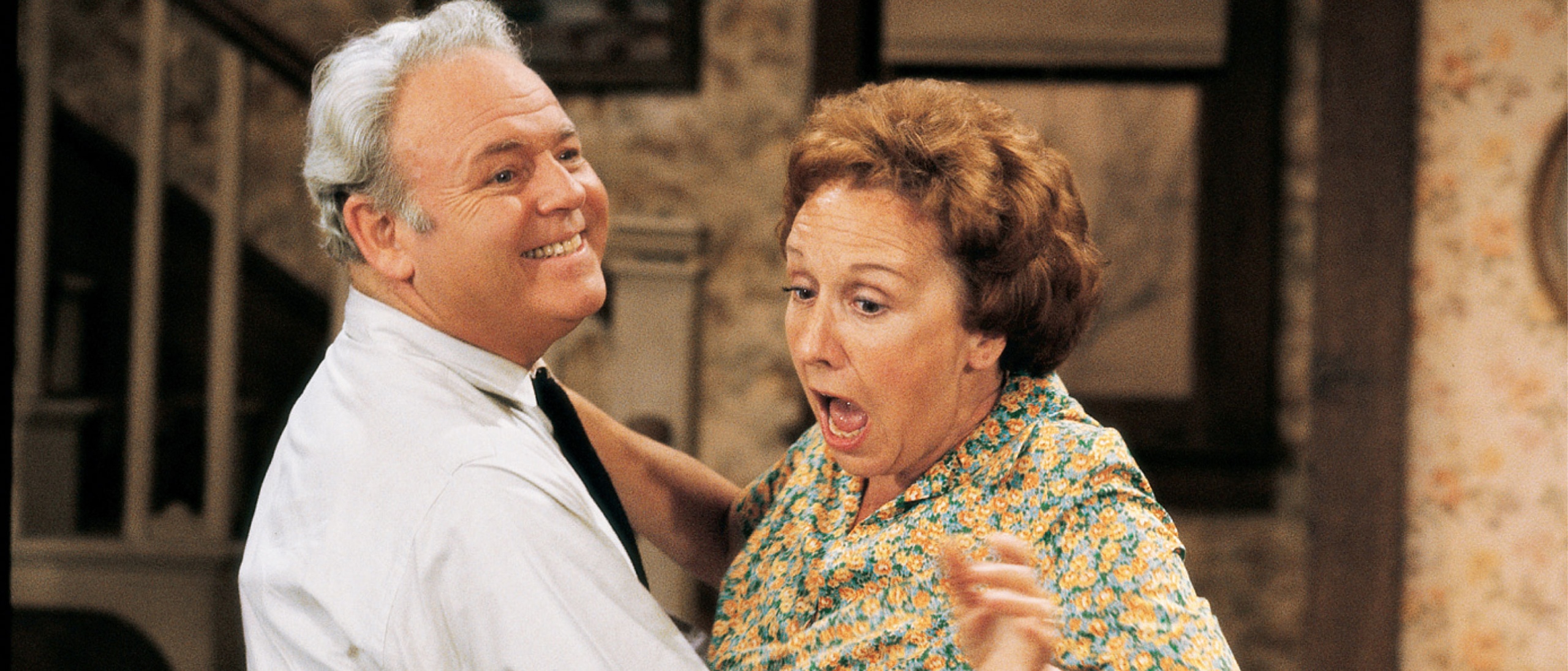
Archie Bunker (Carroll O’Connor)
Archie was a complex figure. He was a veteran of World War II, a hardworking man who felt the world he understood was slipping away. Carroll O’Connor portrayed him with a nuanced vulnerability that prevented him from becoming a two-dimensional villain. Archie’s bigotry was often portrayed as a product of his limited education and fear, rather than pure malice. In 2026, media historians still point to Archie as the first "anti-hero" of the sitcom world, a precursor to the morally ambiguous protagonists of modern prestige television.
Edith Bunker (Jean Stapleton)
Often dismissed by Archie as a "dingbat," Edith was the moral and emotional compass of the show. Her character underwent significant development over nine seasons. Initially portrayed as somewhat flighty, she eventually became a symbol of quiet strength and empathy. Her ability to see the humanity in everyone—even those Archie despised—often provided the show’s most poignant moments.
Gloria Stivic (Sally Struthers) and Michael Stivic (Rob Reiner)
The "Bunker household" was expanded by Archie’s daughter, Gloria, and her husband, Mike. Michael Stivic, whom Archie famously nicknamed "Meathead," represented the counter-culture of the 1960s and 70s. As a liberal sociology student, Mike was Archie’s constant ideological foil. Their arguments over the dinner table were the engine of the show’s conflict, representing the "Generation Gap" that was physically and culturally dividing American families at the time.
Tackling the Untouchable: Social Commentary in Prime Time
All in the Family was groundbreaking because it refused to shy away from topics that were previously considered "taboo" for television. By wrapping these issues in the format of a half-hour comedy, Norman Lear was able to sneak profound social commentary into millions of homes.
- Racism and Prejudice: The show confronted Archie’s racism head-on. By showing the absurdity of his prejudices through humor and the counter-arguments of Mike and Edith, the show forced viewers to examine their own biases. One of the most famous episodes involved a guest appearance by Sammy Davis Jr., who famously kissed Archie on the cheek, creating one of the most iconic images in television history.
- Women’s Rights: Through Gloria and Edith, the show explored the burgeoning feminist movement. Edith’s realization of her own autonomy and Gloria’s insistence on equality within her marriage were radical concepts for 1970s sitcoms.
- Politics and War: The Vietnam War, the Nixon administration, and Watergate were frequently discussed. Unlike other shows that avoided current events to remain "timeless," All in the Family leaned into the specific anxieties of its era, which ironically made it a vital historical document.
- Health and Personal Crisis: The series dealt with breast cancer, menopause, impotence, and sexual assault. These episodes were handled with a level of seriousness and sensitivity that was previously reserved for daytime dramas or "very special episodes," but here they were integrated into the fabric of the characters' lives.
The "Bunker" Universe: A Legacy of Spin-offs
The impact of All in the Family was so profound that it birthed a massive television universe. Norman Lear used the show as a launching pad for several other series that continued to push social boundaries. This interconnected web of shows dominated the ratings throughout the 1970s.
| Show Title | Debut Year | Lead Character | Primary Social Focus |
|---|---|---|---|
| Maude | 1972 | Maude Findlay | Liberal politics, feminism, and late-life marriage. |
| The Jeffersons | 1975 | George & Louise Jefferson | Black upward mobility and race relations in urban environments. |
| Good Times | 1974 | Florida Evans | Life in the Chicago projects and economic struggle. |
| Archie Bunker's Place | 1979 | Archie Bunker | Transition from the home to a bar setting; late-life changes. |
| Gloria | 1982 | Gloria Stivic | Life after divorce and female independence. |
| Checkin' In | 1981 | Florence Johnston | Service industry dynamics and professional growth. |
The most successful of these, The Jeffersons, ran for 11 seasons and provided a look at a wealthy Black family "moving on up," a direct contrast to the working-class struggles of the Bunkers. Maude was equally revolutionary, famously airing a two-part episode about the title character’s decision to have an abortion, a move that remains one of the most controversial moments in broadcast history.
Technical Production and Theatrical Influence
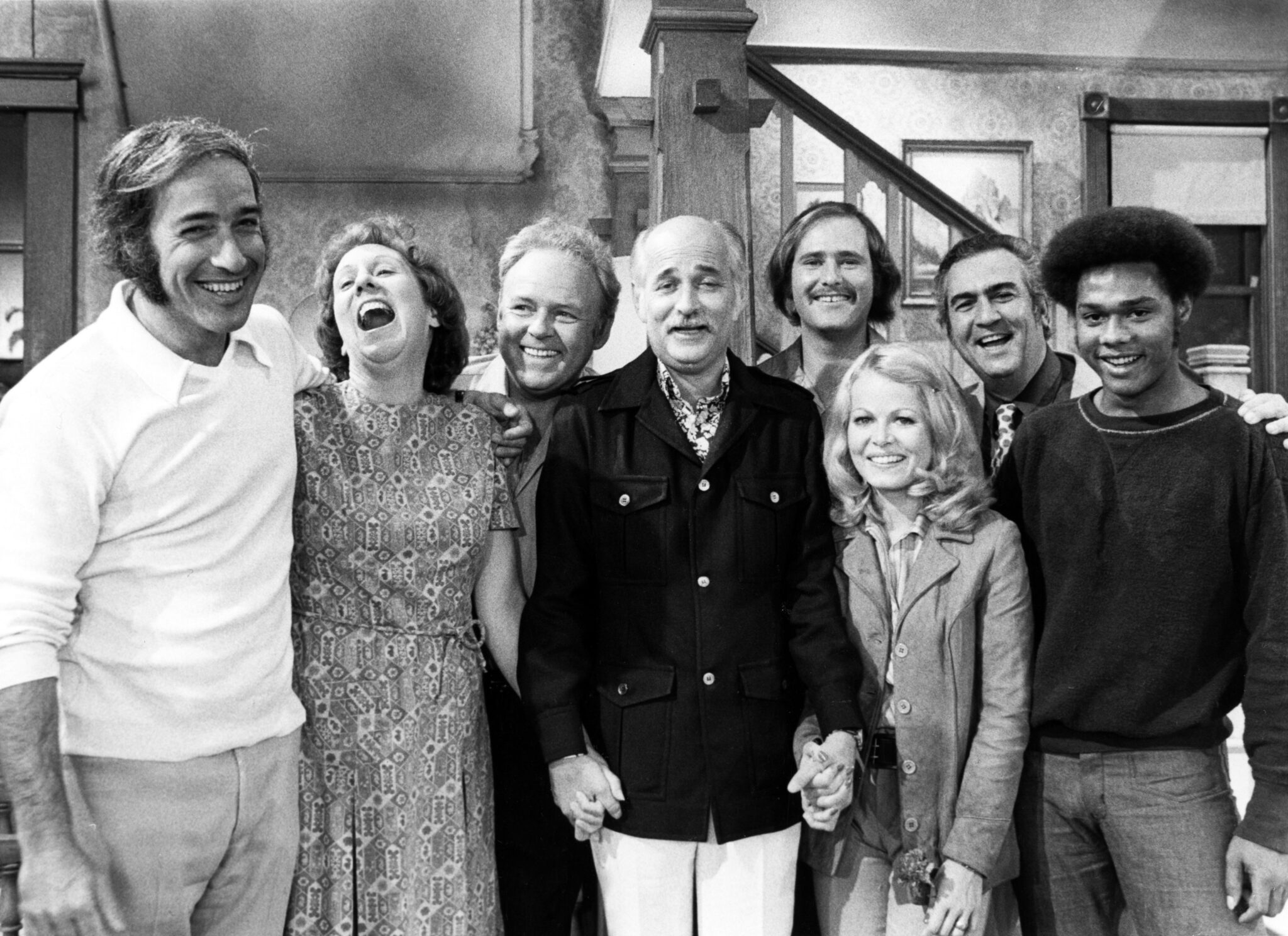
Beyond its writing, All in the Family changed how sitcoms were produced. Before Lear, most sitcoms were filmed on sets with single cameras or "sweetened" with canned laughter (laugh tracks). Lear insisted on filming in front of a live studio audience to capture genuine reactions.
The show felt like a stage play. The primary set—the Bunker living room—became as famous as the characters themselves. The use of a live audience meant that the actors had to be highly skilled in comedic timing and able to handle long, dialogue-heavy scenes without the benefit of multiple edits. This gave the show a raw, immediate energy that felt more "real" than the polished, artificial comedies of the 1960s. The inclusion of naturalistic sounds, such as the infamous toilet flush (the first ever heard on American television), further grounded the show in reality.
How to Watch All in the Family in 2026
As of 2026, All in the Family remains accessible through a variety of platforms, reflecting its status as a foundational piece of American culture. Because the show is owned by Sony Pictures Television, its distribution is widespread.
- Streaming Services: The series is frequently hosted on major platforms like Hulu or Amazon Prime Video. In 2026, it is also a staple of "FAST" (Free Ad-supported Streaming TV) channels such as Pluto TV and Amazon Freevee, which often have dedicated 24/7 loops of Norman Lear classics.
- Physical Media: For collectors, comprehensive DVD box sets remain available. These are often preferred by historians because they include original "disclaimers" and behind-the-scenes documentaries that contextualize the show’s more controversial moments.
- Syndication: Local broadcast stations and "digi-nets" (like MeTV or Antenna TV) continue to air reruns, ensuring that the show reaches older audiences who prefer traditional television viewing.
The Relevance of the Bunker Family in Modern Discourse
Why does a show from the 1970s still resonate in 2026? The answer lies in the cyclical nature of American social conflict. Many of the arguments between Archie and Mike—ranging from immigration and healthcare to gun control and environmentalism—are still being litigated in the modern public square.
All in the Family did not provide easy answers. Often, an episode would end with a slammed door or a frustrated silence rather than a neat resolution. This honesty is what keeps the show relevant. It didn't preach a specific ideology as much as it demonstrated the difficulty of communication between people who love each other but fundamentally disagree on how the world should work.
Why was Mike Stivic called "Meathead"?
Archie coined the nickname "Meathead" for his son-in-law to signify that he was "dead from the neck up." Despite Mike’s academic achievements, Archie viewed his liberal ideas as nonsensical and detached from the realities of the working class. Over time, the nickname became a term of begrudging endearment, though it always maintained a sharp edge reflecting their ideological divide.
Did the show really use a real toilet flush?
Yes. The episode "Cousin Maude's Visit" in Season 2 featured the first audible toilet flush in the history of American network television. At the time, this was considered a shocking breach of decorum, as television networks had strict "standards and practices" codes that prohibited the depiction or sound of bathroom activities. Norman Lear fought to include it to make the Bunker home feel more authentic.
How many seasons did All in the Family run?
The original series ran for nine seasons, from 1971 to 1979, totaling 205 episodes. However, the story continued immediately in the spin-off Archie Bunker's Place, which ran for another four seasons until 1983. If one considers the two series as a continuous narrative of Archie’s life, the character was on television for 13 consecutive years.
What is the significance of the theme song "Those Were the Days"?
The theme song, performed by Carroll O'Connor and Jean Stapleton at a piano, was a nostalgic look back at a simpler time. The lyrics mention things like "LaSalle ran great" and "girls were girls and men were men." While Archie sang it with genuine longing for the past, the show itself often critiqued that nostalgia, showing that the "good old days" weren't necessarily good for everyone.
Who created All in the Family?
The show was developed by Norman Lear and Bud Yorkin. Norman Lear is widely credited as the creative force who transformed the American sitcom landscape. His production company, Tandem Productions, was responsible for a string of hits that redefined the genre by centering them on social and political reality.
Explore the Foundation of Modern Television
To truly understand the evolution of the American sitcom, viewers should watch All in the Family chronologically. Starting with the first season allows you to see the initial shock of the show's format and the gradual softening of the characters as the actors inhabited their roles.
For the best experience in 2026, seek out the "Live in Front of a Studio Audience" specials produced in recent years. These recreations, featuring modern actors like Woody Harrelson and Marisa Tomei, demonstrate the timelessness of the original scripts and highlight how the dialogue remains sharp and relevant decades later. Whether you are a student of media history or simply looking for a comedy with substance, the Bunker family offers a profound look at the American experience.