An all-female flight is an aviation operation where every primary role—including pilots, cabin crew, and often ground support staff—is performed by women. These flights serve as powerful symbols of gender parity, highlighting the increasing presence of women in a historically male-dominated industry and inspiring the next generation of female aviators and engineers.
Defining the All-Female Flight in Modern Aviation
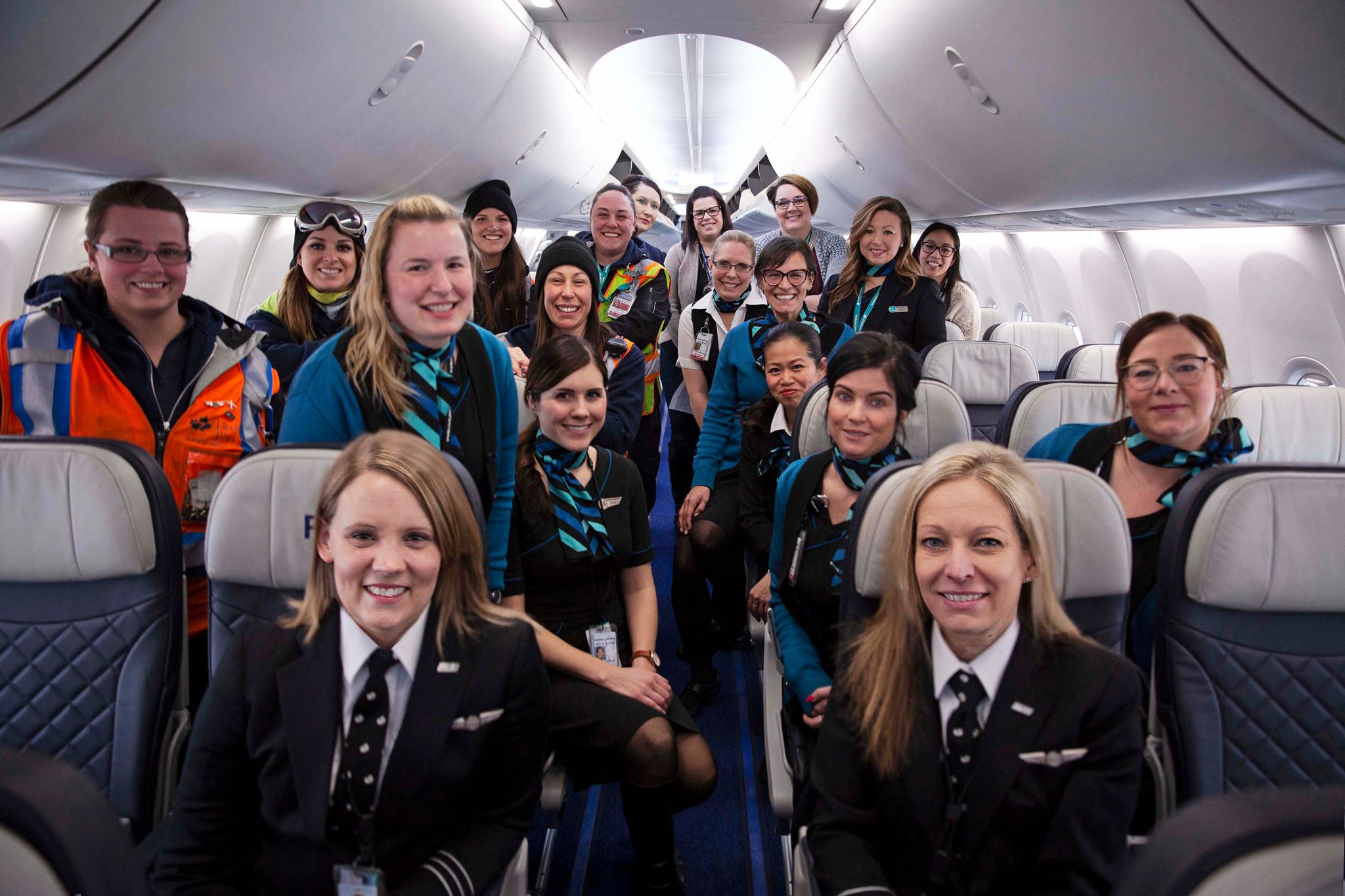
In the context of 2026, the definition of an "all-female flight" has evolved from a simple cockpit arrangement to a holistic operational achievement. Traditionally, the term referred strictly to the flight deck, meaning the Captain and First Officer were both women. However, as the industry has pushed for deeper diversity, a "fully-integrated" all-female flight now typically encompasses the entire operational chain. This includes the flight crew, the cabin crew, the flight dispatchers who plan the route, the ground handlers, the maintenance technicians who sign off on the aircraft’s airworthiness, and even the air traffic controllers (ATC) managing the departure and arrival.
The purpose of these flights is rarely just logistical. They are intentional demonstrations of capability designed to dismantle the "glass ceiling" in aerospace. By synchronizing every touchpoint of a flight's operation with female professionals, airlines demonstrate that the talent pool is no longer restricted by gender. In 2026, while gender-balanced crews are becoming the standard, specifically designated "all-female" missions continue to be used as milestones for International Women’s Day or to celebrate the graduation of new female cadet classes.
The Historical Evolution of Women in the Cockpit
The journey toward the modern all-female flight began long before commercial jetliners. In the early 20th century, pioneers like Bessie Coleman and Amelia Earhart proved that women possessed the technical acumen and physical stamina for flight. However, these were largely individual efforts. The systemic shift toward all-female crews required the integration of women into commercial and military hierarchies.
The 1970s and 1980s marked a turning point. Emily Howell Warner became the first woman to command a major American passenger flight in 1976. As more women entered flight schools, the possibility of two women sharing a cockpit became a reality. By the mid-1980s, airlines began reporting their first "all-female" cockpit crews, though these were often incidental rather than planned.
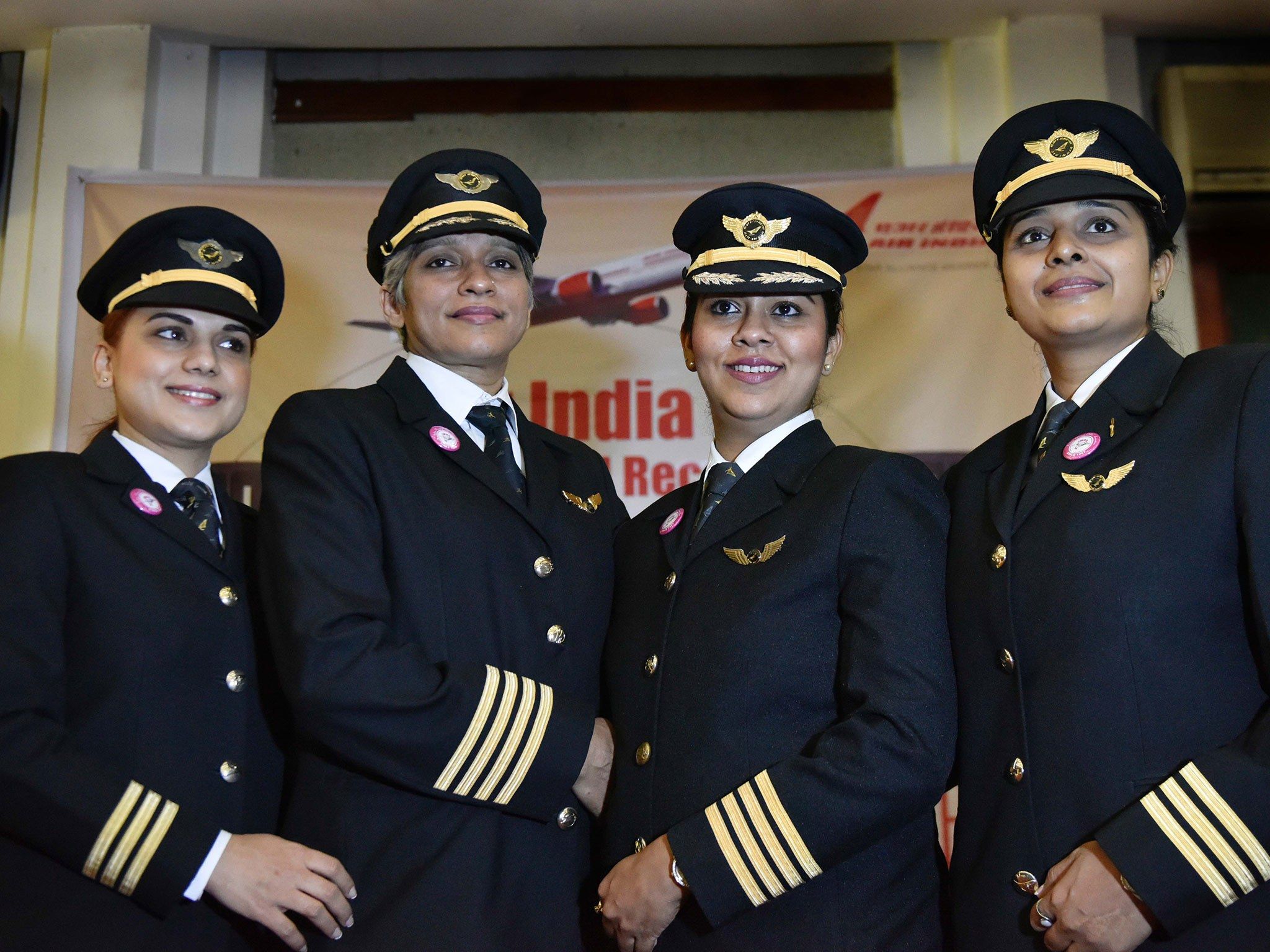
A major milestone occurred in 2017 when Air India operated an "around-the-world" flight with an all-female crew. This mission was significant because it involved a Boeing 777 flying from Delhi to San Francisco and back, covering the entire operational spectrum from cockpit to ground handling. This set a global precedent, proving that women could manage long-haul, high-complexity international operations autonomously.
Key Milestones in All-Female Aviation History
To understand the trajectory of these flights, it is helpful to look at the specific events that shifted public perception and industry standards.
| Year | Milestone Event | Significance |
|---|---|---|
| 1929 | Formation of the Ninety-Nines | The first international organization for licensed women pilots, led by Amelia Earhart. |
| 1973 | First Female Pilot at a Major US Airline | Bonnie Tiburzi joined American Airlines, breaking the gender barrier in major commercial aviation. |
| 1986 | First All-Female Crew (US) | American Eagle operated its first flight with an all-female cockpit and cabin crew. |
| 2017 | Air India Around-the-World | The first time an all-female crew managed every aspect of a circumnavigational flight. |
| 2021 | United Airlines 'Aviate' Commitment | United announced a goal for 50% of its flight academy students to be women or people of color. |
| 2026 | Global Parity Initiatives | Major carriers hit a record 12% female pilot representation, up from 5% a decade prior. |
The Lasting Impact on the Aviation Industry
The impact of all-female flights extends far beyond the duration of a single journey. Their primary contribution is the "visibility effect." For decades, aviation recruitment suffered because young women did not see themselves represented in the cockpit. By publicizing all-female flights, airlines create a tangible career path for students who might have otherwise considered the role unattainable.
Addressing the Pilot Shortage
As of 2026, the aviation industry continues to grapple with a global pilot shortage driven by aging demographics and the rapid expansion of air travel in emerging markets. All-female flights are a strategic response to this crisis. By actively marketing to women—who make up 50% of the population but still represent a small fraction of the pilot workforce—airlines are tapping into an underutilized reservoir of talent. This is not merely a social initiative; it is an economic necessity for the sustainability of global air networks.
Shifting Cockpit Culture
Research into "Crew Resource Management" (CRM) has shown that diversity in the cockpit can lead to improved communication and safety outcomes. All-female flights have helped challenge the "macho" culture that historically dominated aviation, encouraging a more collaborative and communicative environment. As these flights become more common, the hierarchical, authoritarian style of the past is being replaced by a team-oriented approach that benefits all crew members, regardless of gender.
Technical and Operational Considerations
Operating an all-female flight requires the same rigorous standards as any other mission. There are no "special" procedures for these flights; they adhere to the same Federal Aviation Administration (FAA) or European Union Aviation Safety Agency (EASA) regulations as any other commercial operation.
The complexity lies in the logistics. For an airline to coordinate a flight where the pilots, cabin crew, dispatchers, and ground handlers are all female, it requires a robust internal database of staff. In 2026, advanced scheduling software allows airlines to optimize these crews for commemorative events without disrupting the rest of the flight schedule. This technical capability demonstrates that gender diversity is integrated into the very algorithms that run modern airlines.
Challenges and Barriers to Entry
Despite the progress highlighted by all-female flights, significant barriers remain in 2026. The high cost of flight training is the most prominent obstacle. Obtaining a Commercial Pilot License (CPL) and the necessary ratings can cost upwards of $100,000. Historically, women have had less access to the capital or financing required for such an investment.
Furthermore, the "seniority system" in aviation means that it takes decades for pilots to reach the rank of Captain at major international carriers. Because the surge in female recruitment is a relatively recent phenomenon, there is still a lag in the number of women in senior command positions. All-female flights help bridge this gap by showcasing the women who have successfully navigated this long career path, providing mentors for those currently in the "pipeline."
Strategic Solutions in 2026
- Airlines Sponsored Academies: Many carriers now offer "zero-to-hero" training programs where the airline subsidizes the cost of training in exchange for a multi-year employment commitment.
- Mentorship Networks: Organizations like Women in Aviation International (WAI) have expanded their digital presence, connecting veteran female captains with student pilots globally.
- Policy Changes: Updated parental leave policies and more flexible scheduling are making it easier for women to maintain long-term careers in aviation without sacrificing personal milestones.
Why is an all-female flight considered a milestone if women have been flying for a century?
While individual women have flown since the early 1900s, the "all-female flight" represents systemic change. It signifies that the entire infrastructure of an airline—from recruitment and training to operations and management—is inclusive enough to support a full team of women. It marks the transition from "the exception" to "the norm."
Are all-female flights a form of marketing or a genuine DEI effort?
They are often both. While airlines use these flights for public relations, the underlying reality is that they require a significant number of qualified women to be employed across various departments. You cannot market an all-female flight if you haven't first successfully recruited, trained, and promoted women into those roles.
Do all-female crews have different safety records than mixed crews?
No. There is no statistical difference in safety records based on the gender composition of a crew. All pilots, regardless of gender, must pass the same rigorous medical exams, simulator checks, and flight hours requirements. Safety in aviation is governed by standardized procedures (SOPs) that ensure consistency across all flights.
How can a young woman start a career in aviation in 2026?
The first step is typically an introductory flight at a local flight school to gauge interest. From there, aspiring pilots should look for "cadet programs" offered by major airlines, which often provide a direct pathway to a job. Financing through scholarships from organizations like the Ninety-Nines or WAI is also a common route to mitigate the high cost of training.
Next Actions for Aspiring Aviators and Industry Supporters
If you are interested in the world of female aviation, whether as a prospective pilot or a supporter of industry diversity, your next steps should be focused on education and networking. For students, researching airline-sponsored flight academies is the most direct way to bypass the financial barriers of entry. Many of these programs in 2026 are specifically looking to increase their female enrollment to meet diversity targets.
For those already in the industry, mentorship is the most valuable contribution. The lasting impact of an all-female flight is not the flight itself, but the inspiration it provides to the observers. Supporting local chapters of aviation organizations or participating in "Girls in Aviation Day" events helps ensure that the momentum generated by these high-profile flights translates into a steady stream of new professionals entering the hangar, the control tower, and the cockpit.