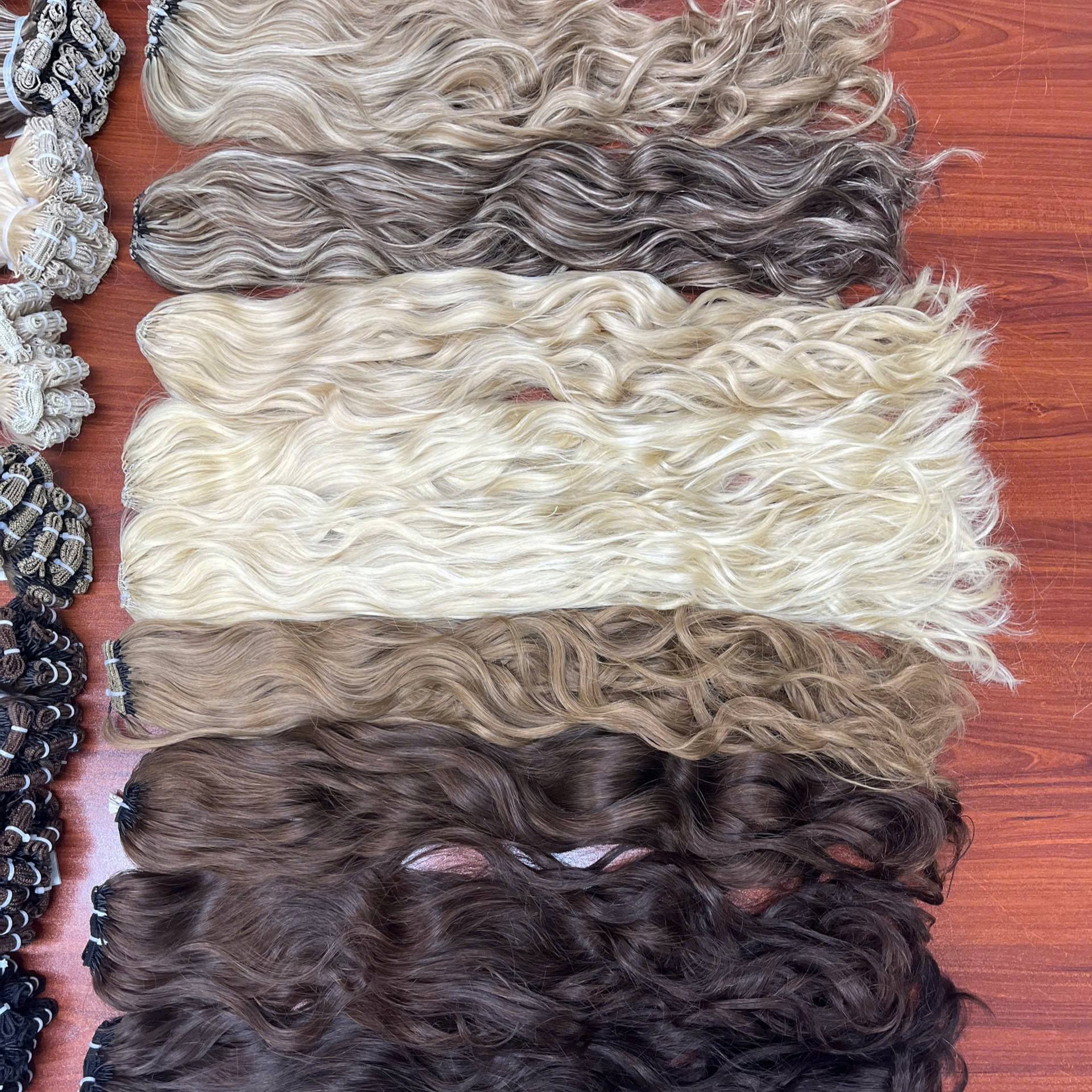
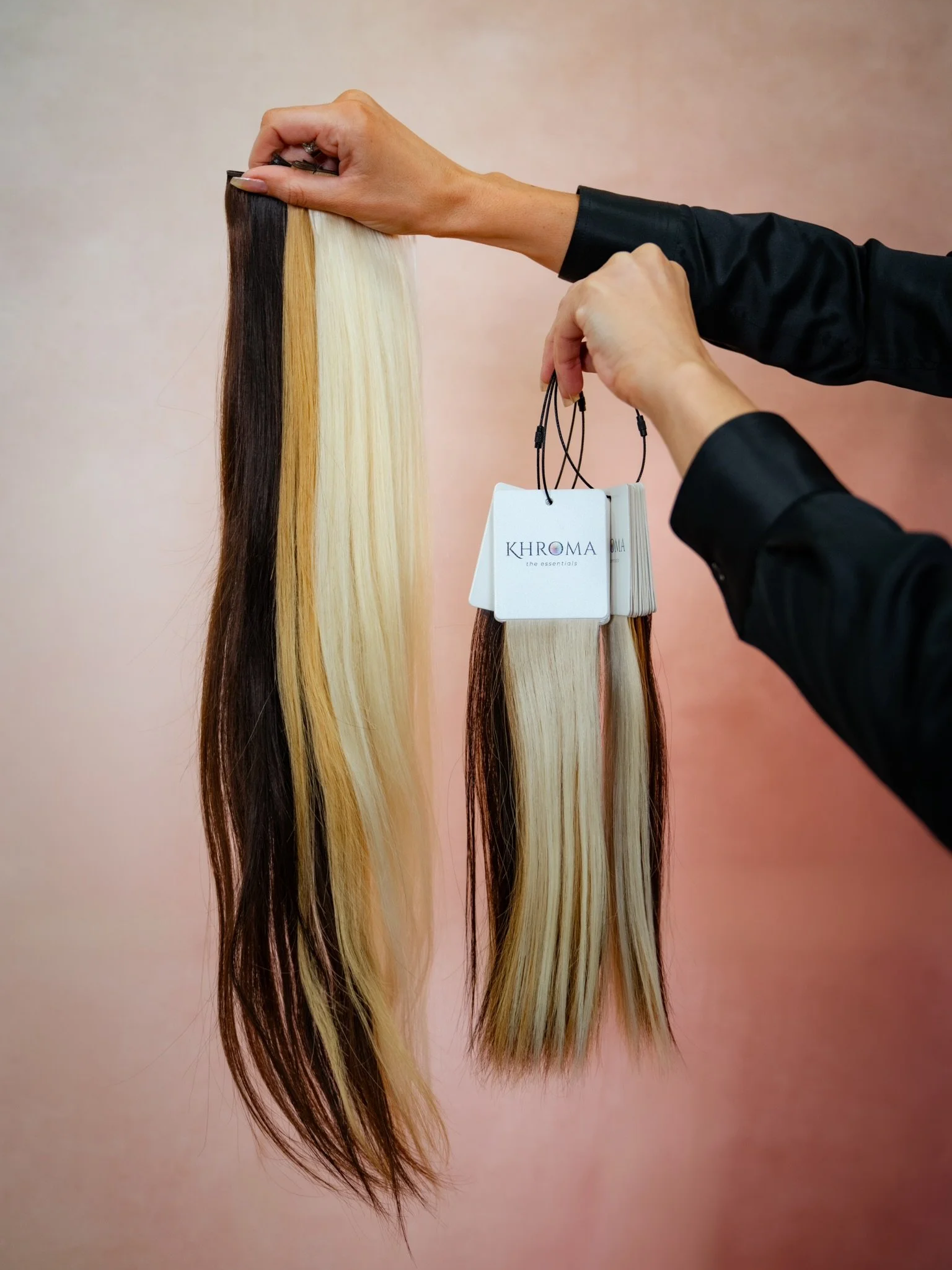
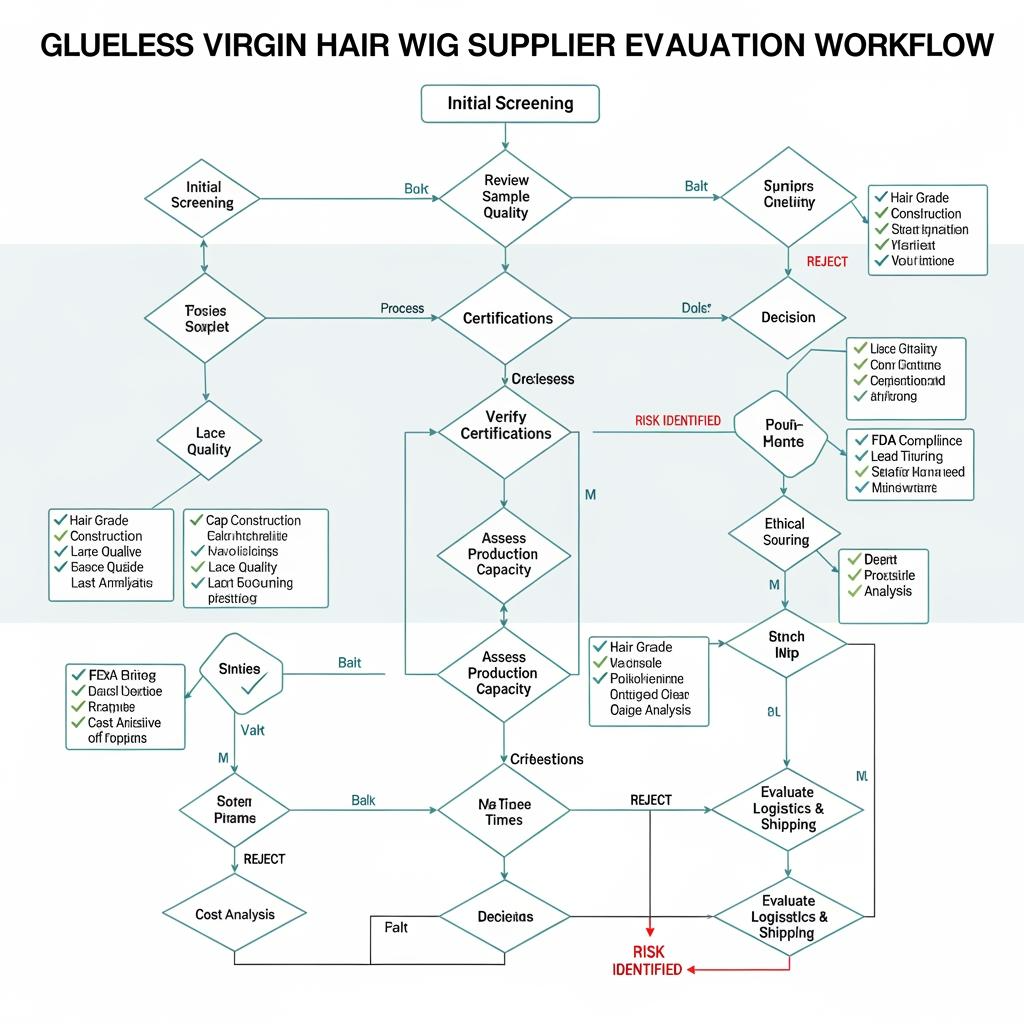
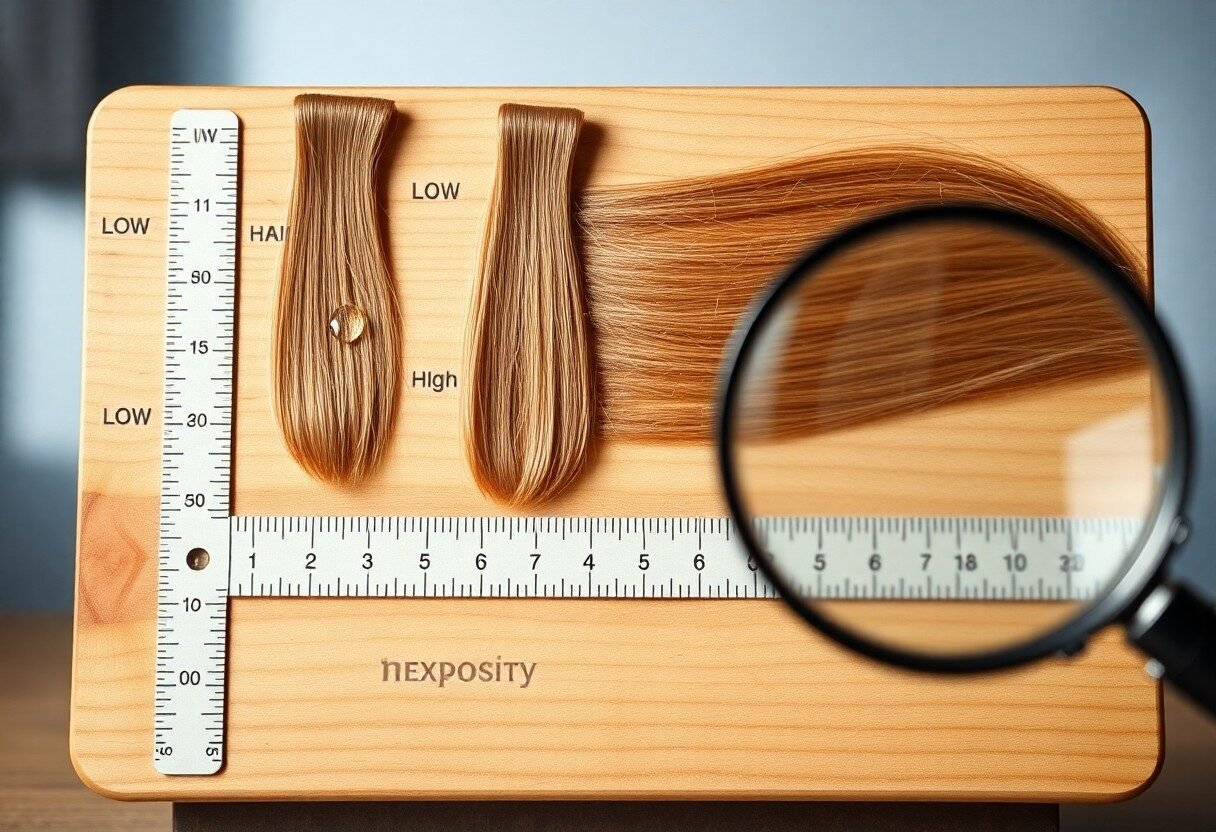
"All exclusive hair" typically refers to premium-grade, human hair extensions or wigs that have been sourced with a focus on uniformity, cuticle alignment, and minimal chemical processing. To evaluate this hair effectively, you must assess the cuticle integrity, the origin of the strands—specifically whether they are virgin or Remy—and the density and construction of the wefts or attachment points.
Defining "Exclusive" in the Hair Industry
In the competitive market of hair extensions and wigs, the term "exclusive" is often used as a marketing descriptor rather than a standardized regulatory grade. When a brand markets hair as exclusive, it generally implies a tier of quality above mass-produced synthetic or low-end processed human hair. These products are usually characterized by their "virgin" or "raw" status, meaning the hair has not been subjected to perms, bleaches, or acidic baths that strip the hair of its natural protective layer.
Exclusive hair is often sourced from single donors. This is a critical distinction because hair sourced from a single individual typically maintains consistent texture, wave pattern, and elasticity throughout the entire bundle. By contrast, "mixed" or "bulk-sourced" hair involves combining strands from various donors, which can lead to friction, matting, and inconsistent behavior when washed or styled. Understanding that "exclusive" is a brand-specific promise of quality control helps you prioritize the technical specifications—like donor sourcing and processing—over the marketing language.
Identifying Quality Markers: The Technical Essentials
To move beyond branding and evaluate the true quality of exclusive hair, you must understand the physical characteristics that define high-end extensions. The industry relies on several technical metrics to gauge longevity and performance.
Cuticle Alignment (Remy vs. Non-Remy)
The most important factor in preventing tangling is the alignment of the hair cuticle. In high-quality human hair, the cuticles all flow in one direction—from root to tip. If the cuticles are misaligned, they will catch against one another like interlocking fingers, leading to inevitable matting. "Exclusive" hair should always be categorized as "Remy," which signifies this unidirectional alignment.
Chemical Processing History
"Virgin" hair denotes that the fibers have not undergone any chemical alterations. Chemical processing is often used to mask low-quality hair by coating it in silicone to create a temporary shine. Once that silicone washes away after a few uses, the underlying hair becomes brittle and dry. Authentic exclusive hair retains the natural, matte luster of human hair rather than a glossy, synthetic-like sheen.
Weft Construction and Shedding
For sew-in extensions, the quality of the weft—the track where the hair is stitched—is paramount. A high-quality weft should be double-stitched and thin, allowing for a flat, comfortable installation against the scalp. If the stitching is loose or uneven, the hair will shed prematurely. A quick way to test this is to run your fingers firmly down the bundle to see if loose hairs detach immediately.
Methods for Evaluating Quality Before Purchase
Since "exclusive" is often a subjective term, you must utilize standardized testing methods to evaluate products before committing to a purchase. When reviewing a vendor or a specific product line, look for these indicators:
- The Burn Test (Post-purchase): If you are able to take a small sample, burning a single hair strand can provide immediate clarity. Real human hair will burn like paper, emitting a faint, charred scent and turning into ash that crumbles easily. Synthetic hair will melt, bead up, and produce a sharp, chemical odor.
- The Water Test: When high-quality, unprocessed hair gets wet, it should behave predictably. If it is wavy or curly, the pattern should intensify. If it is straight, it should remain smooth without frizzing. If the hair becomes excessively puffy or matted upon contact with water, it likely contains fillers or has been chemically damaged.
- The Shedding and Tangle Check: Hold the bundle at the top and brush through it with a wide-tooth comb or a professional loop brush. Resistance should be minimal. Significant resistance suggests misaligned cuticles or low-quality, brittle hair fibers.
Comparison Table: Standard vs. Exclusive Hair Criteria
| Feature | Standard/Commercial Hair | Exclusive/Premium Hair |
|---|---|---|
| Donor Source | Multiple mixed donors | Typically single donor |
| Cuticle Status | Often stripped or partially removed | Intact and unidirectional |
| Chemical History | High chemical treatment | Untreated (Virgin) or light processing |
| Longevity | 1–3 months with consistent maintenance | 6–12+ months with proper care |
| Shedding Risk | Higher due to weak weft stitching | Low due to reinforced construction |
Addressing Common Misconceptions
A prevalent misconception in the market is that all "exclusive" hair is raw and unprocessed. In reality, some high-quality lines are steam-processed to achieve specific textures like deep waves or curls. This is generally acceptable provided the cuticles remain intact. The damage occurs during chemical bleaching or harsh acid baths used to strip away darker pigments to achieve lighter colors.
Additionally, consumers often assume that price is a direct indicator of quality. While production costs for authentic virgin hair are significantly higher, price alone is not a guarantee. There are many instances of companies rebranding mass-market hair as "exclusive" to inflate pricing. Always prioritize third-party reviews and transparent disclosures about sourcing over high price tags or celebrity endorsements.
Care and Maintenance to Preserve Quality
Once you have verified and acquired your extensions, maintaining their "exclusive" status requires specific protocols. Since the hair is no longer attached to a living scalp, it does not receive natural sebum (oils).
- Hydration: Use sulfate-free, hydrating shampoos and leave-in conditioners specifically formulated for human hair extensions. Silicone-based serums can be used sparingly to mimic natural oils, but excessive buildup should be avoided.
- Thermal Protection: While high-quality hair can handle heat styling, excessive temperatures above 350°F (175°C) can cause heat damage over time. Always apply a thermal protectant spray before using flat irons or curling wands.
- Storage: When not installed, keep the hair in a breathable bag and ensure it is completely dry to prevent mildew. Brushing the hair before storing it ensures that tangles do not set into the fibers during the off-season.
Frequently Asked Questions (FAQ)
Is "exclusive hair" a regulated industry term?
No, "exclusive" is a marketing term used by retailers to denote a higher tier of product. It is not regulated by any government agency or international board. Consumers should rely on verified specifications such as donor source, cuticle alignment, and chemical history rather than the label itself.
How can I tell if hair has been silicone-coated?
Hair that has been heavily coated in silicone often feels exceptionally slippery, almost like fishing line, and may have an unnatural, oily sheen. If you wash a sample in warm water and the hair becomes noticeably rougher or loses its extreme gloss after the first wash, it is likely that the hair was silicone-coated to mask poor quality.
Can I bleach "exclusive" hair that is not pre-colored?
Yes, high-quality, unprocessed exclusive hair is generally receptive to professional bleaching. Because the cuticle is intact and the hair is healthy, it can withstand the lifting process better than processed hair. However, any bleaching process carries a risk of damage, and it is highly recommended to consult a licensed cosmetologist for such services.
How often should I replace my extensions?
If the hair is truly high-quality, it can last for a year or longer with proper maintenance and periodic re-installation. "Standard" hair typically shows signs of wear—such as dry ends, shedding, and matting—within three months. If your investment is failing within this window, the initial quality grade was likely lower than represented.
What should I do if my hair starts tangling after a few weeks?
Check your wash and styling routine first. Use of heavy styling products, lack of moisture, or sleeping without a silk bonnet can cause tangling. If the hair is clean and the tangling persists, it may indicate that the cuticles were never properly aligned, or that the hair has been damaged by environmental factors or heat.
Next Steps: Verifying Your Vendor
Before your next purchase, contact the vendor directly and ask specific technical questions. Ask if the hair is "single-donor sourced," if it is "Remy," and what specific chemical processing (if any) was used to achieve the texture or color. Reputable vendors will provide clear, honest answers regarding the origin and treatment of their hair. If they are vague or unable to provide documentation, consider searching for a supplier with greater transparency.