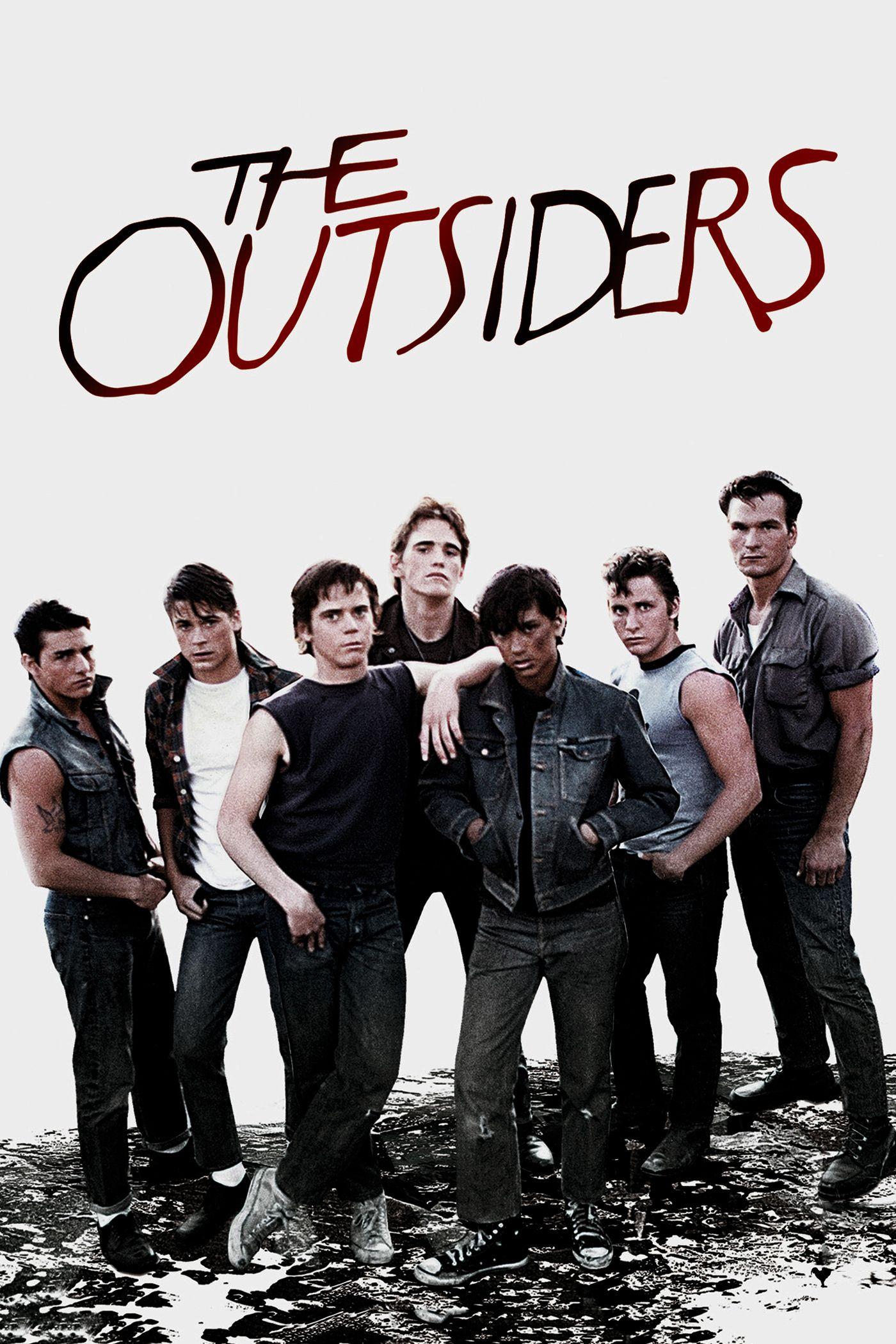
S.E. Hinton’s landmark 1967 coming-of-age novel, The Outsiders, presents a deeply stratified fictional landscape of 1960s Tulsa, Oklahoma, divided along rigid socioeconomic lines. Understanding all characters in the outsiders complete guide requires examining the complex web of loyalties, rivalries, and internal conflicts that define the core factions: the working-class Greasers, the affluent Socials (Socs), and the various adult and supporting figures who orbit their turbulent lives.
Understanding the Social Divide: Greasers Versus Socs
The narrative infrastructure of The Outsiders rests entirely upon a violent, entrenched class war between two rival teenage factions. The Greasers, named for their slicked-back long hair, occupy the economically depressed East Side of town, existing on the margins of society with little institutional support or financial safety. They survive through street toughness, tight-knit familial bonds, and an implicit code of mutual protection that treats the gang as a surrogate family.
Conversely, the Socs inhabit the West Side, enjoying immense wealth, expensive cars, and total impunity from local law enforcement. While the Greasers are marginalized and visibly rough around the edges, the Socs possess pristine public reputations despite engaging in random, thrill-seeking violence against the East Siders. This stark dichotomy creates a pressure cooker environment where every interaction carries high stakes, forcing minor social infractions into explosive confrontations.
The Core Greasers: The Curtis Brothers and Loyal Gang Members
At the heart of the novel is a core group of seven Greasers whose distinct personalities, fears, and aspirations drive the narrative forward. Ponyboy Curtis, the fourteen-year-old narrator, possesses a sensitive artistic soul, a love for literature and poetry, and a tendency to dream beyond the confines of his violent neighborhood. Orphaned after a fatal car crash claimed his parents, Ponyboy is raised by his eldest brother, Darrel "Darry" Curtis. Darry gave up a college scholarship and athletic future to work two jobs, transforming into a stern, demanding parental figure who pushes Ponyboy hard out of deep, protective anxiety.
Between Darry and Ponyboy stands Sodapop Curtis, a handsome, happy-go-lucky high school dropout who works at a local gas station. Sodapop serves as the emotional peacemaker of the household, bridging the gap between Darry’s severe discipline and Ponyboy’s youthful vulnerability. Outside the Curtis family, the gang includes Dallas "Driz" Winston, a hardened, cynical ex-con from New York City whose criminal record and raw toughness have drained him of most emotional softness. Yet, Dally retains a fierce, protective loyalty toward Johnny Cade.
Johnny Cade, sixteen years old, is the gang’s pet and scapegoat, suffering horrific physical and emotional abuse from alcoholic parents at home. Timid, nervous, and deeply traumatized after being brutally beaten by a pack of Socs, Johnny views the Greasers as his only true family. Rounding out the primary crew are Two-Bit Mathews, the oldest and wisest-cracking shoplifter of the group who provides comic relief, and Steve Randle, Sodapop’s best friend and an expert mechanic who resents Ponyboy’s presence.
The Socs: Wealth, Privilege, and Hidden Vulnerabilities
While the Socs are initially presented as flat antagonists, Hinton populates their ranks with complex figures who reveal the hollow nature of their privileged existence. Bob Sheldon, a wealthy Soc distinguished by his heavy rings and arrogant demeanor, acts as a primary catalyst for the book's violence. Bob’s unchecked cruelty stems partly from permissive, indulgent parents who never set boundaries, making him desperate for limits. His girlfriend, Sherry "Cherry" Valance, challenges the rigid boundaries between the two factions.
Cherry, a red-headed cheerleader, befriends Ponyboy at a drive-in movie theater, revealing that Socs experience deep emotional pain, existential boredom, and isolation just like anyone else. Her friend Marcia accompanies her and shares a similar perspective, providing a vital bridge of mutual human understanding across the class divide. Randy Adderson, Bob’s best friend, undergoes a profound moral awakening following Bob's death, eventually visiting Ponyboy to confess his exhaustion with the endless cycle of senseless gang violence.
Supporting and Adult Figures in the Narrative
Adult authority figures play a limited, frequently strained role in the lives of the characters, yet they leave indelible marks on the storyline. Jerry Wood, a schoolteacher who accompanies Ponyboy and Johnny to the burning church during the rescue mission, represents the rare adult who looks past the Greaser appearance to see genuine heroism. Similarly, the local physician who treats the boys in the hospital maintains a pragmatic, non-judgmental approach to their injuries.
School teachers, police officers, and juvenile court judges appear peripherally, framing the institutional hurdles the Curtis brothers face. The threat of social services separating Ponyboy and Sodapop from Darry looms large throughout the plot, underscoring the precarious legal standing of youth living in poverty without parental guardians.
| Character Name | Faction / Affiliation | Defining Traits and Role in the Narrative |
|---|---|---|
| Ponyboy Curtis | Greaser | Fourteen-year-old narrator; sensitive, intellectual, and protective of his brothers. |
| Darry Curtis | Greaser | Eldest Curtis brother; stern, hardworking, and forced into a parental role. |
| Sodapop Curtis | Greaser | Middle Curtis brother; charming, optimistic, and emotionally sensitive. |
| Dallas Winston | Greaser | Cynical, hardened ex-con with a fierce protective streak for Johnny. |
| Johnny Cade | Greaser | Abused, timid teenager who acts as the fragile emotional core of the gang. |
| Two-Bit Mathews | Greaser | Wise-cracking joker and shoplifter who brings levity to tense situations. |
| Steve Randle | Greaser | Expert mechanic and Sodapop’s fiercely loyal best friend. |
| Cherry Valance | Soc | Sympathetic cheerleader who acts as a spy and bridge between factions. |
| Bob Sheldon | Soc | Wealthy, ring-wearing antagonist whose violent streak drives the plot. |
| Randy Adderson | Soc | Bob’s best friend who ultimately rejects the gang warfare. |
Character Dynamics and Psychological Motivations
The interpersonal relationships among these figures are defined by a desperate search for identity, belonging, and emotional survival. The Greasers seek brotherhood to compensate for broken homes and societal rejection, while the Socs act out due to parental neglect masked by material wealth. When Johnny kills Bob in self-defense to save Ponyboy from drowning in a park fountain, it shatters the fragile status quo, setting off a chain reaction of tragedy, heroism, and self-reflection.
Dally’s subsequent grief-driven spiral and tragic death underline the lethal consequences of their environment. Meanwhile, Ponyboy’s journey through trauma allows him to synthesize his experiences into a written testament, fulfilling Johnny’s dying wish to "stay gold" and preserve their shared history against the ravages of time and prejudice.
Frequently Asked Questions
Who is the youngest member of the Greasers in The Outsiders?
Ponyboy Curtis is the youngest member of the gang at fourteen years old. His youth highlights his vulnerability to the violence surrounding him and shapes his perspective as the novel’s narrator and observer.
Why does Dallas Winston break down after Johnny dies?
Dallas breaks down because Johnny was the only person Dally genuinely loved and cared about. Having hardened himself against all emotional attachment to survive his harsh life, Johnny's death strips away Dally's psychological armor, driving him to commit suicide by cop out of sheer despair.
What role does Cherry Valance play in bridging the gap between Greasers and Socs?
Cherry acts as a humanizing bridge by demonstrating to Ponyboy that Socs share the same fears, sunsets, and emotional struggles as Greasers. Her willingness to cross social boundaries proves that the division is driven by circumstance rather than inherent evil.
Why did Darry Curtis give up his chance to go to college?
Darry gave up a football scholarship and academic future to support his younger brothers after their parents died in a car crash. He takes two jobs to keep the family together and prevent social services from separating them.
What does Johnny mean when he tells Ponyboy to "stay gold"?
Johnny is quoting a Robert Frost poem ("Nothing Gold Can Stay") that Ponyboy recited to him at the abandoned church. Staying gold means retaining the innocence, capacity for wonder, and purity of youth before the harshness of the world corrupts it.
How does Randy Adderson change throughout the story?
Randy evolves from a typical aggressive Soc into a reflective young man who recognizes the absolute futility of gang fighting. After Bob's death, Randy refuses to participate in the rumble and visits Ponyboy to express remorse and a desire for peace.
Recommended Next Actions for Further Study
To deepen your understanding of The Outsiders, examine S.E. Hinton’s broader literary bibliography, such as That Was Then, This Is Now and Rumble Fish, which explore similar themes of adolescent alienation in Tulsa. Reviewing critical literary analyses of 1960s youth counterculture will also provide valuable historical context on how generational divides influenced American literature.