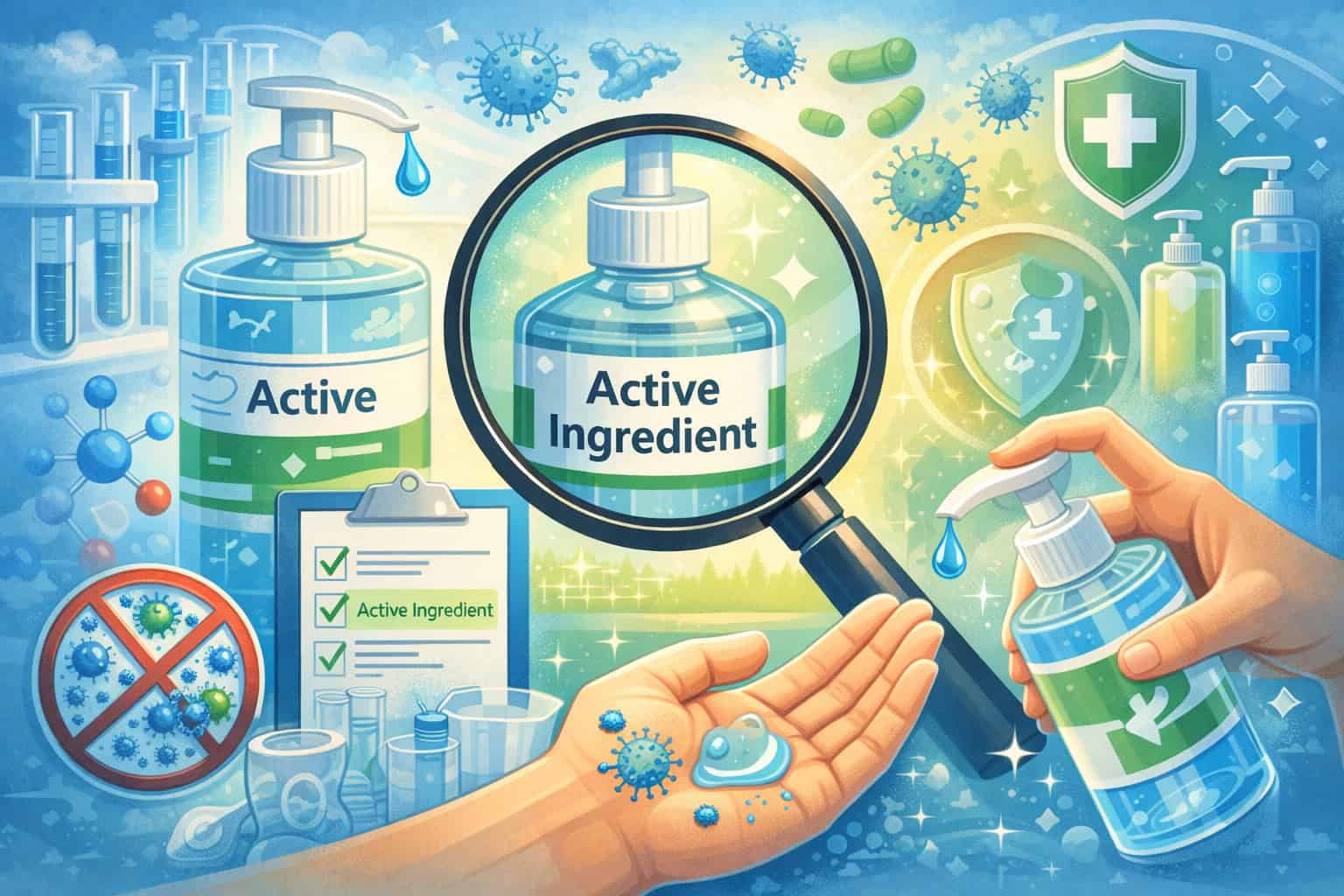
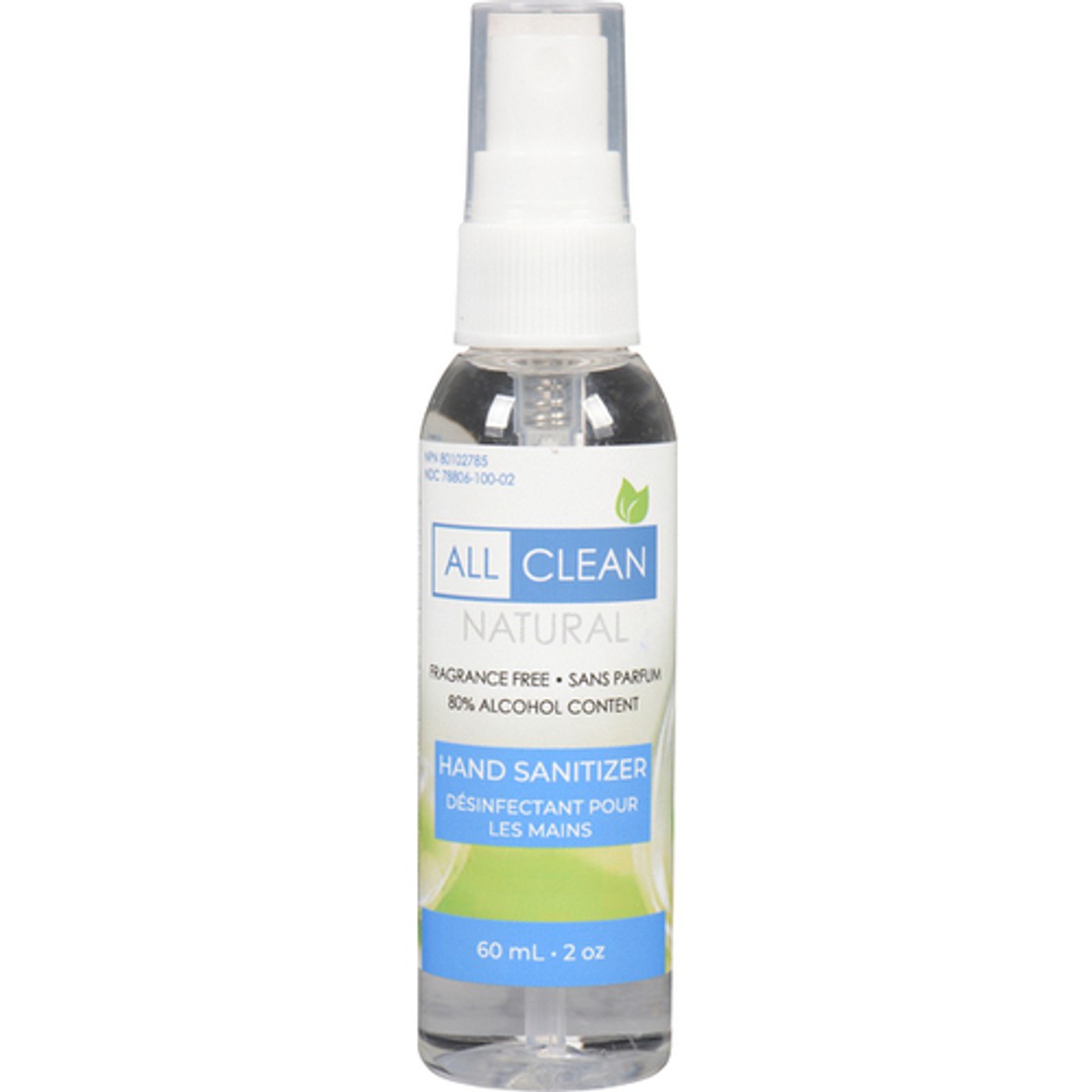
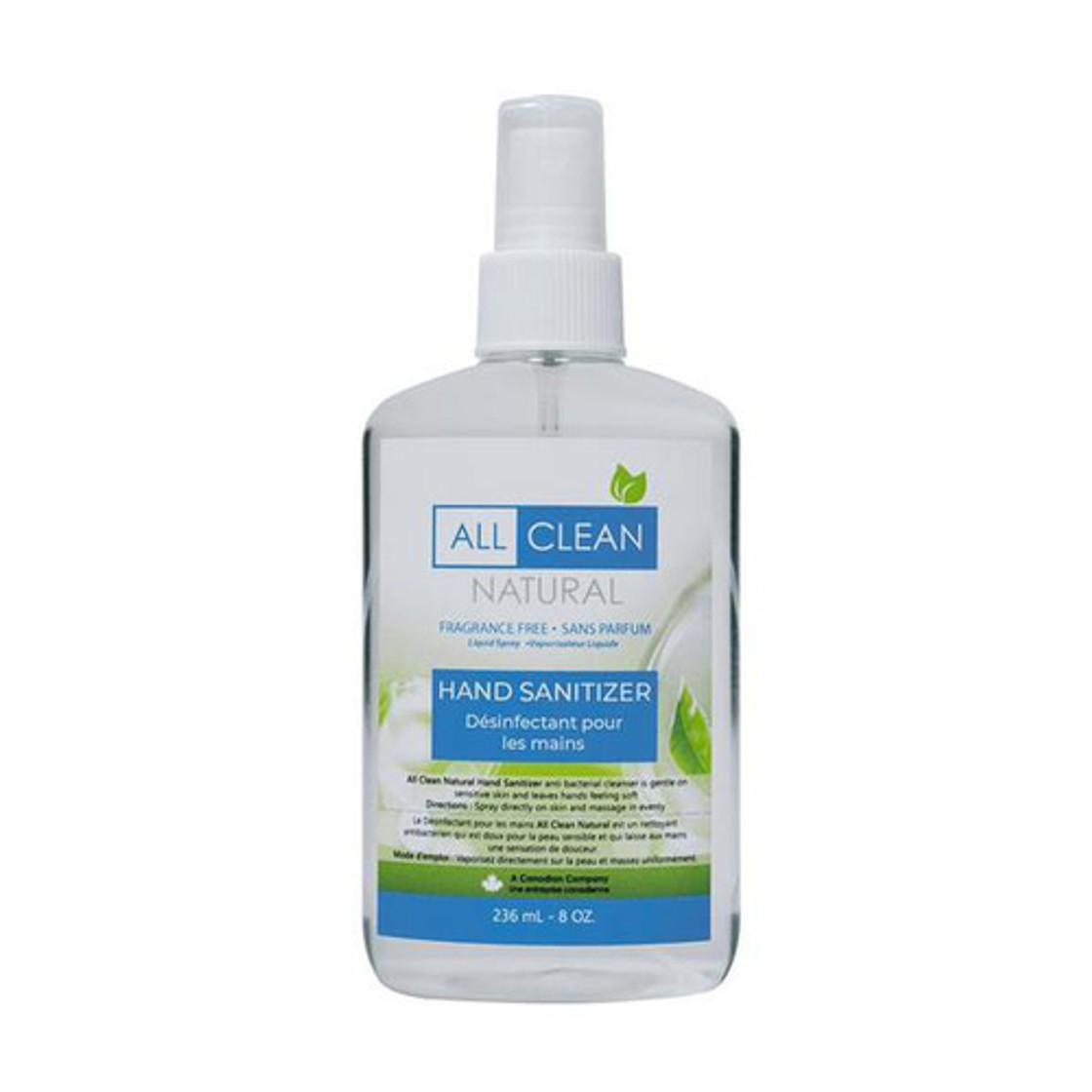
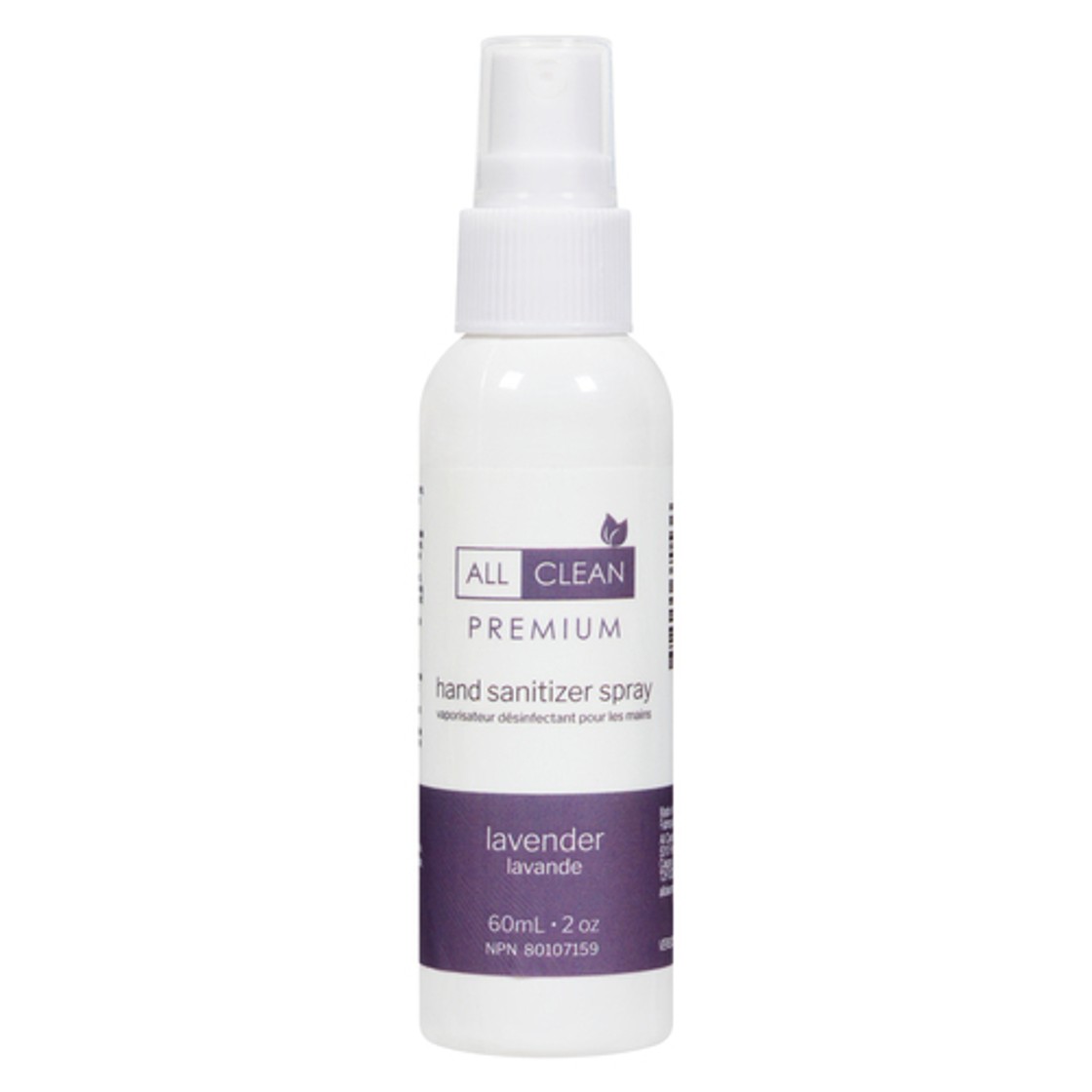
All Clean Hand Sanitizer, distributed by Esk Biochem, represents a specific class of alcohol-based hand hygiene products whose chemical formulation, active ingredients, and regulatory compliance became matters of public health scrutiny. Navigating the proper application, formulation analysis, and safety parameters of such sanitizers requires understanding their chemical composition, adherence to official health guidelines, and the distinction between standard ethanol formulations and prohibited chemical substitutes.
Understanding the Chemical Composition of Esk Biochem Hand Sanitizers
The active antimicrobial agents in standard commercial hand sanitizers typically rely on high concentrations of specific alcohols, predominantly ethanol or isopropyl alcohol, formulated to denature proteins and disrupt the lipid membranes of pathogens. In the case of products distributed by Esk Biochem, the intended formulation relies on alcohol to achieve rapid microbial reduction. However, regulatory evaluations and laboratory analyses conducted by health authorities, such as the U.S. Food and Drug Administration (FDA), have historically identified critical variances in specific batches of these products.
Beyond the primary alcohol base, hand sanitizer formulations include inactive ingredients designed to stabilize the mixture, maintain viscosity, and protect the skin barrier from excessive drying. These often include glycerin, hydrogen peroxide, and sterile purified water. Glycerin acts as a humectant, drawing moisture into the skin to counterbalance the desiccating effects of high-percentage alcohol. Hydrogen peroxide is occasionally included in World Health Organization-recommended compounding formulas to help eliminate spore contamination in liquid solutions, though it is not the primary active antimicrobial agent against vegetative bacteria and viruses.
Regulatory Analysis and Safety Warnings
Public health oversight of hand sanitizer manufacturing involves strict adherence to pharmacopeial standards and emergency regulatory guidances, particularly during periods of heightened public demand. Regulatory scrutiny intensified when analytical testing of specific imports revealed the presence of undeclared toxic compounds. The primary concern associated with certain lots distributed by Esk Biochem involved the detection of methanol, also known as wood alcohol.
Methanol is structurally distinct from the ethanol and isopropyl alcohol permitted for topical antiseptic use. When applied to the skin, methanol can be absorbed systemically, leading to severe adverse health events, including central nervous system depression, ocular toxicity, metabolic acidosis, and, in severe cases, permanent neurological damage or mortality. Consequently, regulatory bodies issued mandatory import alerts and consumer recalls, advising individuals to immediately cease the use of affected products and dispose of them according to local hazardous waste guidelines.
| Parameter | Standard Formulated Hand Sanitizer | Prohibited or Contaminated Formulations |
|---|---|---|
| Primary Active Agent | Ethanol (60-95%) or Isopropyl Alcohol (70-91%) | Unverified alcohols or adulterated with Methanol |
| Regulatory Status | Compliant with FDA/WHO monographs | Subject to FDA import alerts and consumer recalls |
| Skin Absorption Risk | Minimal systemic toxicity when used as directed | High risk of systemic toxicity from methanol absorption |
| Odor Profile | Typical characteristic alcohol scent with optional fragrances | Potential chemical, solvent-like, or atypical odors |
Evaluating Effectiveness: Alcohol Concentration and Microbiology
The microbicidal efficacy of any alcohol-based hand rub is fundamentally dictated by its chemical concentration. Scientific consensus and regulatory monographs establish that topical antiseptic products must contain a minimum of 60% ethanol or 70% isopropanol by volume to achieve significant reductions in transient microbial flora on human skin.
Alcohols neutralize pathogens through protein denaturation, a process where the alcohol molecules disrupt the hydrogen bonds maintaining the three-dimensional structure of vital microbial proteins. This causes the proteins to unfold and clump together, rendering bacteria, fungi, and enveloped viruses non-functional. Non-enveloped viruses, such as norovirus, exhibit varying degrees of resistance to lower concentrations of alcohol, highlighting the necessity of proper formulation standards. When manufacturing processes substitute permitted alcohols with toxic adulterants or dilute active ingredients below effective thresholds, the product fails to provide the expected public health protection, leaving users vulnerable to microbial transmission.
Proper Usage Guidelines for Hand Hygiene
Effective hand hygiene requires strict adherence to established protocols, even when utilizing verified, high-quality antiseptic formulations. Hand sanitizers are categorized as secondary defense measures, recommended primarily when soap and clean running water are unavailable. Soap and water remain superior for physically removing visible soil, organic matter, and specific pathogens like Cryptosporidium, Clostridioides difficile, and norovirus.
When utilizing an approved alcohol-based hand rub, proper technique ensures complete coverage and sufficient contact time to neutralize pathogens:
- Dispense Product: Apply a coin-sized amount, approximately 1.5 to 3 milliliters, to the palm of one hand, ensuring enough volume to cover all surfaces of both hands thoroughly.
- Distribute Across Surfaces: Rub hands palm to palm, ensuring the gel or liquid reaches the interdigital spaces between fingers.
- Cover the Dorsum: Interlace fingers and rub the palm of each hand over the back of the other hand.
- Target Fingertips and Thumbs: Rotational rubbing of the thumbs enclosed in the opposite palms, followed by rubbing the fingertips against the palm of the opposite hand, addresses high-contamination zones.
- Allow Complete Evaporation: Continue rubbing the hands together for at least 20 to 30 seconds until the solution has completely evaporated. Do not wipe hands with a towel or rinse with water, as premature removal reduces contact time and diminishes efficacy.
Identifying Recalled Products and Verification Procedures
Consumers and institutional purchasers must maintain vigilance regarding product authenticity. To verify whether a specific hand sanitizer brand, manufacturer, or lot number is subject to safety alerts, users should consult official government safety databases. The FDA maintains an updated, searchable list of hand sanitizers that consumers should avoid, which frequently catalogs implicated manufacturers and specific product labeling details.
When inspecting a hand sanitizer container, look for clear labeling of active ingredients, batch numbers, and verifiable manufacturing facility details. Vague labeling, missing National Drug Code (NDC) numbers, or unverified claims regarding prolonged protection (such as assertions that a product protects for hours after a single application) often indicate substandard manufacturing practices. Discarding suspect products safely prevents accidental ingestion or dermal exposure to hazardous chemical contaminants.
Frequently Asked Questions
What makes methanol dangerous in hand sanitizers?
Methanol is a toxic industrial solvent that is rapidly absorbed through the skin and mucous membranes. Unlike ethanol, human metabolism of methanol yields formaldehyde and formic acid, which accumulate in the body and can cause severe metabolic acidosis, blindness, permanent central nervous system damage, or death.
How can I check if my hand sanitizer is safe to use?
You can verify the safety status of a hand sanitizer by checking the official FDA updates and recall lists for hand sanitizers. Cross-reference the brand name, manufacturer, and label identifiers listed on your product container with the active regulatory advisories.
Is isopropyl alcohol as effective as ethanol in sanitizers?
Yes, both isopropyl alcohol and ethanol are highly effective antimicrobial agents when formulated within the required concentration range of 60% to 95% by volume. Isopropyl alcohol is typically formulated at a slightly higher minimum concentration (70%) to achieve equivalent microbicidal potency against bacteria and enveloped viruses.
What should I do if I have already used a recalled hand sanitizer?
If you have used a product identified in an official safety alert or recall, immediately wash the exposed skin thoroughly with soap and water. Monitor yourself for symptoms of methanol poisoning, which include headache, blurred vision, nausea, dizziness, and difficulty breathing, and seek immediate medical evaluation if any symptoms develop.
Why is soap and water preferred over hand sanitizer?
Soap and water physically remove dirt, grease, heavy organic loads, and resilient non-enveloped pathogens from the skin through mechanical action and surfactant properties. Alcohol-based sanitizers kill many microorganisms on clean skin but cannot physically remove physical debris or certain spore-forming bacteria.
Safe Disposal and Next Actions for Substandard Products
Disposing of recalled or unverified hand sanitizers requires careful handling to prevent environmental contamination and accidental exposure. Because these products often contain high concentrations of flammable alcohols or toxic chemical adulterants like methanol, they should not be poured down household drains, into storm sewers, or discarded carelessly into standard municipal waste bins without verification.
Consult local environmental protection agencies or municipal hazardous waste disposal programs for designated household hazardous waste collection sites. If local hazardous waste guidance is temporarily unavailable, check with your county or municipal waste management authority regarding specific community collection days for chemical wastes. Safely isolating and disposing of compromised antiseptic products ensures personal safety and protects public health infrastructure.