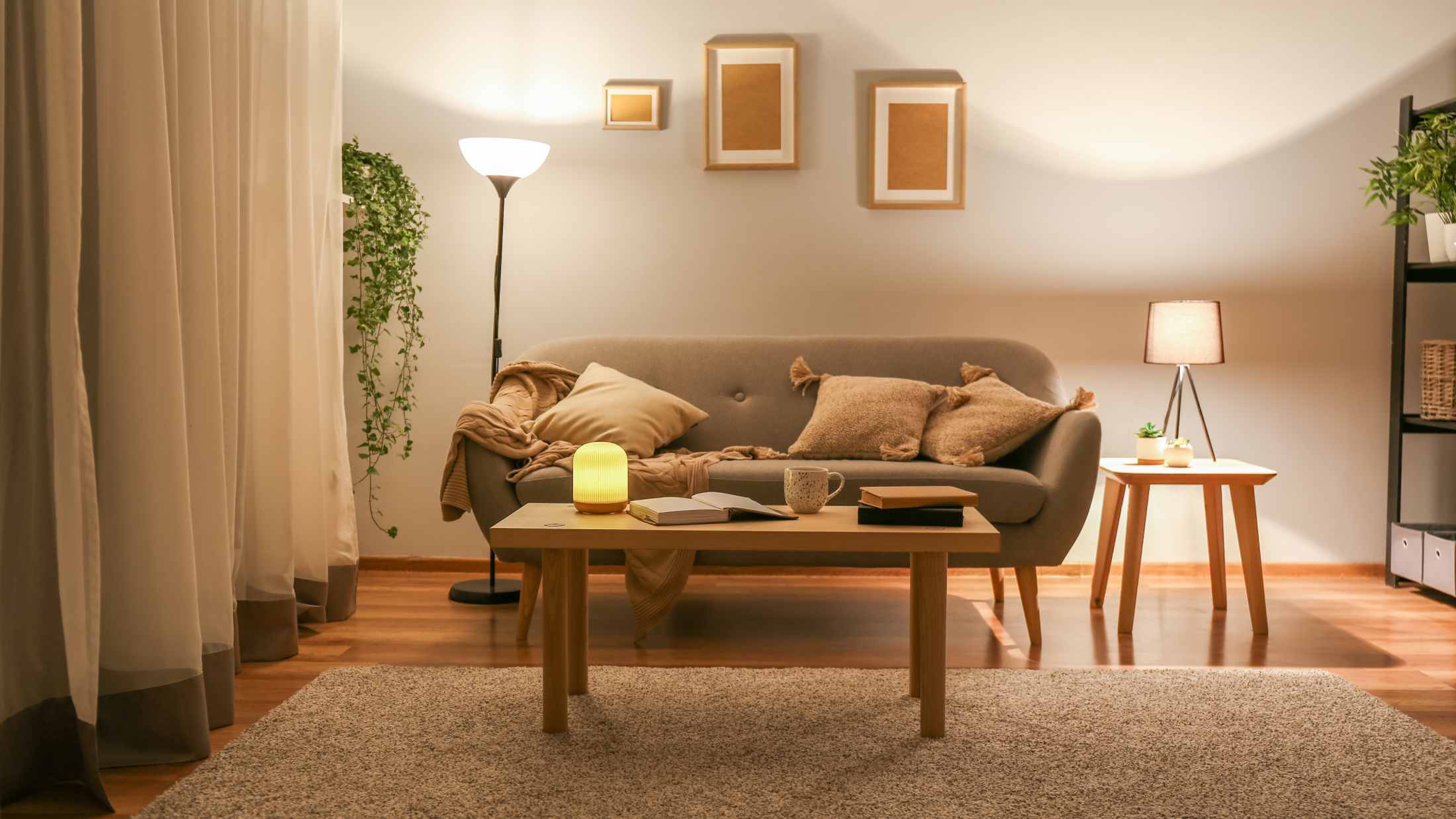
Alicia Rosa the ultimate inspiration and lifestyle guide serves as a comprehensive framework for individuals seeking to cultivate intentional daily routines, refined aesthetic choices, and sustainable personal growth. By blending curated design principles with practical productivity habits, this lifestyle model addresses the modern demand for a balanced, visually engaging, and highly organized existence.
Understanding the Philosophy Behind the Guide
The core philosophy of this lifestyle framework rests upon the deliberate alignment of personal environment with mental clarity. Rather than treating design and productivity as separate domains, the guide positions them as interdependent pillars of daily life. When living spaces, professional schedules, and personal wellness practices complement one another, individuals experience lower friction in achieving their long-term objectives.
At its foundation, the approach encourages a minimalist yet warm aesthetic. This involves stripping away non-essential clutter while retaining elements that evoke personal comfort and creative stimulation. Mental clarity follows a similar trajectory; by systematically auditing daily commitments and focusing energy on high-impact projects, practitioners can avoid burnout while maintaining steady momentum toward their goals.
Core Pillars of the Lifestyle Framework
Implementing a holistic lifestyle strategy requires breaking down overarching ambitions into manageable, structured components. The framework typically organizes these components into distinct functional areas that govern daily decision-making and long-term planning.
Environmental Design and Spatial Harmony
Your physical surroundings exert a direct influence on cognitive function and emotional well-being. Spatial design within the guide emphasizes natural lighting, ergonomic organization, and neutral color palettes punctuated by intentional focal points.
- Decluttering Protocols: Regular assessments of personal belongings to ensure that every item serves either a functional purpose or a distinct aesthetic value.
- Lighting and Atmosphere: Maximizing natural daylight during working hours and utilizing warm, layered ambient lighting in evening environments to signal rest.
- Biophilic Integration: Introducing indoor flora to improve air quality and foster a psychological connection with nature within urban living spaces.
Intentional Productivity and Time Management
Time is treated as a finite, non-renewable resource that must be allocated with the same precision as financial capital. The guide advocates for structured routines that protect deep work intervals while preserving adequate time for rest and social engagement.
- Morning Priming: Establishing a screen-free initial hour focused on physical movement, hydration, and mental preparation before engaging with external demands.
- Time Blocking: Dividing the working day into dedicated thematic blocks to eliminate context-switching and minimize cognitive fatigue.
- Evening Review: Concluding the day by organizing tasks for the subsequent morning, thereby reducing nocturnal anxiety and ensuring an immediate start upon waking.
Comparing Traditional Lifestyle Advice with Modern Curated Frameworks
To appreciate the distinct value proposition of a modern lifestyle guide, it is helpful to contrast its methods with conventional, generalized self-help advice.
| Feature | Traditional Self-Help | Modern Curated Lifestyle Frameworks |
|---|---|---|
| Primary Focus | Radical productivity and hustle culture | Sustainable balance, aesthetics, and mental well-being |
| Spatial Approach | Treated as secondary or purely utilitarian | Central pillar; environment actively shapes mindset |
| Routine Structure | Rigid, one-size-fits-all schedules | Flexible, modular habits tailored to individual needs |
| Information Delivery | Dense text-based manuals | Visual storytelling, actionable frameworks, and digital integration |
Integrating Wellness and Self-Care into Daily Routines
Physical vitality and emotional resilience form the engine that powers any sustainable lifestyle transformation. Neglecting rest or nutrition inevitably undermines productivity and creative output. The guide promotes a preventative approach to wellness rather than a reactive one.
Nutrition is approached through whole, nutrient-dense foods that sustain energy levels throughout the day without causing glycemic crashes. Hydration tracking and consistent sleep hygiene are treated as non-negotiable prerequisites for high performance. Furthermore, mindfulness practices—ranging from formal meditation to journaling and intentional walks without digital devices—provide necessary intervals for emotional processing and mental decompression.
Overcoming Common Pitfalls in Lifestyle Design
Attempting to overhaul multiple areas of life simultaneously frequently leads to frustration and swift abandonment of new habits. Recognizing these common obstacles helps practitioners maintain consistency over the long term.
- Perfectionism Trap: Believing that an environment or routine must be flawless to be effective. Progress should always take precedence over cosmetic perfection.
- Over-Consumerism: Misinterpreting aesthetic curation as an invitation to continuously purchase new goods. True curation emphasizes quality, durability, and intentional retention over fleeting trends.
- Rigid Adherence: Failing to adapt routines to changing life circumstances, seasonal shifts, or unexpected professional demands.
Frequently Asked Questions
What is the primary objective of following a structured lifestyle guide?
The primary objective is to harmonize your physical environment, daily routines, and mental well-being to reduce friction, eliminate unnecessary stress, and foster sustainable personal growth.
How do I begin implementing these principles without feeling overwhelmed?
Start by selecting a single micro-habit—such as establishing a consistent morning screen-free window or clearing your primary workspace at the end of each day—before expanding into broader spatial and scheduling changes.
Is this lifestyle approach expensive to maintain?
No, the core philosophy centers on intentionality and curation rather than continuous consumption. It emphasizes making better use of what you already own and prioritizing quality over quantity.
How often should I review and adjust my daily routines?
A quarterly review is generally recommended. This allows you to evaluate which habits are serving your current goals and which routines require adjustment based on seasonal or professional changes.
Can these principles be applied in small living spaces?
Yes, spatial harmony principles rely on smart organization, vertical storage solutions, and ruthless decluttering, making them highly effective for compact urban apartments as well as larger homes.
Practical Next Actions for Immediate Implementation
To transition from theoretical understanding to active practice, select one specific area of your life to audit this week. Begin with a single physical zone, such as your primary workspace or bedside table, applying the decluttering and aesthetic alignment principles outlined above. Once that area reflects your desired standard, introduce a structured evening review habit to lock in your organizational gains. By taking incremental, deliberate steps, you create a lasting foundation for a balanced and inspired daily existence.