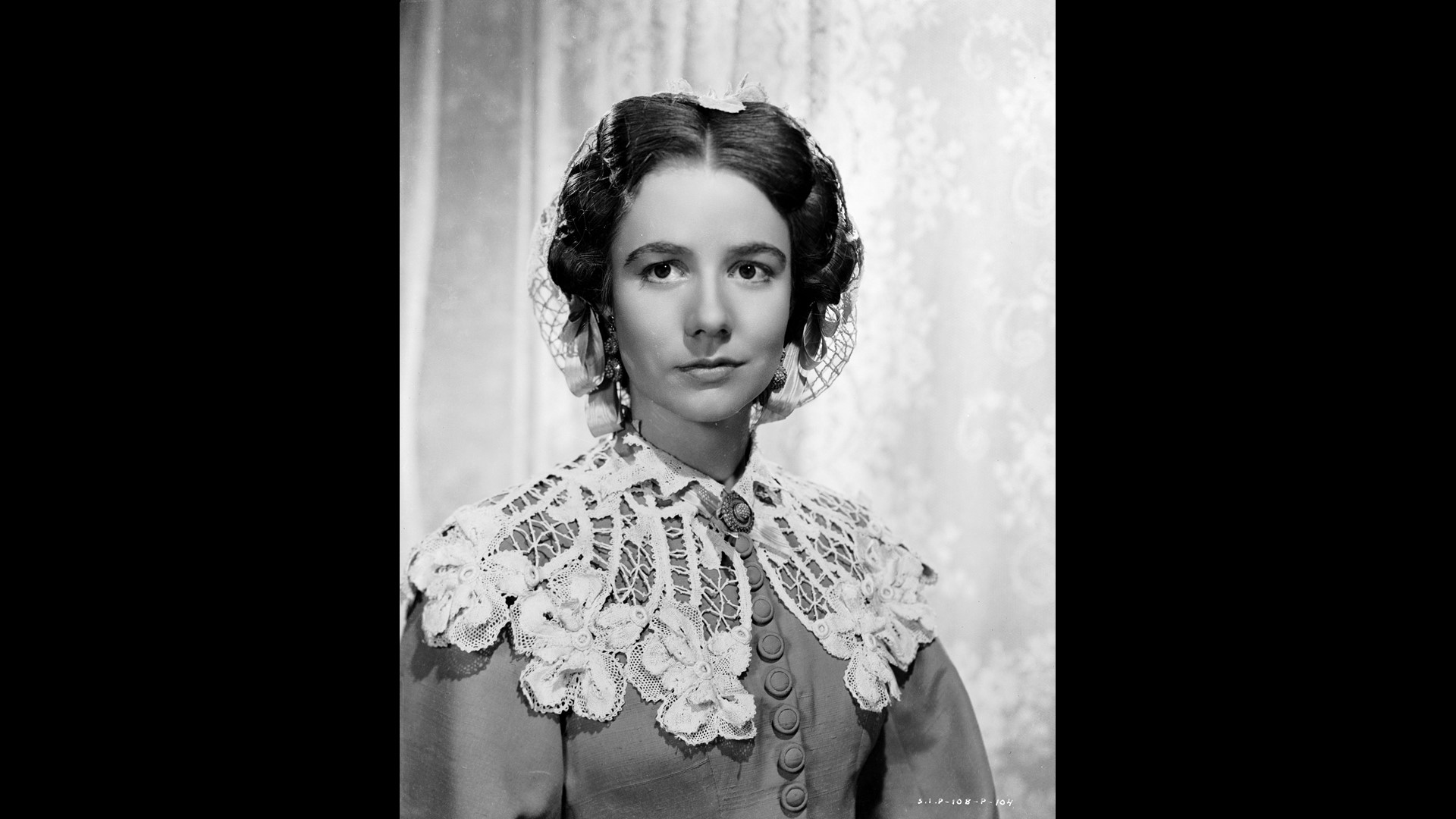
Alicia Rhett was an American actress and portrait painter best remembered for her role as India Wilkes in the iconic 1939 epic film Gone with the Wind. Although her film career was brief and consisted of only that single cinematic appearance, her transition into a prolific portrait artist cemented her artistic legacy in South Carolina and beyond. Operating during the Golden Age of Hollywood, she chose to step away from the major studio system, prioritizing her fine art career and local theater work in Charleston over the pursuit of Hollywood stardom.
Early Life and Artistic Background in Savannah
Born in Savannah, Georgia, on February 1, 1915, Alicia Rhett came from a prominent Southern family with deep historical roots. Her father, Rudolph Goodwyn Rhett, had served as the mayor of Charleston, South Carolina, and her mother, Isabelle Hunter, possessed a strong appreciation for the arts. Following her father's death during World War I, Alicia moved with her mother to Charleston, South Carolina, which she would consider her lifelong home and primary cultural anchor.
Growing up in Charleston, Rhett exhibited a natural aptitude for the visual arts and public speaking long before she ever set foot on a Hollywood soundstage. She attended local schools where she cultivated a refined Southern accent and an elegant, aristocratic bearing that would later define her screen presence. Her early exposure to Southern society provided her with an intuitive understanding of manners, social hierarchies, and deportment—traits that heavily influenced both her acting style and her later portraiture.
Beyond her visual artistry, Rhett possessed a clear, resonant speaking voice that naturally drew her toward local theatrical productions. She performed with the Dock Street Theatre in Charleston, participating in community stage plays that helped hone her dramatic delivery. It was during one of these local theatrical engagements that talent scouts for David O. Selznick discovered her, launching a brief but globally recognized chapter in cinematic history.
The Casting and Production of "Gone with the Wind"
In the mid-1930s, producer David O. Selznick undertook one of the most exhaustive talent searches in motion picture history to cast the adaptation of Margaret Mitchell's bestselling novel, Gone with the Wind. Because the book was a massive cultural phenomenon, public and studio scrutiny surrounded the casting of every single role, from the central leads of Scarlett O'Hara and Rhett Butler down to supporting characters like India Wilkes.
| Character | Portraying Actor | Significance in the Film |
|---|---|---|
| India Wilkes | Alicia Rhett | Sister to Ashley Wilkes; fierce rival and critic of Scarlett O'Hara. |
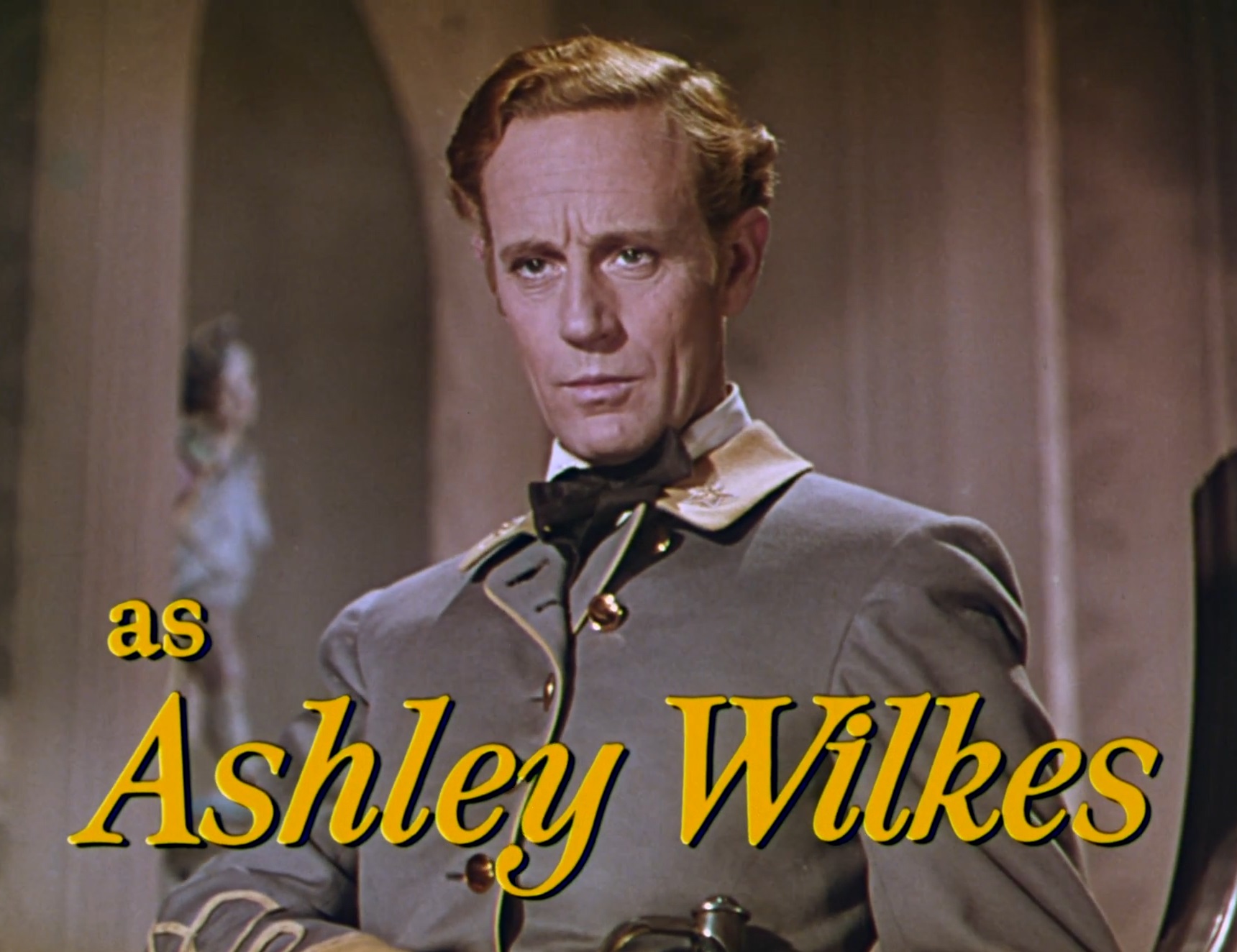
| Ashley Wilkes | Leslie Howard | The object of Scarlett's unrequited affection and India's protective brother. |
| Melanie Hamilton | Olivia de Havilland | India's close friend and sister-in-law, contrasted with Scarlett's fiery nature. |
| Scarlett O'Hara | Vivien Leigh | The central protagonist of the sweeping historical drama. |
Alicia Rhett was cast as India Wilkes, the sister of Ashley Wilkes who harbors a deep, abiding animosity toward Scarlett O'Hara. At 5 feet 6 inches tall, with striking dark hair and classic features, Rhett visually embodied the aristocratic composure of the Old South. Director George Cukor and later Victor Fleming directed her performances, guiding her through emotionally charged scenes where India’s jealousy and grief shape key narrative tensions within the Wilkes family.
Despite the immense cultural footprint of the film, working on the set presented distinct challenges for the young actress. Rhett was famously required to undergo elocution training to soften certain regional vowels while maintaining a refined accent appropriate for the antebellum aristocracy. When the film premiered in Atlanta, Georgia, in December 1939, Rhett participated in the festivities, sharing the spotlight with megastars like Clark Gable, Vivien Leigh, and Olivia de Havilland.
Transition from Hollywood to Portrait Painting
Following the massive success of Gone with the Wind, studio executives and fans anticipated a flourishing cinematic career for Alicia Rhett. However, Rhett quickly realized that the lifestyle of a contract Hollywood actress did not align with her personal values or artistic ambitions. She declined subsequent film offers, choosing instead to return permanently to her home in Charleston, South Carolina.
Rather than pursuing fame on the silver screen, Rhett dedicated her professional life entirely to fine art, specifically portrait painting. She had studied art formally and possessed a rigorous command of charcoal, pastel, and oil mediums. Her studio in Charleston became a quiet sanctuary where she captured the likenesses of prominent military figures, politicians, society members, and everyday citizens.
As a portraitist, Rhett was celebrated for her classical realism and her ability to capture psychological depth rather than mere physical likeness. Her subjects often included generals, university presidents, and civic leaders whose portraits continue to hang in public buildings, university halls, and private collections across the American South. Unlike many of her contemporaries who struggled with the transition away from motion pictures, Rhett found profound fulfillment and steady professional recognition in her visual art.
Later Years and Cultural Preservation in Charleston
Throughout the mid-to-late 20th century, Alicia Rhett maintained a quiet, dignified presence in Charleston, balancing her art career with cultural preservation efforts. She remained actively involved in the local arts community, supporting institutions such as the Carolina Art Association and the Gibbes Museum of Art.
Even as decades passed, the cultural shadow of Gone with the Wind followed her, resulting in occasional interview requests and fan mail from across the globe. Rhett generally approached this attention with characteristic modesty and grace, politely declining to mythologize her single cinematic credit while graciously acknowledging its historic significance. As older cast members passed away, she eventually became one of the last surviving credited adult actors from the 1939 film, alongside figures like Olivia de Havilland and Evelyn Keyes.
Her commitment to Charleston extended to historic preservation, as she witnessed the city evolve from a quiet coastal town into a major cultural destination. She lived independently into her late nineties, maintaining her sharp intellect, her refined manners, and her lifelong passion for drawing and painting until her final years.
Death and Enduring Legacy
Alicia Rhett passed away on March 3, 2014, at the age of 99 at Bishop Gadsden Episcopal Retirement Community in Charleston, South Carolina. At the time of her passing, she was recognized internationally as the oldest surviving cast member of Gone with the Wind. Obituaries in major global publications celebrated her dual identity as a classic Hollywood footnote and a dedicated Southern portraitist.
Her legacy remains two-fold. To cinema historians and global film audiences, she is permanently enshrined as India Wilkes, contributing a vital performance to one of the highest-grossing films of all time when adjusted for inflation. To the art community of South Carolina, she is remembered as a disciplined, accomplished portrait painter who chose the integrity of easel and canvas over the fleeting temptations of studio celebrity.
Frequently Asked Questions About Alicia Rhett
Why did Alicia Rhett only appear in one film?
Alicia Rhett chose to leave Hollywood after making Gone with the Wind because she preferred a quiet life in Charleston, South Carolina, and wished to focus full-time on her career as a portrait painter and local stage actress rather than navigating the pressures of a major studio contract.
What role did Alicia Rhett play in Gone with the Wind?
She played India Wilkes, the sister of Ashley Wilkes. In the film, India serves as a primary antagonist and rival to Scarlett O'Hara, deeply disapproving of Scarlett's behavior and her affections for Ashley.
Was Alicia Rhett related to any historical figures?
Yes, she was the daughter of Rudolph Goodwyn Rhett, a prominent attorney, industrialist, and former mayor of Charleston, South Carolina, who played a significant regional leadership role during the early 20th century.
What kind of artwork did Alicia Rhett create after acting?
She specialized in classical portraiture, working primarily in oil, pastel, and charcoal. Her subjects included prominent military officers, civic leaders, university administrators, and private citizens, primarily throughout the American South.
Where are Alicia Rhett's portraits displayed?
Many of her portraits are housed in private collections, universities, historical societies, and public buildings throughout South Carolina and Georgia, reflecting her deep regional ties and active professional career as a fine artist.
Preserving Artistic Integrity and Cinematic History
For anyone examining the broader landscape of 20th-century American culture, Alicia Rhett offers a fascinating study in deliberate career choices. By walking away from a lucrative Hollywood contract, she preserved her autonomy and dedicated more than six decades to the rigorous discipline of fine art. Reviewing her transition from a globally recognized movie set to a quiet Charleston art studio highlights an uncompromising dedication to personal fulfillment over mainstream celebrity.