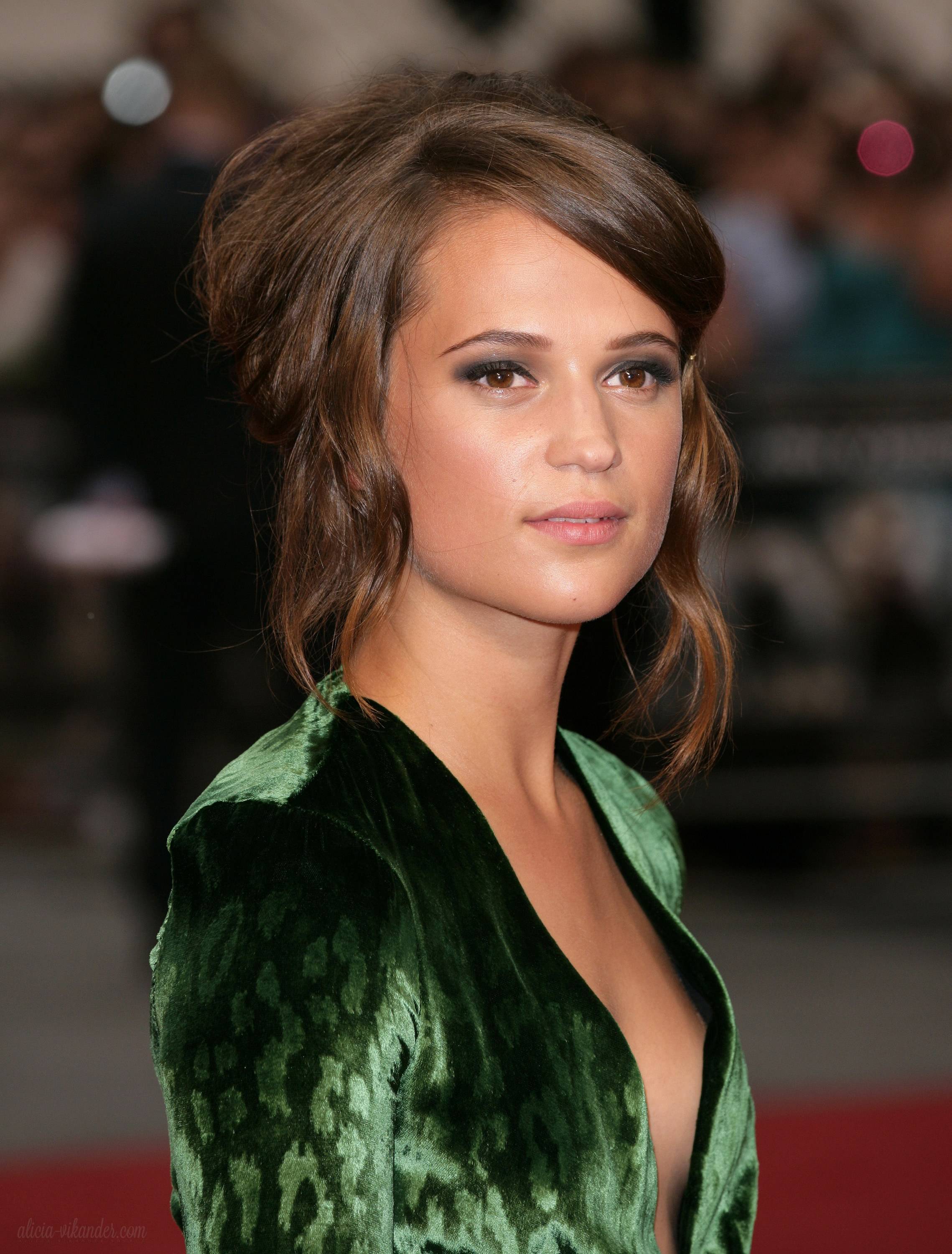
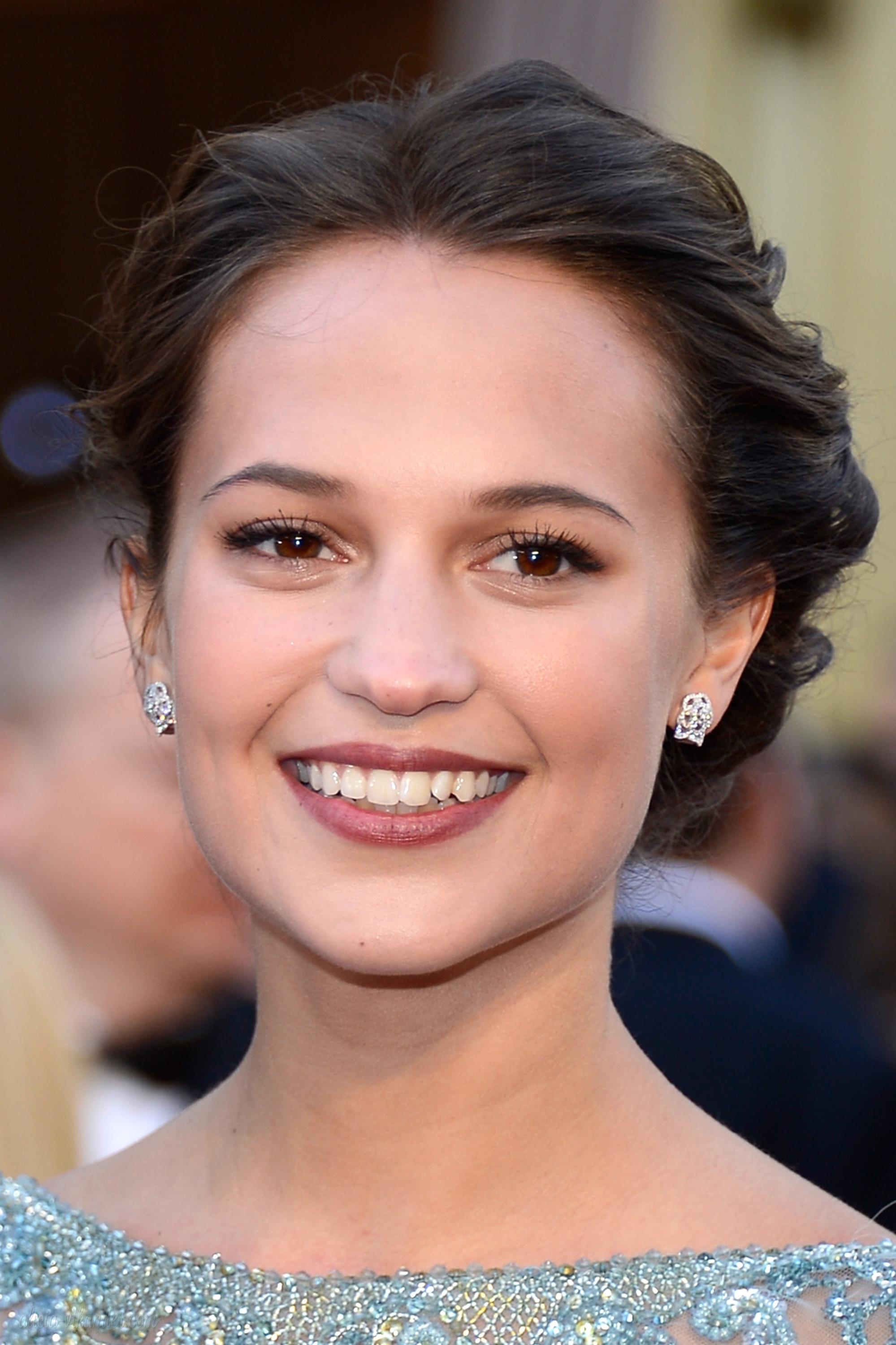
Alicia Vikander is an Academy Award-winning Swedish actress and producer known for her transformative performances in independent dramas, psychological thrillers, and major international studio franchises. Rising from rigorous classical ballet training in her youth to global cinematic recognition, she established herself as a versatile performer capable of anchoring complex science fiction narratives, historical periods, and intimate character studies alike.
Foundations in Dance and Early Performing Arts
Before establishing herself as a prominent film actress, Alicia Vikander dedicated her formative years to classical ballet. Born in Gothenburg, Sweden, she entered the Royal Swedish Ballet School in Stockholm at the age of nine. This intensive educational environment required absolute physical discipline, spatial awareness, and emotional restraint through movement—qualities that later informed her physical approach to screen acting.
The demanding nature of professional dance training shaped her professional work ethic. However, physical injuries sustained during her teens ultimately altered her trajectory, prompting her to transition from the ballet studio to theatrical stages and dramatic auditions. Her early acting credits in Swedish television productions and short films provided a practical foundation in front of the camera, bridging the gap between stage performance and cinematic naturalism.
Breakthrough Roles in Swedish Cinema
Vikander’s transition to feature films gained critical momentum with her leading role in the 2010 Swedish drama Pure (Till det som är vackert), directed by Lisa Langseth. In the film, she portrayed Katarina, a young woman from a working-class background who attempts to reinvent herself by securing a position at a concert hall in Gothenburg. Her performance earned widespread acclaim across Scandinavia, culminating in the Guldbagge Award for Best Actress, Sweden’s highest national film honor.
This initial collaboration with Langseth established Vikander's affinity for complex, morally ambiguous characters. Rather than pursuing conventional ingénue roles, she gravitated toward intense psychological studies that explored isolation, ambition, and identity. This early body of work drew the attention of international casting directors and paved the way for her entry into English-language cinema.
International Expansion and Historical Dramas
Her transition to international cinema accelerated in 2012 with two contrasting projects: Joe Wright’s adaptation of Anna Karenina and Nikolaj Arcel’s Danish historical drama A Royal Affair (En kongelig affære). In Anna Karenina, Vikander portrayed Kitty, holding her own alongside an ensemble cast including Keira Knightley and Jude Law. Simultaneously, in A Royal Affair, she delivered a nuanced performance as Queen Caroline Mathilda, performing extensively in Danish to chronicle a pivotal political and romantic affair in 18th-century European history.
| Film Title | Release Year | Role | Notable Recognition |
|---|---|---|---|
| Pure | 2010 | Katarina | Guldbagge Award for Best Actress |
| A Royal Affair | 2012 | Queen Caroline Mathilda | Academy Award submission (Best Foreign Language Film) |
| Ex Machina | 2014 | Ava | Academy Award for Best Supporting Actress (Nomination) |
| The Danish Girl | 2015 | Gerda Wegener | Academy Award for Best Supporting Actress (Winner) |
| Tomb Raider | 2018 | Lara Croft | Commercial franchise expansion |
Following these historical productions, Vikander expanded her range into science fiction and espionage. She starred in the 2013 biographical drama The Fifth Estate and the British crime thriller Son of a Gun (2014), steadily building a reputation for meticulous character preparation across diverse genres.
Critical Acclaim and Academy Award Recognition
The year 2014 marked a turning point in Vikander’s career with her performance as Ava, an advanced humanoid artificial intelligence, in Alex Garland’s directorial debut Ex Machina. Shot on a modest budget, the psychological sci-fi thriller relied heavily on the intricate dynamic between Vikander’s calculated, enigmatic android and Domhnall Gleeson’s software programmer. Her portrayal required a precise balance of mechanical stiffness and hyper-conscious emotional subtext, earning her a Golden Globe Award nomination for Best Supporting Actress.
In 2015, Vikander starred in Tom Hooper’s biographical drama The Danish Girl, portraying artist Gerda Wegener alongside Eddie Redmayne. Her portrayal of a devoted wife navigating her partner’s gender transition offered the emotional anchor of the film. For this role, Vikander received the Academy Award for Best Supporting Actress, cementing her status as a leading talent of her generation.
Franchise Stardom and Producing Ventures
Capitalizing on her critical success, Vikander took on major commercial franchise work, starring as Lara Croft in the 2018 reboot of Tomb Raider. The action-adventure film required rigorous physical conditioning, echoing the athletic discipline of her ballet training.
Demonstrating creative control over her career, Vikander established Vikarious Productions, a production company aimed at fostering collaborative artistic projects and supporting female filmmakers. Through this banner, she produced and starred in Euphoria (2017), reuniting with director Lisa Langseth, and executive produced the psychological thriller The Glorious Dead. Her later television work included starring as American silent film star Irma Vep in Olivier Assayas’s acclaimed 2022 HBO miniseries adaptation, further bridging independent art-house cinema and premium television.
Frequently Asked Questions
What was Alicia Vikander’s breakthrough movie role?
Her breakthrough feature film role was in the 2010 Swedish drama Pure (Till det som är vackert), for which she won the Guldbagge Award for Best Actress. This performance established her viability as a dramatic lead before she transitioned to international English-language productions.
For which film did Alicia Vikander win an Academy Award?
She won the Academy Award for Best Supporting Actress at the 88th Academy Awards in 2016 for her performance as artist Gerda Wegener in Tom Hooper’s biographical drama The Danish Girl.
Did Alicia Vikander have a background in dance before acting?
Yes, she trained extensively in classical ballet from the age of nine at the Royal Swedish Ballet School in Stockholm. She pursued a professional dance career before injuries led her to transition into theater and film acting.
What role did Alicia Vikander play in Ex Machina?
She played Ava, an advanced artificial intelligence robot subjected to a Turing test by a young programmer. Her performance earned widespread critical acclaim and a Golden Globe nomination.
What is Vikarious Productions?
Vikarious Productions is a film production company founded by Alicia Vikander and her partner. The company focuses on developing independent feature films, supporting emerging directors, and producing narrative projects that offer complex roles for women.
Practical Next Actions for Cinephiles and Researchers
To gain a comprehensive appreciation of Alicia Vikander’s artistic range, viewers should examine her filmography chronologically rather than by box office scale. Start with her early independent work in Pure to understand her dramatic roots, proceed through her breakout international performances in Ex Machina and A Royal Affair, and conclude with her television transformation in Irma Vep. This progression highlights her deliberate choice of complex, director-driven material across multiple languages and production scales.