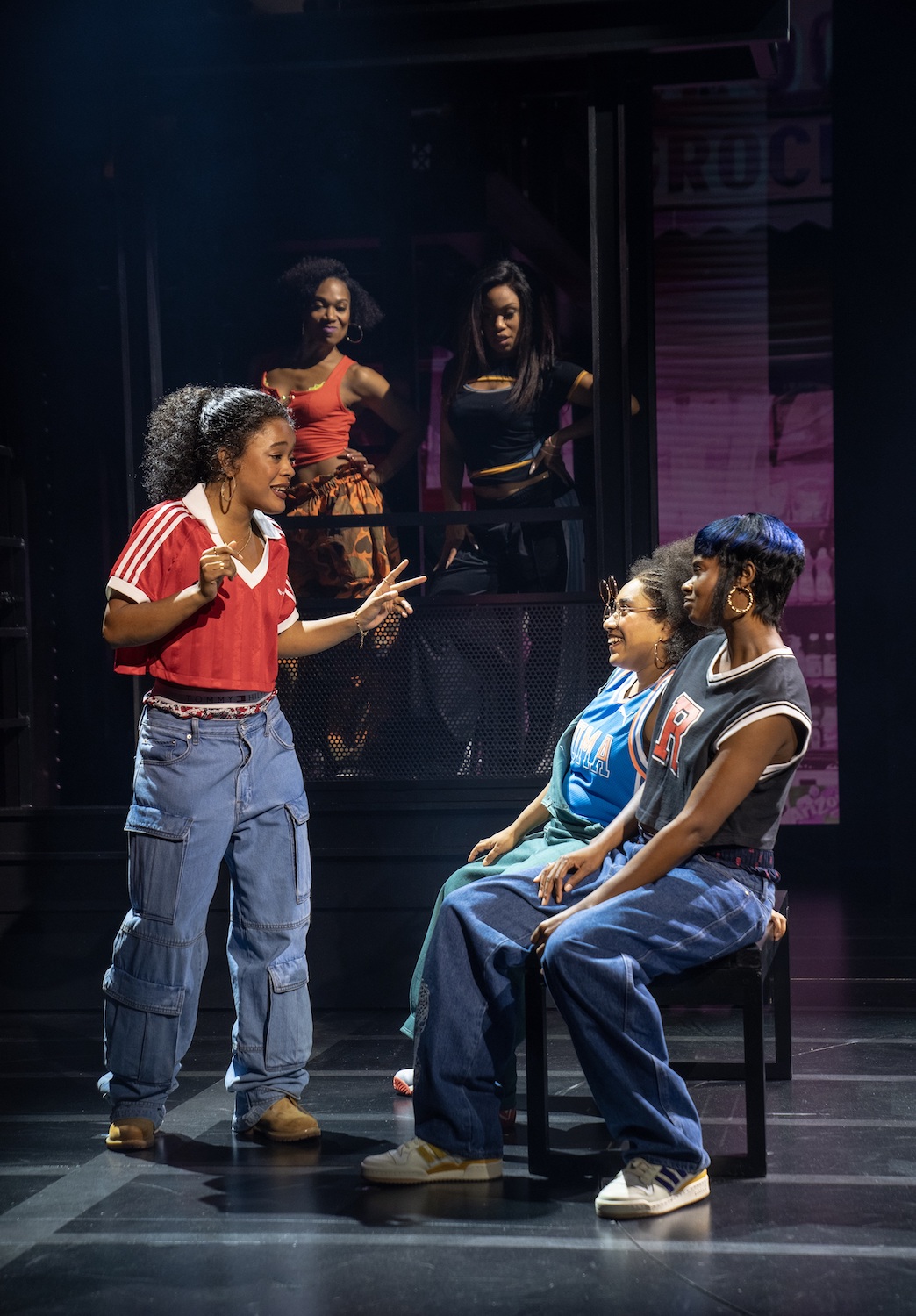
When global music icon Alicia Keys stepped onto the stage during a special performance of her hit jukebox musical Hell’s Kitchen, it marked a monumental collision of Broadway theatricality and 1990s New York City soul. Inspired by Keys' own formative years navigating ambition, creativity, and maternal relationships in the mid-1990s Manhattan Plaza, the production has evolved into a major cultural phenomenon. This integration of the Grammy-winning artist into the live theatrical ecosystem highlights the profound emotional depth driving the show's artistic direction, cementing its place as a landmark piece of contemporary musical theater.
The Genesis and Inspiration Behind Hell's Kitchen
The journey of Hell’s Kitchen from concept to Broadway royalty is rooted in deeply personal territory for its creator. Alicia Keys spent years developing the project, collaborating with playwright Kristoffer Diaz and director Michael Greif to translate her adolescent experiences into a cohesive dramatic narrative. Set in a cramped apartment complex on 44th Street, the story follows Ali, a fiercely talented 17-year-old piano prodigy played by breakout star Maleah Joi Moon, as she grapples with first love, systemic urban constraints, and a protective mother who fears the world will consume her daughter’s ambitions.
Rather than functioning as a standard biographical revue, the musical uses Keys’ extensive catalog—featuring timeless anthems like "No One," "Fallin'," and "Girl on Fire"—alongside brand-new original compositions to advance character development. The score is arranged with rich, theatrical textures that honor the soul, R&B, and hip-hop sonic landscape of 1990s New York City. By anchoring the narrative in the specific geography and cultural heartbeat of Manhattan's Hell's Kitchen neighborhood, the creative team established a raw authenticity that resonates deeply with audiences seeking genuine storytelling on the Great White Way.
Production Elements, Choreography, and Scenic Design
Bringing the gritty, vibrant atmosphere of 1990s New York to the stage required a multidisciplinary design approach that merges architecture, movement, and sound. Robert Brill’s scenic design utilizes metallic scaffolding, fire escapes, and sliding panels to evoke the claustrophobic yet endlessly potential-filled environment of the Manhattan Plaza housing complex. These industrial structures shift dynamically to represent subway cars, cramped living rooms, and bustling sidewalk corners, creating a fluid canvas for the cast.
Complementing the visual design is Camille A. Brown’s explosive choreography, which serves as a vital storytelling mechanism. Drawing heavily from 90s street dance, step, and contemporary movement, the choreography captures the youthful exuberance and underlying tension of the era. The ensemble moves with a synchronized urgency that mirrors the fast-paced rhythm of the city itself. When paired with luminous lighting designs by Natasha Katz and immersive sound engineering, every performance transforms into a high-energy multisensory experience that captures the raw pulse of urban life.
Cast Performances and the Breakout Success of Maleah Joi Moon
The commercial and critical triumph of Hell's Kitchen rests heavily on the extraordinary chemistry and vocal prowess of its principal cast. At the center of the production is Maleah Joi Moon, whose performance as Ali earned unanimous critical acclaim and major theatrical accolades, including the Tony Award for Best Leading Actress in a Musical. Moon navigates the character's emotional vulnerabilities and soaring vocal demands with a maturity that anchors the entire production.
Surrounding the central protagonist are powerhouse supporting performances that elevate the domestic and mentorship dynamics of the story. Shoshana Bean portrays Ali's protective mother, Jersey, balancing maternal anxiety with fierce devotion, while Kecia Lewis delivers a tour-de-force performance as Miss Liza Jane, the tough-love piano teacher who unlocks Ali's artistic potential. The interplay between these three women explores generational friction, sacrifice, and the enduring power of mentorship, providing the emotional core that transforms the jukebox format into a profound coming-of-age drama.
| Character | Original Performer | Core Role in the Narrative |
|---|---|---|
| Ali | Maleah Joi Moon | A 17-year-old piano prodigy navigating identity, first love, and ambition. |
| Jersey | Shoshana Bean | Ali's protective, hardworking mother balancing love and fear for her daughter. |
| Miss Liza Jane | Kecia Lewis | The uncompromising piano mentor who pushes Ali toward her true potential. |
| Knuck | Brandon Victor Dixon | Ali's estranged father, whose reappearance challenges family stability. |
Alicia Keys' Surprise Live Appearances and Fan Impact
While Alicia Keys serves as the primary creative engine and songwriter behind the production, her occasional live appearances on stage have generated unprecedented excitement among theatergoers. These surprise cameos—where Keys steps up to the piano to perform alongside the cast or share a musical interlude during the curtain call—bridge the gap between arena-scale pop stardom and intimate theatrical storytelling. These moments underscore her personal investment in the project, transforming a standard Broadway ticket into a once-in-a-lifetime cultural event for audiences lucky enough to be in attendance.
The impact of these appearances extends far beyond viral social media moments; they validate the authenticity of the theatrical adaptation. When Keys performs songs that defined a generation inside the walls of the Shubert Theatre, the boundary between her personal history and the fictionalized narrative dissolves. This synergy has attracted a diverse demographic of theatergoers, drawing traditional Broadway enthusiasts alongside contemporary music fans who may be experiencing live theatrical performance for the very first time.
Commercial Reception, Awards Circuit, and Cultural Legacy
Since premiering off-Broadway at The Public Theater before making its triumphant transfer to Broadway's Shubert Theatre, Hell's Kitchen has dominated the commercial landscape. The production shattered box office records, consistently playing to packed houses and earning widespread critical acclaim from mainstream cultural outlets. Its dominance on the awards circuit solidified its status as a defining cultural milestone of the 2020s theatrical season, proving that original stories backed by culturally resonant music can achieve both artistic integrity and mainstream commercial viability.
The show's legacy is further defined by its ability to foster inclusivity within the theater industry. By centering urban Black youth experiences, complex familial dynamics, and a distinctly modern sonic palette, the production has opened doors for new audiences and creators. It demonstrates that Broadway can successfully evolve to embrace contemporary musical genres without sacrificing narrative depth, paving the way for future generations of artists seeking to translate their personal histories onto the dramatic stage.
Frequently Asked Questions
Is Alicia Keys in every performance of Hell's Kitchen on Broadway?
No, Alicia Keys does not perform in every show. The musical runs with a full professional cast led by principal actors such as Maleah Joi Moon, Shoshana Bean, and Kecia Lewis. Keys makes special, unannounced appearances on stage for select performances, but her regular role is as the creator, composer, and producer behind the production.
What genre of music is featured in the Hell's Kitchen musical score?
The musical features a score primarily rooted in 1990s R&B, soul, pop, and hip-hop. It incorporates many of Alicia Keys’ biggest career hits alongside original songs written specifically for the narrative, all newly arranged for a Broadway orchestra and vocal ensemble.
Where is Hell's Kitchen being performed?
The production has established its residency on Broadway at the Shubert Theatre, located at 225 West 44th Street in Manhattan, New York City. The physical theater space was chosen deliberately for its proximity to the real-world neighborhood that inspired the story.
What is the primary storyline of the production?
The story follows 17-year-old Ali living in the Manhattan Plaza apartment complex during the 1990s. It explores her journey toward self-discovery, her complicated relationship with her mother, her first romance, and the discovery of her musical voice under the guidance of a strict piano teacher.
How did the musical transition from development to Broadway?
Hell's Kitchen underwent rigorous workshop phases and a critically acclaimed, sold-out run at The Public Theater off-Broadway. Following extensive creative refinement and enthusiastic audience reception, the production successfully transferred to Broadway, where it expanded its run and secured major theatrical awards.
Next Steps for Experiencing the Production
Securing tickets to experience this theatrical sensation requires advance planning due to high demand and frequent sell-out performances. Prospective attendees should purchase tickets exclusively through official box office channels or authorized ticketing partners to avoid inflated resale pricing and counterfeit passes. Reviewing the performance schedule ahead of time ensures familiarity with alternate casting dates, while exploring the musical's official soundtrack can provide a helpful introduction to the reimagined arrangements before seeing the production live on Broadway.