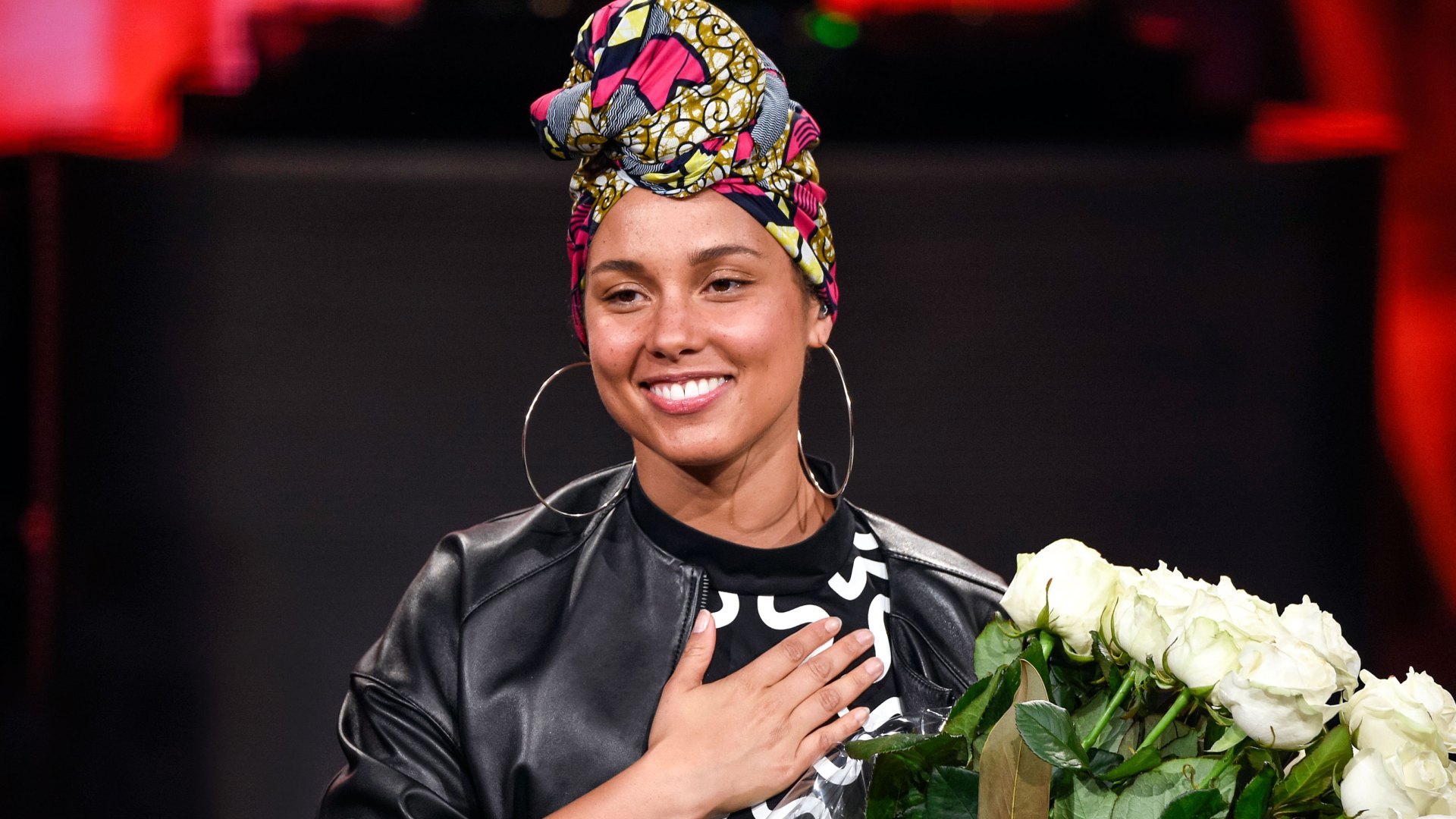
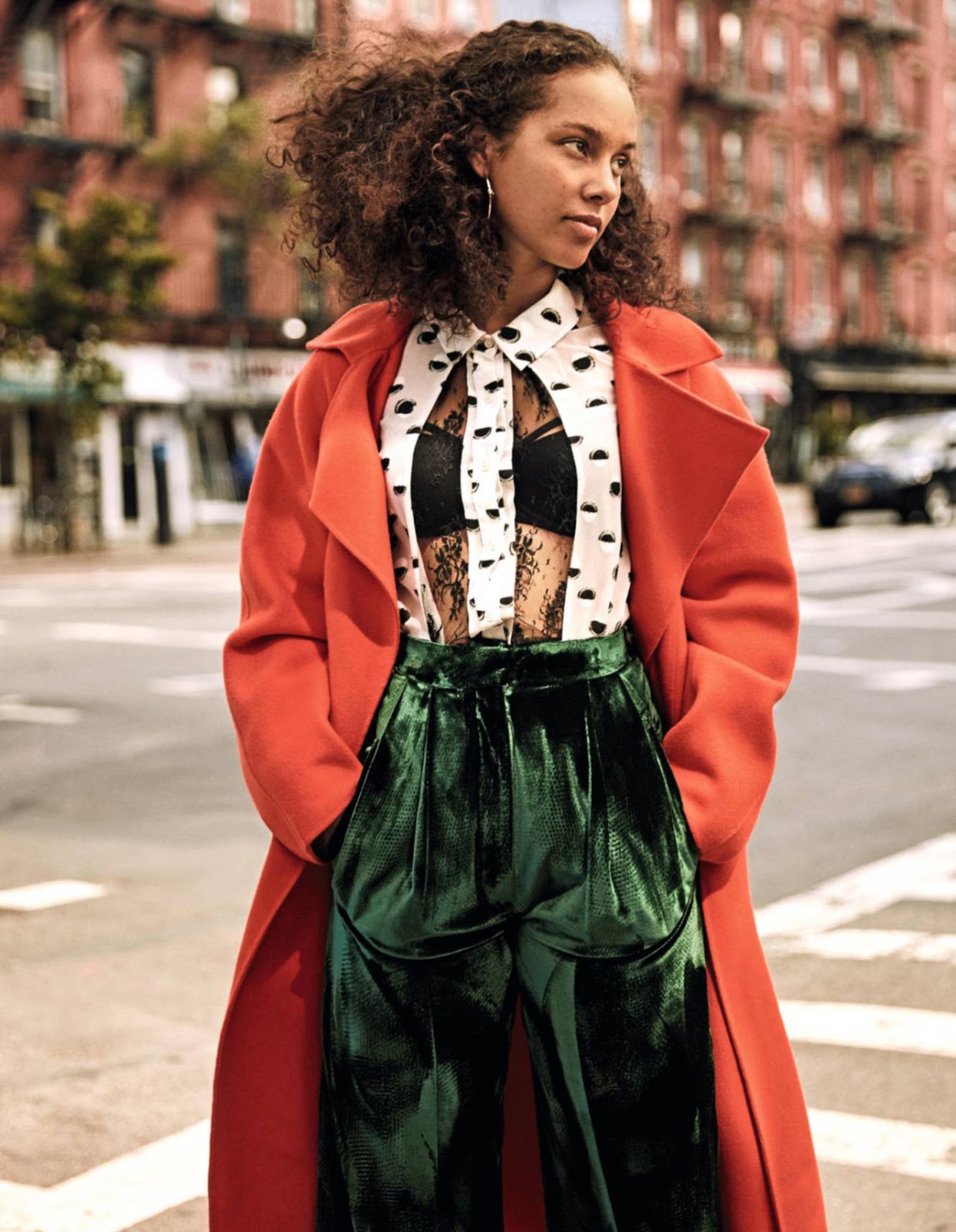
Alicia Keys’ decision to go makeup-free sparked a cultural movement that redefined beauty standards in the entertainment industry, deeply influencing her artistic career, public image, and the broader conversation around female autonomy. By stepping onto red carpets and television screens with a bare face, the Grammy-winning artist challenged the rigid cosmetic expectations historically placed on women in the public eye. This intentional choice transformed from a personal act of self-acceptance into a multi-faceted public philosophy, ultimately shaping her legacy as both a musician and an entrepreneur.
The Origins of the Makeup-Free Movement
The catalyst for Alicia Keys’ bare-skin journey occurred during a photo shoot for her 2016 album Here. When photographer Paola Kudacki arrived to capture raw, unstyled images for the album art, Keys had just returned from the gym. Initially reluctant to pose without foundation and concealer, she acquiesced at the urging of the photographer, who insisted that capturing her vulnerability was essential to the project's thematic core.
This spontaneous session inspired an open letter published in Lena Dunham's newsletter, Lenny Letter, titled "Time to Unmask." In the essay, Keys detailed her exhaustion with feeling controlled by societal expectations of perfection. She described years of internalizing the message that women needed to alter their faces to be valued, beautiful, or professional. Choosing to strip away cosmetics became an outward manifestation of an inward spiritual quest for authenticity, mental clarity, and liberation from the exhausting upkeep of the celebrity beauty machine.
Evolution of the Philosophy Over Time
While many observers initially dismissed her bare face as a short-lived publicity stunt or a temporary album-cycle gimmick, Keys maintained the practice across major public appearances, including high-profile events like the Grammy Awards, the MTV Video Music Awards, and her role as a coach on NBC’s The Singing competition show The Voice.
Over the years, the philosophy evolved from a strict prohibition against cosmetics into a flexible stance of personal choice. Keys clarified that her movement was never about shaming women who choose to wear makeup, but rather about dismantling the obligation to wear it. In subsequent interviews, she referred to her journey as "choosing herself" and noted that her relationship with cosmetics became entirely voluntary. If she wanted to wear eyeliner or experiment with bold colors for an artistic performance, she did so on her own terms, free from the pressure of public surveillance.
Career Impact and Artistic Reorientation
The shift toward a makeup-free aesthetic coincided with a significant phase of creative reinvention for Keys. Stripping away the visual artifice of pop stardom allowed her to foreground her musicianship, stripping her live performances down to raw piano vocals and deeply personal storytelling.
This artistic honesty enhanced her critical reception, positioning her as a mature, grounded artist capable of cultural leadership outside her musical catalog. However, the career impact extended far beyond music production and touring. The authenticity established by her bare-skin philosophy laid the groundwork for her entrepreneurial ventures, most notably the 2021 launch of her lifestyle and beauty brand, Keys Soulcare, developed in partnership with dermatological giant ELF Beauty.
| Venture Component | Strategic Focus | Alignment with Philosophy |
|---|---|---|
| Product Formulation | Clean, cruelty-free, dermatologist-developed skincare. | Prioritizes skin health and ritual over surface-level coverage. |
| Brand Messaging | Mental health, self-care, and holistic well-being. | Replaces traditional anti-aging anxiety with self-acceptance. |
| Marketing Approach | Unfiltered imagery and community-led storytelling. | Rejects heavy digital retouching and conventional ad tropes. |
This business expansion proved that her philosophy was commercially viable without compromising its core tenets, transforming a personal artistic statement into an enduring enterprise centered on wellness.
Public Perception, Criticism, and Cultural Debate
Public reaction to Keys’ decision was polarized, reflecting deeply ingrained societal anxieties regarding women, aging, and appearance. Supporters praised her courage for defying patriarchal beauty standards, arguing that her visibility offered a liberating alternative for young women bombarded with hyper-filtered social media imagery. Academics and cultural critics cited her platform as an important intervention in the commodification of female bodies.
Conversely, the movement attracted sharp scrutiny and debate. Critics pointed out the irony of a multimillionaire celebrity advocating for natural beauty while benefiting from elite dermatological care, professional lighting, and genetic privilege. Others scrutinized instances where Keys appeared to wear subtle, natural-looking makeup—often referred to as "no-makeup makeup"—accusing her of hypocrisy. This discourse highlighted the paradox of modern celebrity feminism: any personal choice made by a public figure is instantly commodified, scrutinized, and measured against an impossible standard of absolute ideological purity.
Broader Influence on Industry Standards
Alicia Keys did not invent natural beauty, but her sustained, high-level advocacy helped accelerate a broader cultural shift within the entertainment and beauty sectors. In the years following her 2016 proclamation, a growing number of public figures began embracing bare faces on magazine covers, red carpets, and social media platforms.
The beauty industry itself experienced a structural pivot toward "skin-first" philosophies. Brands began shifting investments away from heavy full-coverage foundations toward lightweight tinted moisturizers, serums, and barrier-repair products. While commercial motivations undoubtedly drove much of this corporate adaptation, the cultural opening was forged by public figures willing to absorb initial skepticism in exchange for long-term paradigm shifts.
Navigating Authenticity in the Public Eye
Maintaining a philosophy centered on raw authenticity within an industry built on illusion requires continuous boundary-setting. Keys’ journey illustrates the tension between personal liberation and public accountability. For readers and fans examining this trajectory, the primary takeaway is not that abandoning cosmetics is a moral imperative, but that reclaiming agency over one's body is a vital component of mental well-being.
The legacy of the movement she championed lies in its invitation to question the invisible rules governing personal presentation. Whether an individual chooses a bare face, a full face of cosmetics, or a fluctuating middle ground, the underlying principle remains aligned with Keys' core message: personal expression should serve the self, not public surveillance.