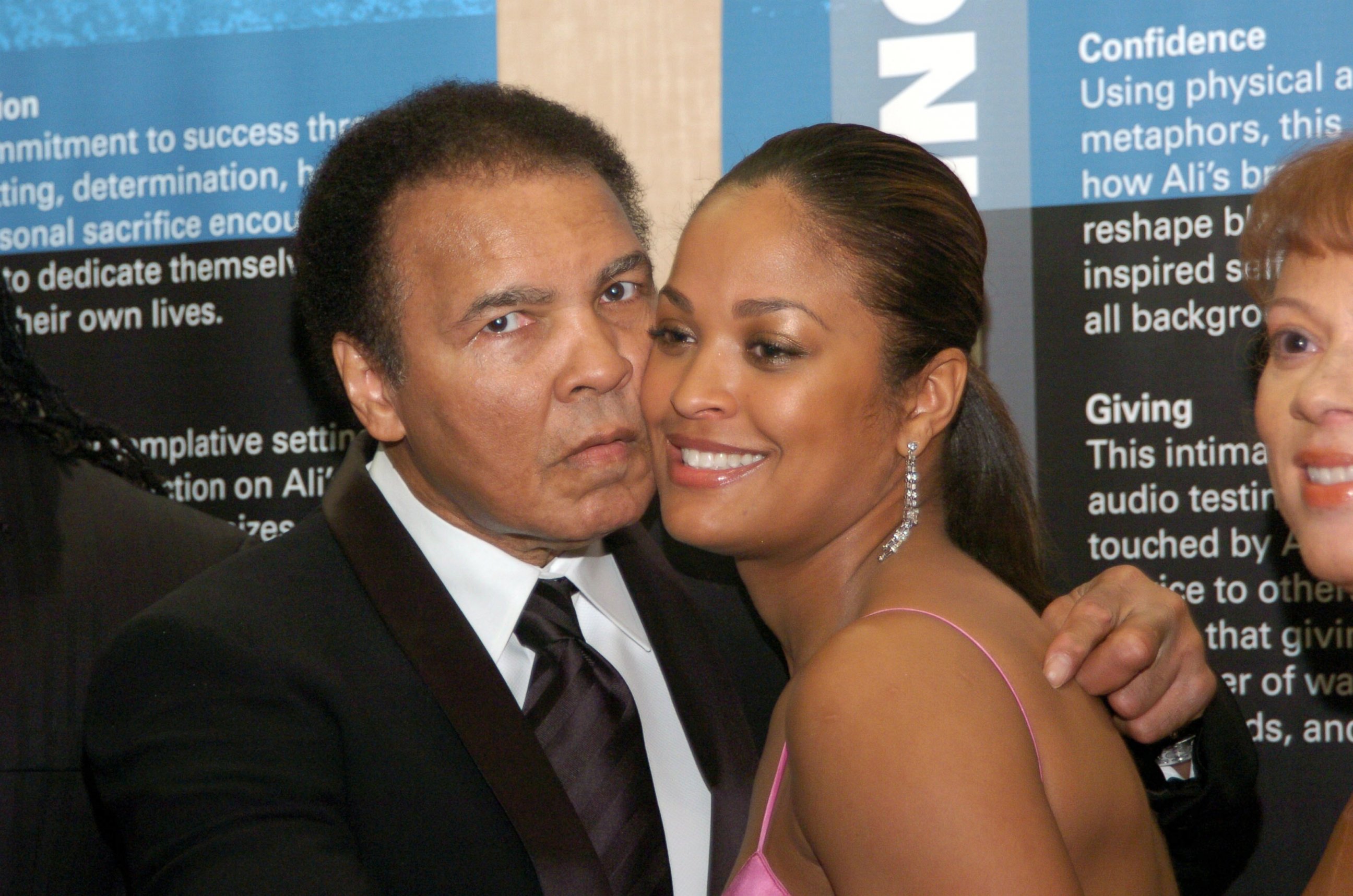
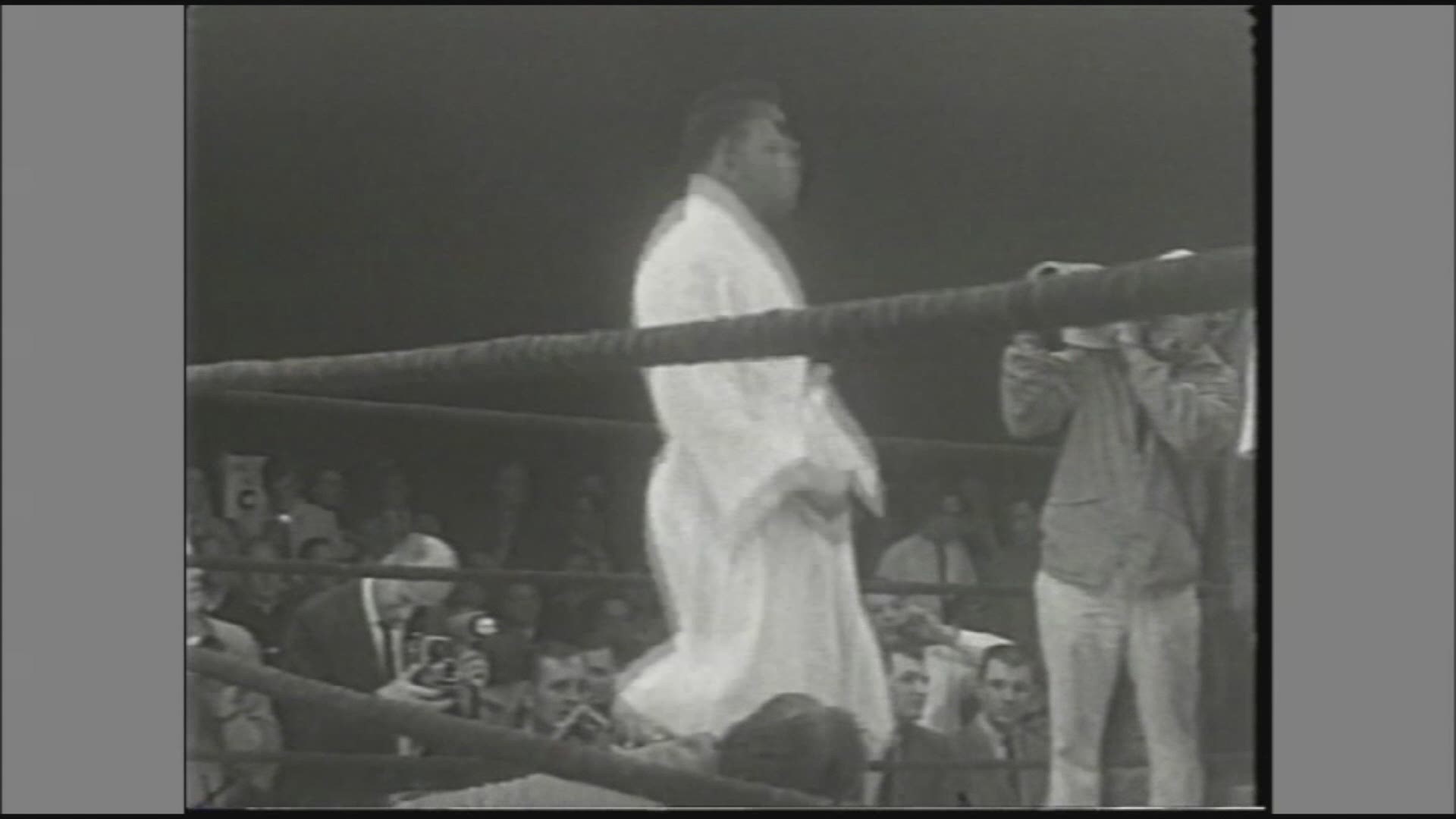
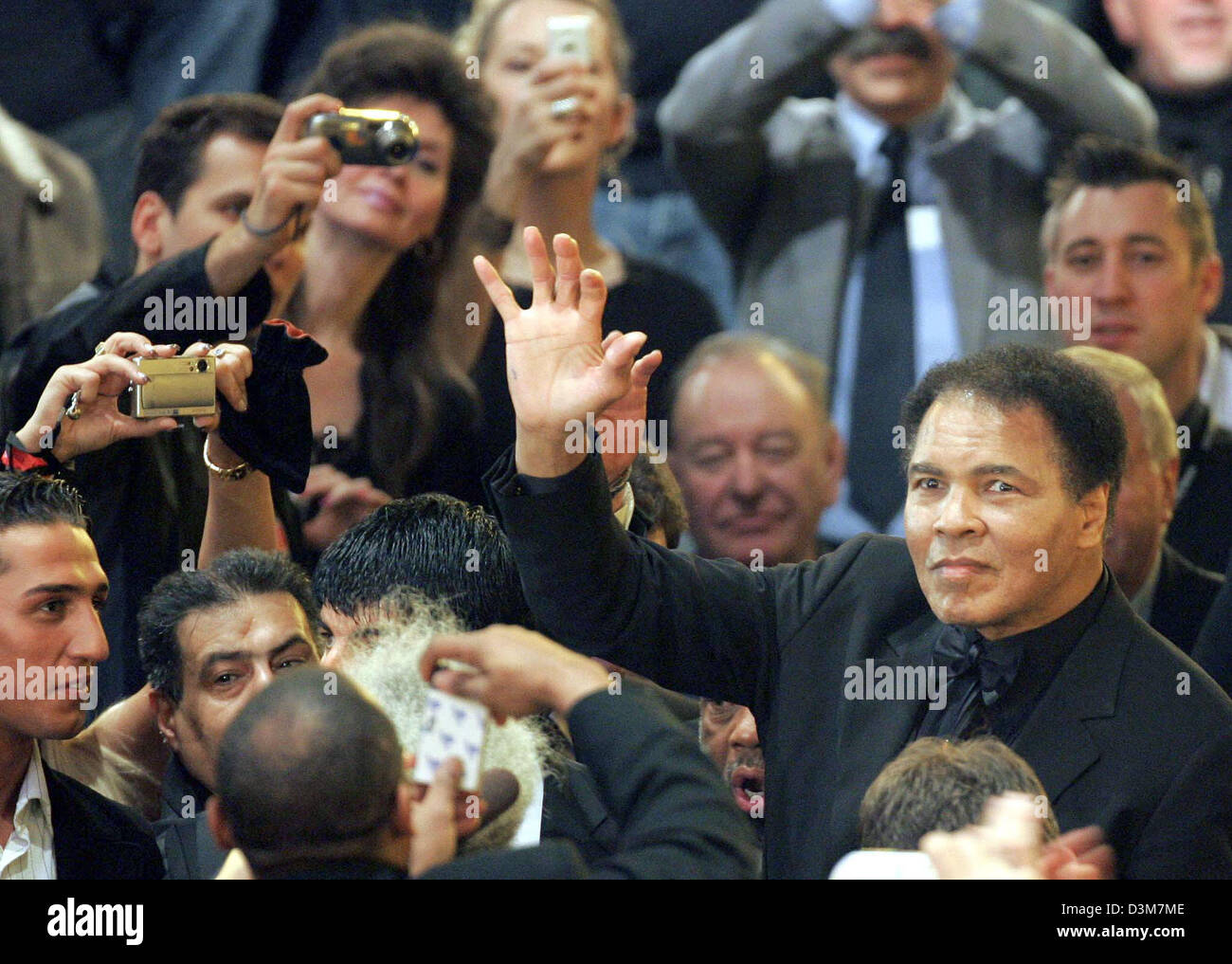
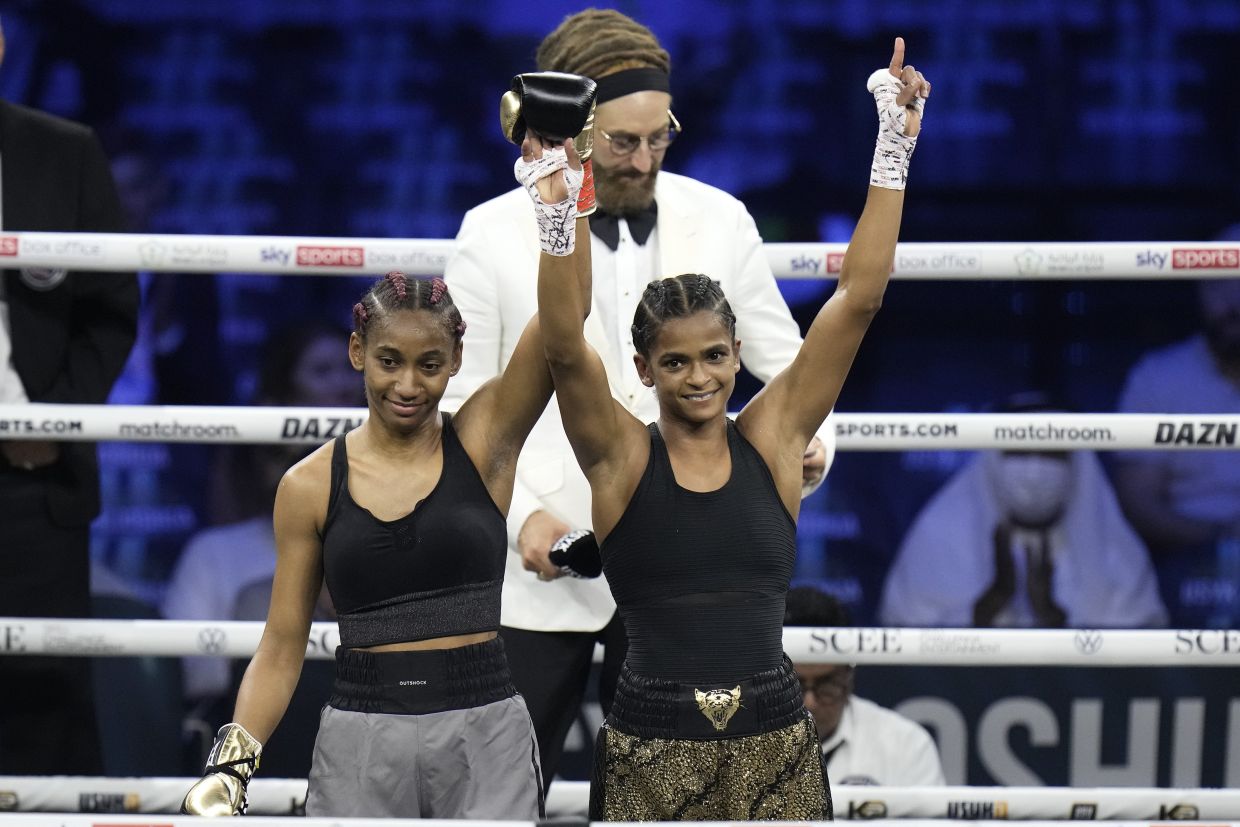
The phrase "Ali's daughter boxer" primarily refers to Laila Ali, who entered professional boxing in 1999 as a rising star under intense international scrutiny. Over an eight-year career, she silenced skeptics by compiling an undefeated 24–0 record with 21 knockouts, capturing multiple world titles across the super middleweight and light heavyweight divisions before retiring in 2007.
The Emergence of Laila Ali: From Rising Star to Dominant Champion
When Laila Ali announced her intention to pursue professional boxing in the late 1990s, the sporting world reacted with a mixture of intense curiosity and deep skepticism. As the daughter of Muhammad Ali—arguably the most influential heavyweight champion in boxing history—Laila faced an immediate spotlight that few novice fighters ever experience. Critics questioned whether her entry into the sport was a publicity stunt or a genuine athletic pursuit.
Laila Ali made her professional debut on October 8, 1999, at the Turning Stone Resort & Casino in Verona, New York, knocking out April Fowler in the first round. Standing 5 feet 10 inches tall with a long reach, natural athletic fluidity, and explosive punching power, she quickly demonstrated that her presence in the ring was backed by serious dedication. Operating under the training of experienced coaches, she developed a refined technical framework characterized by a authoritative lead jab, composed ring generalship, and sharp counter-punching.
Her rise coincided with a pivotal era for women’s combat sports. Rather than relying solely on her surname, Ali fought frequently early in her career to establish ring conditioning and tactical comfort. Between October 1999 and the end of 2000, she logged nine professional bouts, securing stoppage victories over seasoned opponents and proving her ability to sustain pressure, absorb power punches, and control tempo inside the squared circle.
Defining Fights and World Championship Achievements
Laila Ali’s career is defined by several landmark bouts that expanded the commercial visibility of women's professional boxing while solidifying her status as a legitimate elite fighter.
Key Career Milestones (Laila Ali):
- 1999: Professional Debut (KO1 vs. April Fowler)
- 2001: Ali vs. Frazier IV (Majority Decision vs. Jacqui Frazier-Lyde)
- 2002: Unified Super Middleweight Titles (TKO vs. Valerie Mahfood)
- 2003: Signature PPV Victory (KO vs. Christy Martin)
- 2007: Final Career Bout & Unblemished Retirement (24-0, 21 KOs)
The Historic Matchup: Ali vs. Frazier IV
On June 8, 2001, Laila Ali fought Jacqui Frazier-Lyde, the daughter of Muhammad Ali’s legendary rival, Joe Frazier. Billed as "Ali vs. Frazier IV," the bout marked the first time a women's boxing match headlined a major pay-per-view (PPV) broadcast. Despite immense commercial pressure and intense media hype, both fighters delivered a grueling, eight-round physical contest. Ali won by majority decision, displaying tactical resilience and effective inside fighting under heavy fire.
Championship Unification and Marquee Victories
Following the Frazier-Lyde fight, Ali elevated her competition level:
- Valerie Mahfood (2002): Ali unified the WIBA (Women's International Boxing Association) and IWBF (International Women's Boxing Federation) Super Middleweight titles by stopping Mahfood via eighth-round technical knockout. She later won their 2003 rematch by TKO in the TKO 4th round.
- Christy Martin (2003): Ali faced women's boxing pioneer Christy Martin in a high-profile matchup, scoring a fourth-round knockout victory that solidified her dominance across weight divisions.
- WBC Super Middleweight Crown (2005): Ali became the inaugural WBC Female Super Middleweight Champion after defeating Erin Toughill, reinforcing her standing as the consensus pound-for-pound leader in women's boxing.
By the time she stepped away from competition in 2007 after defeating Gwendolyn O'Neil, Ali had accumulated 24 wins, zero losses, and 21 knockouts, achieving an impressive 87.5% knockout ratio. Her contributions were formally recognized by the International Boxing Hall of Fame, where she was inducted as part of the Class of 2021.
Freeda Ali and the Multi-Generational Family Pursuit of Boxing
While Laila Ali achieved global championship dominance, she was not the only daughter of Muhammad Ali to step into the ring. Freeda Ali (also known as Freeda Foreman), daughter of Muhammad Ali and Patricia Harvell, pursued a professional boxing career around the same era.
Freeda Ali made her professional debut in November 2000 in the middleweight division. She launched her career with five consecutive victories, including three knockouts, before suffering her first decision loss in November 2001. Following that bout, Freeda retired from professional competition with a 5–1 record to focus on family life, executive roles, and public policy advocacy.
Although Freeda’s ring career was brief compared to her sister's, the simultaneous presence of two Ali daughters in professional boxing demonstrated the deep athletic legacy of the family. Her father initially voiced reservations regarding his daughters entering the physically brutal sport of boxing, but he regularly attended their bouts to offer personal support.
The Next Generation: Carrying the Ali Combat Sports Lineage
The combat sports legacy established by Muhammad Ali and carried forward by his daughters has transitioned to a third generation. Muhammad Ali’s grandsons are actively carving out their own paths in professional sports, preserving the family’s presence in combat sports.
Nico Ali Walsh
Son of Rasheda Ali (Muhammad Ali's daughter) and Robert Walsh, Nico Ali Walsh turned professional in 2021 as a middleweight boxer. Signed with Top Rank Promotions, Nico entered the sport under immense public pressure, wearing his grandfather's vintage trunks for his professional debut. Rather than shying away from his heritage, Nico has focused on methodical technical development, working with top trainers to sharpen his stance, counter-punching, and lateral movement.
Biaggio Ali Walsh
Nico's brother, Biaggio Ali Walsh, initially achieved national prominence as a high school and college football running back before transitioning into mixed martial arts (MMA). Competing under major organizational banners such as the Professional Fighters League (PFL), Biaggio has utilized explosive athleticism, striking speed, and cross-discipline training to build an impressive record in the lightweight division.
Comparative Breakdown of the Ali Family Boxing Careers
The following table provides a verified overview of the professional combat records and historical achievements across the Ali family lineage.
| Athlete | Relation to Muhammad Ali | Active Years | Weight Class | Professional Record | Primary Titles / Achievements |
|---|---|---|---|---|---|
| Muhammad Ali | Patriarch | 1960–1981 | Heavyweight | 56–5 (37 KOs) | 3-Time Undisputed Heavyweight World Champion; Olympic Gold Medalist (1960) |
| Laila Ali | Daughter | 1999–2007 | Super Middleweight / Light Heavyweight | 24–0 (21 KOs) | WBC, WIBA, IWBF, IBA Super Middleweight Champion; IBHOF Inductee |
| Freeda Ali | Daughter | 2000–2001 | Middleweight | 5–1 (3 KOs) | Professional Middleweight contender |
| Nico Ali Walsh | Grandson (via Rasheda Ali) | 2021–Present | Middleweight | Active Pro Record | Top Rank contender; regional middleweight titles |
Technical Mechanics and Legacy: How Laila Ali Built Her Own Name
Laila Ali's success in the ring went beyond leveraging a famous surname; it was rooted in fundamental execution, conditioning, and mental resilience. Analyzing her ring style reveals several key tactical components that elevated her performance above her contemporaries:
- Jabbing Control and Range Management: Leveraging a 70-inch reach, Ali used her jab not merely as a setup punch, but as an offensive weapon to damage opponents, disrupt rhythm, and dictate distance.
- Upper-Body Mobility and Counter-Hooking: Borrowing elements of her father's rhythm, she possessed sharp upper-body head movement. She excelled at slipping jab attempts and returning left hooks over the top of an opponent's guard.
- Physical Conditioning and Power Output: Unlike fighters who rely purely on volume, Ali generated leverage from her hips, allowing her to finish fights in late rounds. Her 87.5% KO rate remains among the highest in women's super middleweight history.
- Media and Pressure Handling: Competing under constant global scrutiny required exceptional psychological discipline. Ali maintained composure during hostile press tours and high-stakes pay-per-view main events.
Beyond her individual accomplishments, Laila Ali’s dominant championship run proved that female fighters could command major television networks, secure lucrative sponsorship deals, and sell out arenas worldwide.
Frequently Asked Questions
Did Muhammad Ali support his daughter becoming a professional boxer?
Muhammad Ali initially expressed concern about Laila entering professional boxing due to the physical risks and harsh nature of the sport. However, once he saw her dedication, work ethic, and technical aptitude in training, he supported her choice and was seated ringside for her major championship bouts.
What was Laila Ali's final professional boxing record?
Laila Ali retired undefeated with a record of 24 wins, 0 losses, and 21 knockouts. She held major titles from the WBC, WIBA, IWBF, and IBA across the Super Middleweight and Light Heavyweight divisions.
Did any other children of Muhammad Ali fight professionally?
Yes, Freeda Ali (Freeda Foreman) competed professionally in the middleweight division between November 2000 and November 2001, compiling a professional record of 5 wins and 1 loss before retiring from the sport.
How did the Laila Ali vs. Jacqui Frazier-Lyde fight make boxing history?
Fought on June 8, 2001, the bout was billed as "Ali vs. Frazier IV." It marked the first time in combat sports history that two female fighters headlined a major pay-per-view event. Laila Ali won the eight-round fight by majority decision.
Is Laila Ali inducted into the Boxing Hall of Fame?
Yes, Laila Ali was inducted into the International Boxing Hall of Fame as part of the Class of 2021, recognizing her undefeated championship career and her role in advancing women's professional boxing.
Guidance for Lineage Athletes and Modern Combat Sports Followers
Carrying a legendary surname in professional sports presents distinct opportunities alongside immense public scrutiny. For emerging fighters navigating high-profile athletic lineages—whether in boxing, mixed martial arts, or traditional athletics—the careers of Laila Ali and the third-generation Ali athletes provide clear tactical and career management insights:
- Establish an Independent Technical Identity: While fans look for inherited traits, long-term success requires mastering personal fundamentals rather than mimicking a parent's unique style.
- Prioritize Methodical Development: High-profile legacy fighters are often rushed into television slots. Managing match selection to gain experience against diverse tactical styles is vital for safety and long-term skill progression.
- Separate Legacy from Commerce: Navigating media attention requires establishing clear boundaries between personal identity and promotional publicity. Laila Ali succeeded because her ring preparation always superseded branding opportunities.
For boxing historians and fans, the Ali family legacy demonstrates how elite athletic capability can transcend generations through dedicated discipline, technical mastery, and sustained competitive excellence.