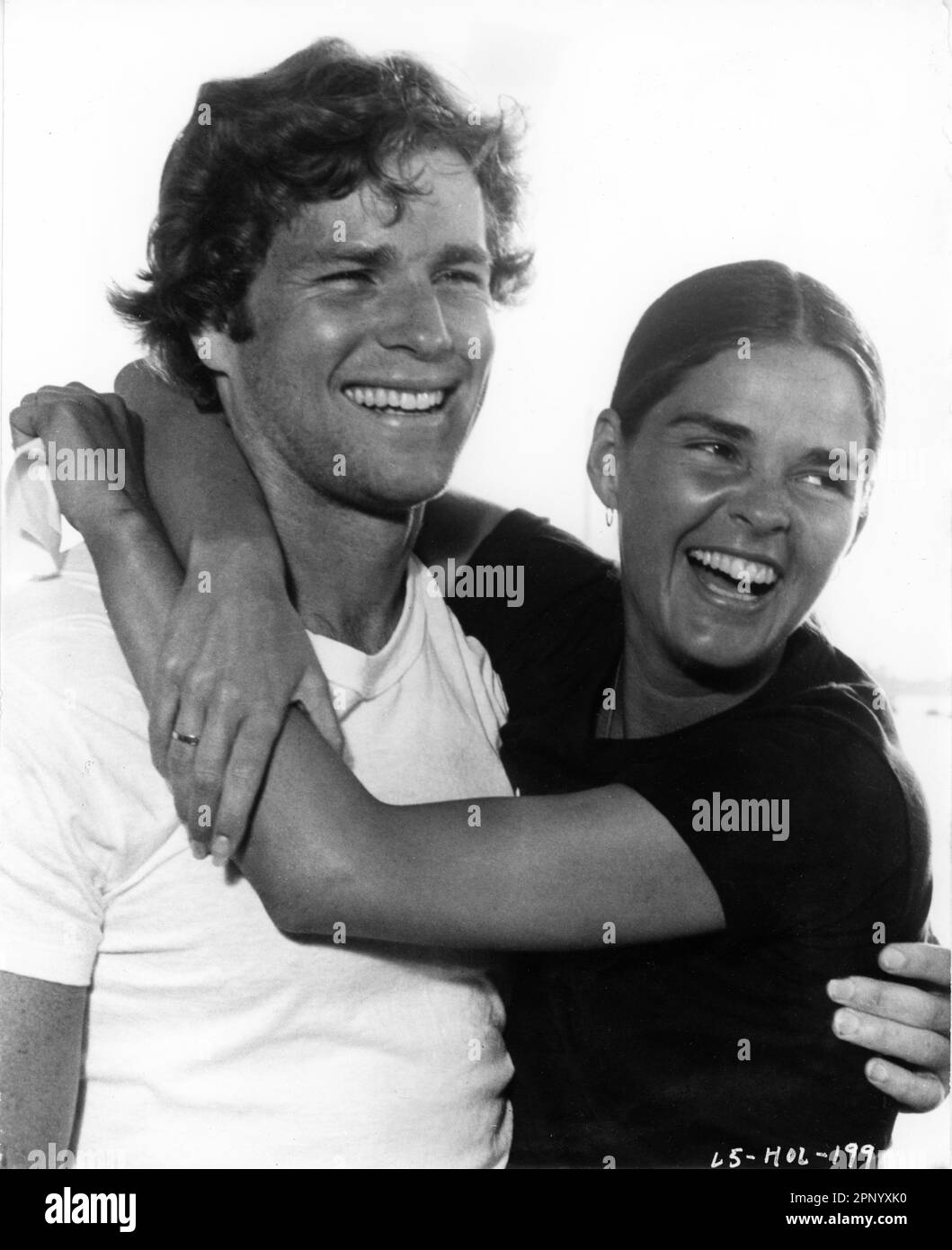
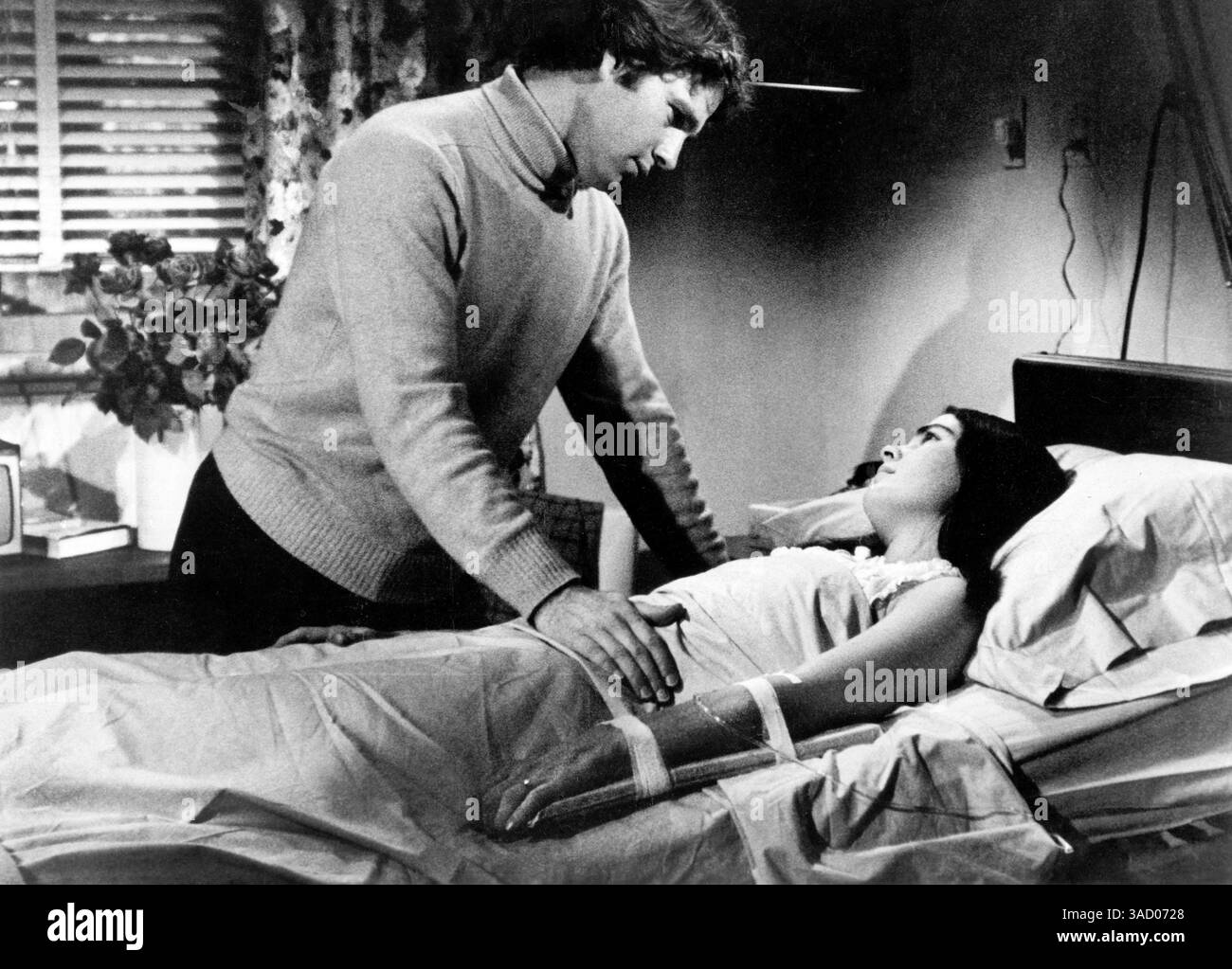
Ali MacGraw and Ryan O'Neal redefined Hollywood romance through their unforgettable partnership in the 1970 blockbuster Love Story. Portraying Jenny Cavilleri and Oliver Barrett IV, their natural onscreen chemistry, defining pop-culture quotes, and enduring real-life friendship established a legacy that spanned film, stage, and over five decades of cinematic history.
The Genesis of an Onscreen Power Duo: Love Story (1970)
In 1970, Paramount Pictures released Love Story, an adaptation of Erich Segal’s bestselling novella directed by Arthur Hiller. At a time when American cinema was dominated by gritty counterculture dramas and violent crime thrillers, Love Story offered a stark, earnest contrast: a classic melodrama about young love, class divides, and tragic loss.
The film brought together Ali MacGraw, fresh off her breakthrough role in Goodbye, Columbus (1969), and Ryan O'Neal, a rising star best known for his television role on the soap opera Peyton Place. MacGraw played Jennifer "Jenny" Cavilleri, a quick-witted, working-class Italian-American music student at Radcliffe College. O'Neal portrayed Oliver Barrett IV, a privileged, athletic Harvard law student carrying the weight of his family's aristocratic legacy.
| Key Film Data (1970) | Detail | Key Film Data (1970) | Detail |
|---|---|---|---|
| Studio | Paramount Pictures | Director | Arthur Hiller |
| Lead Cast | Ali MacGraw, Ryan O'Neal | Screenplay | Erich Segal |
| Academy Award Nominations | 7 | Oscar Win | Best Original Score |
The dynamic between the two leads was immediate and palpable. Their banter challenged the traditional damsel-in-distress tropes of earlier Hollywood romances. MacGraw’s performance brought a sharp, modern intellectual energy, while O'Neal supplied a grounded, vulnerable charisma that balanced her sharp tongue. The film became an overwhelming commercial triumph, grossing over $100 million domestically during its initial release—rescuing Paramount Pictures from severe financial trouble—and cementing MacGraw and O'Neal as the definitive screen couple of their era.
Anatomy of Chemistry: Why MacGraw and O'Neal Captivated Audiences
The lasting popularity of the MacGraw-O'Neal pairing stems from a combination of acting styles, fashion influence, and authentic emotional resonance. Rather than relying on exaggerated theatrical performance, both actors adopted a naturalistic style that felt contemporary to 1970s audiences.
Realism and Character Contrast
The emotional heart of their dynamic lay in the friction of opposing backgrounds. O'Neal played Oliver with an understated, simmering intensity—a young man torn between familial duty and personal independence. MacGraw gave Jenny an unapologetic confidence, using humor and intellect to break through Oliver’s defense mechanisms. This contrast ensured that their romance felt earned rather than sentimental.
Visual and Stylistic Impact
Beyond the script, MacGraw and O'Neal established a visual aesthetic that heavily influenced 1970s fashion and pop culture. Their onscreen wardrobe—trench coats, chunky knit scarves, turtlenecks, and tailored preppy attire—popularized the classic Ivy League look worldwide. The images of the pair walking through snow-covered Harvard Yard became iconic visual markers of American cinema.
The Famous Catchphrase
The film produced one of the most recognized quotes in movie history: "Love means never having to say you're sorry." Spoken first by MacGraw's character during a moment of reconciliation and later echoed by O'Neal in the film’s devastating final scene, the phrase became a global cultural touchstone. While debated by critics for its literal logic, its dramatic delivery by both actors cemented its place in cinematic lore.
Key Milestones and Collaborative Career Timeline
The shared journey of Ali MacGraw and Ryan O'Neal extends far beyond their initial 1970 film. Over five decades, their paths crossed across major media projects, industry honors, and stage reunions.
| Year | Milestone / Event | Project / Setting | Historical Significance & Impact |
|---|---|---|---|
| 1970 | Release of Love Story | Feature Film (Paramount) | Massive box-office success; established both leads as international superstars. |
| 1971 | 43rd Academy Awards | Industry Recognition | Received 7 Oscar nominations, including Best Actor (O'Neal) and Best Actress (MacGraw). |
| 1971 | Golden Globe Awards | Industry Recognition | MacGraw won Best Actress in a Drama; film won Best Motion Picture – Drama. |
| 1978 | Release of Oliver's Story | Feature Film Sequel | Follow-up starring Ryan O'Neal and Candice Bergen; MacGraw did not return due to Jenny's narrative death. |
| 2015–2017 | National Tour of Love Letters | Stage Production | Co-starred in A.R. Gurney’s play, touring major venues across the United States. |
| 2021 | Walk of Fame Ceremony | Hollywood Honor | Awarded side-by-side stars on the Hollywood Walk of Fame in a dual ceremony. |
| 2023 | Passing of Ryan O'Neal | Historical Legacy | O'Neal passed away in December 2023 at age 82; MacGraw released a heartfelt public tribute. |
Beyond the Screen: Lifelong Friendship and the Love Letters Stage Reunion
Unlike many Hollywood pairings whose connection ends when the cameras stop rolling, MacGraw and O'Neal maintained a deep personal friendship across their lives. Despite taking different career trajectories—O'Neal starring in hits like What's Up, Doc? (1972) and Paper Moon (1973), and MacGraw starring in The Getaway (1972) before stepping back from full-time acting—their mutual affinity remained intact.
In 2015, forty-five years after Love Story, the duo reunited professionally for a national touring production of A.R. Gurney’s Pulitzer-nominated play, Love Letters. The two-character play consists of actors sitting side by side at desks, reading letters exchanged over a 50-year period between the characters Andrew Makepeace Ladd III and Melissa Gardner.
The casting was widely praised as a stroke of brilliance. The natural affection and lived history between MacGraw and O'Neal added extraordinary depth to the performance. Audiences across the United States flocked to theaters to see the iconic duo share a stage, demonstrating that their performance chemistry had grown deeper with age. Critics noted that their timing, warmth, and shared vulnerability made the performance feel less like a nostalgic victory lap and more like a masterclass in stage partnership.
Cultural Impact, Legacy, and Hollywood Honors
The enduring legacy of Ali MacGraw and Ryan O'Neal is recognized formally by the film industry and informally by generations of film enthusiasts.
Hollywood Walk of Fame Dual Ceremony
In February 2021, timing with Valentine's Day and the 50th anniversary of Love Story, the Hollywood Chamber of Commerce honored MacGraw and O'Neal with side-by-side stars on the Hollywood Walk of Fame. Located near the historic Hollywood Roosevelt Hotel on Hollywood Boulevard, the placement ensures that their names remain linked in cinematic history. During the virtual ceremony, both actors spoke warmly of their enduring bond, reflecting on how a single low-budget romantic project transformed their lives forever.
Blueprint for the Modern Romantic Drama
Love Story established a narrative and emotional blueprint for contemporary tragic romances. Works such as Terms of Endearment (1983), A Walk to Remember (2002), The Notebook (2004), and The Fault in Our Stars (2014) trace their artistic heritage back to the emotional structure popularized by MacGraw and O'Neal. By treating youth romance with gravity and avoiding overly tidy resolutions, their performance proved that romantic dramas could achieve both critical weight and monumental commercial success.
Frequently Asked Questions
Were Ali MacGraw and Ryan O'Neal ever romantically involved in real life?
No. Despite their intense onscreen chemistry, Ali MacGraw and Ryan O'Neal were never a real-life romantic couple. At the time of filming Love Story, MacGraw was married to film executive Robert Evans, who was then head of production at Paramount. MacGraw and O'Neal maintained a close, platonic friendship that lasted over 50 years.
Did Ali MacGraw appear in the Love Story sequel, Oliver's Story?
No. Ali MacGraw did not appear in the 1978 film Oliver's Story. Because her character, Jenny Cavilleri, died at the end of Love Story, the sequel focused entirely on Oliver Barrett IV (played again by Ryan O'Neal) navigating grief and moving forward with his life alongside a new romantic partner played by Candice Bergen.
What major awards did Love Story win?
Love Story was nominated for seven Academy Awards, including Best Picture, Best Director (Arthur Hiller), Best Actor (Ryan O'Neal), Best Actress (Ali MacGraw), Best Supporting Actor (John Marley), and Best Original Screenplay (Erich Segal). It won the Oscar for Best Original Score, composed by Francis Lai. It also won five Golden Globe Awards, including Best Motion Picture – Drama and Best Actress – Drama for MacGraw.
How old were Ali MacGraw and Ryan O'Neal when they made Love Story?
During the production of Love Story in late 1969 and early 1970, Ali MacGraw was 30 years old (playing a college student in her early 20s), and Ryan O'Neal was 28 years old.
What is the context behind the famous line "Love means never having to say you're sorry"?
The line is spoken twice in the movie. First, Jenny says it to Oliver after he apologizes for losing his temper during an argument. Later, at the climax of the film, Oliver repeats the line to his estranged father, Oliver Barrett III (played by Ray Milland), when his father tries to express regret. The line came directly from Erich Segal's novel and screenplay and became one of the most cited film quotes in American cinematic history.
How to Experience the MacGraw and O'Neal Legacy Today
For classic film lovers, media scholars, and romantic drama fans looking to explore the work of this legendary onscreen pair, the following steps provide a complete guide to appreciating their historic collaboration:
- Watch Love Story (1970) in High Definition: Stream or view the remastered edition of Love Story. Pay close attention to how director Arthur Hiller uses natural light and real Boston/Harvard locations to complement the grounded acting styles of MacGraw and O'Neal.
- Listen to Francis Lai's Award-Winning Score: Experience the haunting piano melody ("Theme from Love Story") composed by Francis Lai, which won the film's sole Academy Award and set the emotional tone for 1970s film composition.
- Read Erich Segal’s Original Novella: Compare the film to Erich Segal’s companion novella, which was written concurrently with the screenplay, to see how the dialogue was translated from page to screen.
- Explore Love Letters Recordings and Reviews: Research coverage and excerpts from their 2015–2017 stage tour of A.R. Gurney’s Love Letters to appreciate how their dynamic matured over four decades after their initial cinematic breakthrough.