Ali MacGraw remains one of the most striking icons of American cinema and fashion, rising to international superstardom in the late 1960s and 1970s. From her breakthrough performances in Goodbye, Columbus and Love Story to her defining portrait photography and timeless natural style, her career represents a major turning point in modern Hollywood celebrity culture.
From Fashion Editor to Screen Breakthrough: Early Life and Style Iconography
Before she ever appeared on a film set, Elizabeth Alice MacGraw established a formidable presence in the fashion industry. After studying art history at Wellesley College, she entered the publishing world in New York City during the early 1960s. Working initially as a photographic assistant to Diana Vreeland at Harper’s Bazaar, MacGraw developed a keen visual eye that informed her understanding of camera angles, lighting, and wardrobe composition.
Her transition from behind the camera to in front of it occurred when she joined Vogue as a stylist and photographer's model. Editors and fashion photographers quickly recognized her distinct look. In an era dominated by heavily lacquered hairstyles and dramatic makeup, MacGraw introduced an effortless aesthetic characterized by center-parted dark hair, scrubbed-clean skin, tailored clothing, and expressive eyes.
This natural style captured the changing mood of late-1960s youth culture. Studio photography of MacGraw from this period—featured across high-fashion glossies and nationwide advertisement campaigns—helped redefine American beauty standards. Rather than presenting an unattainable studio persona, her portraits projected warmth, intelligence, and modern autonomy. That distinct visual imagery caught the attention of film producers, setting the stage for her cinematic debut.
The Hollywood Golden Era: Goodbye, Columbus and Love Story
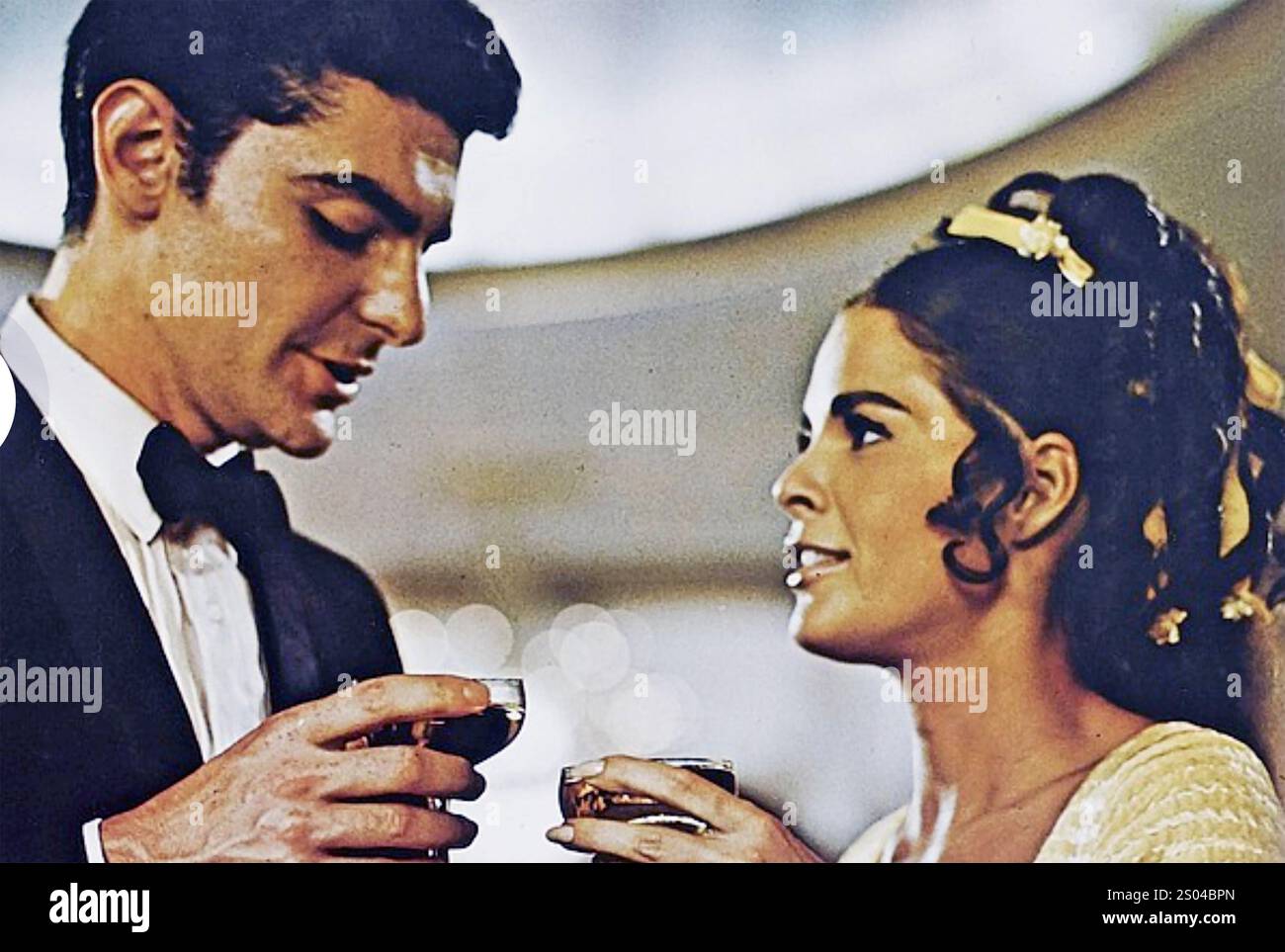
MacGraw made her feature film acting debut with a brief role in A Lovely Way to Die (1968), but her true breakthrough came the following year in the adaptation of Philip Roth’s novella, Goodbye, Columbus (1969). Directed by Larry Peerce and co-starring Richard Benjamin, the film cast MacGraw as Brenda Patimkin, a headstrong, affluent young woman navigating romantic and social friction in suburban New Jersey.
"MacGraw didn't merely act in late-60s Hollywood; her screen presence embodied a cultural shift toward understated realism and authentic emotion."
MacGraw’s performance earned widespread critical acclaim, bringing her the Golden Globe Award for Most Promising Newcomer and a BAFTA nomination. Critics praised her ability to bring subtlety and emotional honesty to a character dealing with independence and romantic idealism.
Her path to global stardom reached its apex with Love Story (1970), directed by Arthur Hiller and written by Erich Segal. Cast opposite Ryan O'Neal as Jennifer Cavalleri—a working-class Radcliffe music student who falls in love with a wealthy Harvard athlete—MacGraw delivered a performance that became a defining cinematic moment of the decade.
Love Story achieved astronomical box-office success, rescuing Paramount Pictures from financial instability and becoming one of the highest-grossing films in cinema history up to that point. MacGraw’s portrayal of Jenny Cavalleri earned her:
- An Academy Award nomination for Best Actress in a Leading Role.
- The Golden Globe Award for Best Actress – Motion Picture Drama.
- Global celebrity status and widespread international recognition.
Her famous line from the film—"Love means never having to say you're sorry"—became an indelible part of pop-culture lexicon. Photographers captured her iconic winter aesthetic from the movie, including her knit caps, tailored coats, and minimal makeup, establishing a preppy look that fashion designers continue to reference today.
Action Thrillers and High-Profile Partnerships: The Getaway Era
Following the immense success of Love Story, MacGraw selected her next major project with care, choosing Sam Peckinpah’s gritty action thriller The Getaway (1972). Written by Walter Hill from a Jim Thompson novel, the film paired MacGraw with top-grossing box-office star Steve McQueen.
In The Getaway, MacGraw played Carol Ainsley McCoy, the loyal wife of an ex-convict master thief navigating a dangerous post-heist betrayal across Texas. The role called for a dramatic departure from her previous romantic dramas, requiring physical stamina, intensity, and complex moral ambiguity. The film was a commercial triumph, standing as one of Peckinpah’s highest-grossing works.
Off-screen, the film reshaped MacGraw’s personal life and career trajectory. Having previously been married to college sweetheart Robin Hoen (1961–1962) and Paramount executive Robert Evans (1969–1972)—with whom she had a son, producer Josh Evans—MacGraw began a high-profile relationship with McQueen during filming. The couple married in 1973.
During her five-year marriage to McQueen, MacGraw largely stepped away from feature film production. This hiatus at the height of her commercial appeal limited her cinematic output during the mid-1970s, but it also cemented her mysterious, legendary status in Hollywood lore.
Key Filmography and Television Roles Overview
Throughout her acting career, MacGraw worked across major motion pictures, television miniseries, and network dramas. The table below outlines her primary film and screen credits, highlighting key roles, directors, and artistic impacts.
| Year | Title | Character / Role | Primary Director / Medium | Major Awards & Cultural Impact |
|---|---|---|---|---|
| 1968 | A Lovely Way to Die | Melody | David Lowell Rich (Film) | Feature film acting debut. |
| 1969 | Goodbye, Columbus | Brenda Patimkin | Larry Peerce (Film) | Won Golden Globe for Most Promising Newcomer; BAFTA nomination. |
| 1970 | Love Story | Jennifer Cavalleri | Arthur Hiller (Film) | Won Golden Globe for Best Actress; Academy Award nomination for Best Actress. |
| 1972 | The Getaway | Carol Ainsley McCoy | Sam Peckinpah (Film) | Massive box-office hit; established her versatility in crime action-thrillers. |
| 1978 | Convoy | Melissa | Sam Peckinpah (Film) | Cinematic return following her acting hiatus; co-starred Kris Kristofferson. |
| 1979 | Players | Nicole Boucher | Anthony Harvey (Film) | Romantic drama set against the backdrop of professional tennis. |
| 1980 | Just Tell Me What You Want | Bones Burton | Sidney Lumet (Film) | Satirical comedy drama co-starring Alan King. |
| 1983 | The Winds of War | Natalie Jastrow | Dan Curtis (TV Miniseries) | Multi-part WWII epic; one of the highest-rated television events of the 1980s. |
| 1984–1985 | Dynasty | Lady Ashley Mitchell | Prime-time Television Series | Appeared in 14 episodes of the hit series during its peak popularity. |
| 1996 | Glam | Rose | Josh Evans (Film) | Independent film appearance directed by her son. |
Career Resurgence, Television, and Later Projects
After divorcing McQueen in 1978, MacGraw returned to acting with Sam Peckinpah’s action comedy Convoy (1978), starring alongside Kris Kristofferson. The film capitalized on the late-1970s CB radio culture and was an international box-office success.
She continued working through the late 1970s and early 1980s in diverse projects:
- Tennis Drama Players (1979): Directed by Anthony Harvey, exploring elite sports and complex personal relationships.
- Sidney Lumet’s Just Tell Me What You Want (1980): A sophisticated romantic comedy where she played an executive managing a challenging personal and professional dynamic.
- The Epic Miniseries The Winds of War (1983): MacGraw took on the pivotal role of Natalie Jastrow in Herman Wouk’s World War II television adaptation, co-starring Robert Mitchum. The production attracted tens of millions of viewers worldwide.
- Prime-Time Drama Dynasty (1984–1985): MacGraw joined the cast as photojournalist Lady Ashley Mitchell, bringing her real-life fashion credentials to the glamorous television hit.
Rather than remaining tied to Hollywood studio systems, MacGraw broadened her artistic pursuits in subsequent decades, focusing on stage theater, writing, and advocacy.
Beyond Cinema: Author, Wellness Advocate, and Lasting Visual Legacy
MacGraw’s impact extends well beyond her filmography. In 1991, she published her autobiography, Moving Pictures, which became a New York Times bestseller. The memoir offered a candid reflection on her career, personal relationships, struggles with addiction, recovery at the Betty Ford Center, and self-discovery outside the Hollywood studio environment.
In the mid-1990s, MacGraw became a pioneer in the American wellness movement. She produced and released Ali MacGraw Yoga Mind & Body (1994) in collaboration with yoga master Erich Schiffmann. Filmed against the backdrop of White Sands, New Mexico, the video was praised for its serenity, high production value, and accessible instruction, introducing yoga to a massive home video audience.
"From high-fashion magazine covers to classic cinema, MacGraw's visual archive captures a timeless standard of modern American style."
MacGraw has also maintained a long-standing commitment to animal rights and environmental conservation, working actively with organizations such as PETA and local welfare groups in Santa Fe, New Mexico, where she established her primary residence.
In February 2021, MacGraw and her Love Story co-star Ryan O'Neal were jointly honored with stars on the Hollywood Walk of Fame in a virtual ceremony, commemorating their shared contribution to American film history.
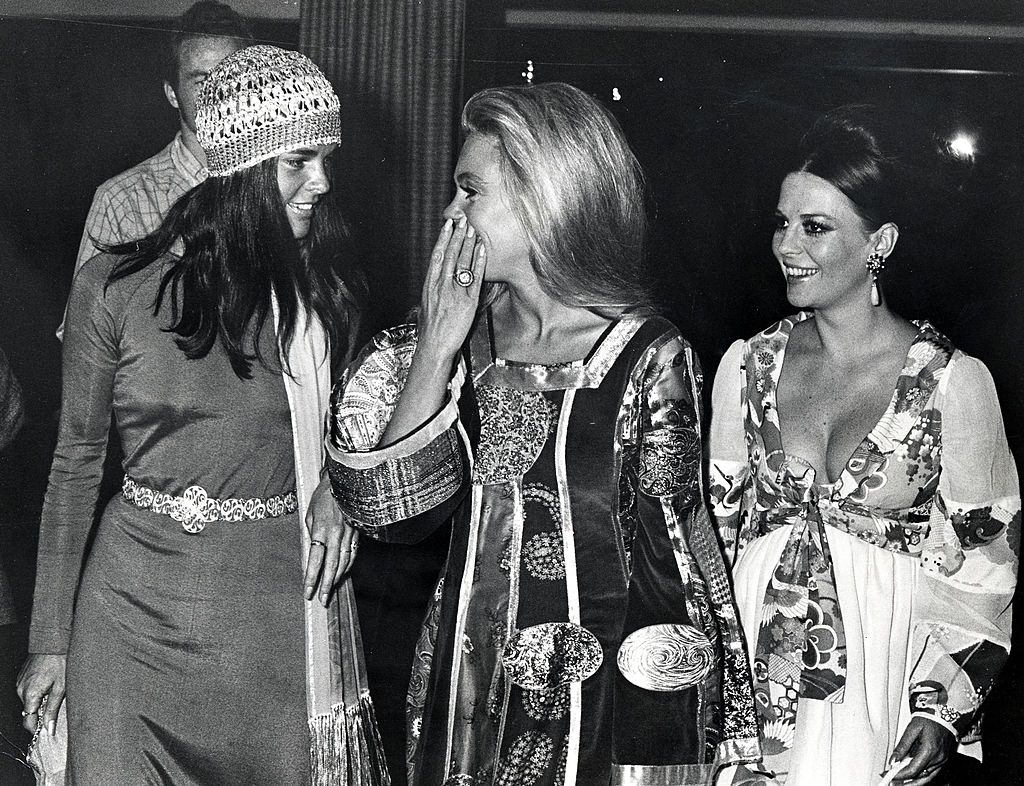
Her aesthetic legacy remains a constant reference point in visual media. Editorial photo collections capturing MacGraw across the late 1960s and 1970s continue to feature prominently in fashion retrospectives, demonstrating how her minimal, confident image defined a key era in American design and photography.
Frequently Asked Questions About Ali MacGraw’s Career and Filmography
What was Ali MacGraw’s breakthrough film role?
Ali MacGraw’s breakthrough role was playing Brenda Patimkin in the 1969 film adaptation of Philip Roth’s novella, Goodbye, Columbus. Her performance earned her the Golden Globe Award for Most Promising Newcomer and established her as a major new talent in Hollywood.
Did Ali MacGraw win an Academy Award for Love Story?
MacGraw received an Academy Award nomination for Best Actress in a Leading Role for Love Story (1970). While she did not win the Oscar, she won the Golden Globe Award for Best Actress – Motion Picture Drama for her portrayal of Jennifer Cavalleri.
What career did Ali MacGraw pursue before becoming an actress?
Before her film debut, MacGraw worked extensively in high fashion. She served as a photographic assistant to editor Diana Vreeland at Harper’s Bazaar before working as a fashion stylist and model for Vogue, establishing a reputation as a style icon before entering cinema.
Which major television productions featured Ali MacGraw?
MacGraw starred as Natalie Jastrow in the critically acclaimed 1983 World War II miniseries The Winds of War alongside Robert Mitchum. She also played photojournalist Lady Ashley Mitchell in 14 episodes of the hit prime-time soap opera Dynasty between 1984 and 1985.
What is Ali MacGraw’s bestselling autobiography?
MacGraw published her candid autobiography, titled Moving Pictures, in 1991. The book achieved New York Times bestseller status and details her career path, personal life, relationships, and journey through addiction recovery.
Exploring Ali MacGraw’s Work: Recommended Viewing Order
To fully appreciate Ali MacGraw’s contribution to film history and American visual culture, viewers should explore her key works chronologically. This progression shows her evolution from modern romantic lead to dramatic actress and action-thriller star:
- Start with Goodbye, Columbus (1969): Observe the sharp comic timing and natural charisma that launched her film career.
- Watch Love Story (1970): Experience the cultural milestone that made MacGraw an international icon and defined 1970s romantic cinema.
- View The Getaway (1972): Examine her dramatic pivot into action cinema under Sam Peckinpah’s direction alongside Steve McQueen.
- Study The Winds of War (1983): Watch her transition into broad, historical drama within one of television's most successful miniseries formats.
- Explore Ali MacGraw Yoga Mind & Body (1994): Review her influential contribution to modern wellness and visual media design outside of narrative filmmaking.
By examining her screen roles alongside her extensive archival photography, film scholars and fans alike can appreciate how Ali MacGraw helped shape the aesthetic and narrative boundaries of late-20th-century entertainment.