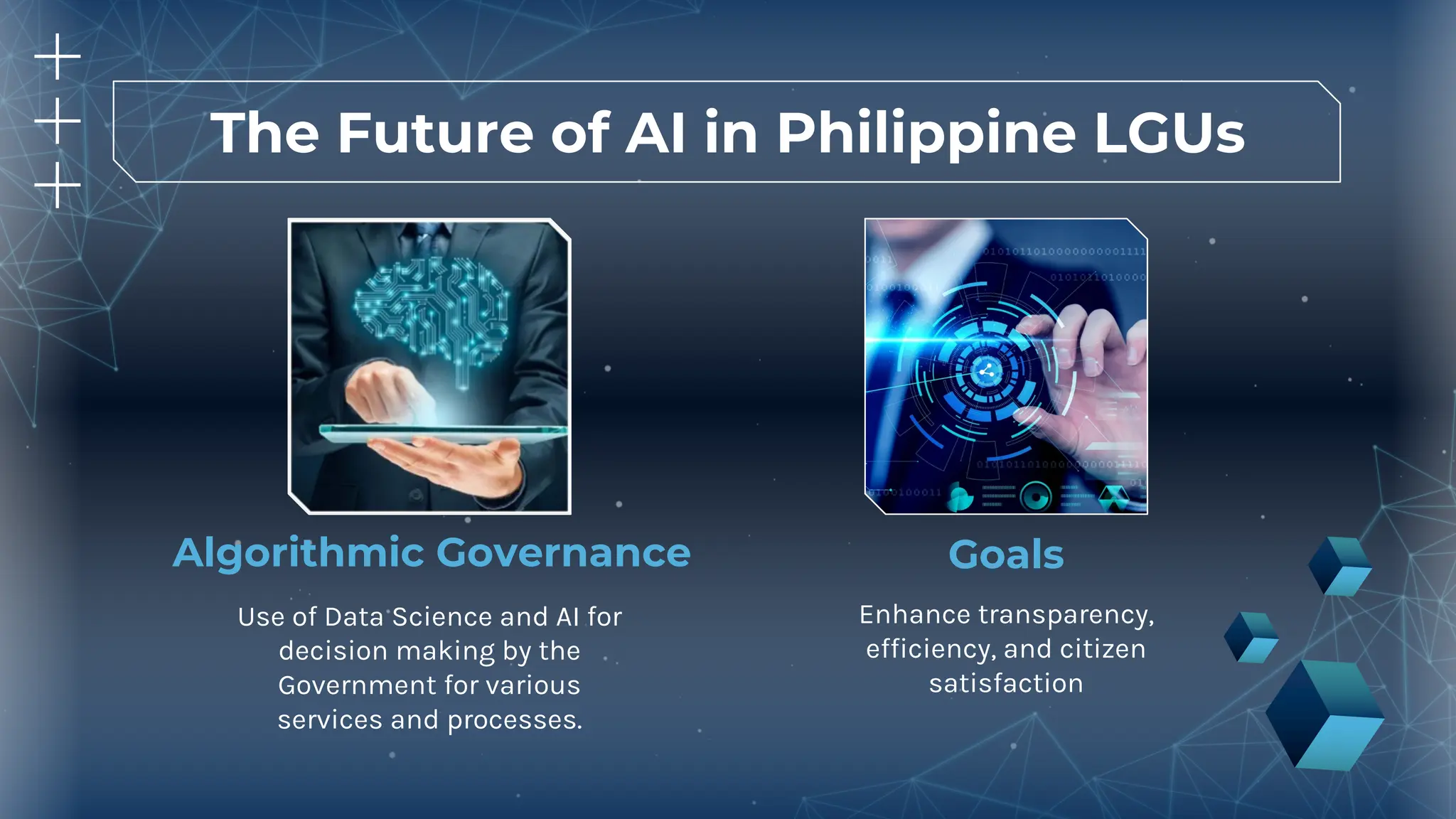
Algorithmic governance is the structured system of controls, oversight, and ethical guidelines designed to ensure that automated decision-making processes remain transparent, accountable, and aligned with organizational objectives. It functions as a bridge between technical implementation and regulatory compliance, mitigating risks associated with bias, data privacy, and systemic operational failures.
Defining the Scope of Algorithmic Governance
Algorithmic governance represents the evolution of data management into a deliberate oversight mechanism. As organizations increasingly delegate high-stakes decisions—such as credit scoring, resource allocation, and content moderation—to machine learning models, the potential for unintended outcomes grows. Governance in this context is not merely about technical performance; it encompasses the social, legal, and ethical impacts of software-driven logic.
Effective governance requires an interdisciplinary approach, involving software engineers, legal counsel, risk managers, and subject-matter experts. It addresses the "black box" problem, where the internal logic of a system becomes too complex for human interpretation, by mandating explainability standards and rigorous documentation protocols throughout the software development life cycle.
Prerequisites for a Governance Framework
Before implementing a governance structure, an organization must establish a comprehensive inventory of its automated systems. You cannot govern what you do not track. This involves mapping the data provenance, model architecture, and intended use cases for every algorithmic tool currently in production.
Essential prerequisites include:
- Data Integrity Policies: Ensuring that training data is representative, clean, and sourced with appropriate consent.
- Cross-Functional Committees: Establishing an oversight body with the authority to halt, audit, or modify models that fail to meet internal thresholds.
- Defined Performance Metrics: Moving beyond simple accuracy to include metrics such as fairness, robustness, and drift sensitivity.
- Regulatory Alignment: A clear understanding of jurisdictional requirements, such as the EU AI Act’s categorization of risk levels or local sector-specific financial regulations.
Key Components of an Algorithmic Governance Model
A robust governance model relies on clear operational stages that monitor the system from inception to sunset. By standardizing these stages, organizations reduce the likelihood of "shadow AI" projects—those developed without oversight—that expose the enterprise to unnecessary liability.
| Component | Responsibility | Primary Objective |
|---|---|---|
| Impact Assessment | Compliance/Legal | Identify societal/individual harm risks |
| Model Validation | Data Science/QA | Verify statistical accuracy and drift |
| Bias Auditing | Third-Party/Ethics | Detect discriminatory patterns |
| Incident Reporting | Risk Management | Standardize response to system errors |
| Ongoing Monitoring | DevOps/Engineering | Ensure production-level stability |
Addressing Fairness, Bias, and Explainability
Fairness is perhaps the most significant challenge in algorithmic governance. Models often mirror the historical biases present in their training data, leading to the perpetuation of inequality in lending, hiring, or law enforcement. Governance mandates that teams conduct "fairness audits" before a model is deployed and at regular intervals afterward.
Explainability, or the capacity to provide a human-readable justification for a specific algorithmic output, is critical for accountability. In highly regulated sectors like banking, organizations must be able to demonstrate why an applicant was denied credit. Governance frameworks should prioritize "interpretable-by-design" models where possible, or employ post-hoc interpretability tools (such as SHAP or LIME) to translate complex neural network outputs into actionable explanations.
Managing Regulatory Compliance and Legal Risk
As of 2026, the global legal landscape for artificial intelligence is increasingly fragmented but converging on principles of transparency and safety. Organizations operating across borders must navigate a mosaic of regulations. Governance must focus on the documentation of "compliance artifacts"—records that demonstrate due diligence.
These artifacts include:
- Model Cards: Standardized documentation that summarizes the model's intended use, limitations, and performance characteristics.
- Dataset Provenance Logs: Verified tracking of data origin to ensure compliance with privacy laws and copyright obligations.
- Human-in-the-loop Protocols: Explicit definitions of where human intervention is mandatory for overriding automated decisions.
Failure to maintain these records can lead to significant financial penalties, particularly in jurisdictions with strict enforcement of algorithmic transparency laws. It is recommended to treat compliance as a continuous technical requirement rather than a one-time audit event.
Common Pitfalls in Governance Implementation
The most frequent error in governance is viewing the framework as a bureaucratic hurdle that slows innovation. When treated as an obstacle, teams often find ways to circumvent protocols. Successful implementation treats governance as a quality assurance standard that increases the long-term reliability and market value of the software.
Another common mistake is the "set-it-and-forget-it" approach to model monitoring. Algorithmic systems are dynamic; they interact with real-world data that shifts over time—a phenomenon known as concept drift. If a governance plan does not include automated triggers for re-training or manual review when performance shifts outside of predefined bounds, the system will eventually produce invalid or harmful results.
Establishing Next Actions for Your Organization
To begin institutionalizing algorithmic governance, your immediate next step should be the creation of an "Algorithmic Risk Register." This document should catalog every automated system currently in operation, assigning to each a risk rating based on the potential impact of a failure.
Once the register is complete, designate a lead for each high-risk system who is accountable for reporting on that model's performance on a quarterly basis. By integrating these governance checkpoints into existing project management software, you ensure that oversight becomes a standard part of the development workflow rather than an external, disruptive task.