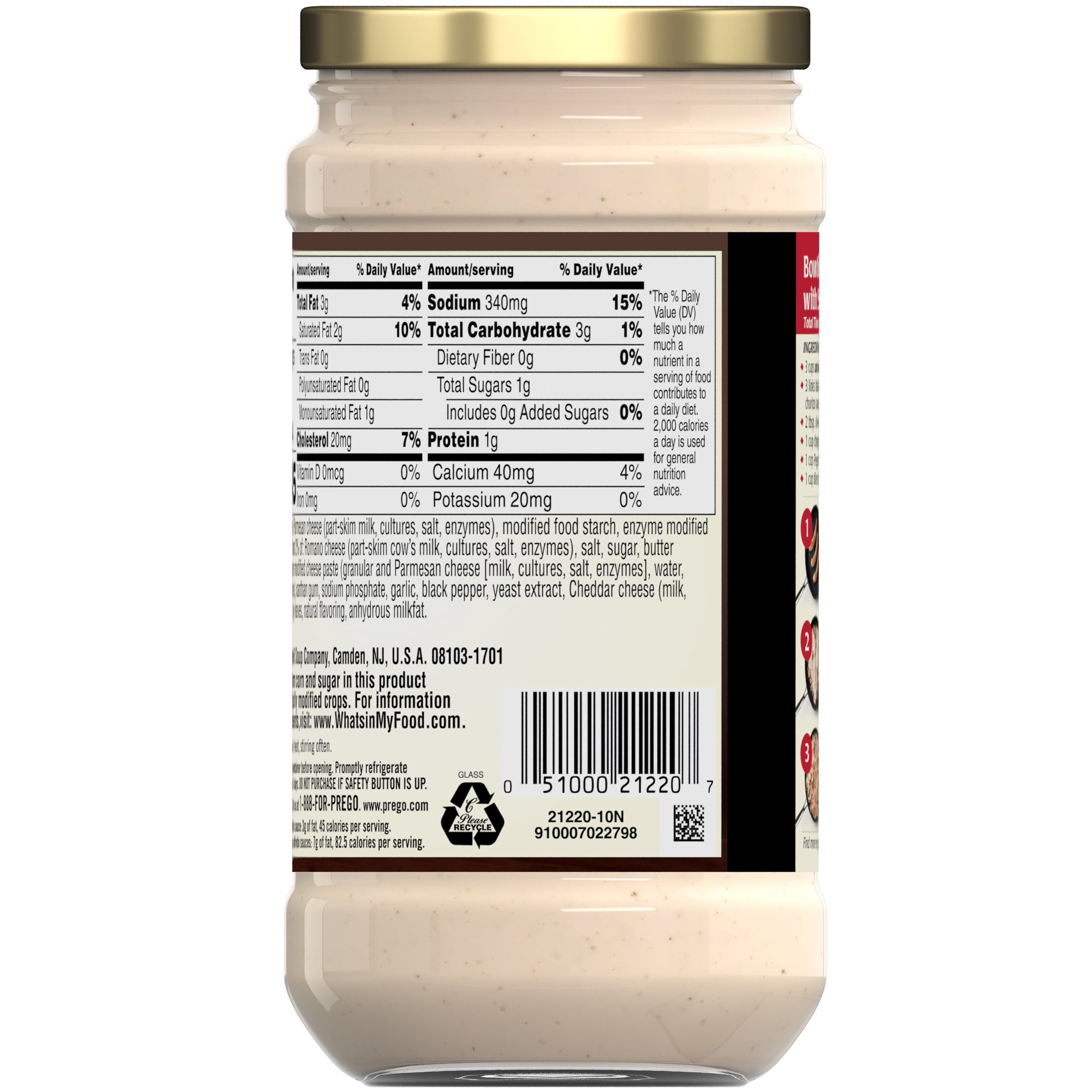
Alfredo sauce is a rich, indulgent Italian-American staple traditionally composed of butter, heavy cream, and Parmesan cheese. While it is celebrated for its creamy texture and flavor profile, it presents a significant nutritional challenge for those monitoring caloric intake, saturated fat levels, or sodium consumption. Understanding the nutritional composition of this dish is essential for incorporating it into a balanced diet without exceeding daily recommended limits for fats and sodium.
The Nutritional Composition of Traditional Alfredo
At its core, Alfredo sauce is a fat-dense condiment. A standard serving of authentic Alfredo, typically defined as one-quarter to one-half cup, carries a substantial caloric load derived almost exclusively from dairy fats. Because the primary ingredients—heavy cream and butter—contain high concentrations of saturated fat, the cardiovascular implications of frequent consumption must be considered.
The protein content in Alfredo sauce is moderate, primarily provided by the inclusion of Parmesan cheese. However, this protein source is accompanied by a high density of sodium. Parmesan is a salt-cured cheese, and when combined with butter—which often contains added salt—the total sodium content per serving can represent a significant portion of the American Heart Association’s recommended daily limit of 2,300 milligrams for healthy adults.
Macronutrient Breakdown and Caloric Density
When analyzing the macronutrient profile of a standard Alfredo serving, users must account for the high fat-to-carbohydrate ratio. While the sauce itself contains minimal carbohydrates, it is almost invariably served over refined wheat pasta. This combination creates a meal that is energy-dense but relatively low in dietary fiber and micronutrients unless supplemented with vegetables or lean proteins.
Comparative Nutritional Profiles
The following table compares the typical nutrient density of a standard restaurant-style Alfredo sauce versus a lighter, home-prepared variation utilizing reduced-fat ingredients.
| Nutrient Category | Traditional Alfredo (per 1/4 cup) | Lightened Alfredo (per 1/4 cup) |
|---|---|---|
| Calories | 350 - 450 kcal | 150 - 200 kcal |
| Total Fat | 35g - 45g | 8g - 12g |
| Saturated Fat | 20g - 25g | 4g - 6g |
| Sodium | 600mg - 800mg | 300mg - 400mg |
| Protein | 8g - 10g | 7g - 9g |
Note: Values are estimates based on standard culinary preparations. Variations in cheese quality and heavy cream usage can alter these figures significantly.
Managing Dietary Intake and Portion Control
For individuals focused on nutrition, the primary strategy for managing Alfredo consumption involves portion control and modification of the base recipe. Because the sauce is highly caloric, consuming it as a side component rather than the centerpiece of a meal can help maintain caloric balance.
Incorporating plant-based additives can also enhance the nutritional profile. Adding steamed broccoli, spinach, or roasted mushrooms increases the fiber content, which can improve satiety. Furthermore, swapping traditional semolina pasta for whole-grain alternatives or vegetable-based noodles like zucchini spirals (zoodles) can lower the glycemic index of the overall meal, reducing the rapid insulin response typically associated with high-carbohydrate pasta dishes.
The Role of Ingredients in Health Outcomes
The quality of the ingredients used to make Alfredo sauce directly impacts its physiological effect on the body. Using high-quality, aged Parmesan cheese provides calcium and essential amino acids; however, the saturated fat content remains a constant factor.
Individuals with lactose intolerance or specific dairy sensitivities should be aware that traditional Alfredo is one of the highest dairy-concentration dishes in Western cuisine. Substitutions, such as using pureed cauliflower or silken tofu to achieve a creamy consistency, offer a method to mimic the mouthfeel of heavy cream while significantly reducing the lipid profile. While these substitutions alter the flavor, they provide a viable path for those requiring strict adherence to low-fat or plant-based nutritional protocols.
Addressing Sodium and Heart Health
Sodium sensitivity is a critical factor when discussing the consumption of processed or restaurant-prepared Alfredo sauces. Many commercial jars of Alfredo utilize sodium as both a flavor enhancer and a preservative. For those with hypertension, it is strongly recommended to review nutrition labels for "percent daily value" on sodium. Preparing the dish at home allows for the total elimination of added salt, relying instead on the natural salinity of the Parmesan cheese and fresh herbs like parsley or garlic to carry the flavor profile.
Frequently Asked Questions
Is Alfredo sauce considered a healthy food option?
Alfredo sauce is generally classified as a high-calorie, high-fat, and high-sodium food. While it can be included in a balanced diet in moderation, it does not typically contribute significantly to recommended daily intakes of fiber, vitamins, or minerals, and its high saturated fat content suggests it should be consumed sparingly by those monitoring cardiovascular health.
How can I make Alfredo sauce more nutritious?
You can increase the nutritional value by swapping heavy cream for a base of pureed cauliflower or Greek yogurt, which increases protein and fiber while lowering fat. Adding vegetables like peas, asparagus, or spinach also introduces essential micronutrients and dietary fiber.
Does the choice of pasta affect the nutrition of the meal?
Yes. Serving Alfredo with refined white pasta adds highly processed carbohydrates, which provide quick energy but little sustained satiety. Substituting with whole-wheat pasta, legume-based pasta, or spiralized vegetables adds fiber and protein, which helps stabilize blood sugar levels after the meal.
Can Alfredo be part of a weight-loss diet?
It is difficult to incorporate traditional Alfredo into a weight-loss diet due to its high caloric density. If weight loss is the goal, one must prioritize strict portion control or utilize "lightened" versions of the recipe that replace heavy cream and excessive butter with lower-calorie, nutrient-dense alternatives.
Why is the sodium content in Alfredo often high?
The high sodium content is primarily attributed to Parmesan cheese and the common practice of adding salt during the emulsification process. Additionally, commercial versions often include sodium-based stabilizers to prevent the cream and fat from separating during long-term storage.
Strategic Next Actions for Nutritional Management
To effectively manage your nutritional intake while enjoying dishes containing Alfredo, start by auditing your current consumption habits. If you prepare this dish at home, begin by tracking the ingredients to determine the exact caloric and sodium load of your specific preparation. Use a kitchen scale to measure the portion of sauce accurately, as visual estimation is often inaccurate for dense, high-calorie liquids.
If you frequently dine out, request the sauce on the side. This simple action allows you to control the exact amount added to your pasta, effectively capping your fat and sodium intake. For those with specific health conditions, such as cardiovascular disease or dietary restrictions related to fat digestion, consult with a registered dietitian to determine how—or if—this specific dish fits into your personalized nutrition plan.